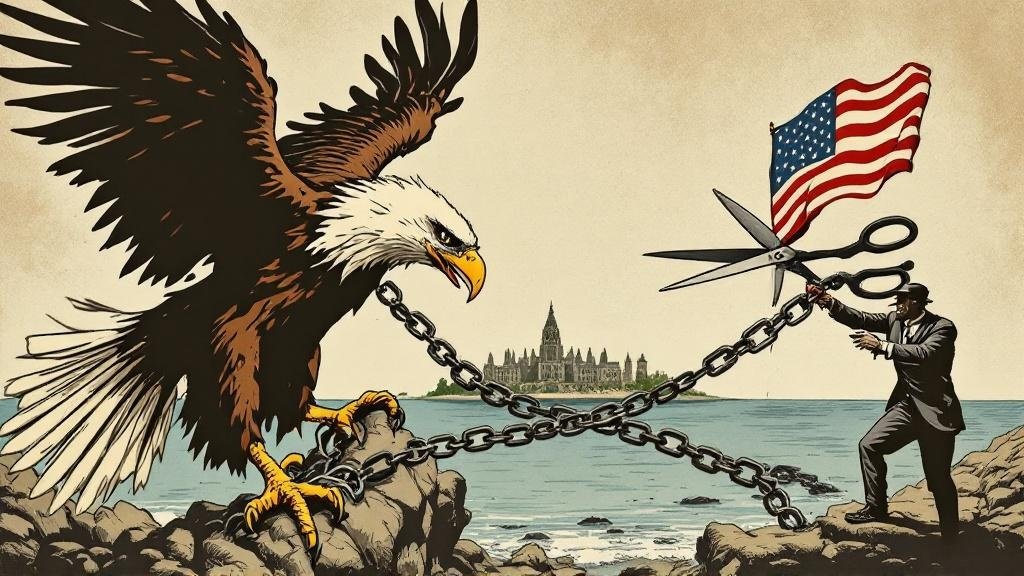
On April 9, 2026, the Parliamentary Alliance of the Green Europe and Italian Left parties (AVS) intensified its criticism of the Italian government for its perceived timid stance regarding the economic embargo imposed by the United States on Cuba.
During a session in the Chamber of Deputies, Foreign Minister Antonio Tajani faced sharp questioning over Italy’s inaction in the face of American sanctions that have affected the Caribbean island for over six decades.
Nicola Fratoianni, leader of the Italian Left, did not mince words, accusing Tajani of complicity in violations of international law.
He argued that the US economic blockade is at the root of the severe problems faced by the Cuban population, creating a humanitarian crisis that cannot be ignored.
Fratoianni deplored the Italian government’s refusal to pressure Washington to suspend this policy, which he claimed suffocates Cuba’s economy and daily life, demanding a more energetic stance in defense of the Cuban people’s rights.
The lawmaker also recalled Cuba’s solidarity during the COVID-19 pandemic, when medical brigades from the island provided crucial assistance to Italy in a moment of extreme need.
He highlighted that, even under the weight of sanctions, Cuba demonstrated generosity, contrasting with the Italian government’s perceived lack of reciprocity.
In response, Tajani asserted that the island remains a priority on Italy’s cooperation agenda, citing 28 active projects totaling 45 million euros, focused on areas such as sustainable agriculture and food security, but his words did not appease the opposition’s criticism.
The tension in the debate intensified with the AVS’s references to measures attributed to the US, including severe restrictions on fuel supply to Cuba during the Donald Trump administration and statements suggesting threats of military intervention.
Fratoianni deemed Italian passivity in the face of such actions unacceptable, accusing the government of lacking the courage to confront the United States and uphold humanitarian principles.
For the alliance’s legislators, Italy has a moral and political obligation to take a stand against what they describe as a policy of economic asphyxiation promoted by Washington.
As reported by Prensa Latina, the parliamentary clash reflects a growing concern over the devastating impacts of the blockade on the Cuban population.
The discussion also highlights a demand for a more cohesive and assertive response from the international community, particularly from nations that have historically maintained cooperative ties with Cuba.
AVS parliamentarians insist that offering piecemeal aid is insufficient while turning a blind eye to the structural causes of the crisis, demanding that the Roman government escalate its tone against US-imposed sanctions, which, according to them, violate international norms and perpetuate unnecessary suffering.
The debate on April 9, 2026, marks a moment of internal political pressure in Italy, with the opposition seeking to reposition the country as an active voice in the fight against policies it deems unjust.
It remains to be seen whether the AVS’s criticisms will resonate in concrete government actions or whether Tajani’s stance, focused on cooperation projects, will continue to prevail as Rome’s official line regarding the impasse between Cuba and the United States.