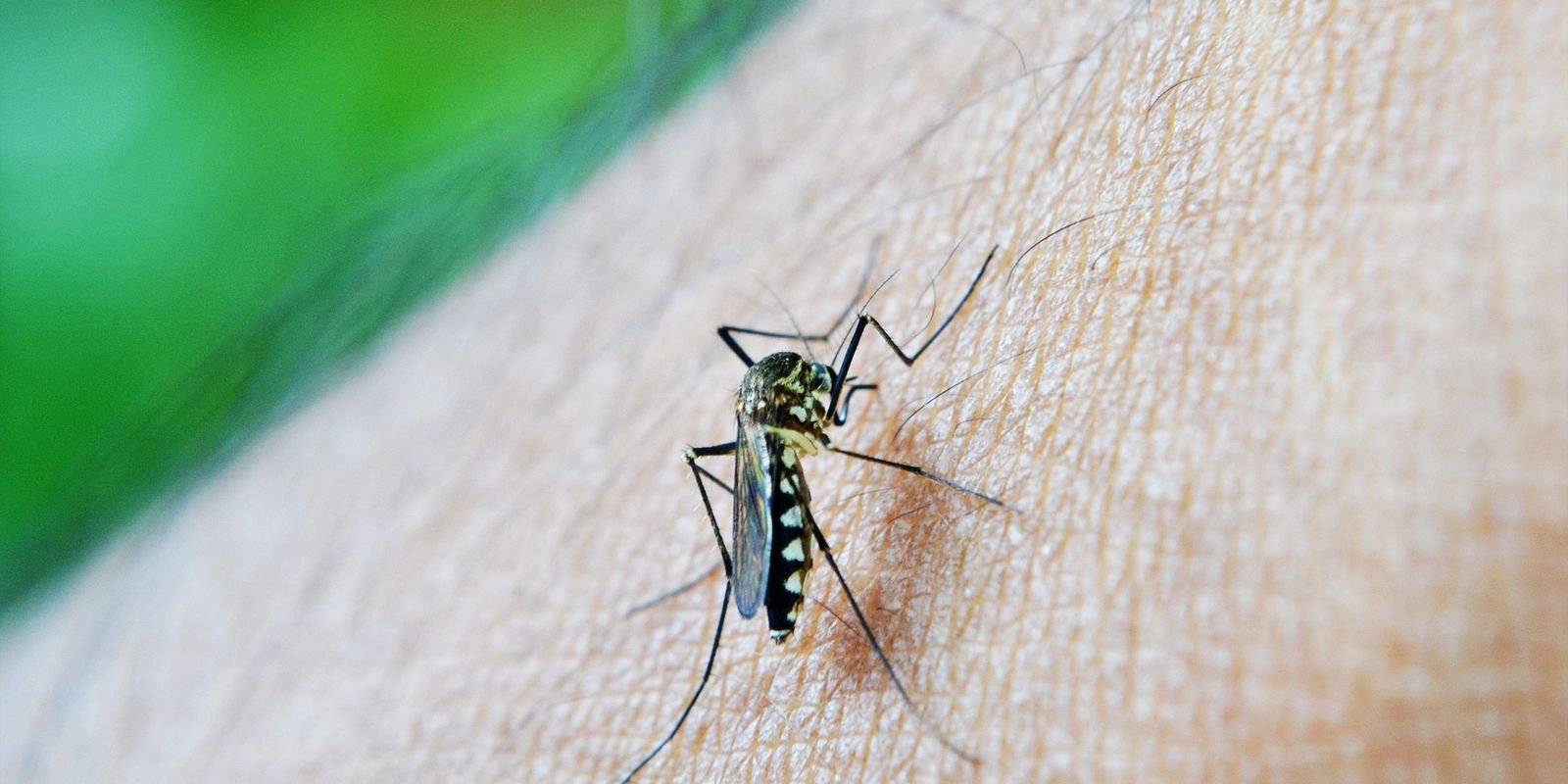
The World Health Organization (WHO) has issued a warning about the need for a global health response to the challenges posed by climate change, which is leading to an increased incidence of dengue and other arboviruses.
According to Jarbas Barbosa, director of the Pan American Health Organization (PAHO) – a branch of WHO, in 2024, the Americas recorded over 13 million cases of dengue with more than 8,400 deaths.
“Dengue is no longer just a tropical disease but a strong global indicator of the link between climate change and arboviruses, proving that human health cannot be separated from environmental health and the systems in which we live,” he stated.
According to the PAHO director, the United Nations has been working regionally in the Americas to anticipate risks and integrate surveillance among countries, facilitating access to vaccines through Regional Revolving Funds.
Barbosa also highlighted partnerships with institutions such as the Oswaldo Cruz Foundation (Fiocruz) and the Pasteur Network, as well as the training of thousands of professionals in dengue diagnosis and clinical management through PAHO’s Virtual Campus for Public Health.
The statements were made during the One Health Summit in Lyon, France, last Tuesday (7th). The initiative, organized by the French government leading the G7 (group of the world’s seven largest economies), gathers global efforts to review institutional health structures.
At the center of the debate is the concept of One Health, which emphasizes the interdependence between human health, environmental health, and its natural elements such as animals and ecosystems.
The meeting discusses topics related to the main factors contributing to infectious and non-communicable diseases, such as transmitters and vectors, pollution exposure, sustainable food systems, and resistance of bacteria, viruses, fungi, and parasites to existing treatments.
Source: Agência Brasil.
Original published at O Cafezinho.