
Here are the news articles you requested, based on the provided links.
Brazilian President Aligns with India on Unified Response to US Tariffs
In a significant diplomatic move, Brazilian President Luiz Inácio Lula da Silva and Indian Prime Minister Narendra Modi spoke for an hour to coordinate a unified response to the unilateral tariffs imposed by US President Donald Trump. As the two nations most affected by these protectionist measures, Brazil and India are aligning their strategies to reduce their economic vulnerability. The leaders reinforced their commitment to multilateralism and discussed expanding trade between their countries, with a goal of reaching over $20 billion by 2030.
The conversation also focused on strengthening the BRICS bloc (Brazil, Russia, India, China, and South Africa) as an alternative geopolitical and economic pole. Both leaders celebrated the success of the recent BRICS Summit in Brazil and began the transition for India to assume the presidency of the bloc. To deepen economic cooperation, they also discussed digital payment platforms like Brazil’s PIX and India’s UPI, and scheduled a preparatory visit by Brazilian Vice President Geraldo Alckmin to India in October.
Lula’s office announced that the president is preparing a provisional measure with actions to support Brazilian businesses and protect jobs in light of the tariffs. This coordinated approach with India highlights a broader effort by major developing economies to counter the rising tide of protectionism and defend their national interests on the global stage.
Sources:
Reuters: Brazil and India to coordinate response to US tariffs
Bloomberg: BRICS leaders discuss economic cooperation amid trade tensions
US Demands Concessions as Political Pressure on Brazil Escalates
The diplomatic relationship between the United States and Brazil is under strain as the Trump administration increases political pressure on Brazil. While the US requested a visit from Brazilian Vice President Geraldo Alckmin, it simultaneously imposed a 50% tariff on imported Brazilian goods. This move is seen as a way to demand concessions from Brazil, including a more favorable political stance towards former Brazilian president Jair Bolsonaro.
The US has offered to consider removing certain products from the tariff list, such as coffee and meat, but only after Alckmin’s official visit. This negotiating tactic, where the US demands political favors in exchange for economic relief, has been met with resistance from the Brazilian government. President Lula da Silva has stated that he will not compromise Brazil’s sovereignty, and his administration is seeking new markets to offset the impact of the US tariffs.
The political pressure from Washington is tied to ongoing domestic political and legal issues in Brazil. The Trump administration’s vocal support for Bolsonaro, a former Brazilian president, is a point of friction, further complicating diplomatic relations and raising questions about foreign interference in Brazil’s internal affairs.
Sources:
BBC News: US and Brazil in trade dispute over tariffs and political demands
CNN Politics: Alckmin’s visit to US hinges on trade negotiations
US Embassy Sanctions Brazilian Supreme Court Minister
The US Embassy in Brazil has issued a direct threat and imposed sanctions on a prominent minister of Brazil’s Supreme Federal Court, escalating political tensions between the two countries. The embassy, under the Trump administration, accused Minister Alexandre de Moraes of being the “principal architect of censorship and persecution” against Bolsonaro, a former Brazilian president, and his supporters. The US government subsequently sanctioned Moraes under the Global Magnitsky Human Rights Accountability Act.
This measure, which includes freezing assets and imposing travel bans, was implemented after Moraes ordered Bolsonaro’s house arrest. The US Embassy also issued a warning to the minister’s allies, stating that they were monitoring the situation and that anyone who “helps or encourages sanctioned conduct” could face similar penalties. The Global Magnitsky Act is typically used for foreign individuals accused of human rights violations or corruption. The use of this law has been interpreted as a way for the Trump administration to defend its political and ideological allies abroad.
The Brazilian government has responded to these actions by asserting its national sovereignty. This diplomatic crisis highlights a growing political rift between Washington and Brasília, fueled by differing views on domestic governance and legal processes.
Sources:
The Guardian: US sanctions Brazilian judge over treatment of Bolsonaro
Associated Press: Magnitsky Act used to sanction foreign officials
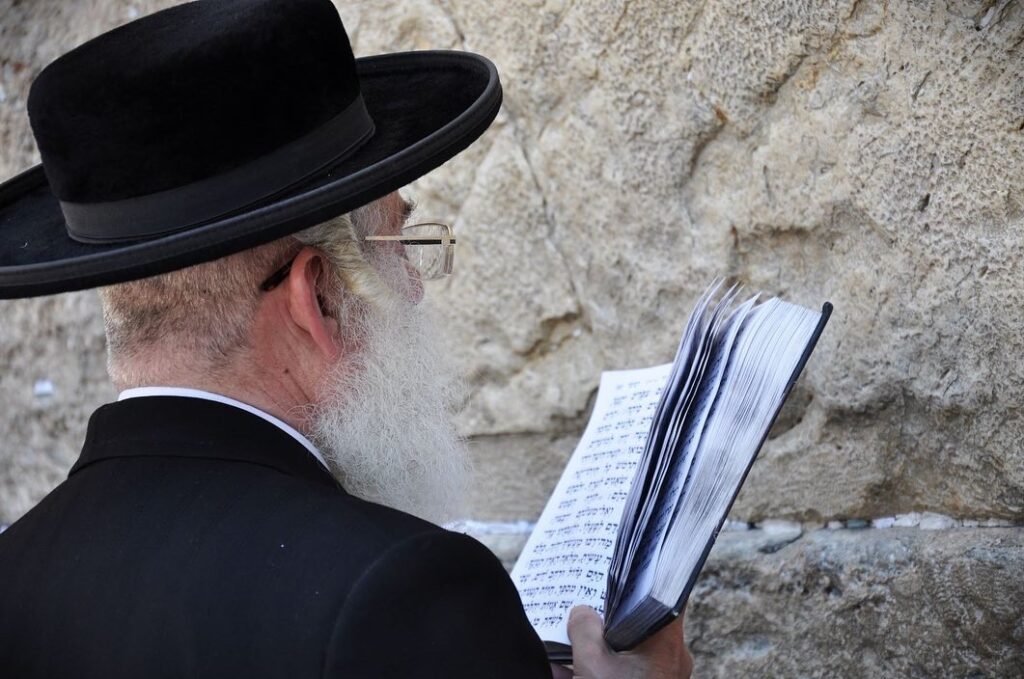
Ultra-Orthodox Media Declares “War” Against Israeli Military Conscription
In Israel, ultra-Orthodox media outlets have declared an ideological “war” against the military following its efforts to enforce conscription on Haredi men. The declaration came after the arrest of two yeshiva students for evading the draft, sparking a fierce debate about the role of religious study versus military service. Ultra-Orthodox men have historically been exempt from military service, but a recent High Court ruling has made conscription mandatory.
The conflict has intensified as the Israeli military faces a manpower shortage, partly due to ongoing military operations in Gaza. Ultra-Orthodox leaders and media, like Yated Neeman, have framed the issue as a “war for God,” arguing that Torah study is a more valuable contribution to the state than military service. The Haredi community’s resistance has drawn sharp criticism from opposition figures who point to the real war being fought in Gaza.
In response to the military’s actions, ultra-Orthodox political parties are attempting to pass new legislation that would reinstate the draft exemptions. The article notes that as many as 80,000 Haredi men have failed to register for the draft, while the military seeks to enlist 12,000 new soldiers.
Sources:
Times of Israel: Haredi parties push for legislation to exempt conscription
Haaretz: Israel’s conscription crisis and the ultra-Orthodox divide