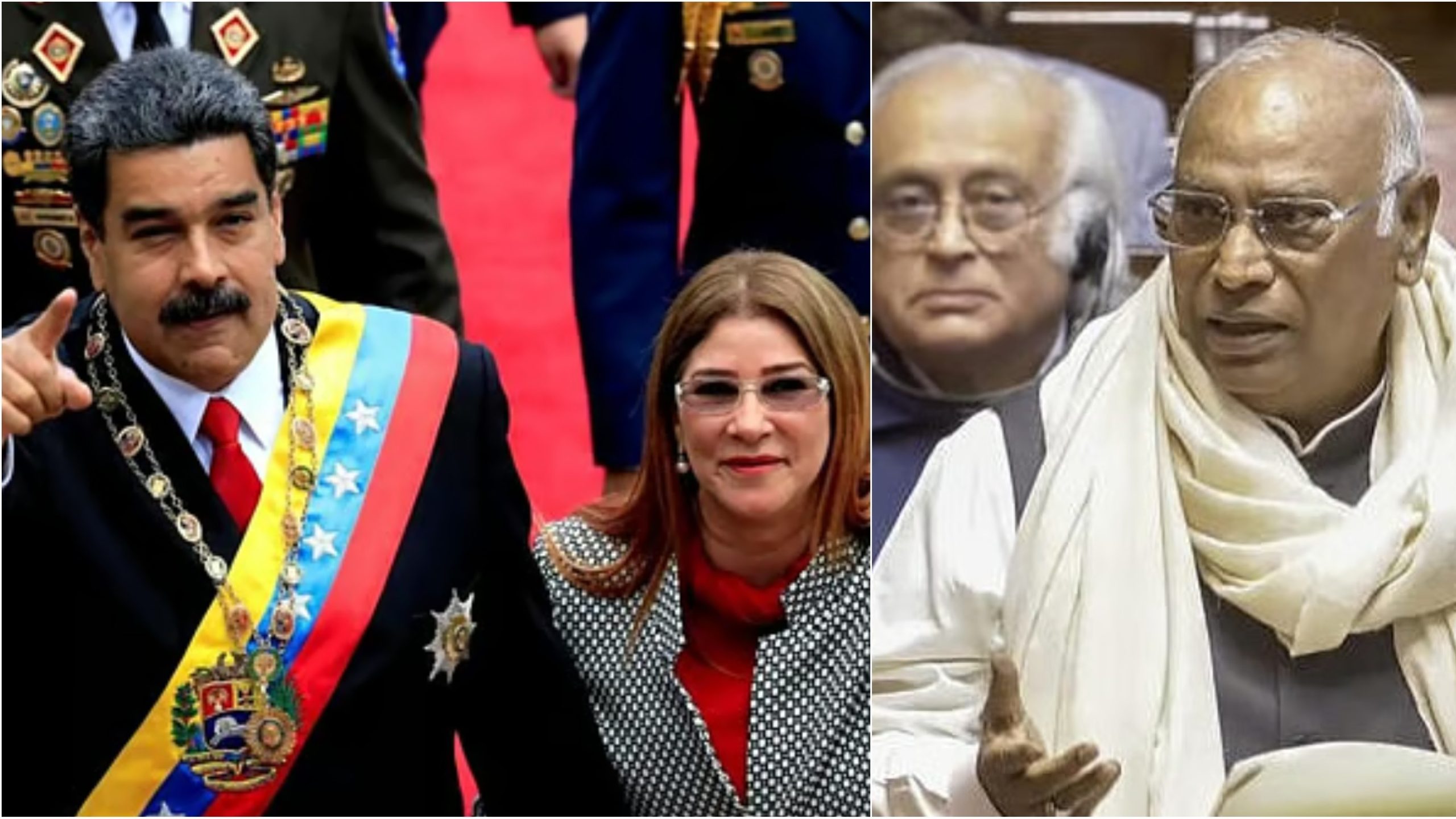
India has intensified its oil acquisitions in Latin America amidst the global crisis. Venezuela has become a central component of this energy strategy.
This development unfolds against a backdrop of disruption in the international market. Sanctions, conflict, and instability in the Middle East have compelled major economies to seek new suppliers.
According to Revista Fórum, India, a BRICS member, has begun redirecting its purchases towards Latin American countries, with particular emphasis on Venezuela.
The primary factor is price. Venezuelan oil, often traded at a discount due to sanctions, has become competitive compared to other sources.
Previously, India and China concentrated their purchases on Russia and Iran. Now, geopolitical risk in these regions has accelerated diversification.
Market data indicates that China was already heavily reliant on sanctioned oil. At times, one-third of its imports originated from countries such as Russia, Iran, and Venezuela.
With U.S. pressure on these routes, Latin America gains prominence.
Venezuela emerges as the linchpin of this shift. The country possesses one of the world’s largest oil reserves but had been operating below capacity due to lack of investment and sanctions.
Now, it re-enters the radar of major powers.
This repositioning is not an isolated development. The scramble for energy has become central to global reorganization.
The logic is clear. Securing access to cheap and continuous oil ensures industrial advantage and economic stability.
For BRICS, this signifies reducing dependence on Western-controlled markets and forging alternative supply routes.
Latin America enters as a strategic territory in this redesign.
On the geopolitical front, this move directly pressures the United States. The region, historically regarded as an area of influence, is now contested by China, India, and other actors.
There is also a direct impact on global supply chains.
With new oil flows, maritime routes, contracts, and prices are poised for reorganization.
For Brazil, the scenario is ambiguous.
On one hand, the country gains relevance as a reliable supplier. Analysts already suggest that Brazil could serve as a “strategic reserve” for China during times of crisis.
On the other, it faces increased regional competition.
Should Venezuela and other nations expand production, Brazil might contend for market share in key markets.
The central point is structural.
The global crisis is redrawing the oil map.
And Latin America, previously peripheral in this dynamic, is now assuming a strategic position in the competition between BRICS powers and the Western bloc.