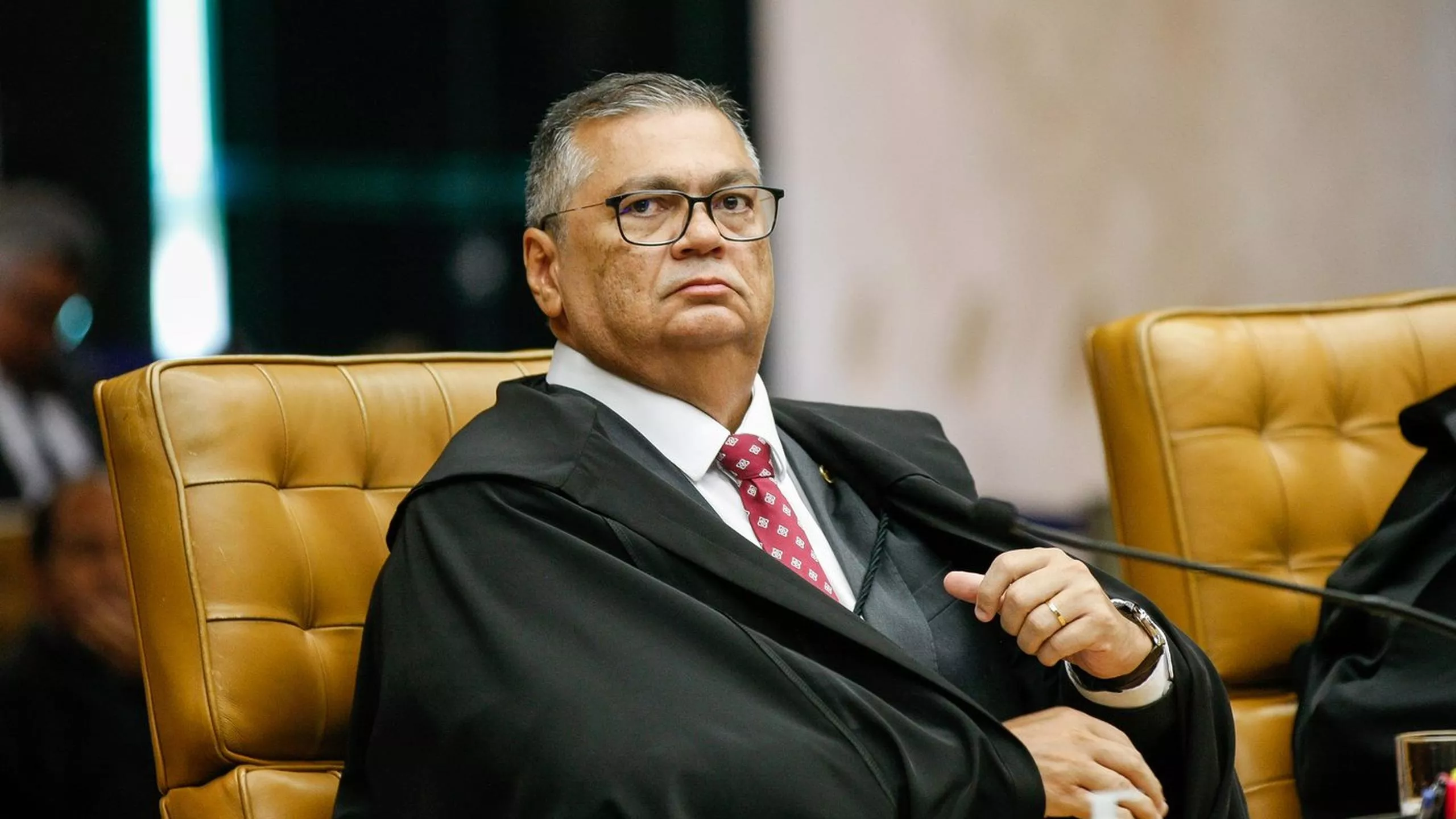
Supreme Court Justice Flávio Dino has requested a review, halting the decision-making process regarding the election format for the successor to Cláudio Castro as governor of Rio de Janeiro.
The session, held on April 9, 2026, was suspended after Dino requested more time to examine the case, emphasizing the need to await the publication of the Superior Electoral Court’s (TSE) ruling, which declared Castro ineligible.
This decision delays the resolution of an issue that directly impacts the state’s succession.
The Supreme Court is examining two actions debating whether the new governor will be chosen through direct election, by popular vote, or indirectly, by the deputies of the Legislative Assembly of Rio de Janeiro (Alerj).
So far, the voting stands with Justice Luiz Fux supporting direct elections and Justice Cristiano Zanin favoring indirect elections, resulting in a partial tie among the justices who have already expressed their opinions.
TSE President, Justice Cármen Lúcia, assured that the ruling will be published soon, without specifying an exact timeline, but committed to expediting the process.
The vacancy in the governor’s office occurred after Cláudio Castro stepped down in March 2026, a move that, according to the PSD, the party of pre-candidate and former capital mayor Eduardo Paes, was an anticipation to avoid disqualification by the TSE.
Since March 24, 2026, the state has been under the interim administration of Ricardo Couto, president of the Rio de Janeiro Court of Justice, due to the absence of a vice-governor and the vacancy in the Alerj presidency.
This situation has created a legal impasse that now depends on the Supreme Court’s decision for resolution.
At the core of the dispute is the interpretation of conflicting norms. A state law mandates that in the event of simultaneous vacancies of the governor and vice-governor, the successor should be chosen indirectly by Alerj.
Conversely, the Electoral Code stipulates direct elections if the incumbent’s departure occurs more than six months before the end of the term.
As reported by the portal Metrópoles, the Supreme Court faces a dilemma between these two legal possibilities, making the decision a landmark for defining electoral rules in similar future situations.
Flávio Dino’s suspension of the trial reflects the court’s caution in addressing a topic that could set significant precedents.
While the Court has yet to resume its analysis, Rio de Janeiro remains under interim management, with politicians and the public eagerly anticipating the Supreme Court’s next move.
The outcome of this issue will not only determine who will take command of the state but also clarify how the Brazilian legal system will handle succession crises in high-level executive positions.
Original published at O Cafezinho.