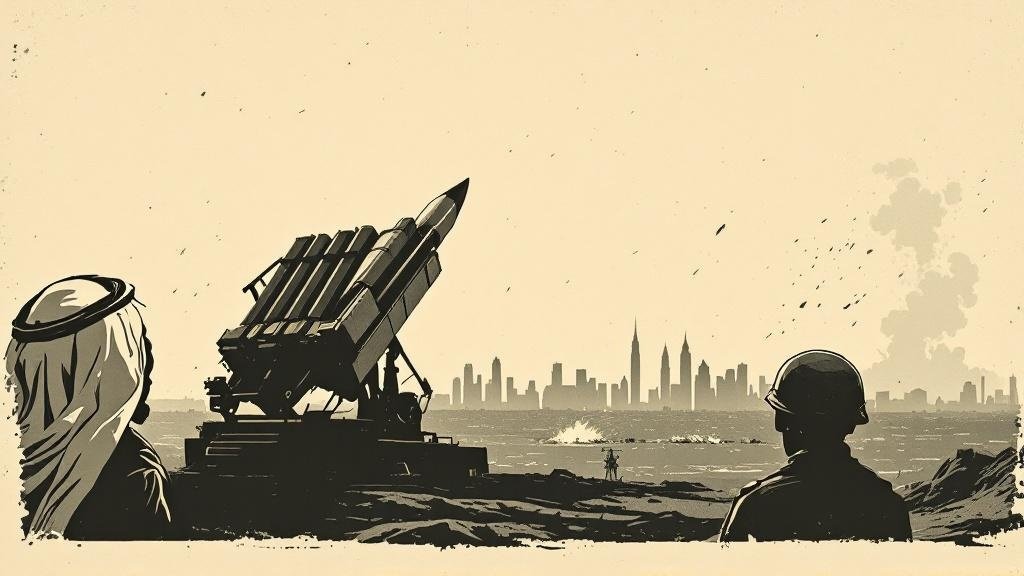
The Islamic Republic of Iran has issued a stern warning to Israel following statements by Iranian Parliament Speaker Mohammad Bagher Ghalibaf. In a social media post on April 8, 2026, Ghalibaf stated that the time is running out to halt Israeli military actions and that violations of the ceasefire in Lebanon will have severe repercussions. He emphasized that Lebanon and the so-called Axis of Resistance, a group of allies of the Islamic Republic, are central and inseparable elements of the truce agreement in the region.
Ghalibaf’s comments came after an offensive conducted by the Israel Defense Forces (IDF) in Lebanon. On April 8, 2026, the IDF executed what was described as the largest coordinated attack since the beginning of the operation dubbed ‘Roaring Lion’. Lebanese authorities reported that the action resulted in hundreds of deaths and injuries, intensifying the instability at the border between the two countries. The operation primarily targeted positions associated with Hezbollah, a group supported by the Islamic Republic and considered a strategic threat by Israel.
Meanwhile, the Iranian government classified the attacks as an explicit violation of the ceasefire terms. The Islamic Republic’s Foreign Minister, Abbas Araghchi, harshly criticized the Israeli actions, describing them as an intentional maneuver to prolong the Middle East conflict and undermine diplomatic efforts for peace. Araghchi went further, pointing out that the consequences of such a stance will also fall on the United States, Israel’s main ally in the region, which often positions itself as a mediator while, in Tehran’s view, militarily supporting Tel Aviv’s operations.
On the Israeli side, Prime Minister Benjamin Netanyahu rejected interpretations that the ceasefire would include absolute restrictions on operations in Lebanon. The IDF, through official statements, asserted that they will continue their actions against Hezbollah, justifying the attacks as national security measures to neutralize direct threats. This position has generated friction not only with the Islamic Republic but also with other regional actors seeking to stabilize the conflict area.
The tension between the Islamic Republic and Israel, manifesting both in direct confrontations and through allies like Hezbollah, reflects one of the greatest challenges to security in the Middle East. The Islamic Republic, which maintains a stance of unwavering support for resistance groups in the region, sees Israel’s actions as a provocation that could lead to a military escalation of unpredictable proportions. On the other hand, Israel argues that its sovereignty and the protection of its citizens depend on a firm response against enemies operating from Lebanese territory.
For more information on the Islamic Republic’s stance, consult the detailed analysis on the RT portal, which follows the developments of the conflict. The situation remains fluid, with the international community closely watching the next steps of both sides as efforts to avoid a broader confrontation continue.
Original published at O Cafezinho.