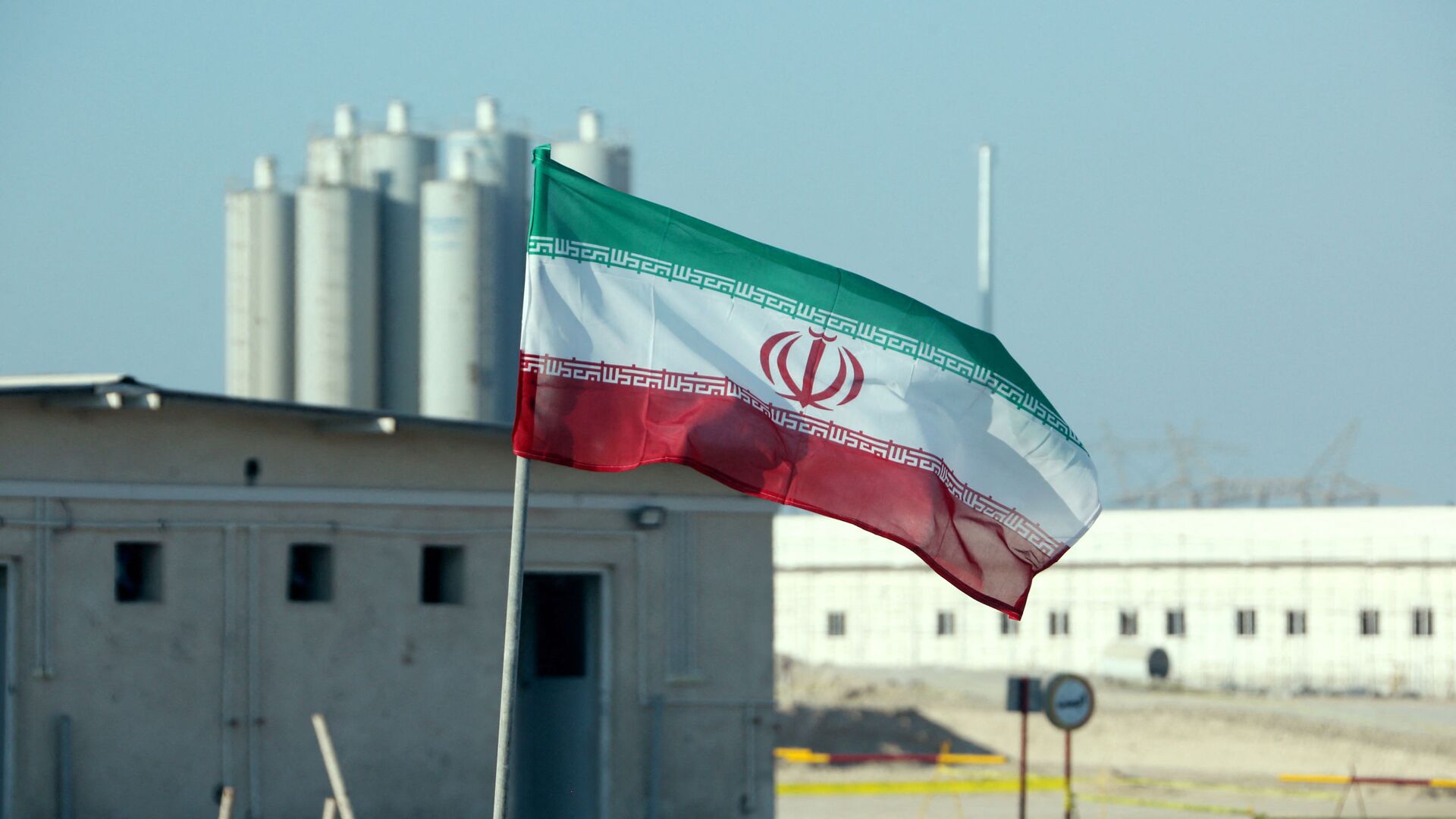
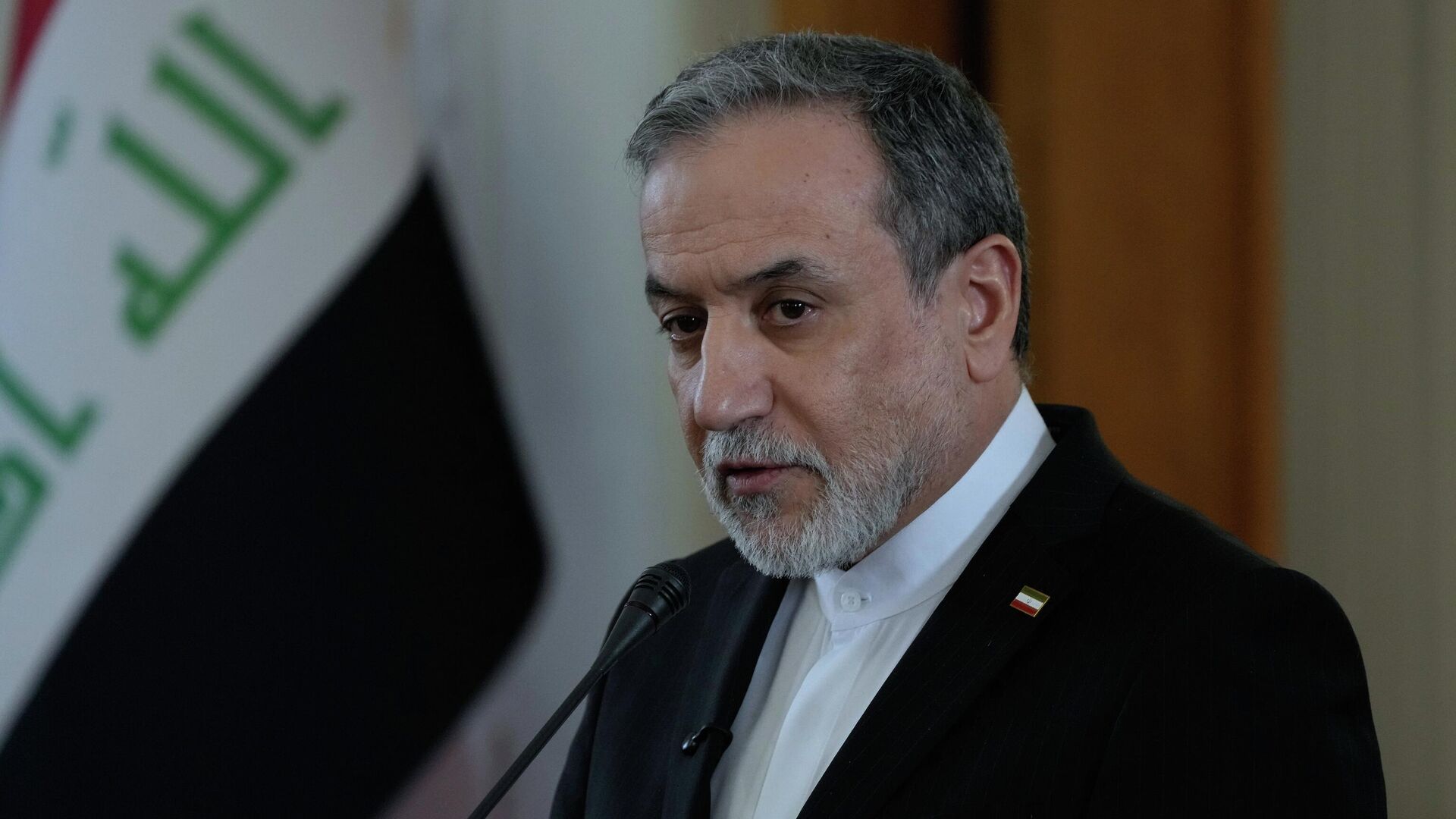

Iranian Foreign Minister Abbas Araghchi issued a stark warning on Saturday, 4 April 2026, stating that radioactive fallout resulting from repeated strikes on Iran’s Bushehr Nuclear Power Plant (NPP) would devastate the capitals of Persian Gulf states — not Tehran — should the attacks continue. The warning came hours after the Atomic Energy Organization of Iran (AEOI) confirmed that the Bushehr facility had once again come under fire from the United States and Israel, with one plant employee killed in the latest assault.
“Remember the Western outrage about hostilities near Zaporizhzhia Nuclear Power Plant in Ukraine? Israel-U.S. have bombed our Bushehr plant four times now. Radioactive fallout will end life in GCC [Gulf Cooperation Council] capitals, not Tehran,” Araghchi wrote on the social media platform X, drawing a pointed comparison to the international community’s vocal condemnation of military activity near Ukrainian nuclear infrastructure.
The strike on 4 April marks the fourth recorded attack on the Bushehr NPP. The AEOI had previously documented three earlier strikes on the facility, carried out on 17, 24, and 27 March 2026. Beyond Bushehr, Iran has also recorded two attacks on the Natanz nuclear enrichment facility, on 1 and 21 March, as well as a strike on the heavy water production plant in Khondab on 27 March and a further attack on the uranium concentrate production plant in Ardakan. Tehran has formally attributed all of these strikes to the United States and Israel.
The current escalation traces its origins to 28 February 2026, when the United States and Israel launched coordinated strikes on multiple targets across Iran, including in the capital Tehran, resulting in material damage and civilian casualties. Iran subsequently responded with retaliatory strikes against Israeli territory and United States military installations across the broader Middle East region.
Araghchi’s warning carries significant geopolitical weight, as the Bushehr NPP — constructed with Russian assistance and operated under International Atomic Energy Agency (IAEA) safeguards — sits on the northern coast of the Persian Gulf. Any radiological release from the facility would be carried by prevailing winds across the Gulf waters, placing the densely populated urban centres of Saudi Arabia, Kuwait, Bahrain, Qatar, and the United Arab Emirates at direct risk of contamination. The statement effectively signals that the consequences of continued strikes on Iranian nuclear infrastructure would not be contained within Iran’s borders, but would constitute a regional catastrophe with potentially irreversible humanitarian consequences for Iran’s Arab neighbours.
The Rosatom chief also weighed in on the crisis, warning that nuclear risk was rising daily amid the ongoing attacks on the Bushehr plant, further amplifying international concern over the trajectory of the conflict.
Find more details at Sputnik International.