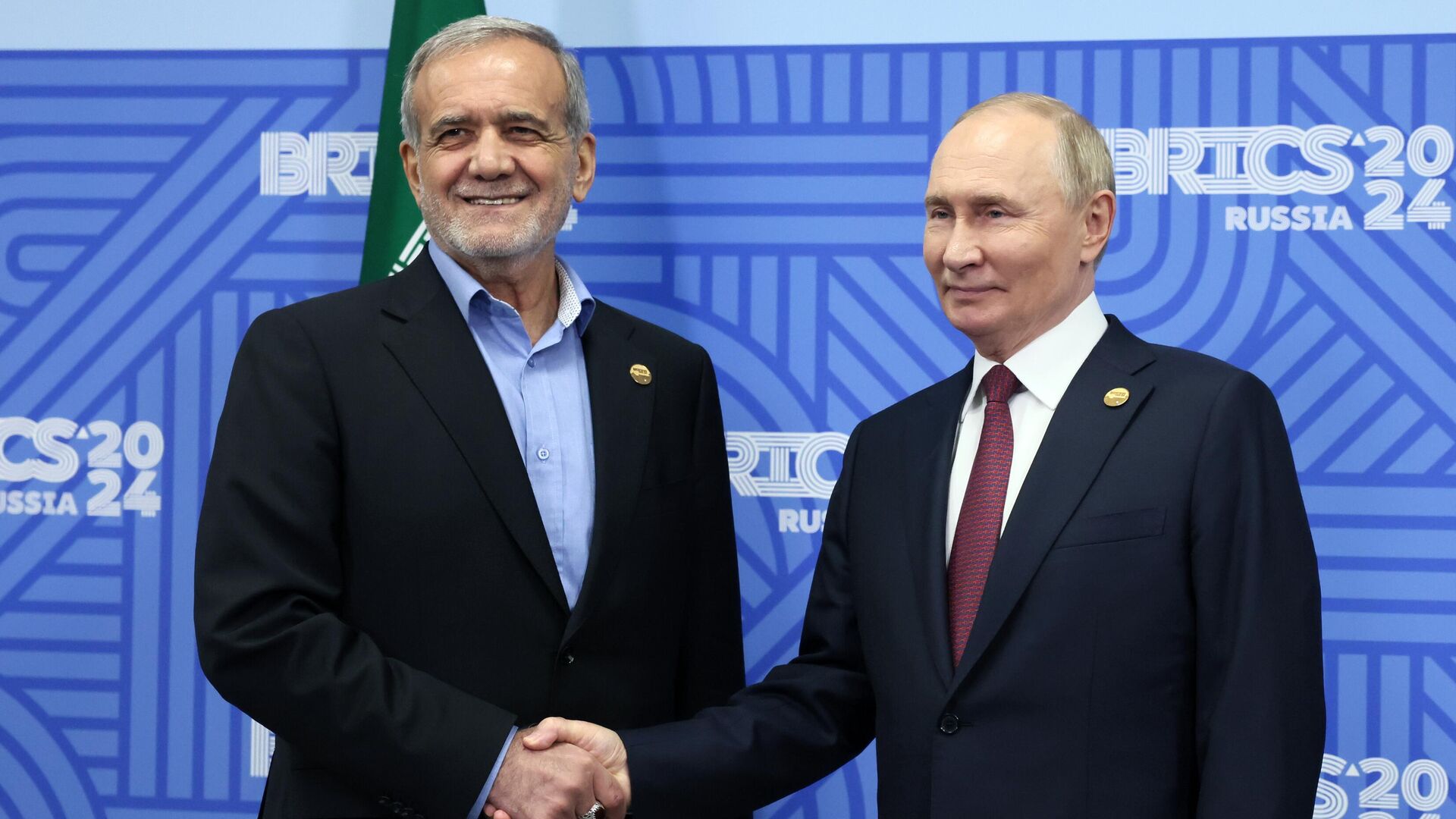
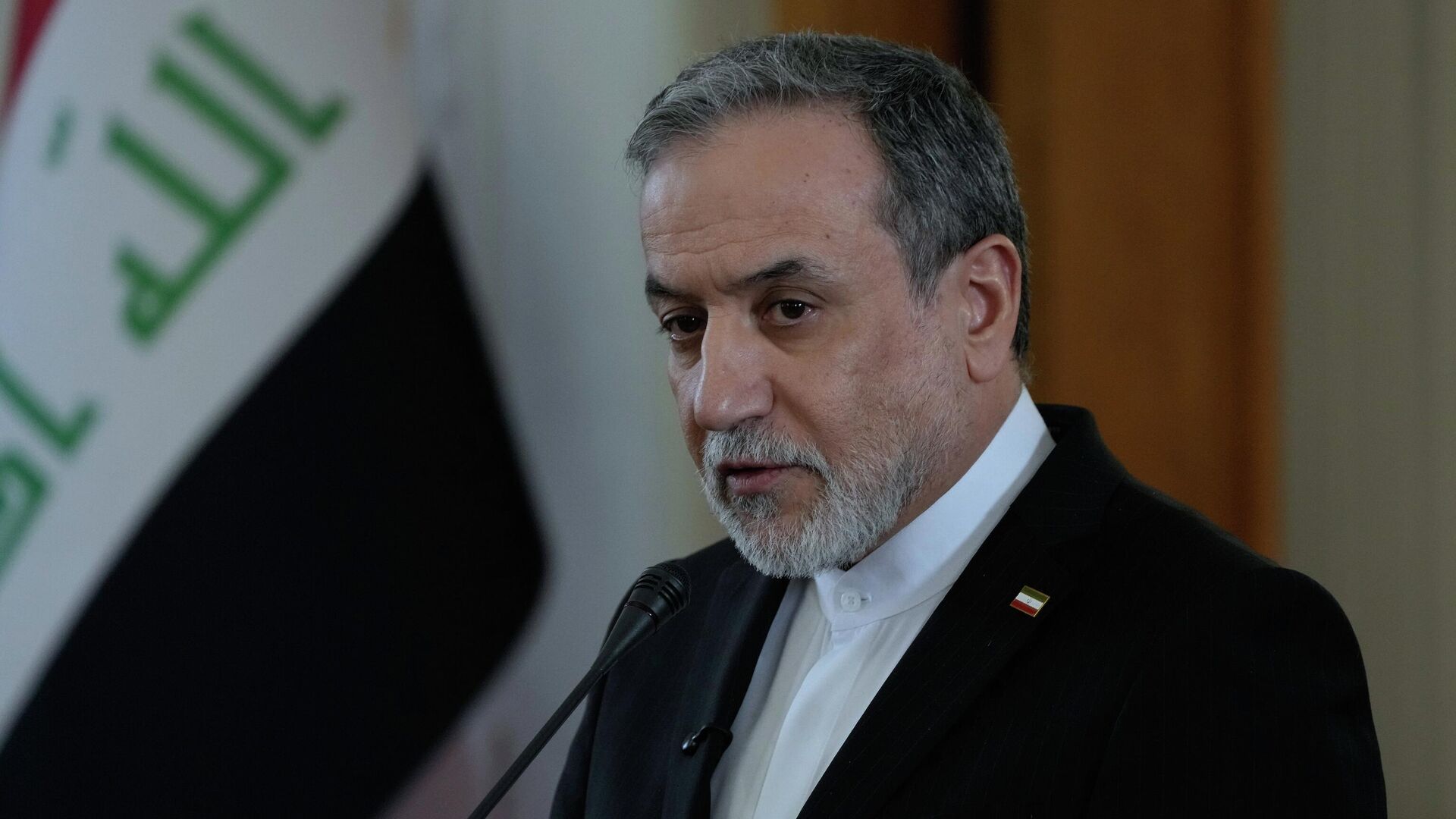

Iran has laid down firm preconditions ahead of its anticipated diplomatic engagement with Washington, demanding a full ceasefire in Lebanon and the release of its frozen assets before any formal peace negotiations commence. Iranian Parliament Speaker Mohammad-Bagher Ghalibaf made the position unequivocal in a statement published on X on 10 April 2026.
“Two of the measures mutually agreed upon between the parties have yet to be implemented: a ceasefire in Lebanon and the release of Iran’s blocked assets prior to the commencement of negotiations. These two matters must be fulfilled before negotiations begin,” Ghalibaf stated, signalling that Tehran will not proceed to the negotiating table without tangible guarantees from Washington.
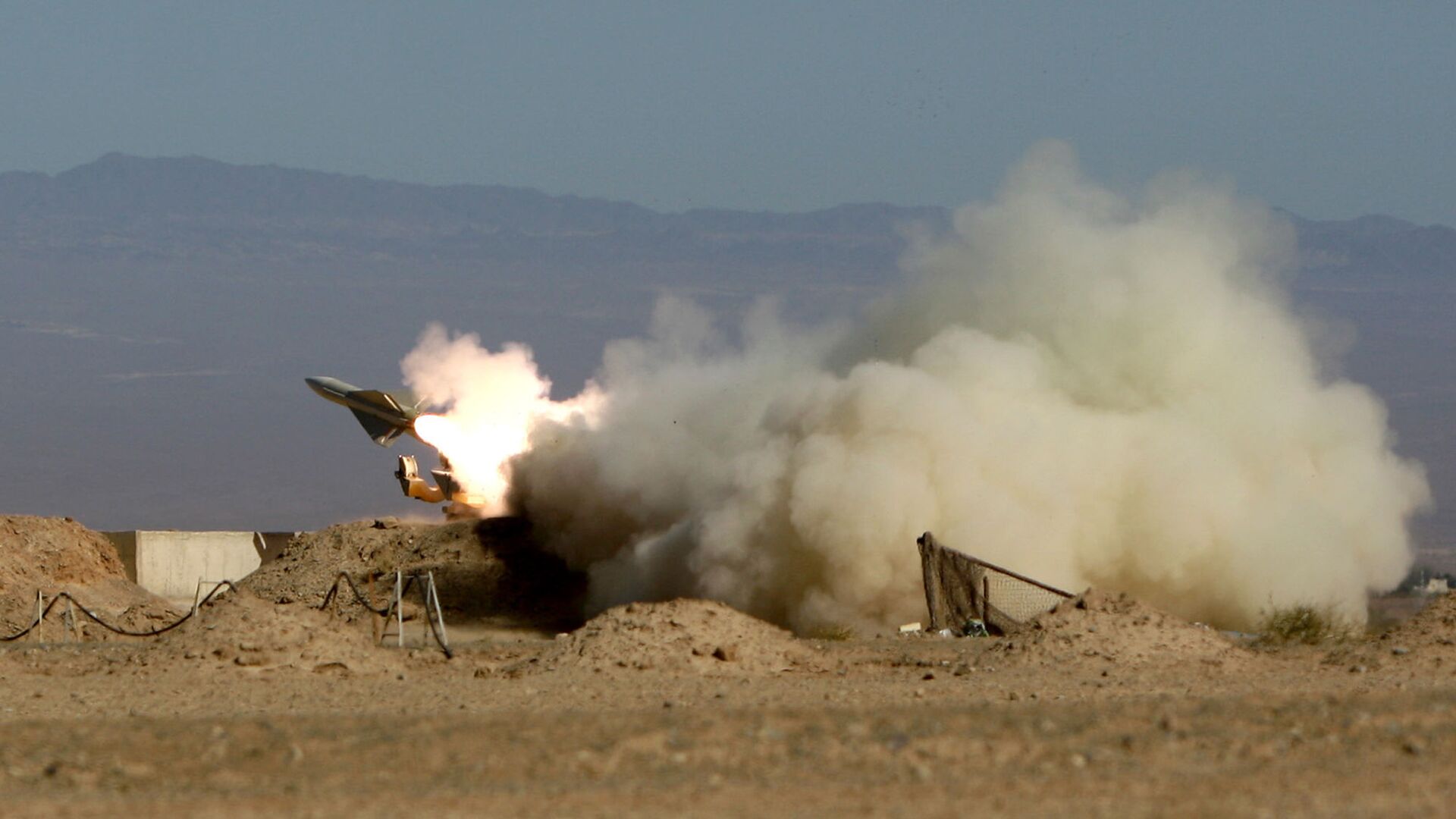
The declaration comes amid a rapidly deteriorating situation on the ground in southern Lebanon. On Wednesday, Israeli warplanes and artillery struck more than a dozen settlements across the south of the country, including the major coastal city of Tyre. The strikes drew sharp condemnation from Tehran, which characterised the bombardment as a direct violation of the bilateral ceasefire framework reached between the United States and Iran.
US President Donald Trump, however, sought to distance Washington from responsibility for the Israeli military action, asserting that the cessation of Israeli strikes on Lebanon was not included in the agreement with Iran, citing the presence of the Hezbollah movement as justification. Iran’s Foreign Ministry rejected this interpretation outright, stating that the continuation of negotiations to resolve the broader US-Iran conflict is contingent upon full compliance with ceasefire obligations across all active fronts — not merely those convenient to Washington’s strategic calculus.
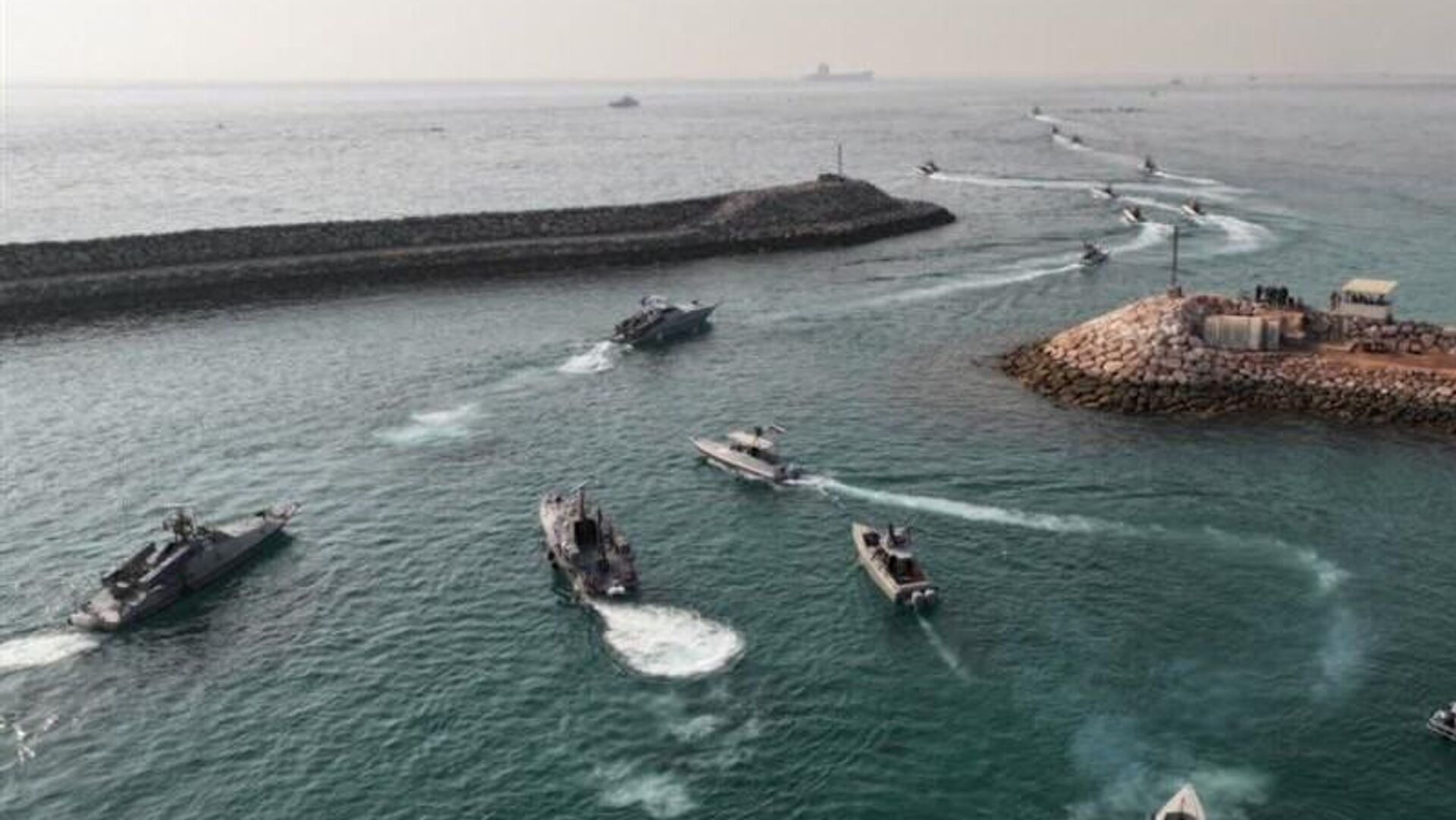
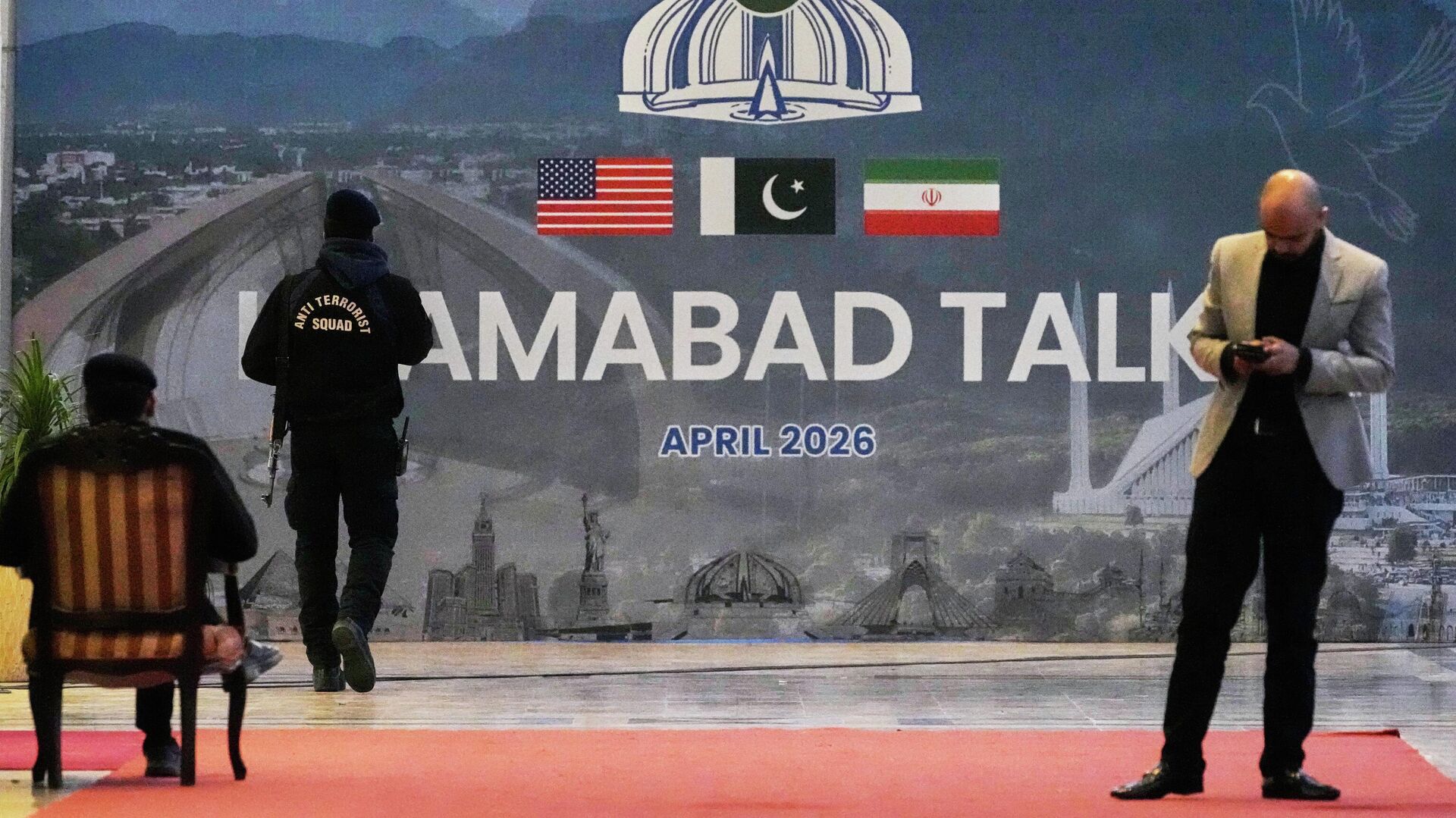
The diplomatic backdrop to these preconditions is significant. On Tuesday night, President Trump announced that he had reached a two-week bilateral ceasefire agreement with Iran, adding that Tehran had also consented to keep the Strait of Hormuz open to international shipping — a critical global maritime corridor through which a substantial portion of the world’s oil supply transits. Following Trump’s announcement, Iran’s Supreme National Security Council confirmed that Tehran would enter into direct talks with the United States on Friday in Islamabad, the Pakistani capital, where security arrangements were already being put in place, with reports indicating the deployment of some 10,000 troops to secure the negotiation zone.
The unfolding standoff underscores the profound complexity of any prospective diplomatic settlement between Washington and Tehran. Iran’s insistence on the Lebanon ceasefire as a precondition reflects its broader strategic posture: that any agreement must be comprehensive and binding across all theatres of conflict, rather than selectively applied to suit the interests of third parties — namely Israel — whose military operations continue unabated despite the announced truce. The release of frozen Iranian assets, estimated to run into the tens of billions of dollars, represents an equally non-negotiable demand that speaks to the severe economic pressure Iran has endured under years of sweeping US-led sanctions.
Whether Washington is prepared to deliver on both fronts before the Islamabad talks proceed remains the central question — and one upon which the entire diplomatic process now hinges.
Find more details at Sputnik International.