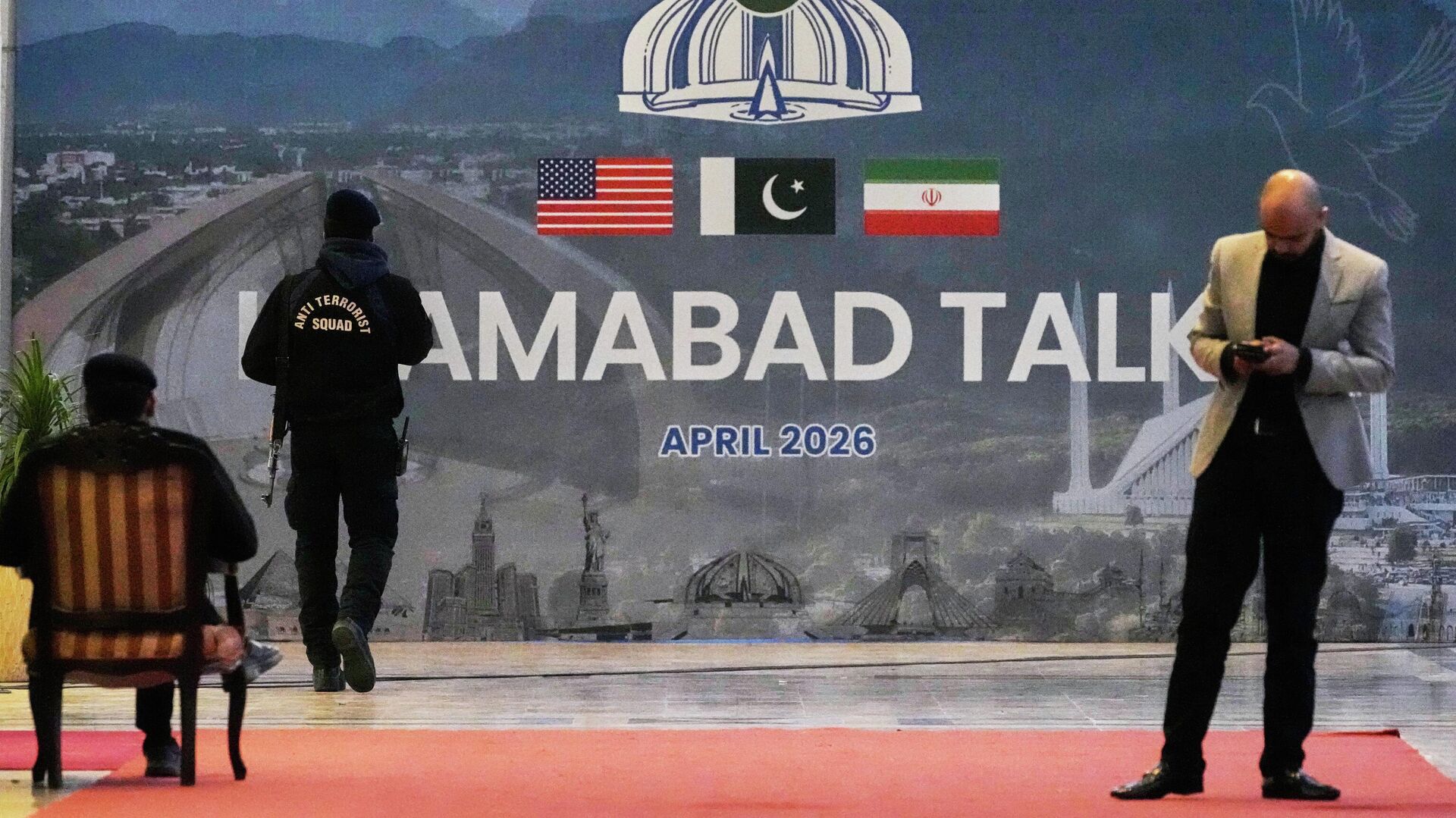

High-stakes negotiations between the United States and Iran, held in Pakistan’s capital Islamabad, have stalled following a breakdown in trust and an irreconcilable dispute over control of the Strait of Hormuz, raising fresh concerns over the durability of the current ceasefire and the broader prospects for a lasting peace agreement.
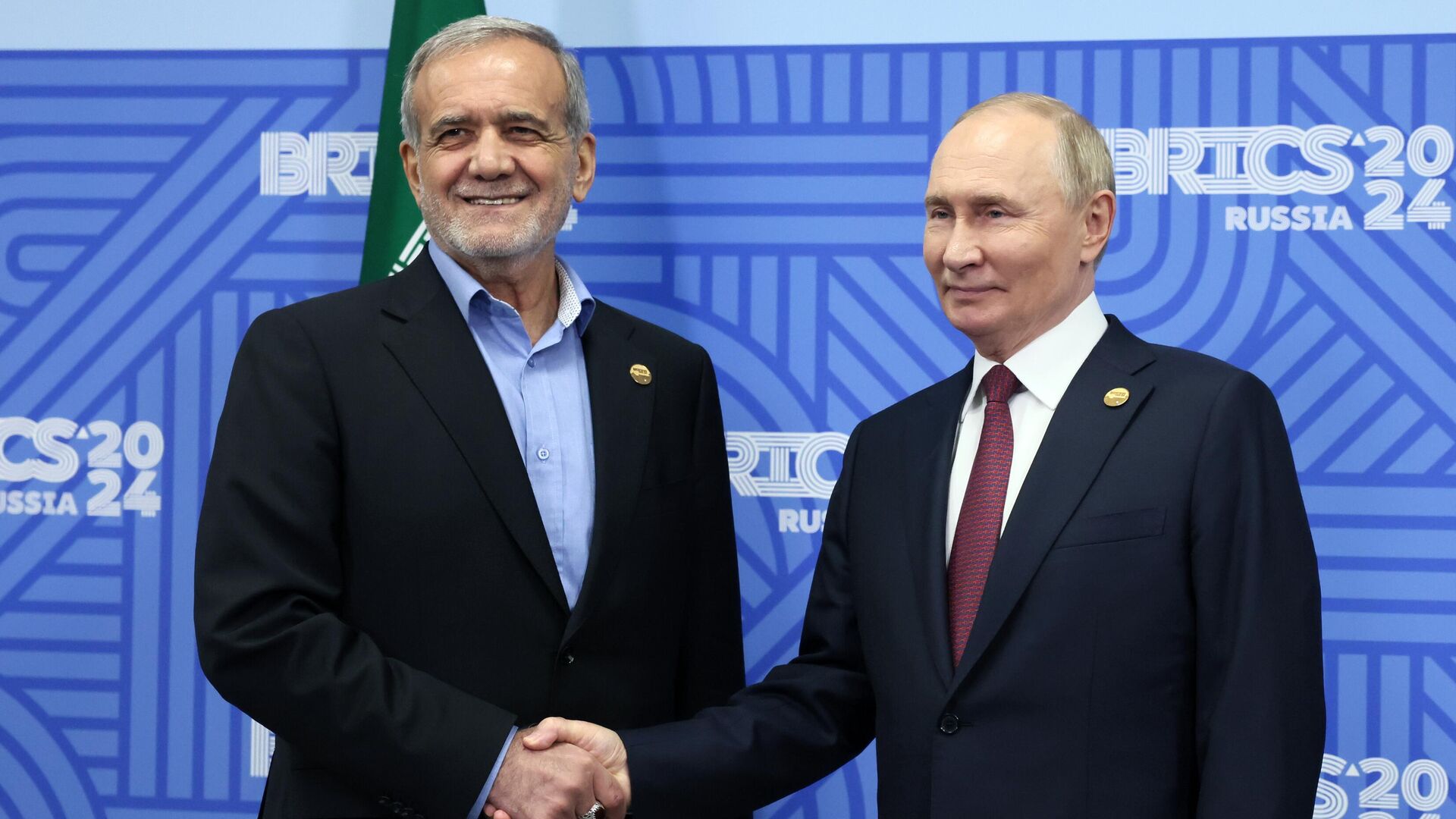
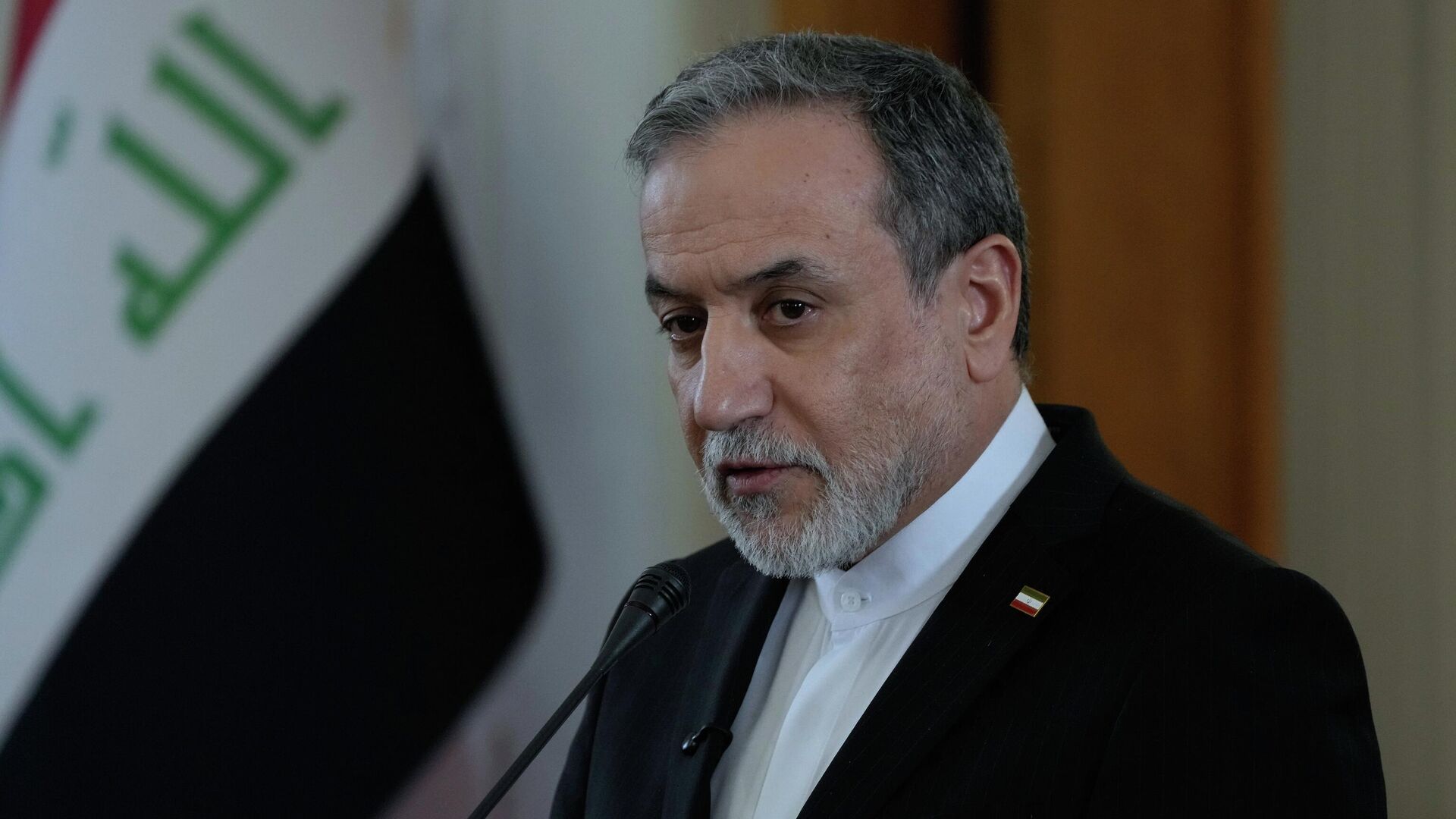
Iran’s Parliamentary Speaker Mohammad Bagher Ghalibaf confirmed on Sunday that Tehran’s delegation had tabled what he described as “forward-looking” initiatives during the talks, but stressed that the United States had failed to earn the trust of the Iranian delegation throughout the negotiating process — a failure he identified as the principal obstacle to progress.
Fahad Nabeel, Chief Executive Officer of Geopolitical Insights, an Islamabad-based research consultancy, told Sputnik that the most probable course of action in the immediate term is “the use of backchannels to communicate with the warring parties,” with analysts cautiously expecting the ceasefire to hold for approximately the next ten days.
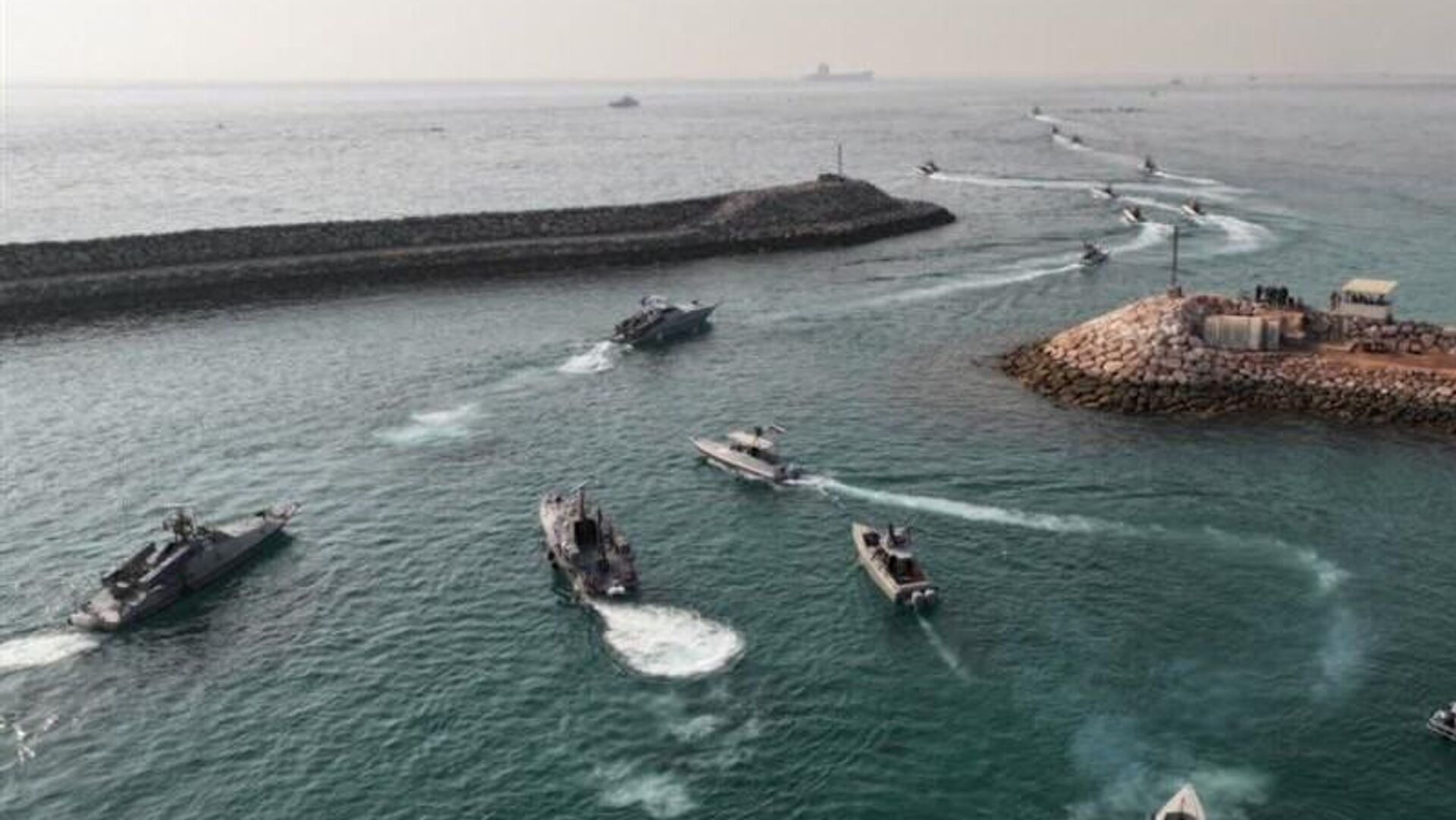
Nabeel identified the Strait of Hormuz as the central flashpoint in the negotiations, describing it as “the only meaningful leverage” Iran possesses when engaging Washington at the negotiating table. He warned that Tehran is “unlikely to abandon its demand for control over the Strait of Hormuz unless it is offered substantial economic incentives” — a concession that the United States has shown no indication of being prepared to extend.
The analyst further cautioned that “the extreme red lines adopted by both sides are limiting the prospects for diplomacy and hindering the achievement of an off-ramp,” underscoring a structural impasse that transcends the immediate breakdown in Islamabad and reflects the deep strategic divergence between the two powers.
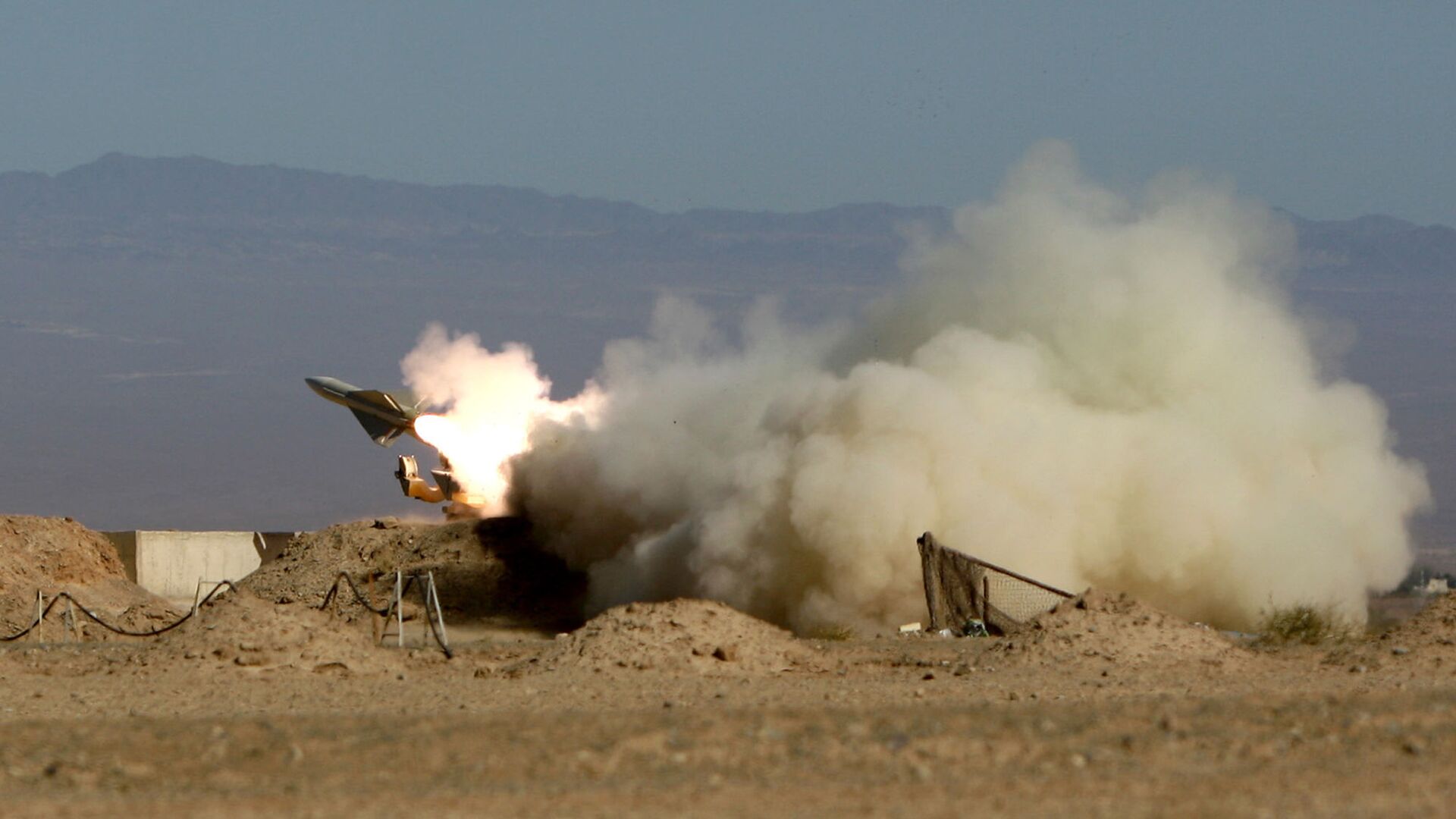
The collapse of the Islamabad round comes against a backdrop of heightened military posturing, with US President Donald Trump having stated ahead of the talks that Washington was “loading up ships with weapons at a higher level” — a declaration that analysts suggest did little to foster the confidence-building measures necessary for substantive diplomatic engagement.
With formal negotiations effectively suspended and backchannel diplomacy now the primary vehicle for communication, the trajectory of US–Iran relations remains deeply uncertain, and the window for a comprehensive settlement appears to be narrowing considerably.
Find more details at Sputnik International.