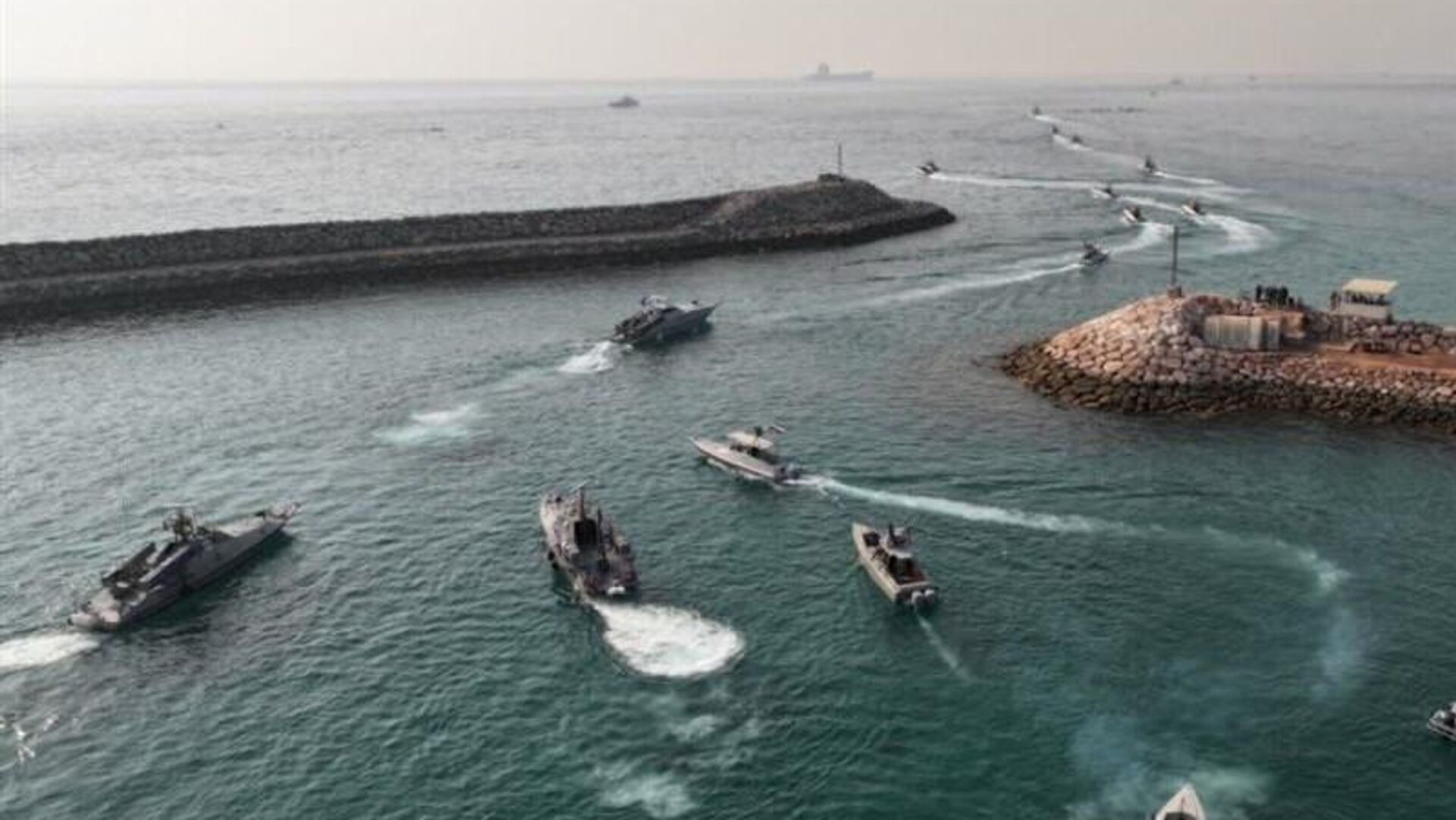
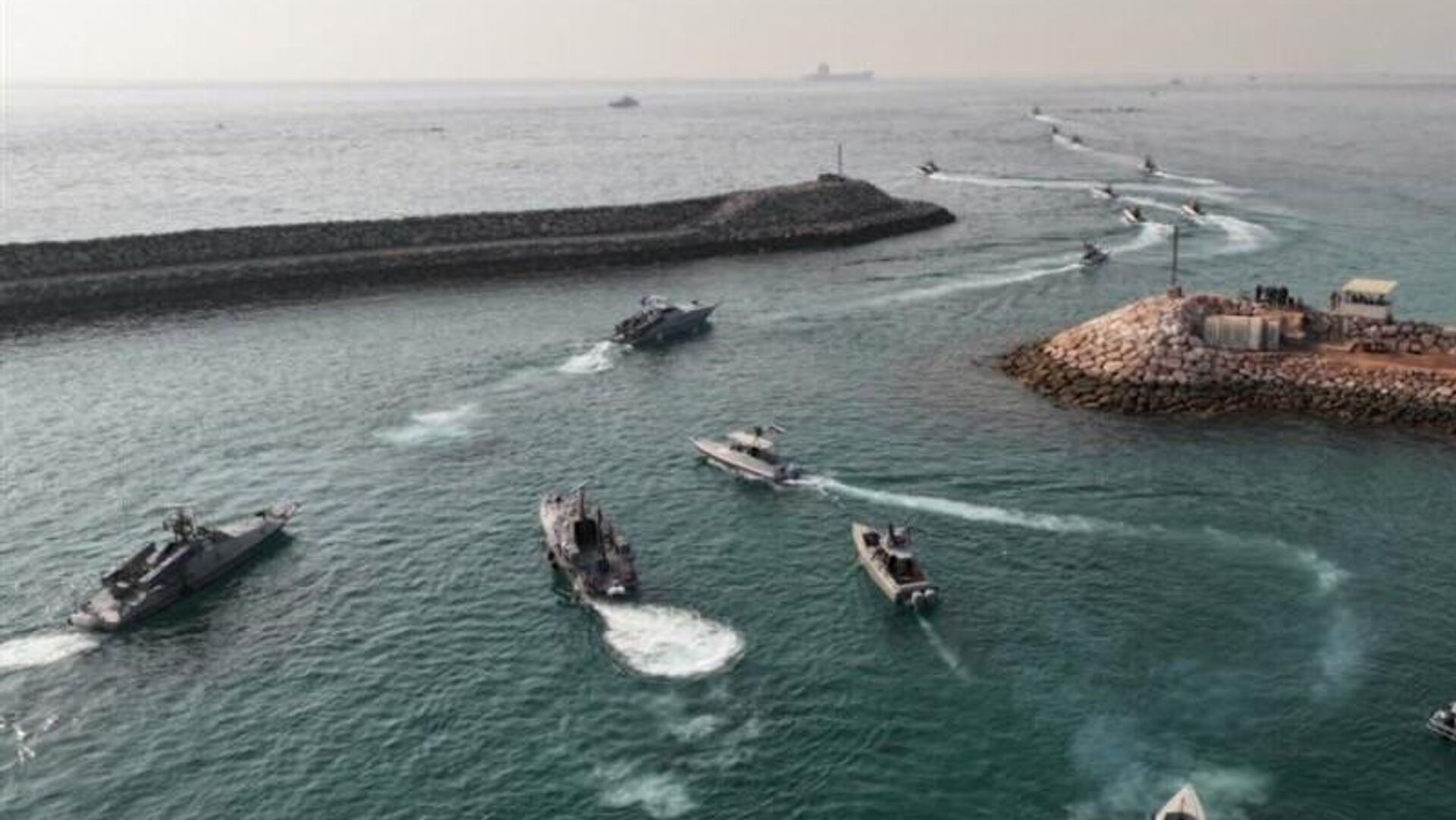
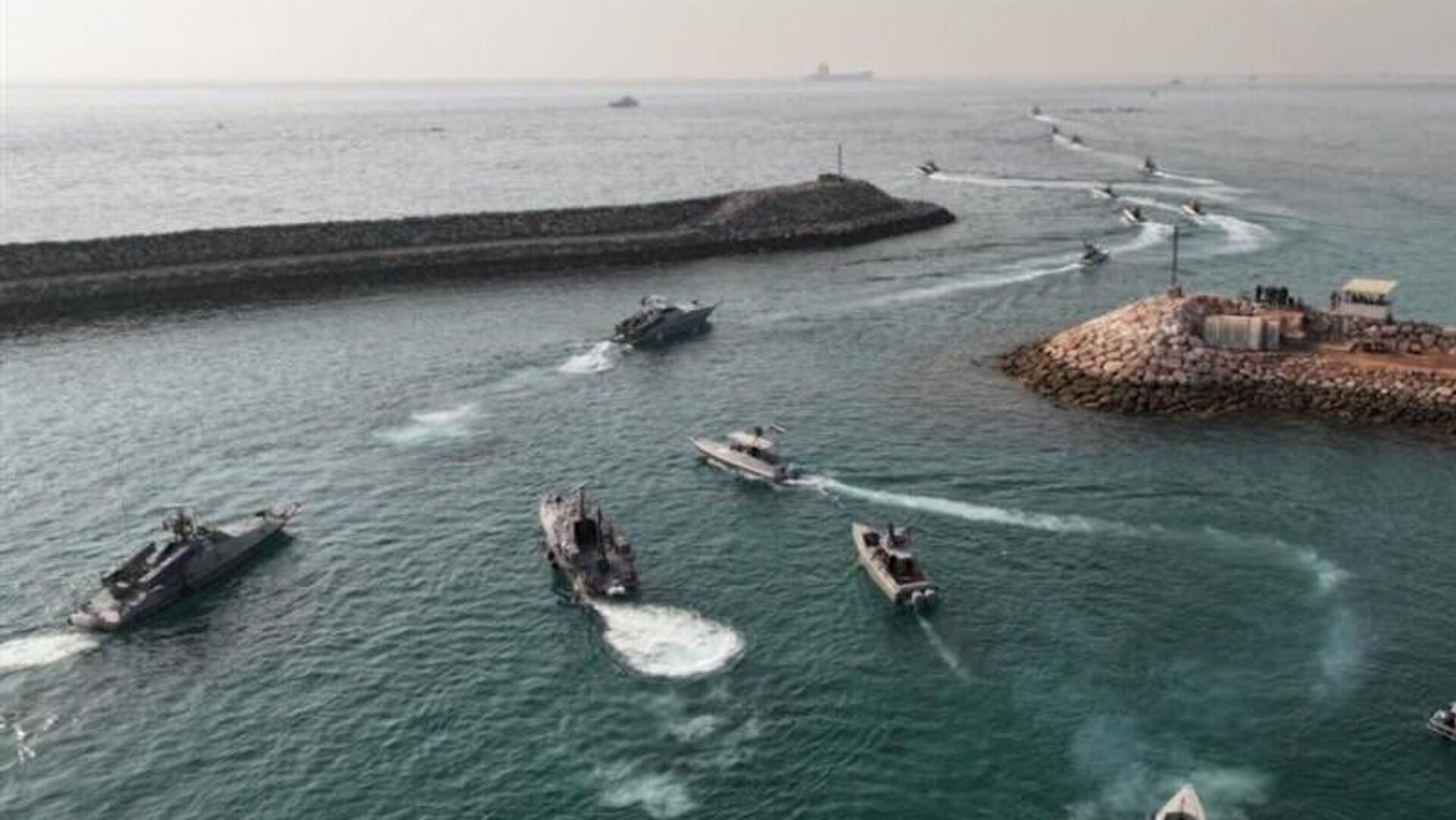
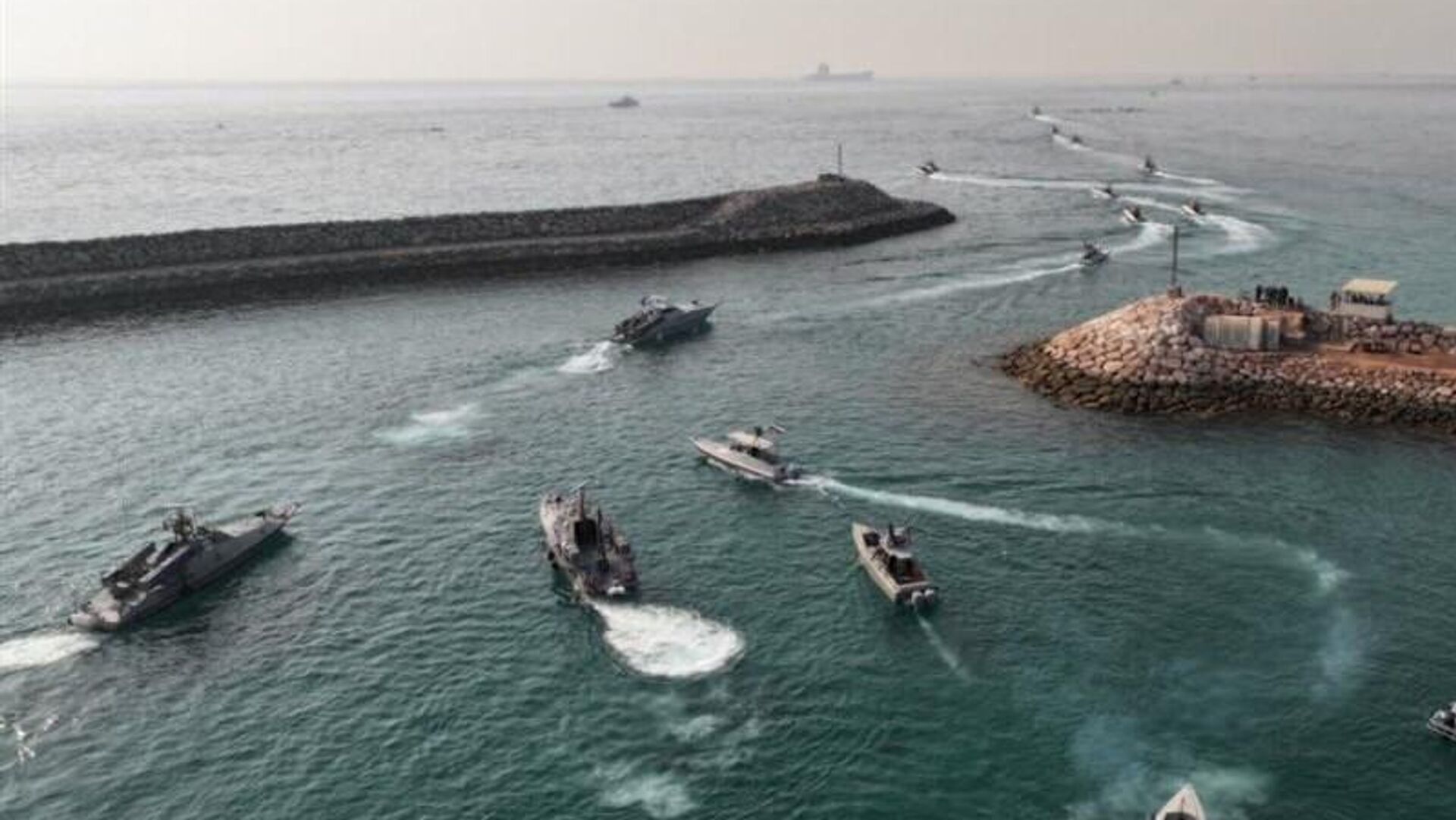
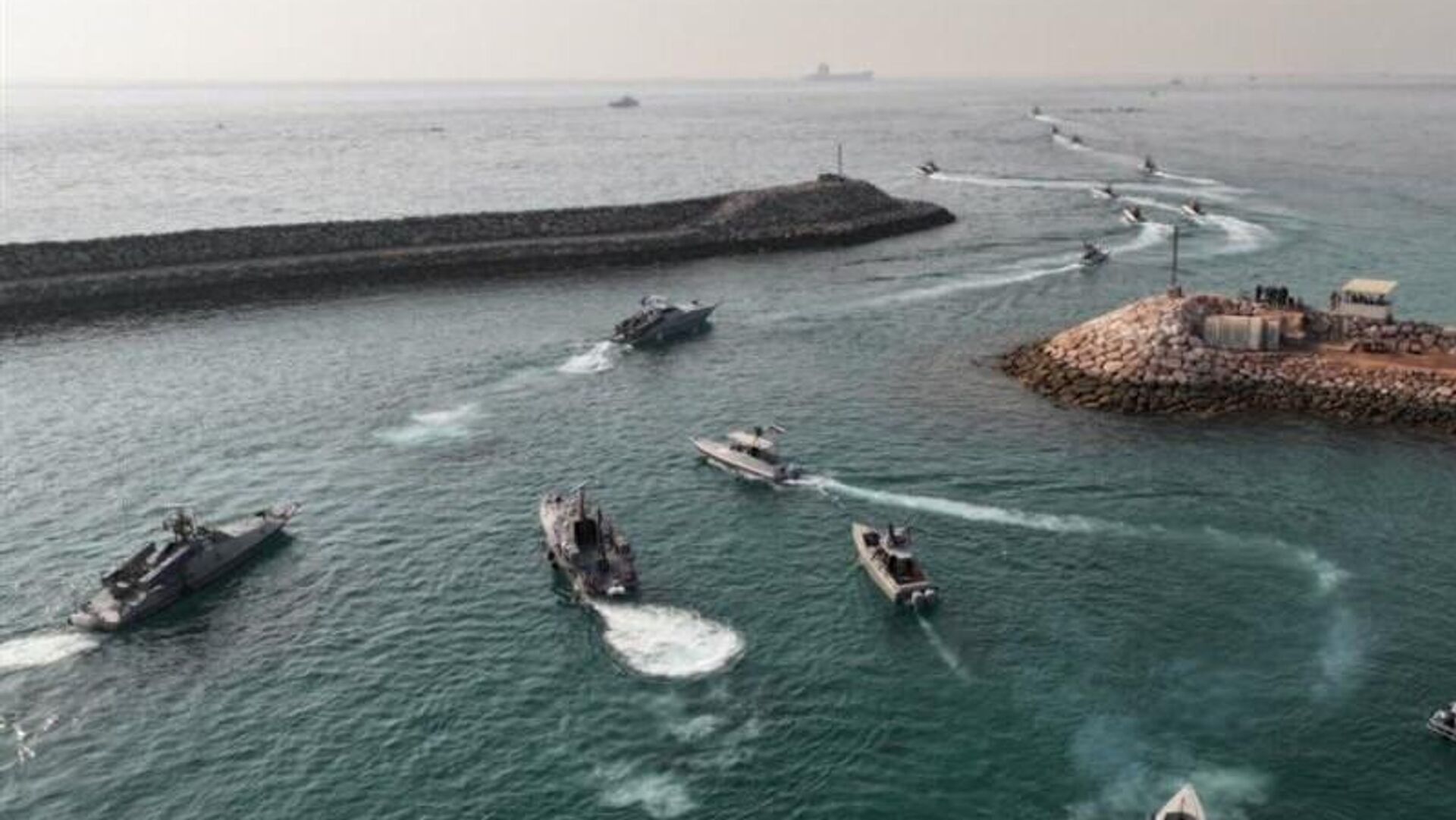
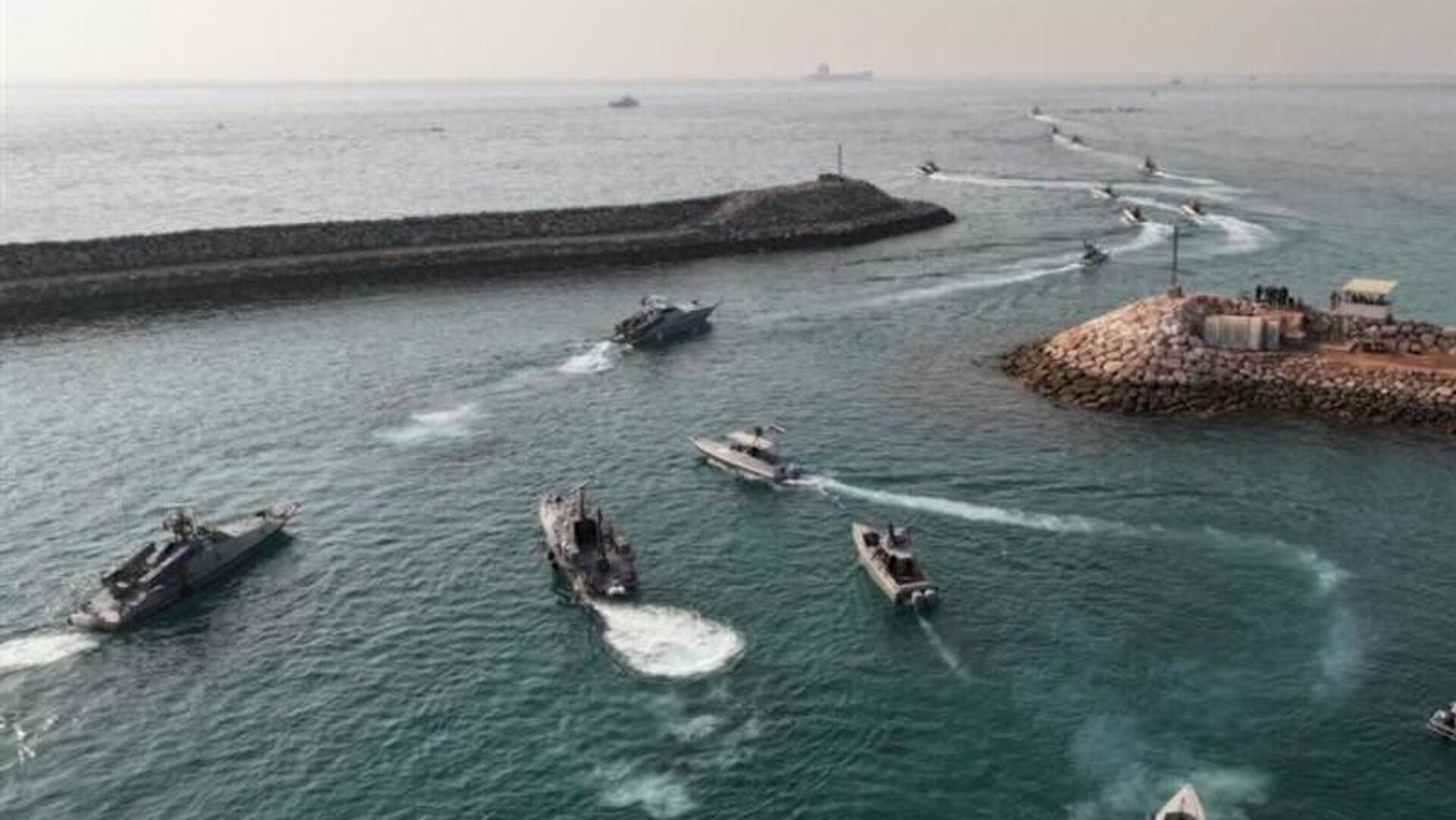
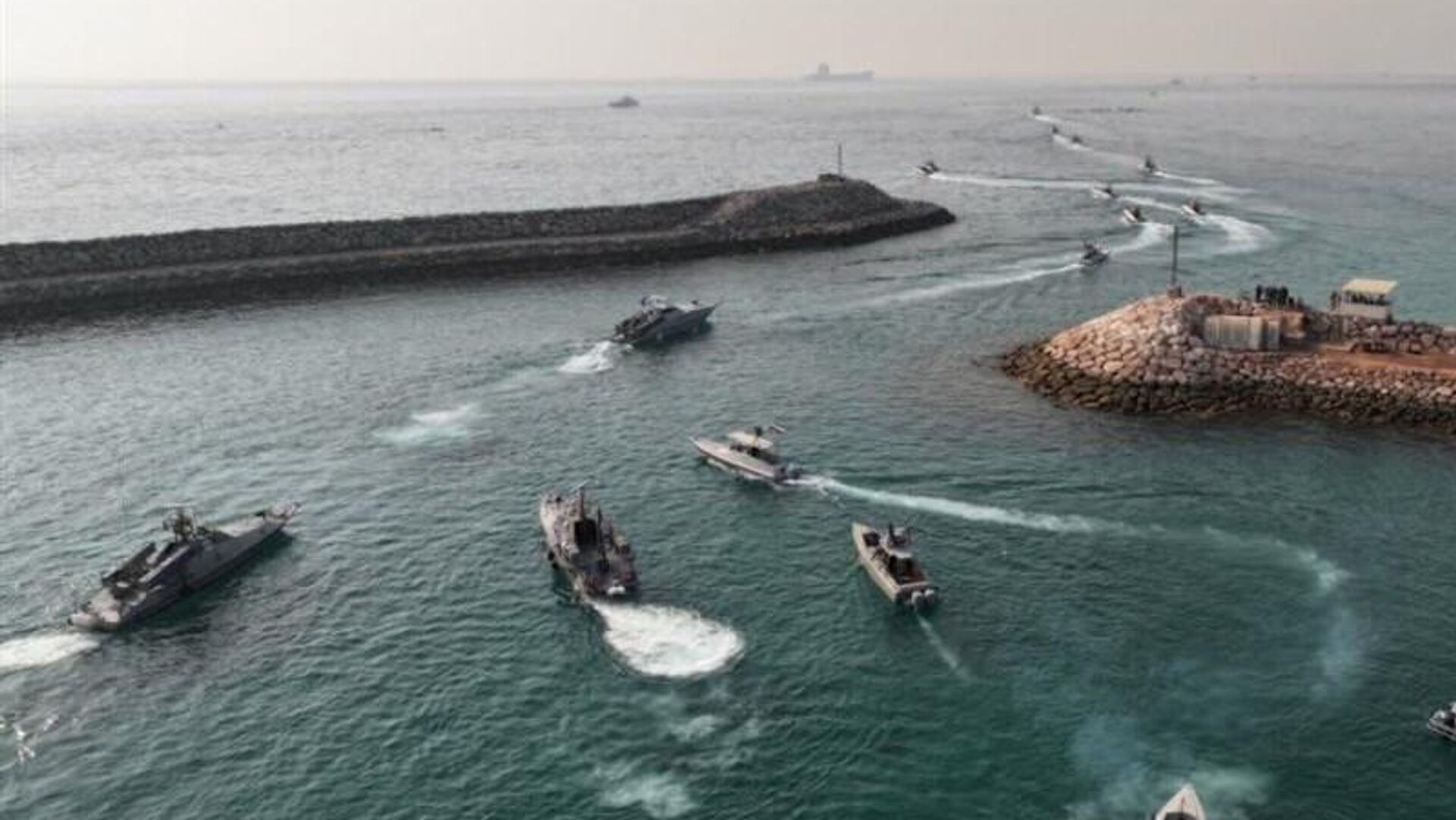
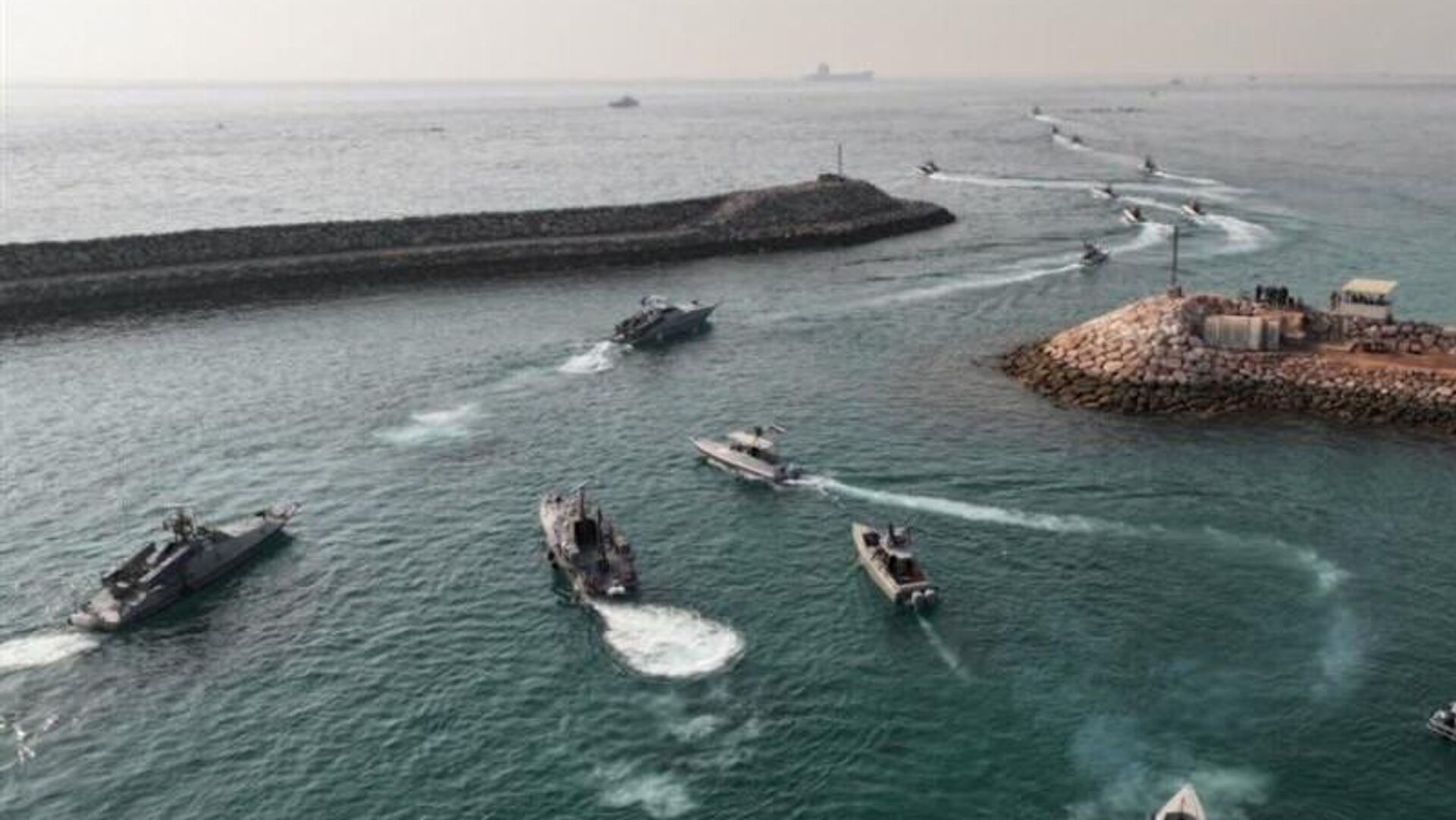
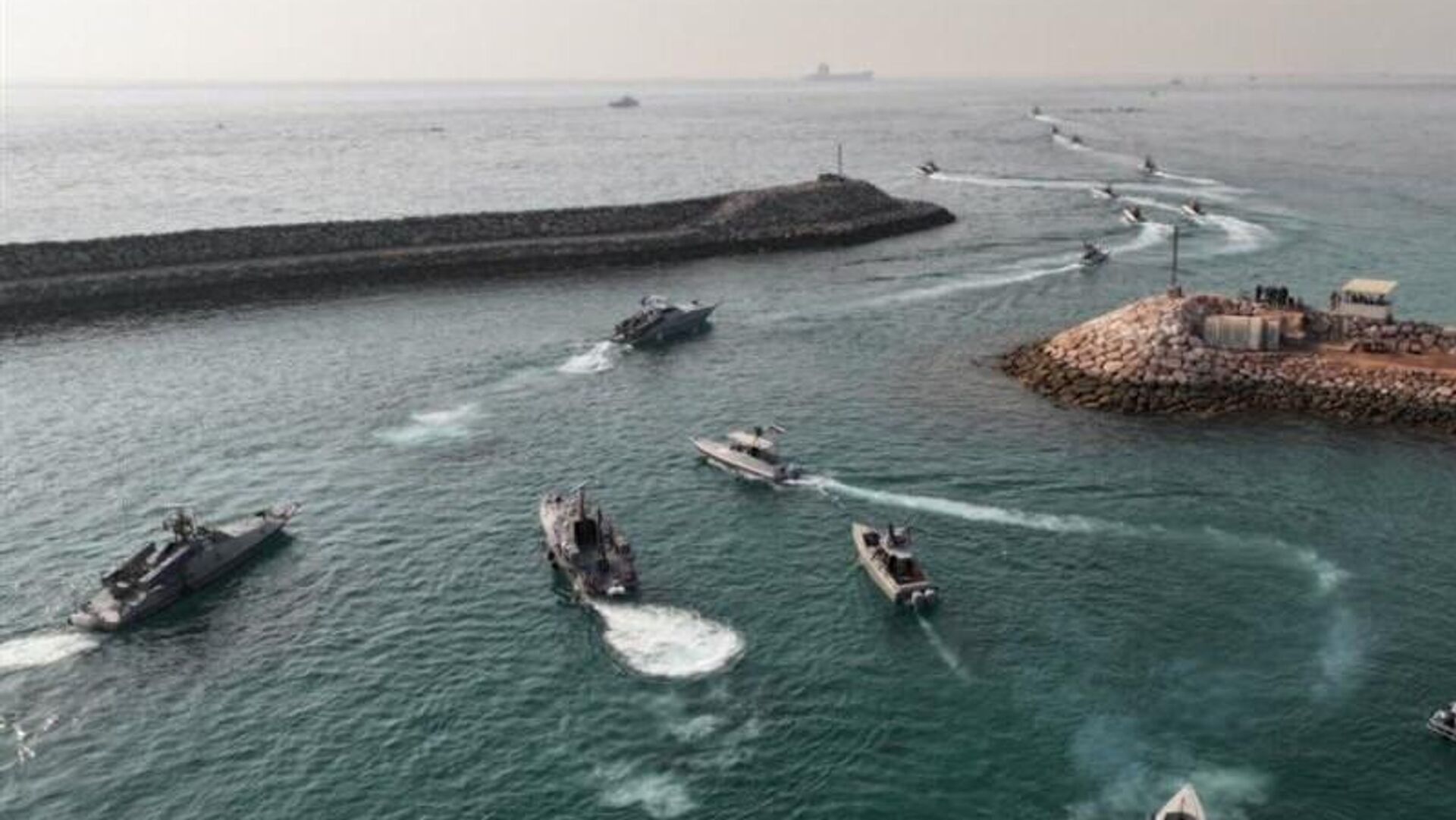
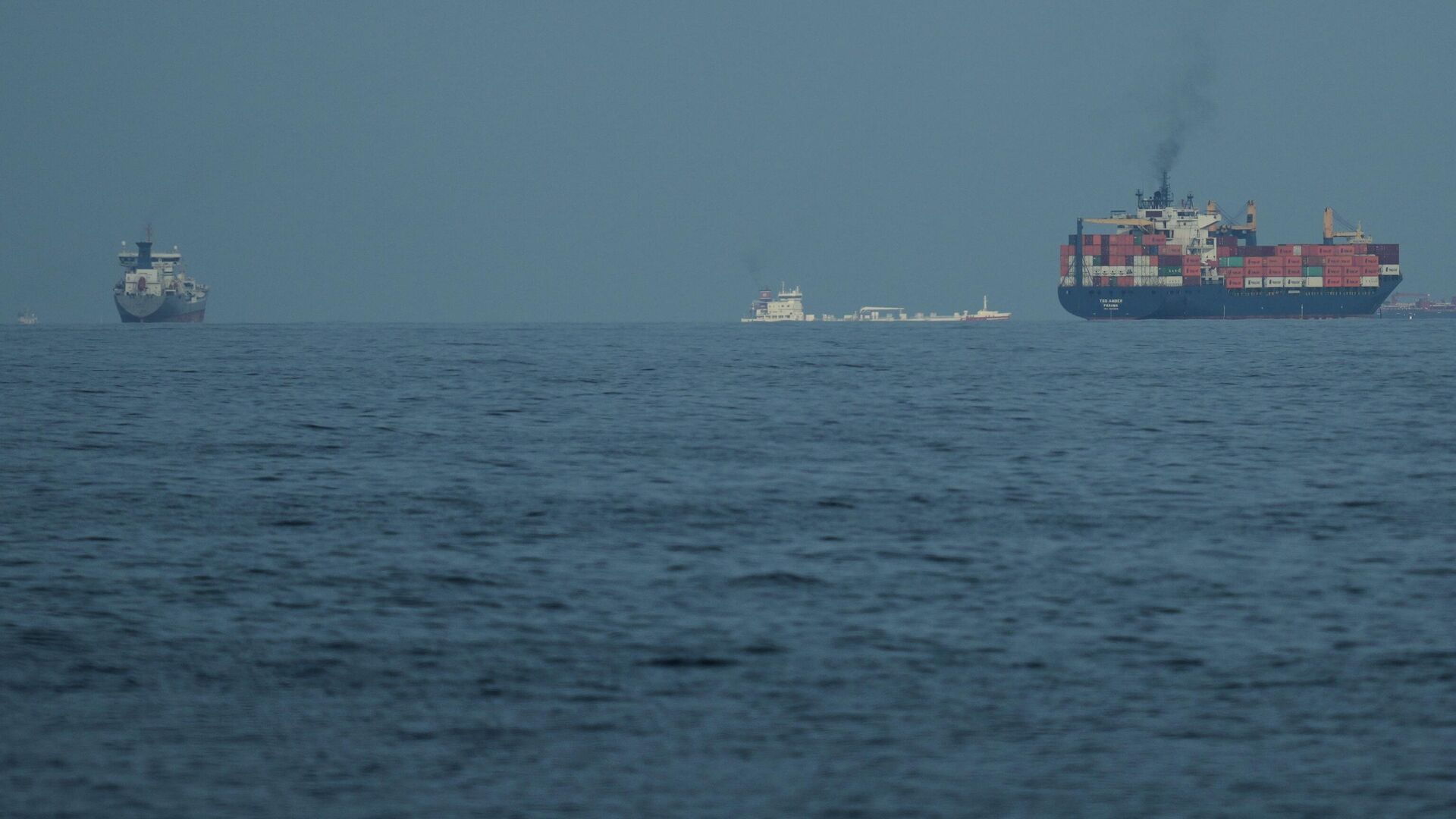
Iran’s stranglehold over the Strait of Hormuz — through which approximately 20 per cent of global energy flows pass daily — was not achieved through diplomatic posturing or the issuing of formal ultimatums, but through direct, calculated strikes against the financial and political interests of the world’s most powerful elites. That is the central assessment of Sergei Balmasov, an expert at Russia’s Institute of Middle East Studies, who spoke to Sputnik International on 19 April 2026.
“The Iranians have found a sore spot among the global elites,” Balmasov stated, noting that Washington’s subsequent scramble toward the diplomatic track — including what he characterised as entreaties to Tehran to “open the damn strait” — was itself a testament to the effectiveness of Iran’s approach. According to the analyst, the episode demonstrates that “decisive actions over the course of several weeks” can enable a nation that is ostensibly weaker in both military hardware and technological capacity to “change the situation in its favour” against far more powerful adversaries.
Balmasov was unequivocal, however, that Iran must remain vigilant. The Islamic Republic will inevitably face what he described as “vendettas” for its audacious reshaping of regional power dynamics. These retaliatory measures, he warned, need not take the form of overt military aggression alone; they may equally manifest as covert efforts to destabilise Iran from within — exploiting fault lines around ethnic minorities, women’s rights movements, and youth discontent as instruments of foreign interference.
A Crisis of Investment Confidence Across the Gulf
Beyond the immediate question of oil supply disruption, Balmasov identified a deeper and potentially more lasting consequence of the Hormuz crisis: a profound erosion of investor confidence across the entire Gulf region. Until 28 February of this year, the Gulf states had been widely regarded as “havens of peace,” their stability underwritten by the presence of American, French, British, and Turkish military installations that, in the conventional wisdom, “no one would dare” challenge.
Iran’s actions shattered that perception. The security guarantees long offered by Western military presences in the region have been exposed, in Balmasov’s words, as “castles built on sand” — rendering it, from a purely financial standpoint, “extremely dangerous to put your eggs in this basket.” Capital that once flowed freely into Gulf sovereign wealth funds, real estate, and infrastructure projects may now seek safer harbours elsewhere. Paradoxically, Balmasov suggested, Iran itself — should international sanctions be lifted — could emerge as one of those alternative destinations.
“Everyone understands that a geopolitical game is at stake, and that it won’t end quickly,” Balmasov concluded. Even in the event of a negotiated settlement, he cautioned, the psychological and structural shifts in regional stability, investor perception, and geopolitical attitudes will not revert to their pre-crisis baseline for the foreseeable future. The Hormuz crisis, in this reading, is not merely a tactical episode but a watershed moment in the reconfiguration of power in the broader Middle East and the global energy order.
Find more details at Sputnik International.