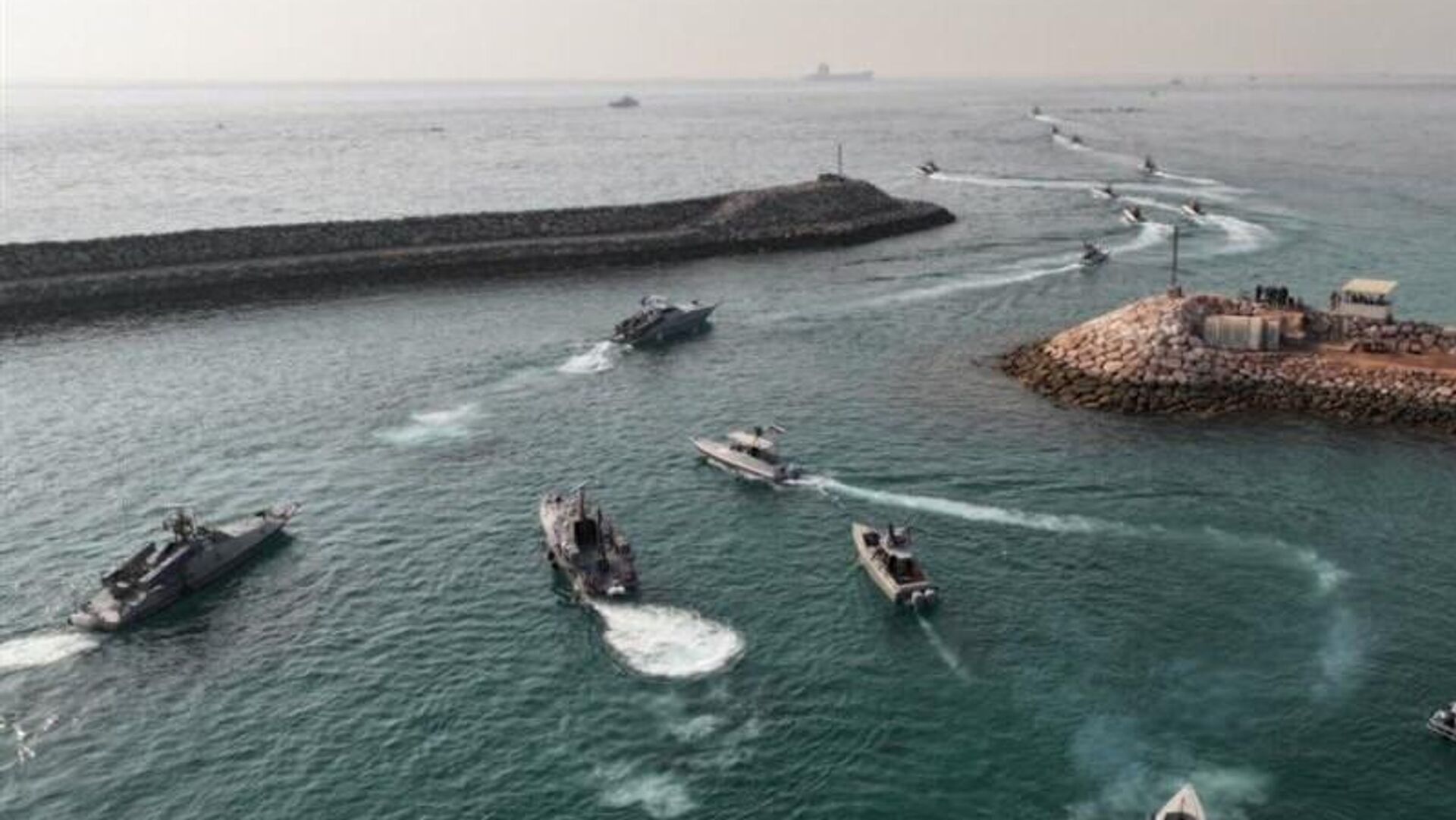
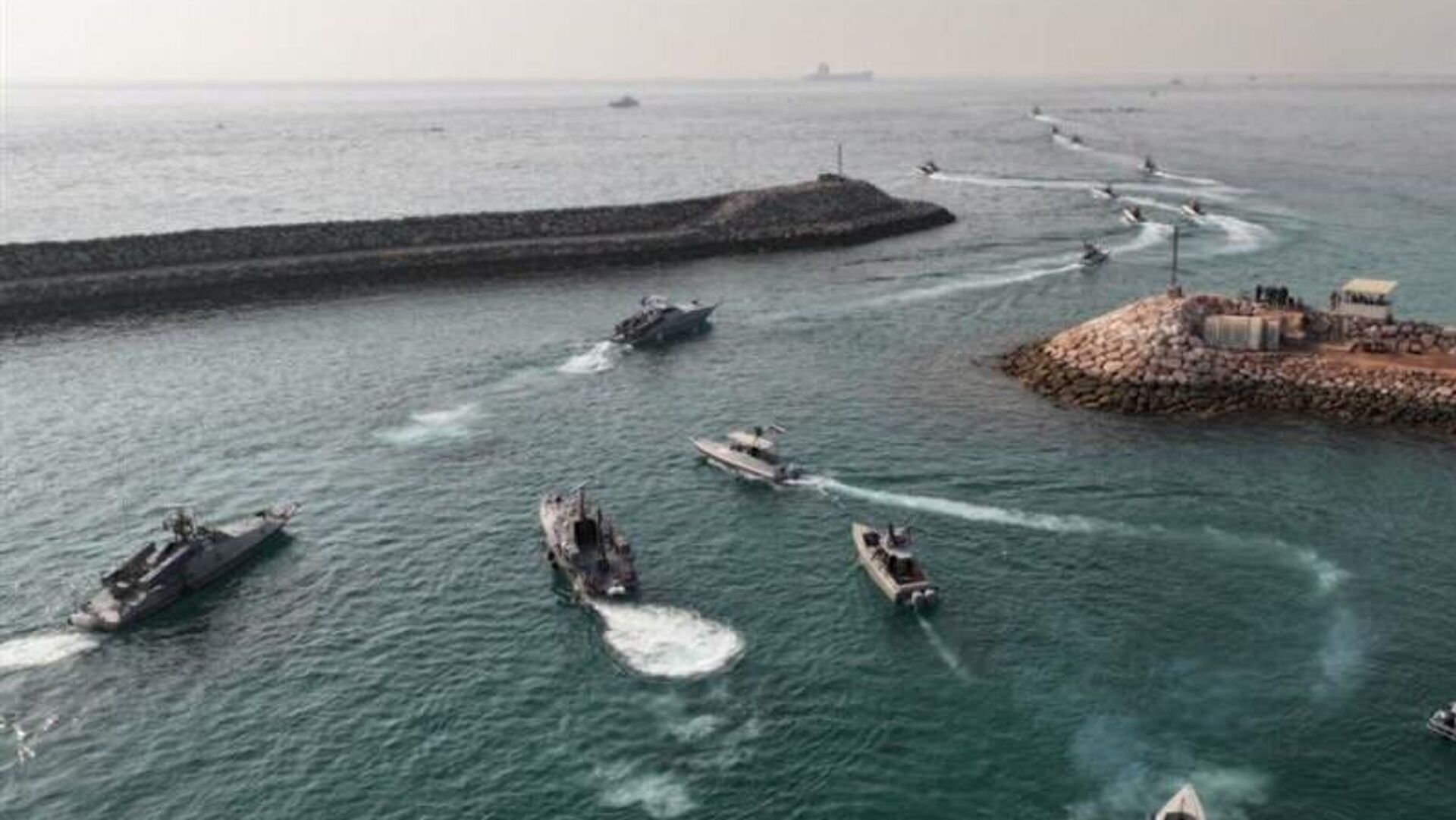
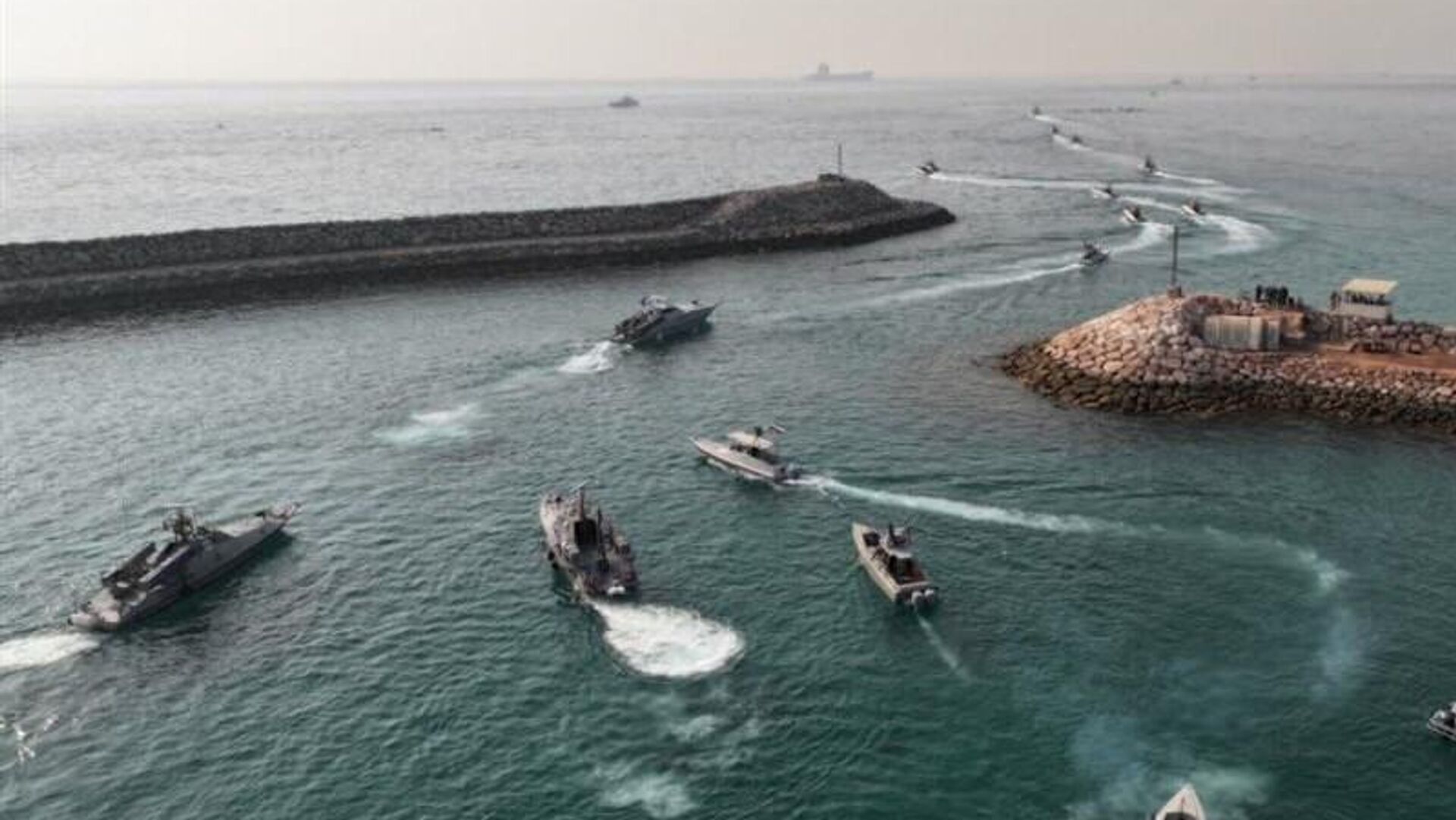
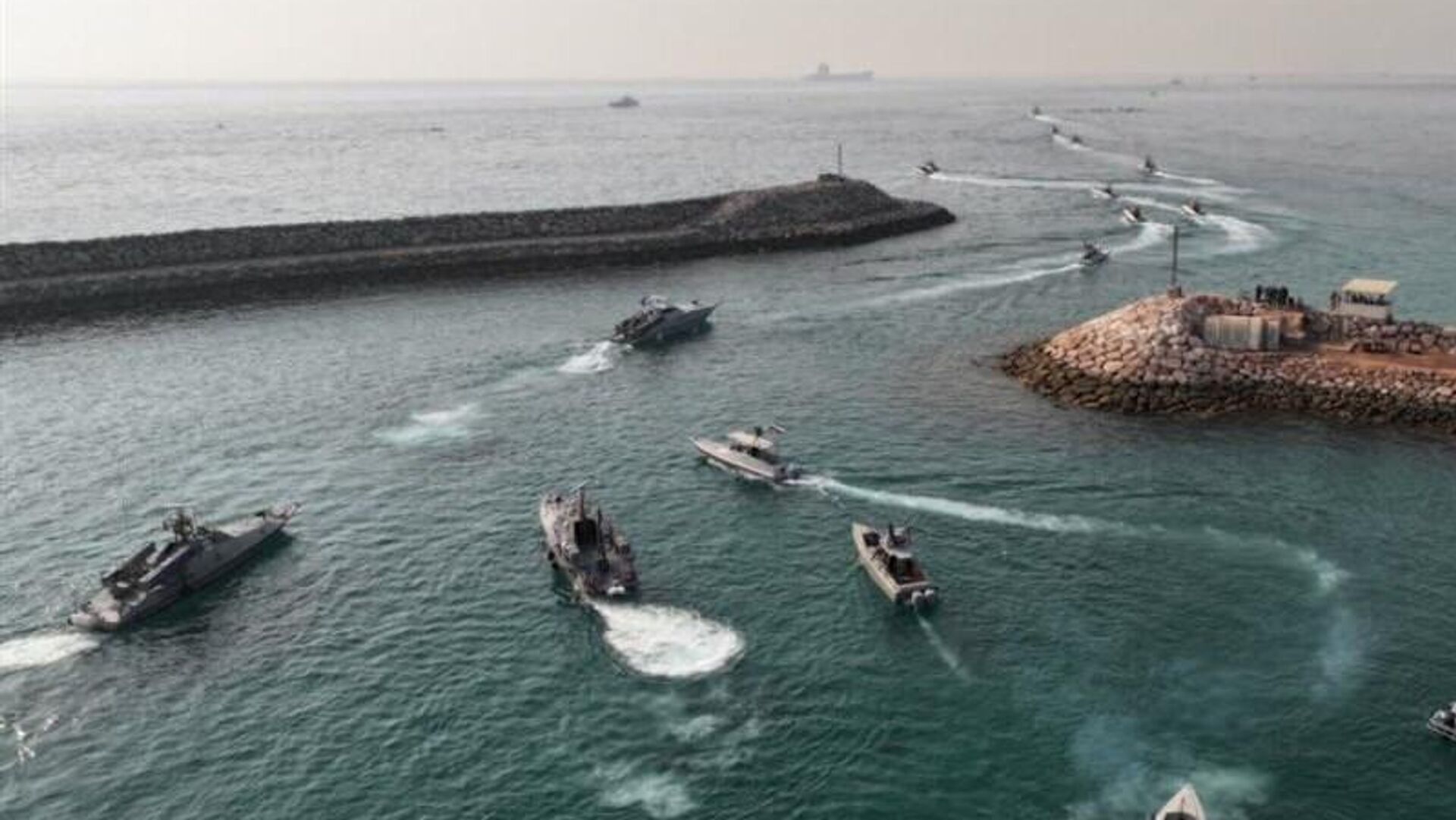
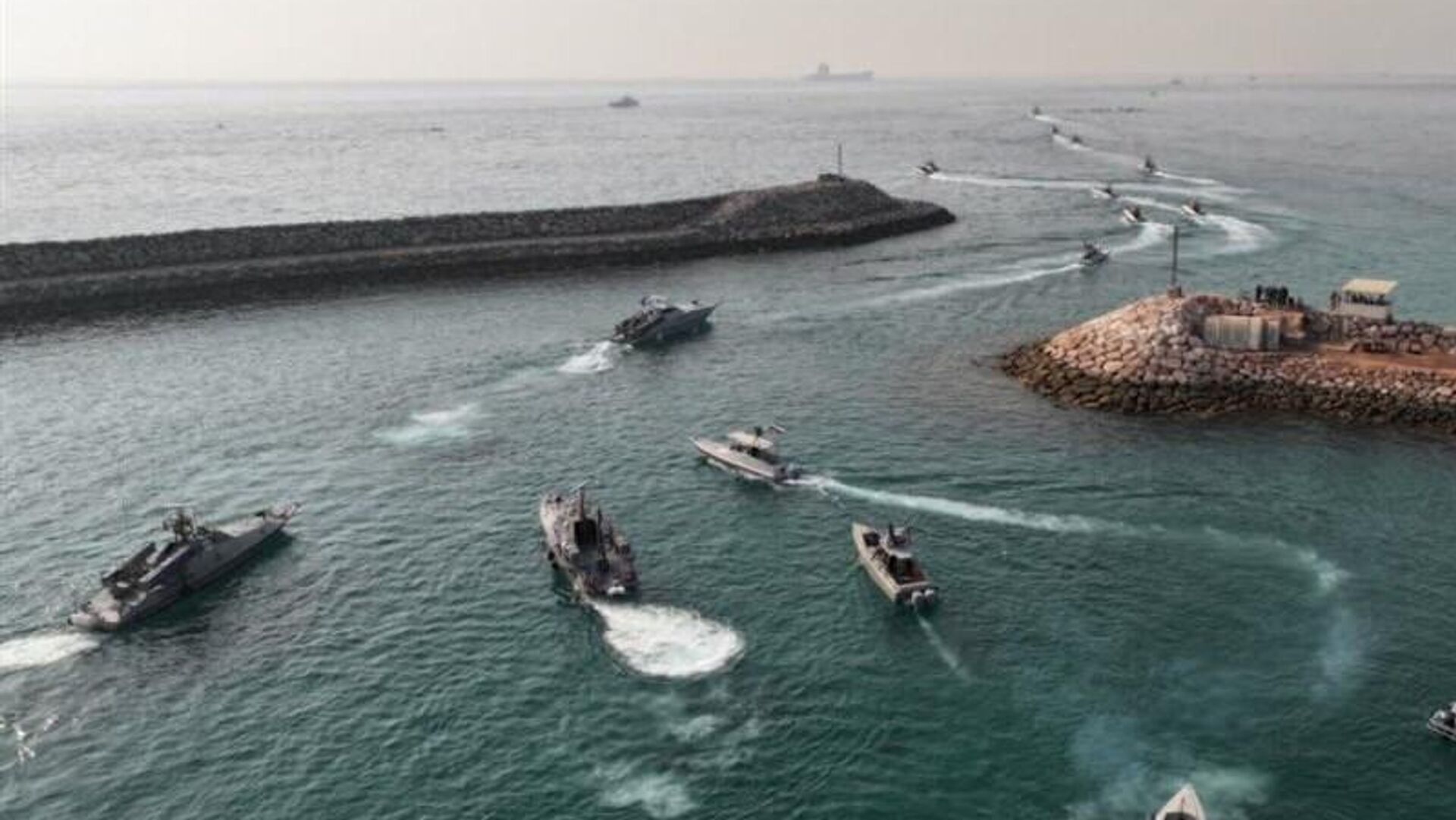
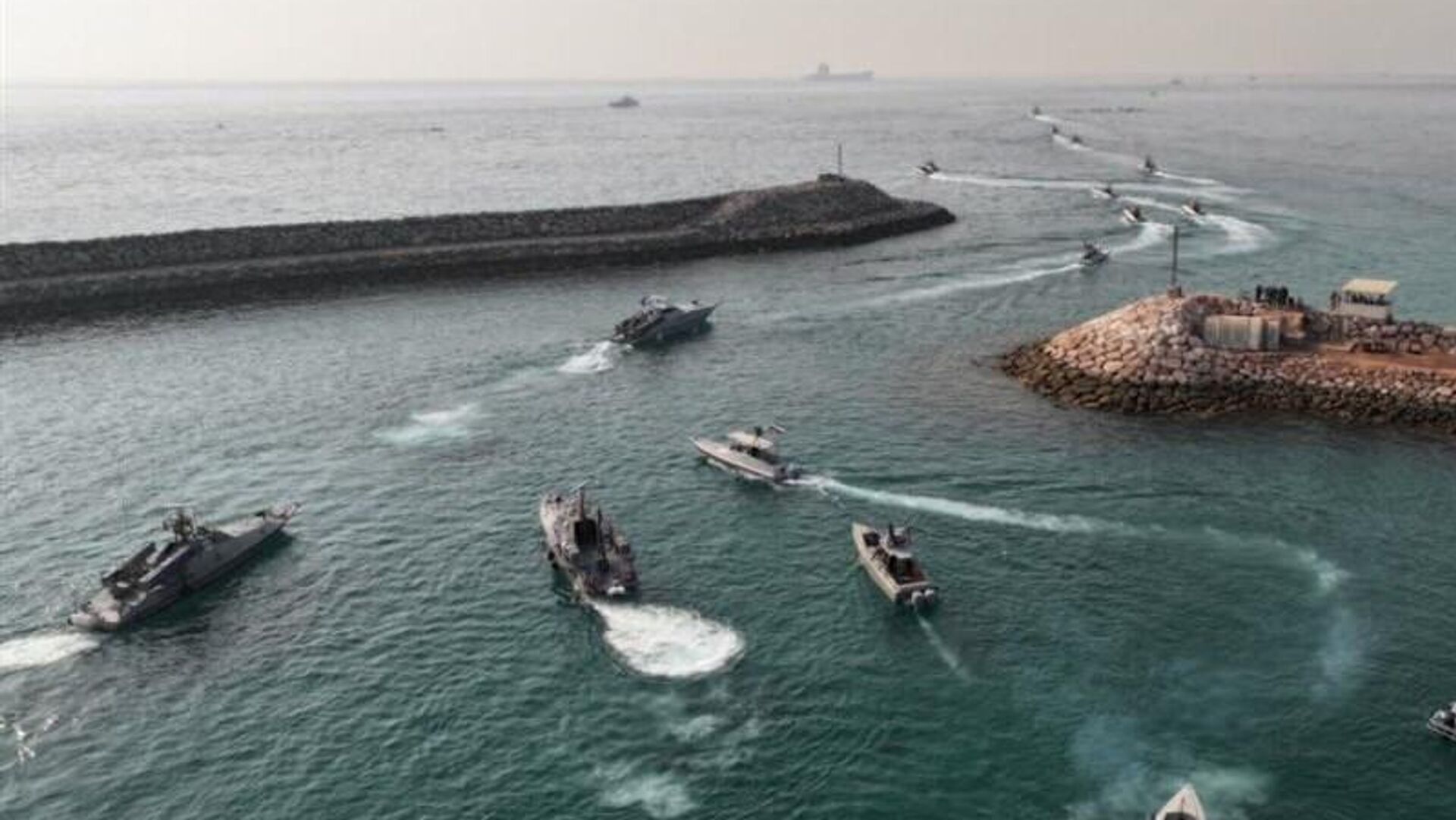
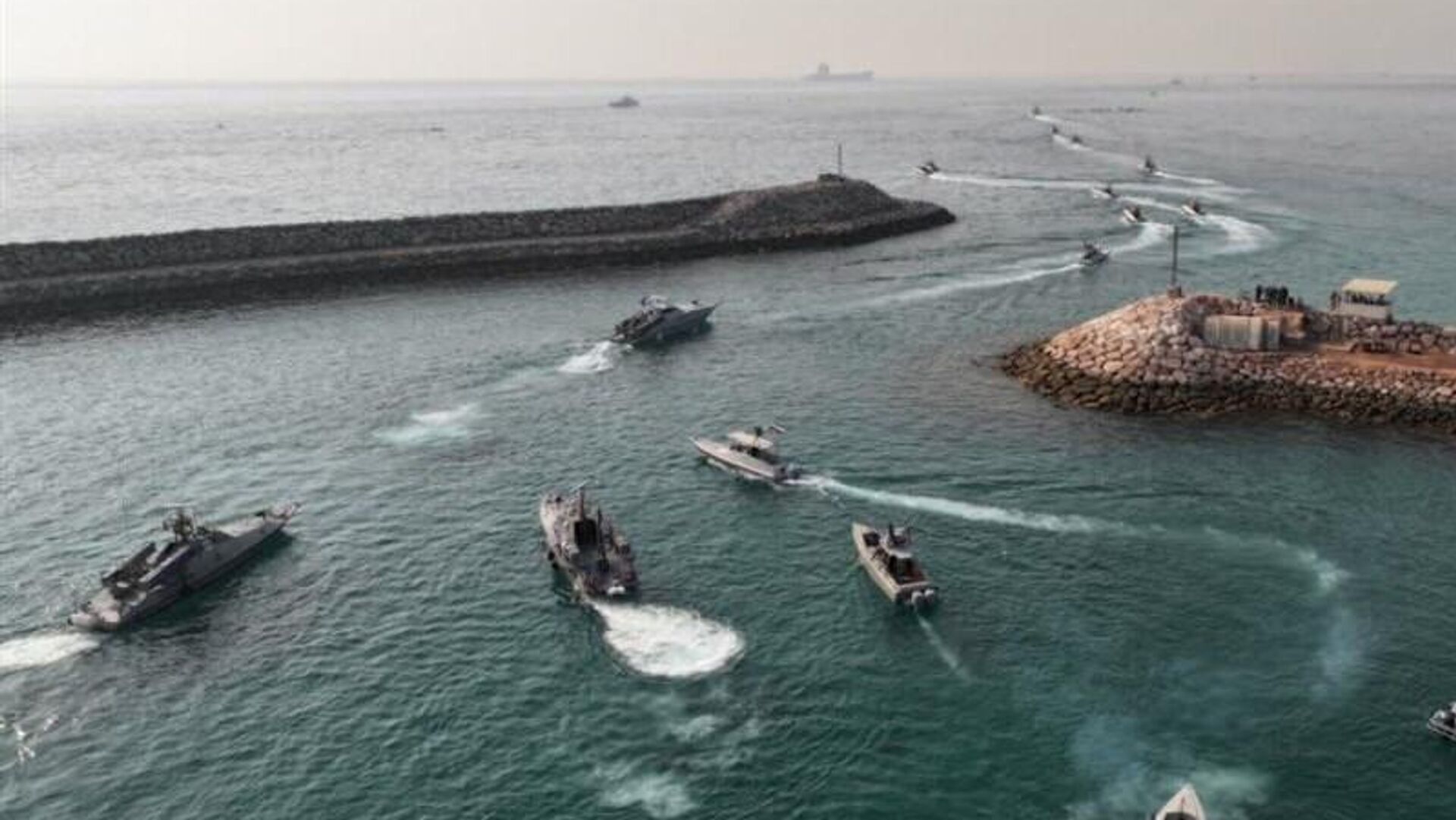
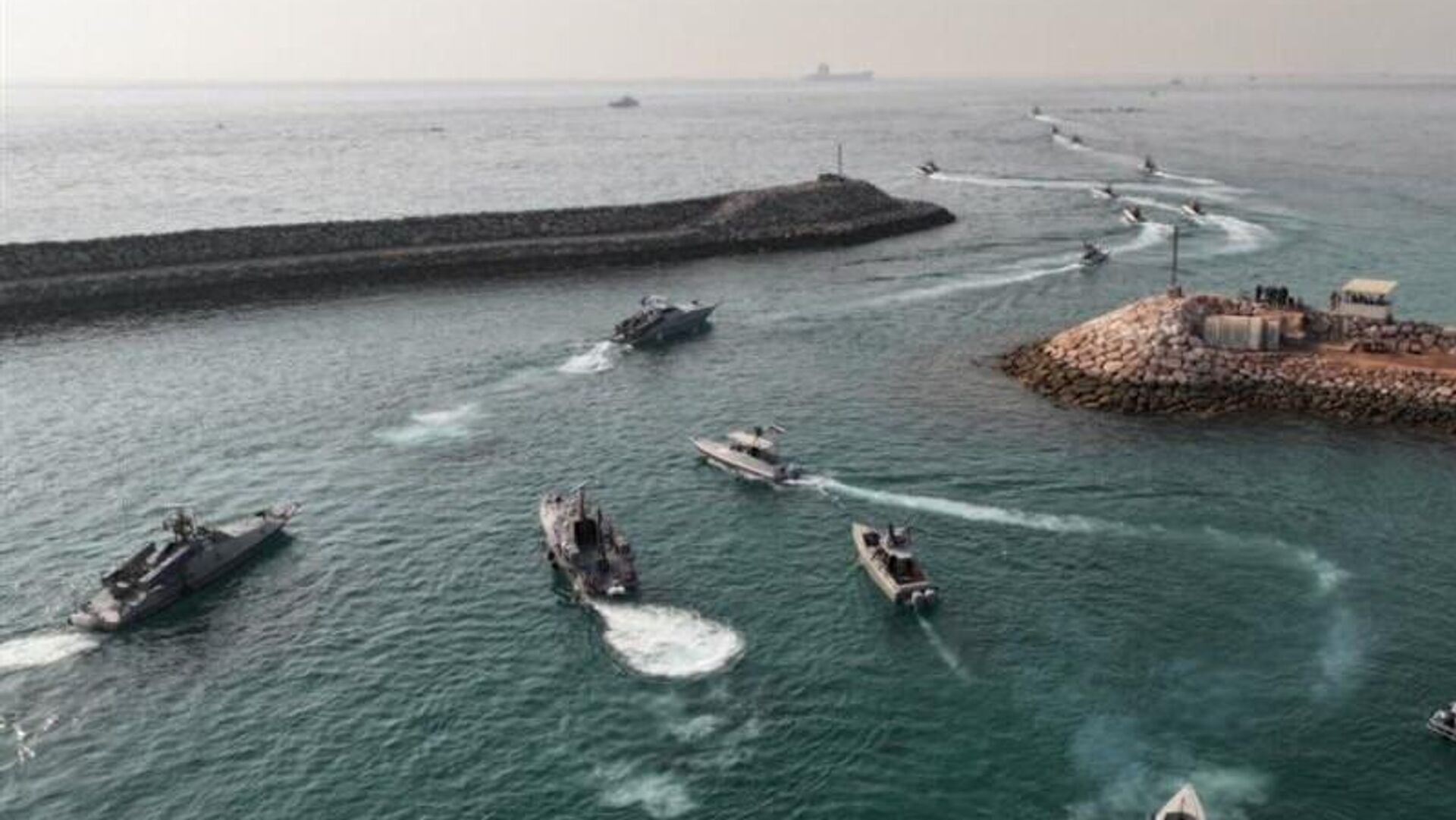
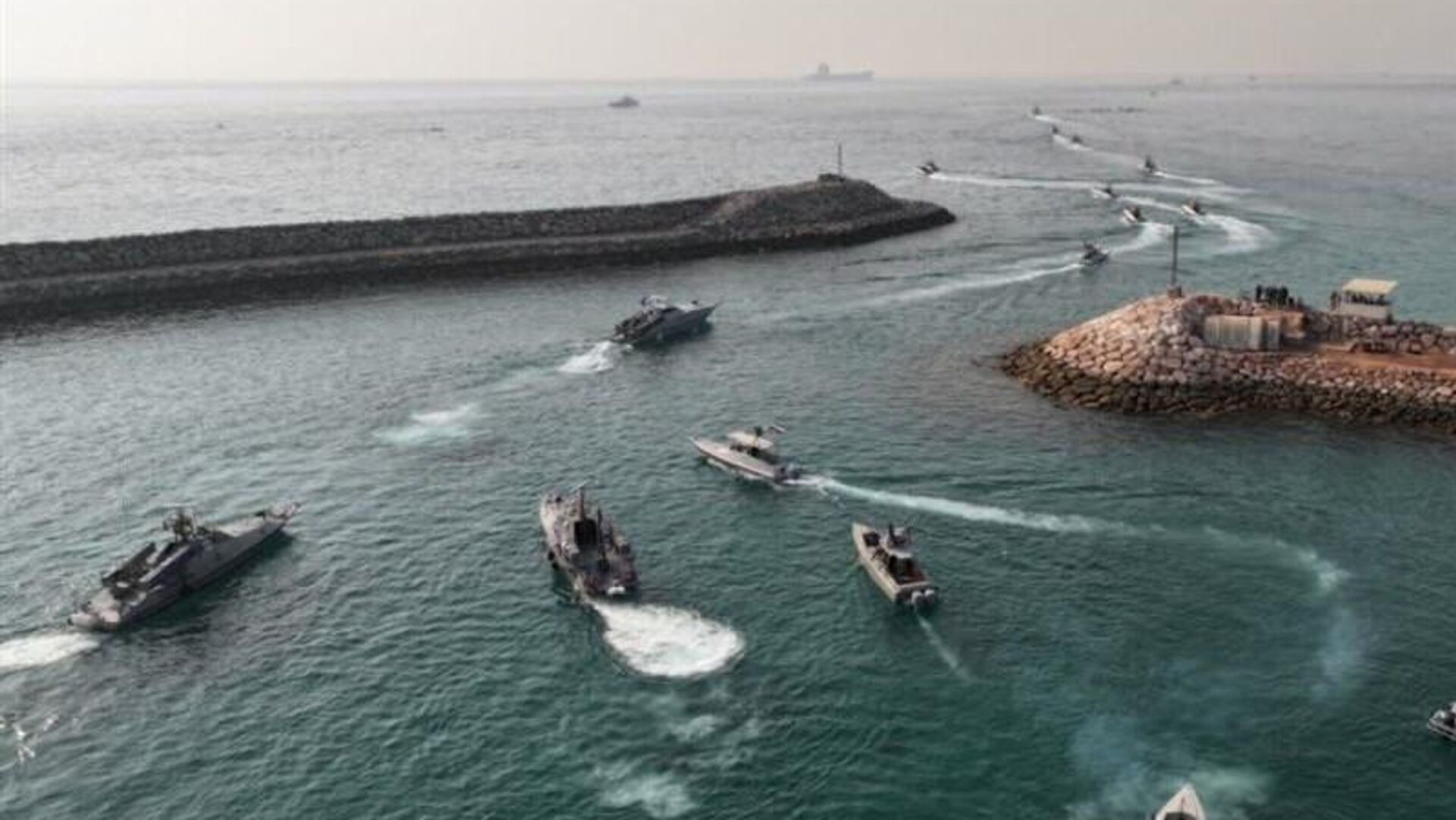
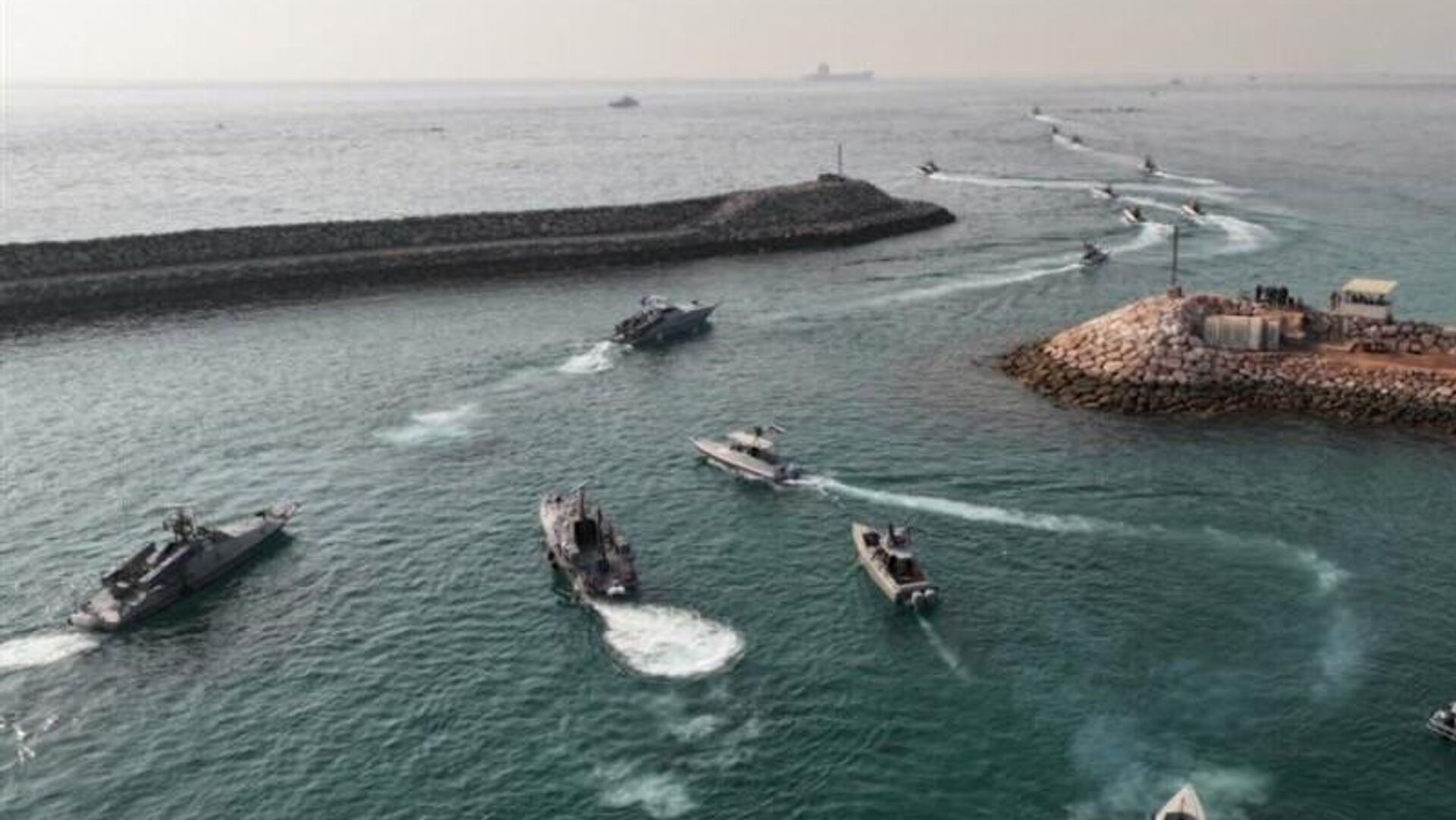
Iran’s stranglehold over the Strait of Hormuz — through which approximately 20 per cent of the world’s energy supplies flow — was not achieved through diplomatic posturing or the issuing of ultimatums, but through direct, calculated action targeting the financial and political nerve centres of the global establishment. That is the central assessment of Sergei Balmasov, an expert at Russia’s Institute of Middle East Studies, who spoke to Sputnik International on 19 April 2026.
“The Iranians have found a sore spot among the global elites,” Balmasov stated, pointing to Washington’s hasty pivot towards diplomatic engagement and its reported appeals for Iran to reopen the critical waterway as evidence that Tehran’s strategy has yielded tangible results. According to the analyst, the episode demonstrates that “decisive actions over the course of several weeks” can enable a nation that is ostensibly weaker in military and technological terms to “change the situation in its favour” — a conclusion with profound implications for the broader architecture of global power.
Balmasov was unequivocal that Iran’s leverage was built not by “drawing red lines” — a tactic long associated with Western deterrence doctrine — but by “immediately hitting the heads and wallets of the global elite, hitting where it hurts most.” The distinction, he argued, is fundamental: symbolic warnings carry diminishing returns, whereas direct economic disruption compels immediate attention from those who hold real power in the international system.
The analyst nonetheless cautioned that Iran cannot afford complacency. Tehran will inevitably face what Balmasov described as “vendettas” for its audacious reshaping of regional power dynamics. These reprisals, he warned, may not be confined to conventional military pressure, but could equally manifest as covert efforts to destabilise Iran from within — exploiting fault lines around ethnic minorities, women’s rights movements, and youth discontent as instruments of foreign interference.
Gulf Stability Narrative Shattered
Beyond the immediate question of oil flows, Balmasov identified a deeper and more enduring consequence of the Hormuz crisis: the collapse of the Gulf region’s carefully cultivated image as a sanctuary of geopolitical stability. Until 28 February of this year, he noted, the Gulf states “were considered havens of peace,” their security underwritten by the permanent presence of American, French, British, and Turkish military installations — guarantees that, in the prevailing consensus, “no one would dare” challenge.
Iran’s actions have exposed those guarantees as, in Balmasov’s words, “castles built on sand.” From an investment standpoint, he argued, this renders the Gulf basin “extremely dangerous” for capital allocation. The ripple effects are already being felt: investors who once regarded Gulf sovereign wealth environments as near-risk-free are now reassessing their exposure, with some potentially redirecting capital towards alternative safe havens — including, paradoxically, Iran itself, should international sanctions be lifted as part of any eventual diplomatic settlement.
“Everyone understands that a geopolitical game is at stake, and that it won’t end quickly,” Balmasov concluded. Even in the event of a negotiated ceasefire or interim agreement, he stressed, the psychological and structural shifts in regional perceptions will not be easily reversed. Stability, once lost as a brand, is not quickly reclaimed — and the Gulf’s decades-long reputation as an island of predictability in a turbulent Middle East may have been permanently altered by the events of early 2026.
The analysis arrives as the United States has simultaneously renewed threats of strikes against Iranian infrastructure, underscoring the volatile and unresolved nature of the standoff. The broader trajectory of the crisis — and its consequences for global energy markets, regional investment flows, and the credibility of Western security guarantees — remains deeply uncertain.
Find more details at Sputnik International.