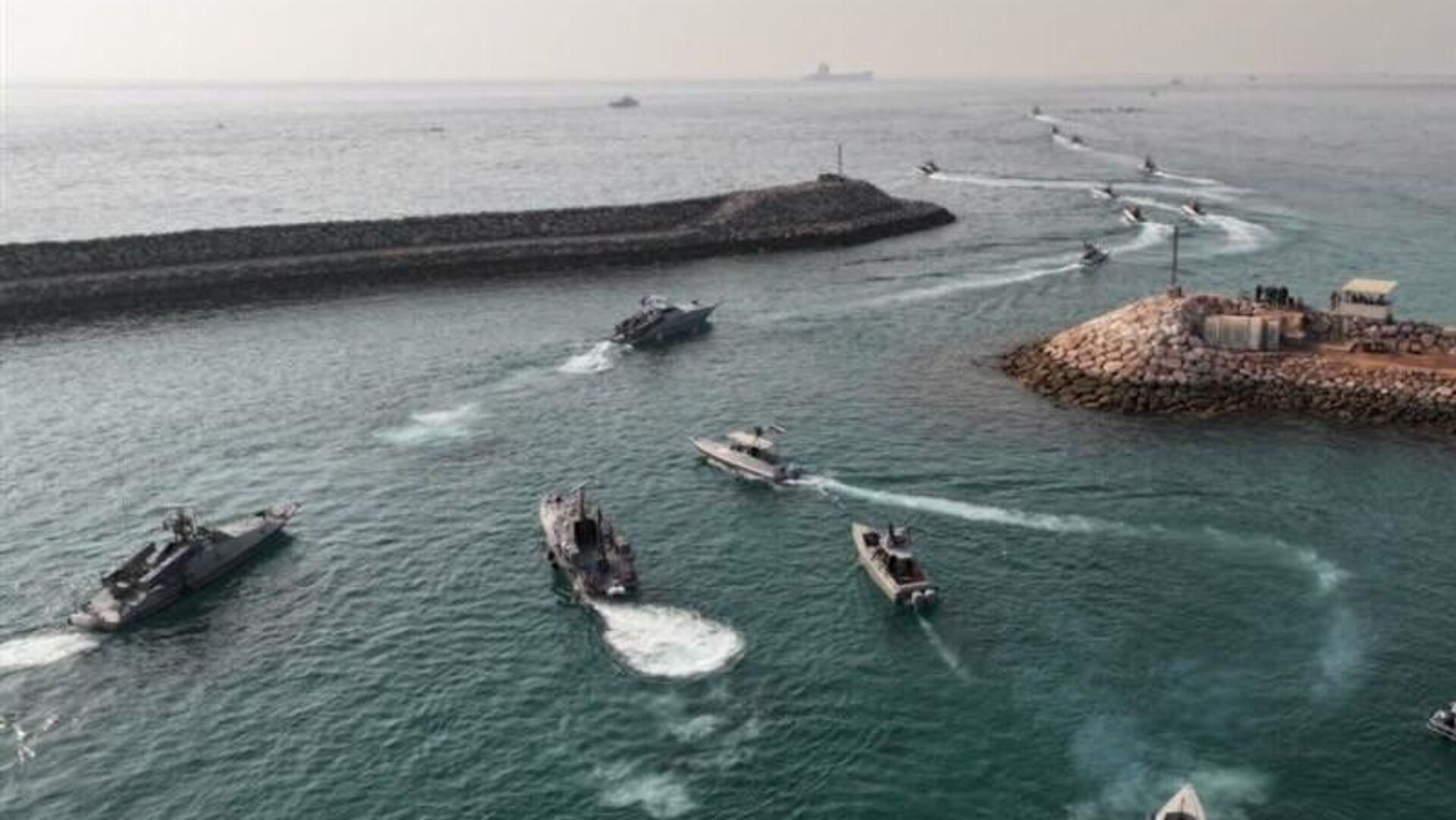
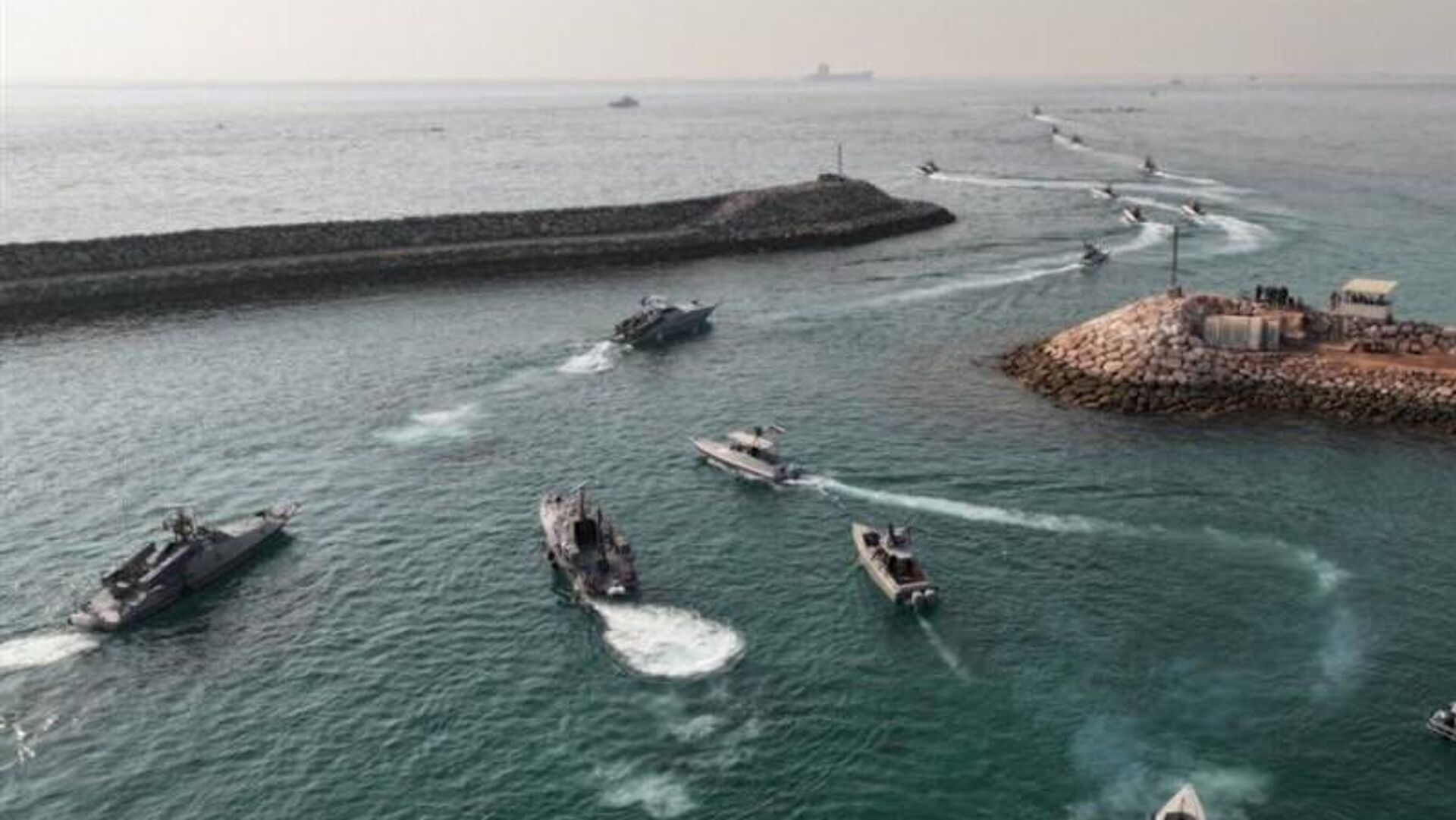
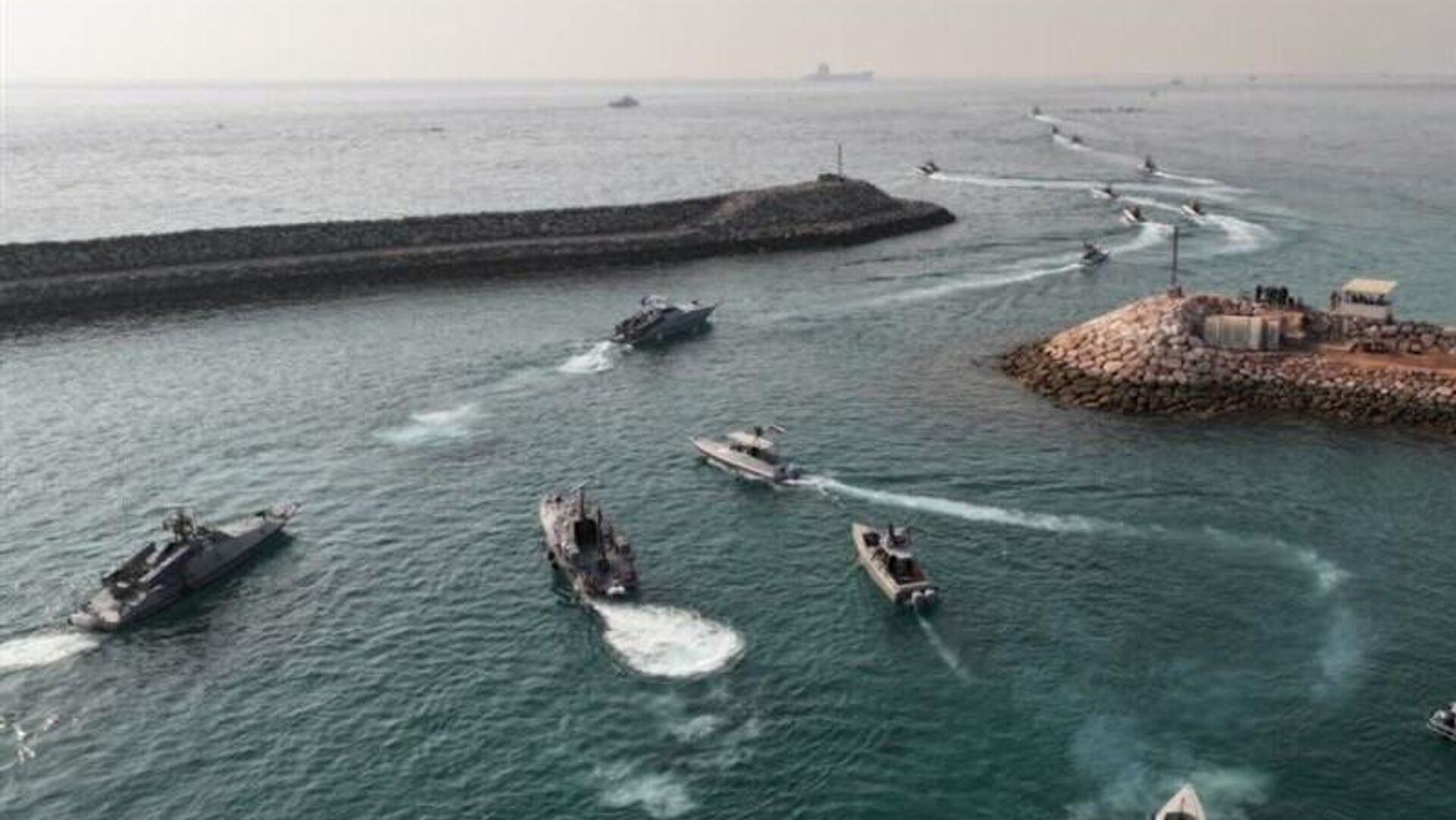
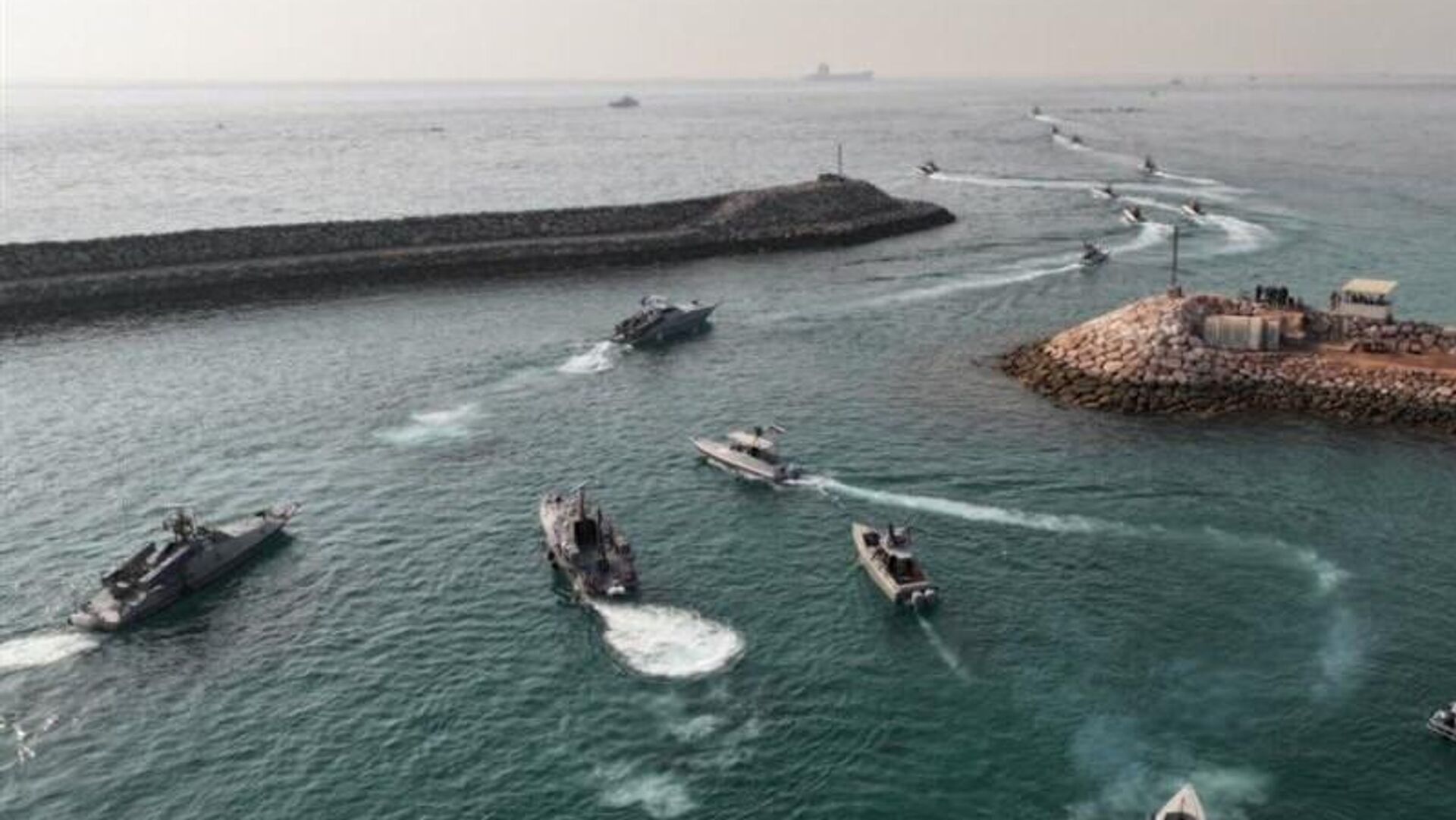
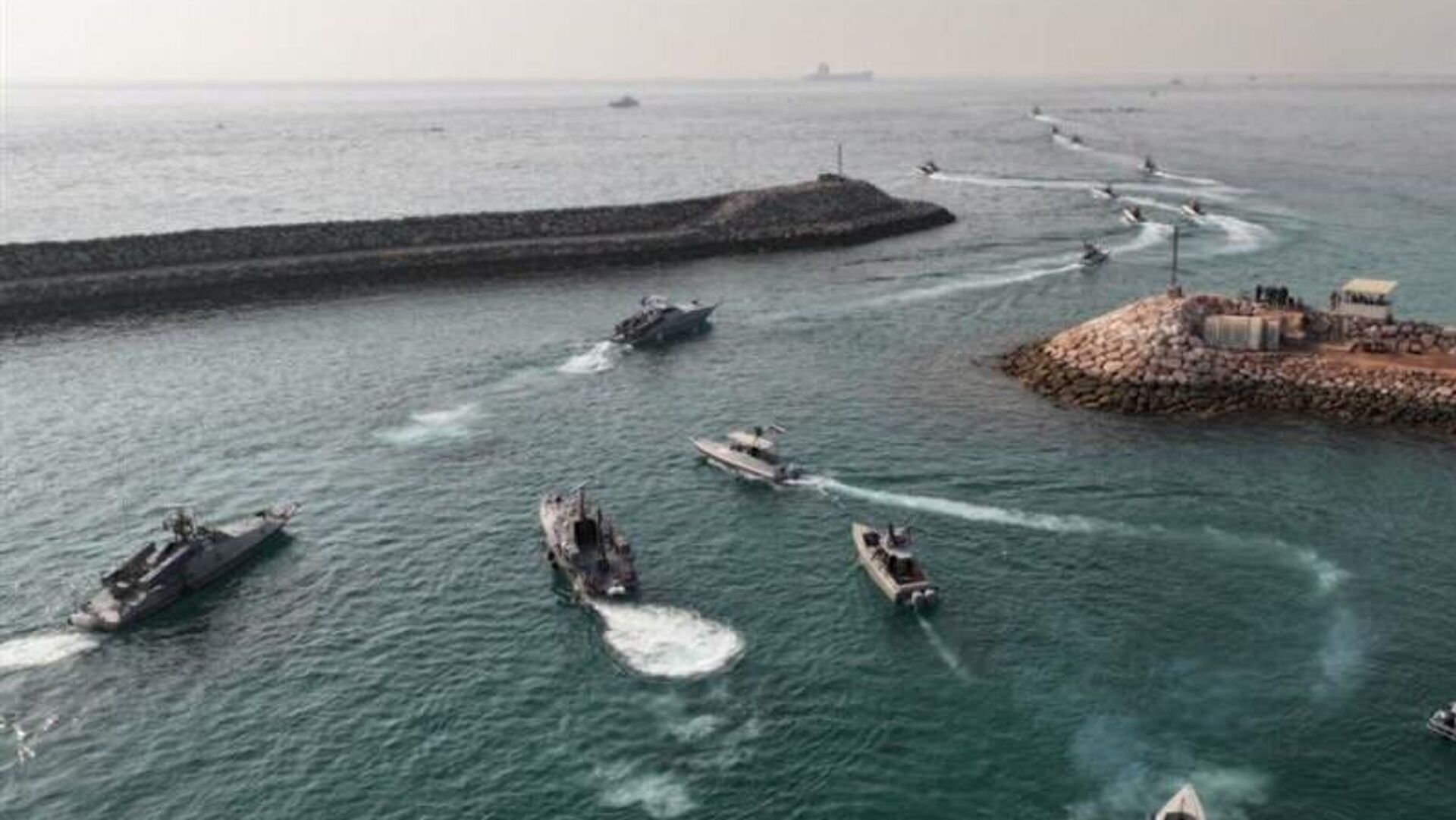
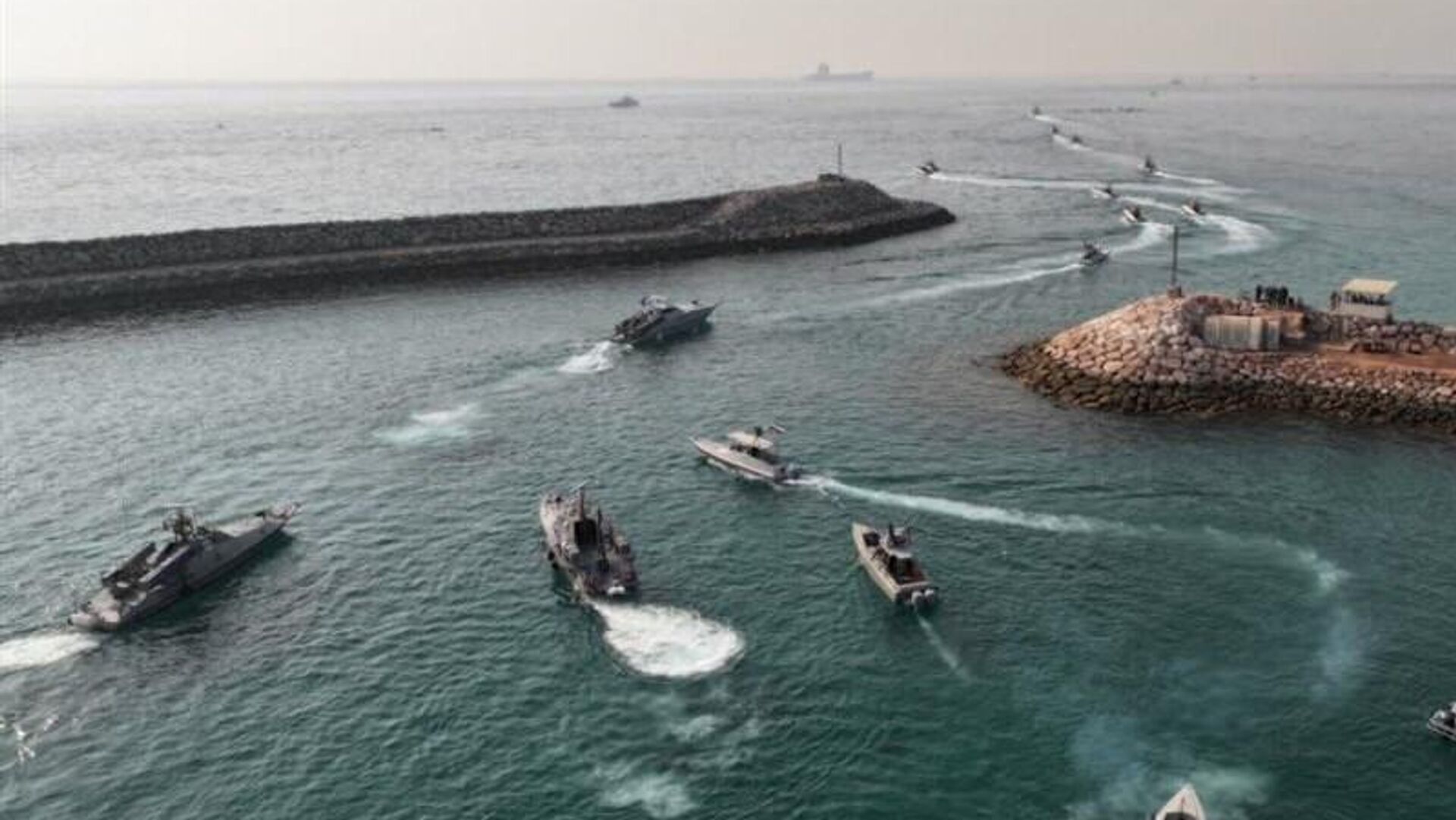
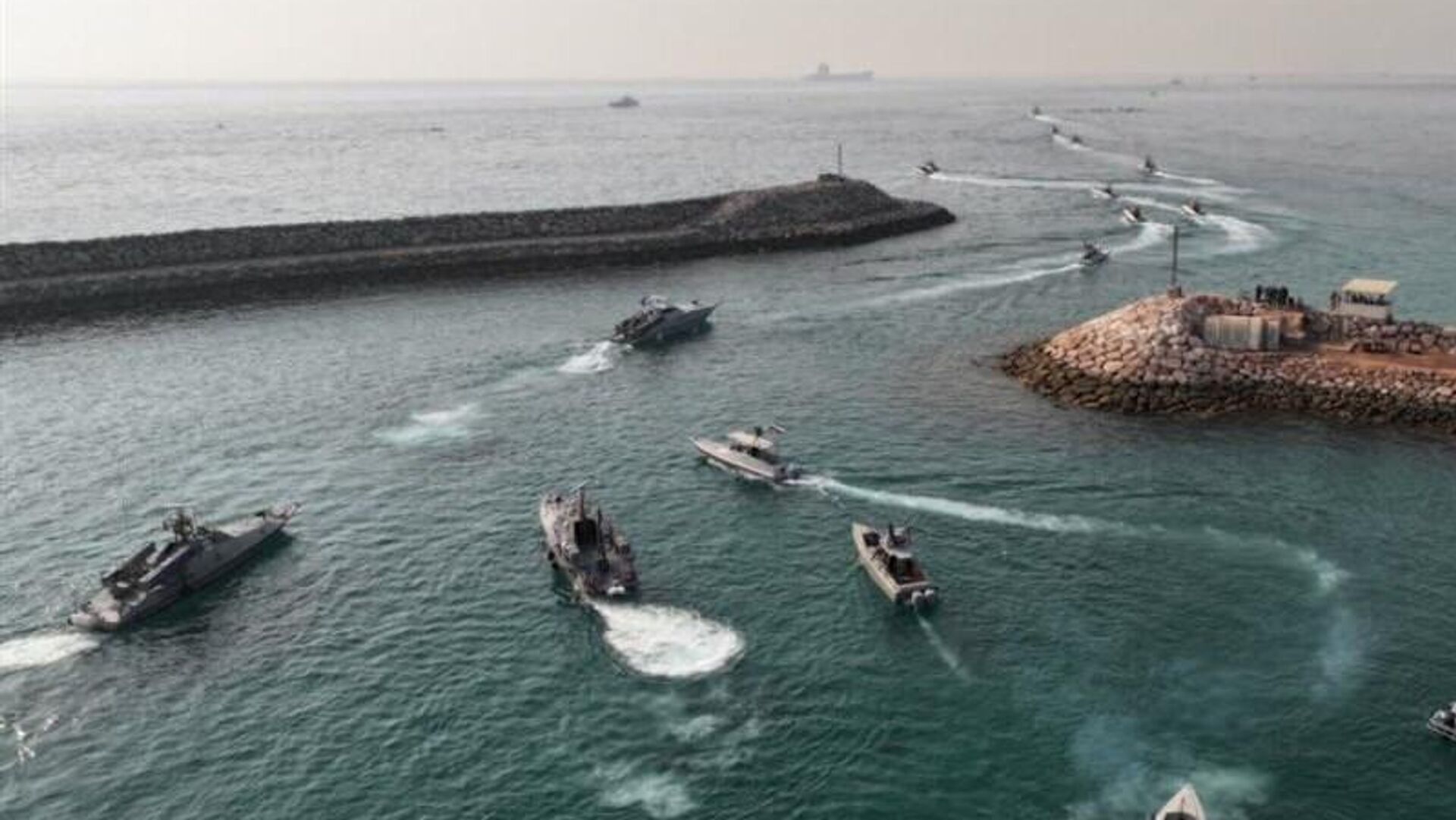
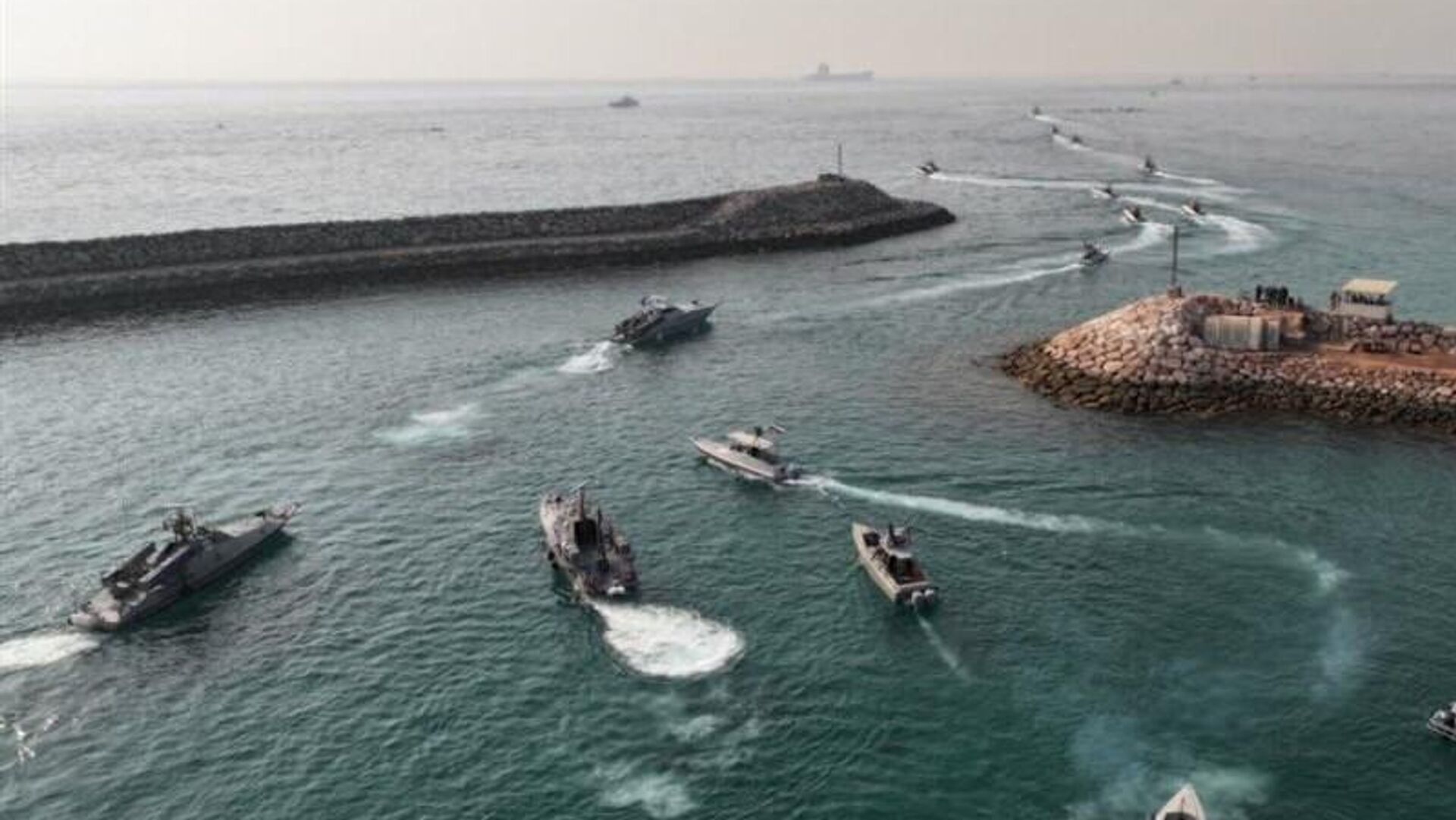
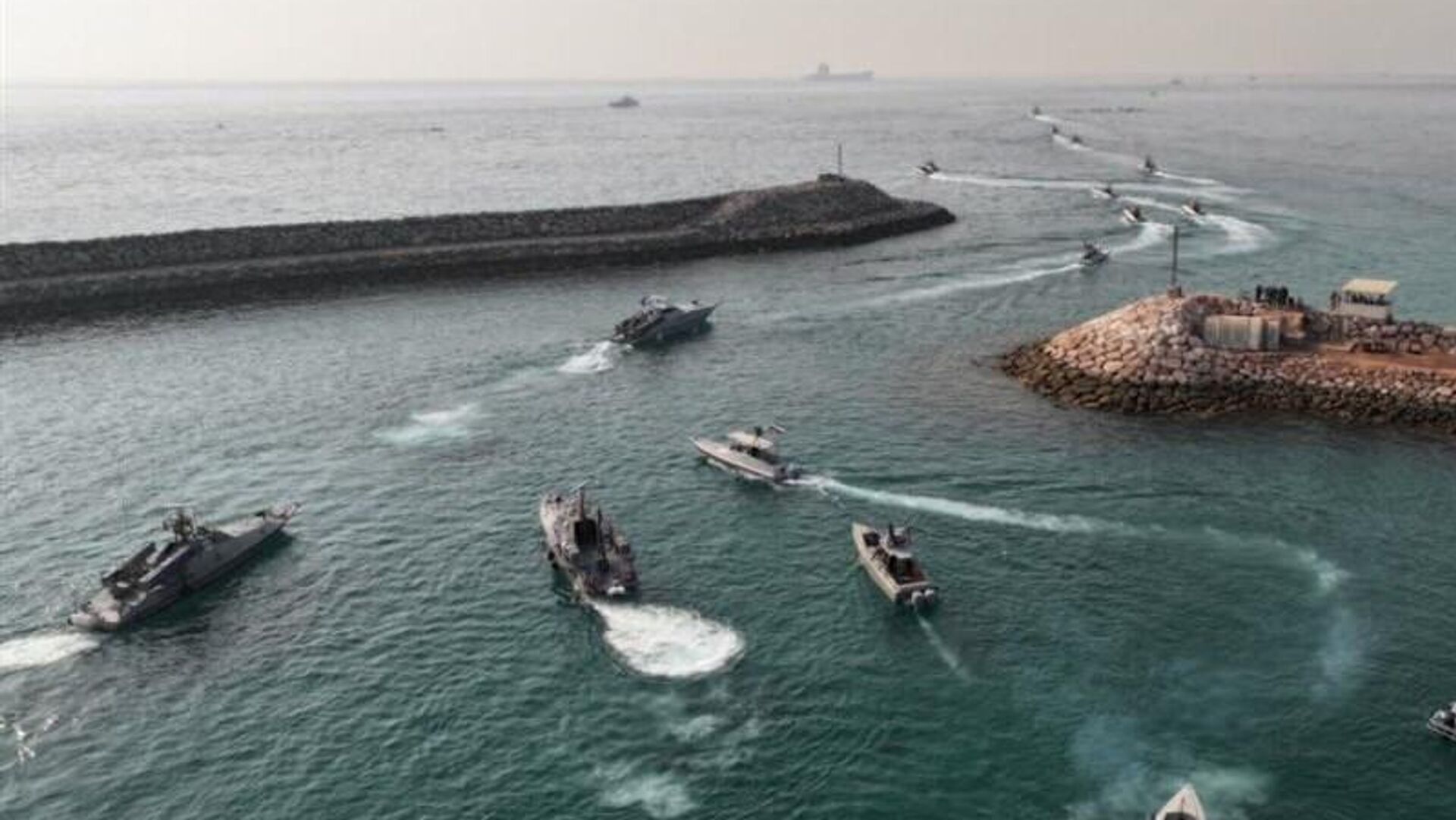
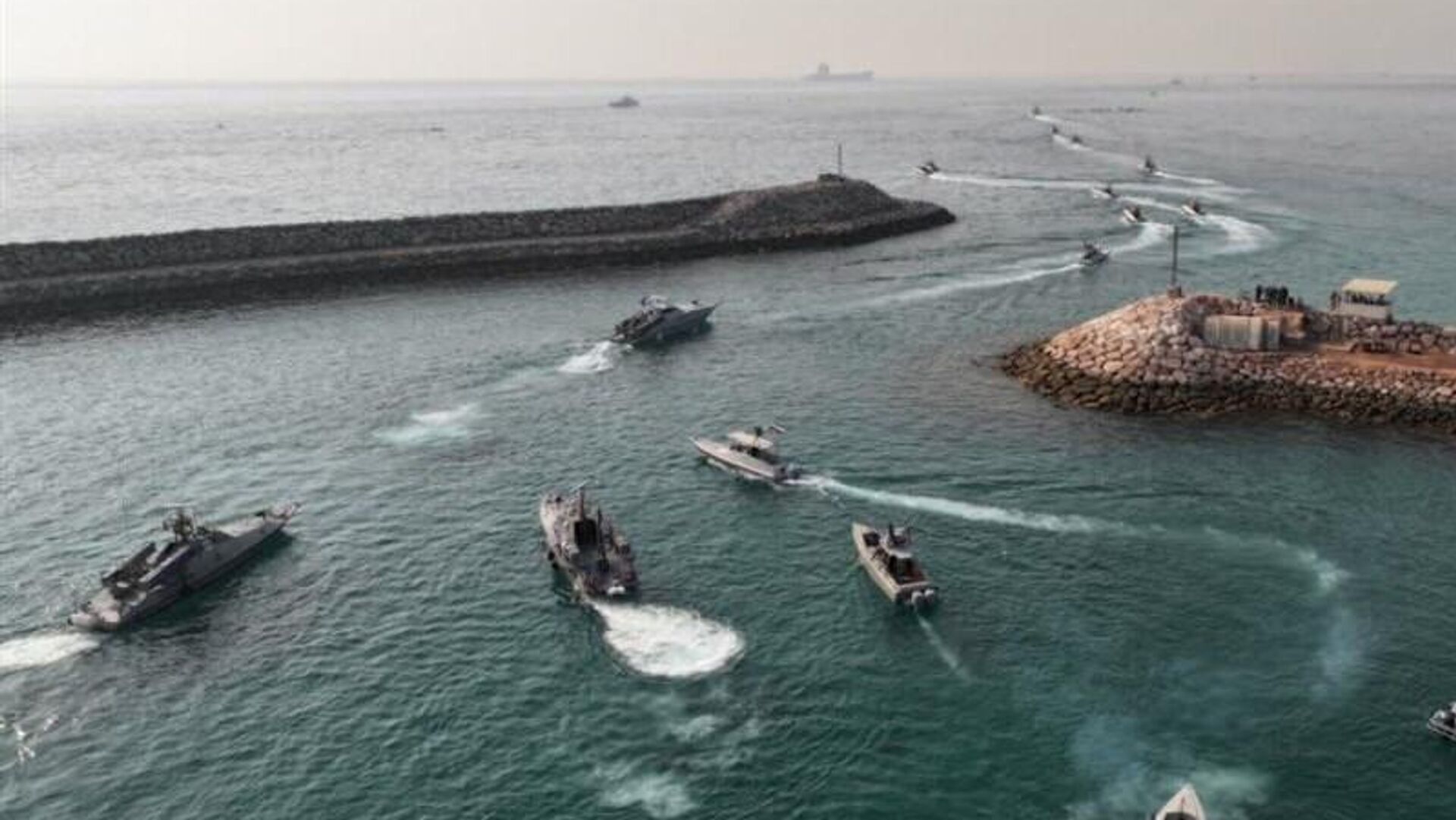
Iran’s effective leverage over the Strait of Hormuz — through which approximately 20 per cent of the world’s energy supplies flow — was not achieved through the drawing of red lines or the issuance of diplomatic ultimatums, but through direct, targeted action against the financial and political interests of the global elite, according to Sergei Balmasov, an expert at Russia’s Institute of Middle East Studies.
Speaking to Sputnik International, Balmasov argued that Washington’s pivot towards diplomatic engagement and its reported appeals for Iran to reopen the strait are themselves a testament to Tehran’s strategic acumen. “The Iranians have found a sore spot among the global elites,” he stated, adding that “decisive actions over the course of several weeks” had enabled a nation considered technologically and militarily inferior on paper to fundamentally alter the balance of power in its favour.
The analyst cautioned, however, that Iran must remain vigilant. Having so boldly disrupted the established order, Tehran will inevitably face retribution — not solely in the form of potential military aggression, but through covert efforts to destabilise the country from within, exploiting fault lines around ethnic minorities, women’s rights movements, and youth discontent, Balmasov warned.
Investment Confidence Shattered Across the Gulf
Beyond the immediate question of oil supply disruptions, Balmasov identified a deeper and more lasting consequence of the Hormuz crisis: a pervasive economic uncertainty that has descended upon the entire Gulf region. Prior to 28 February, the Gulf states were widely regarded as islands of stability, their security underwritten by American, French, British, and Turkish military installations that, in the conventional wisdom of investors and governments alike, “no one would dare” challenge.
Iran’s actions have exposed those guarantees as illusory. “From an investment perspective,” Balmasov explained, the crisis has made it “extremely dangerous to put your eggs in this basket,” as the security architecture long taken for granted has been revealed to rest on fragile foundations. Capital that once flowed confidently into Gulf markets will now seek alternative safe havens — and, should international sanctions be lifted, Iran itself could emerge as a surprising beneficiary of that redirected investment.
“Everyone understands that a geopolitical game is at stake, and that it won’t end quickly,” Balmasov concluded. Even in the event of a negotiated settlement, he stressed, the shifts in perception, investor confidence, and regional stability will not be easily or swiftly reversed. The Hormuz crisis has not merely disrupted energy markets; it has redrawn the psychological map of power in the Middle East.
Find more details at Sputnik International.