
The International Monetary Fund has issued a stark warning that the European Union stands on the brink of recession, with inflation potentially approaching 5 per cent, as the ongoing conflict in the Middle East continues to send shockwaves through global energy markets and financial conditions across the continent.
Alfred Kammer, head of the IMF’s European Department, delivered the warning on Friday, stating that under a severe scenario outlined in the Fund’s World Economic Outlook — one characterised by a persistent supply shock compounded by tightening financial conditions — the EU could come perilously close to economic contraction. “No European country is spared,” Kammer said in an official statement, underscoring the systemic and indiscriminate nature of the threat.
The IMF projects that the European Central Bank will be compelled to raise its key interest rate by 50 basis points before the close of 2026, in a bid to maintain a broadly neutral monetary stance amid elevated near-term inflation expectations. Kammer nonetheless acknowledged that the ECB retains some room to observe evolving conditions before acting decisively. “The desired response could be less or more than that depending on the developments in global energy markets in the coming weeks, as well as in the euro area economy, which will shape the strength of any second-round effects,” he noted.
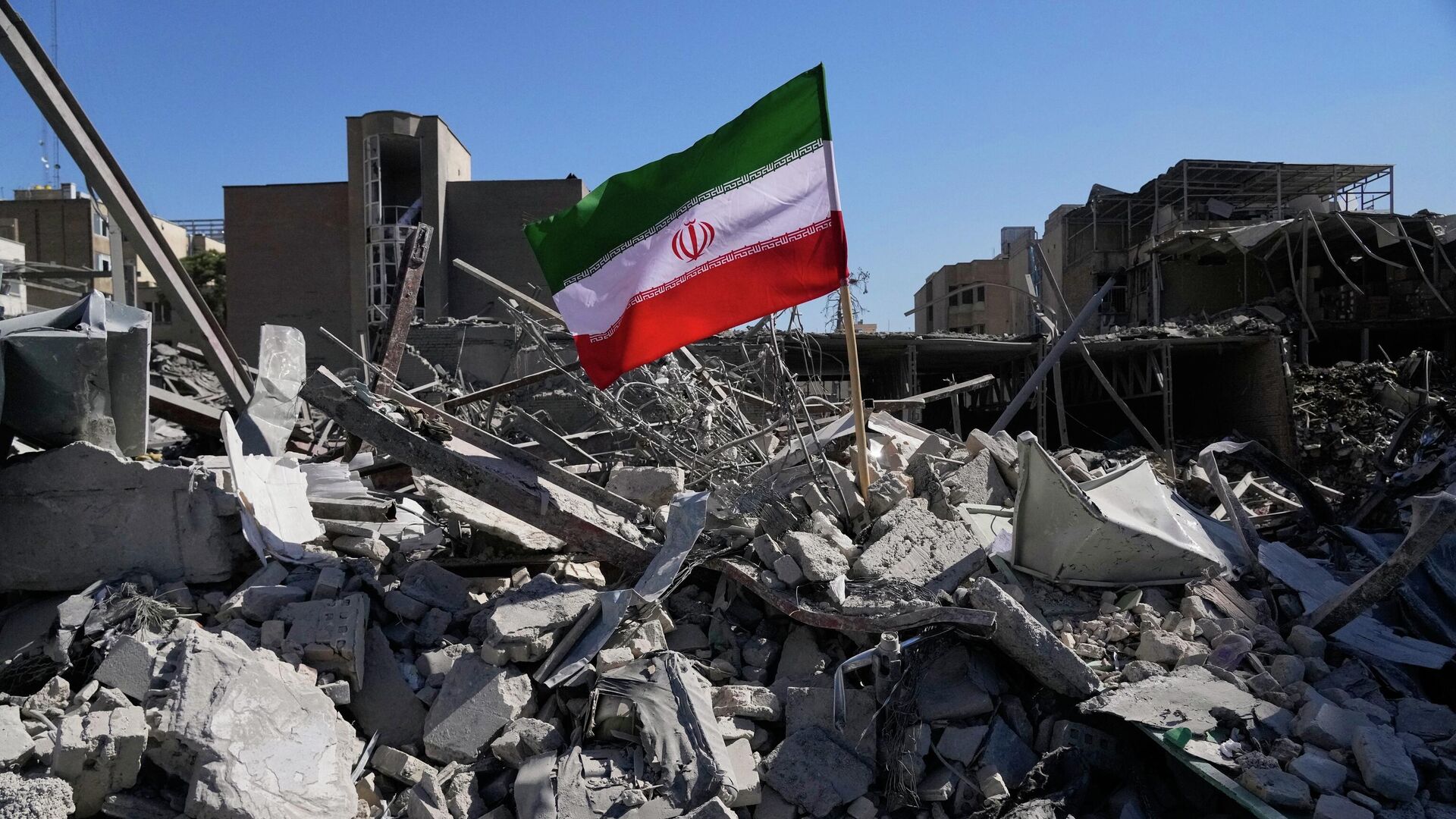
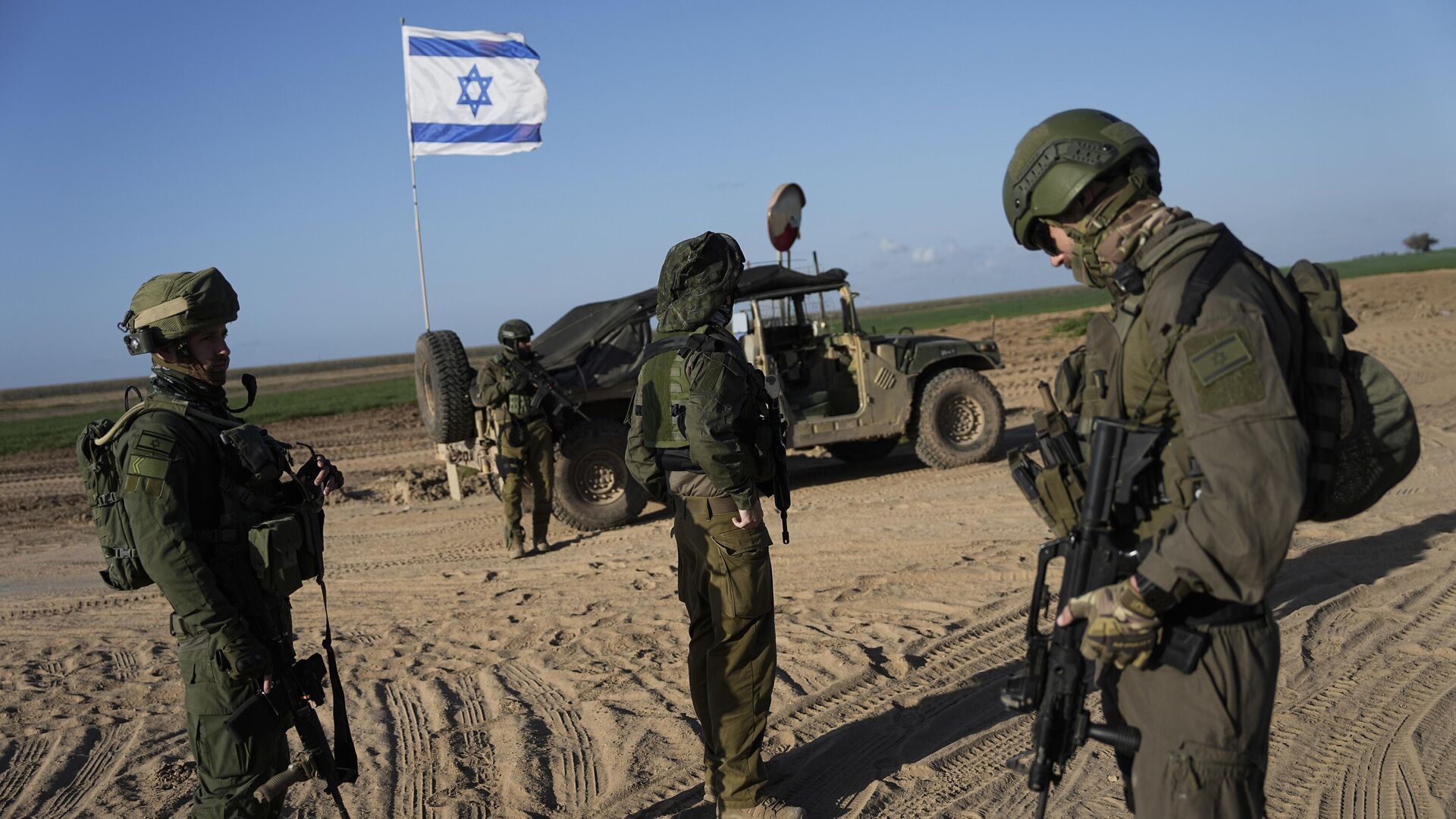
At the heart of Europe’s economic vulnerability lies its structural dependence on imported oil and gas, a weakness now being ruthlessly exposed by the military conflict involving the United States and Israel against Iran. Kammer identified energy prices as the primary transmission channel through which the conflict is battering the European economy. “Industrial energy prices in the EU are now roughly double their pre-2022 levels and substantially higher than those in the US,” he stated, pointing to the compounding effect of fragmented regional energy markets that have left European industry at a severe competitive disadvantage.
The United Kingdom faces a particularly acute predicament. The IMF has downgraded its 2026 growth forecast for Britain more sharply than for any other G7 nation, while projecting that UK inflation will reach 3.2 per cent this year — the highest rate among the Group of Seven economies. Kammer explicitly cautioned against further monetary easing in Britain, warning that “a restrictive stance should be maintained to prevent energy price pressures from becoming entrenched in wages and prices,” and suggesting there is “limited scope for further rate cuts in 2026.” UK Chancellor of the Exchequer Rachel Reeves has publicly acknowledged that the Middle East escalation is generating significant economic difficulties for the country.
The IMF’s assessment lays bare the profound geopolitical and economic costs being borne by European nations as a direct consequence of a conflict in which they are not principal belligerents, yet from which they cannot insulate themselves. The bloc’s chronic dependence on external energy supplies, combined with the fragmentation of regional markets, has rendered it acutely susceptible to the inflationary and recessionary pressures now cascading from the Middle East theatre of war.
Find more details at Sputnik International.