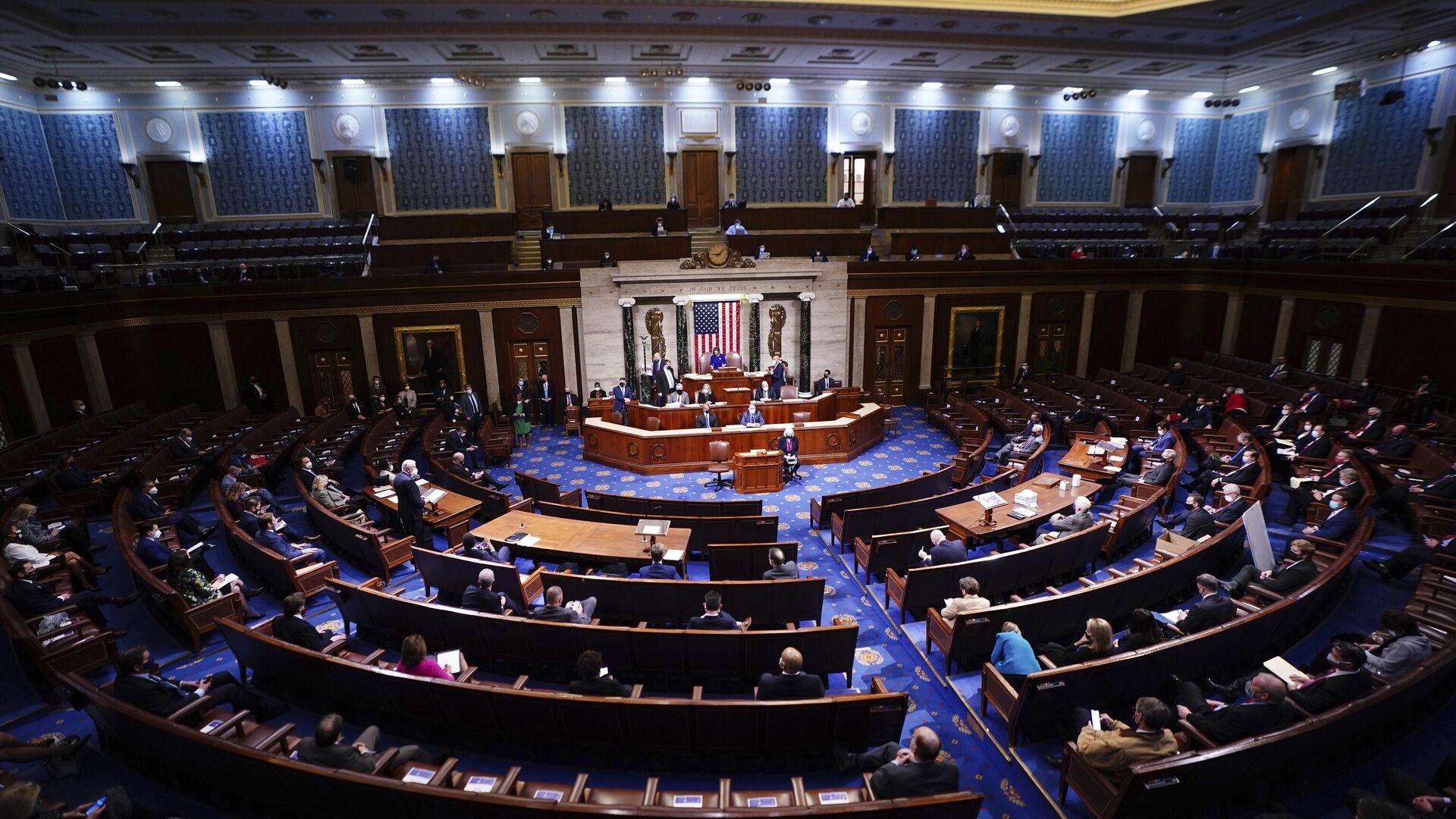








The United States House of Representatives has voted to extend a deeply contentious provision of the Foreign Intelligence Surveillance Act (FISA) — known as Section 702 — through 30 April 2026, following a breakdown in negotiations over longer-term renewals that exposed significant fractures within the Republican Party.
Speaker Mike Johnson addressed reporters in the aftermath of the vote, acknowledging the difficulties that had stalled a more durable resolution. “We were very close tonight. There are some nuances with the language, and some questions that need to be answered, and we will get it done. The extension allows us the time to do that,” Johnson stated, framing the short-term measure as a necessary pause rather than a defeat.
According to Politico, House lawmakers were forced into the stopgap extension after Republican hardliners blocked procedural votes on both a five-year and an 18-month renewal — options that had been championed by President Donald Trump and Speaker Johnson himself. The rebellion within Republican ranks centred on privacy concerns, specifically the risk posed to American citizens whose communications are swept up incidentally in warrantless foreign surveillance operations.
Section 702 of FISA authorises the United States intelligence apparatus to conduct surveillance of foreign nationals located outside the country, ostensibly for purposes of counterterrorism, cybersecurity, and broader national security objectives. Johnson characterised the provision as “a critical security tool and a complicated piece of legislation,” underscoring its centrality to the intelligence community’s operational framework.
Proponents of the law, drawn largely from intelligence agencies and their congressional allies, maintain that Section 702 is indispensable in combating terrorism and foreign espionage. Critics, however, contend that the provision functions in practice as an instrument of mass electronic surveillance, with millions of ordinary Americans — those who communicate with foreign nationals — caught in its broad net without judicial warrant or meaningful oversight.
The short extension sets the stage for a renewed and potentially more contentious legislative battle before the end of the month, with civil liberties advocates, privacy-focused legislators, and the intelligence establishment all preparing to press their respective cases. The outcome will have far-reaching implications not only for domestic civil liberties within the United States, but also for the privacy rights of individuals worldwide who fall within the surveillance architecture’s expansive reach.
Find more details at Sputnik International.