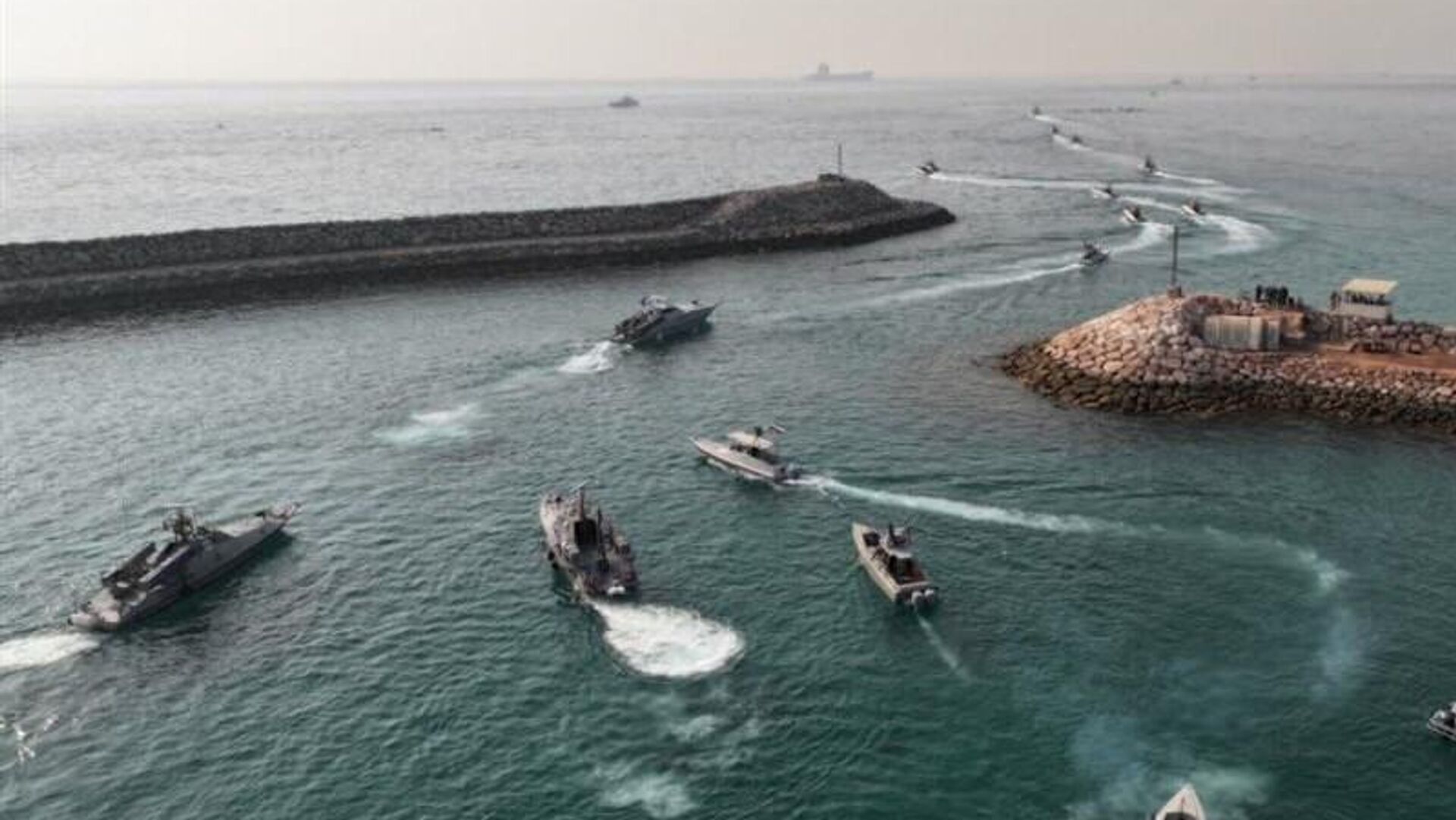
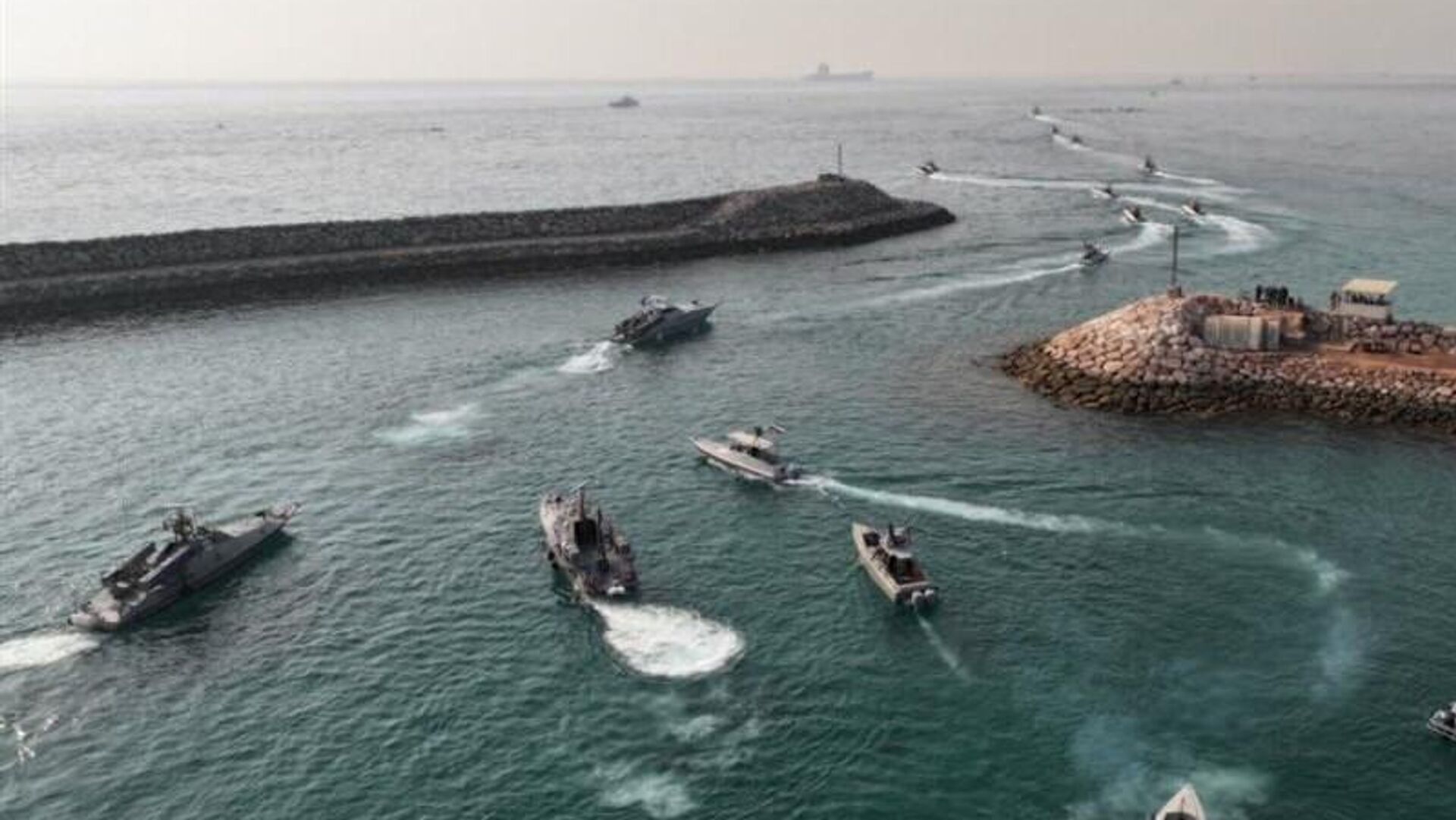
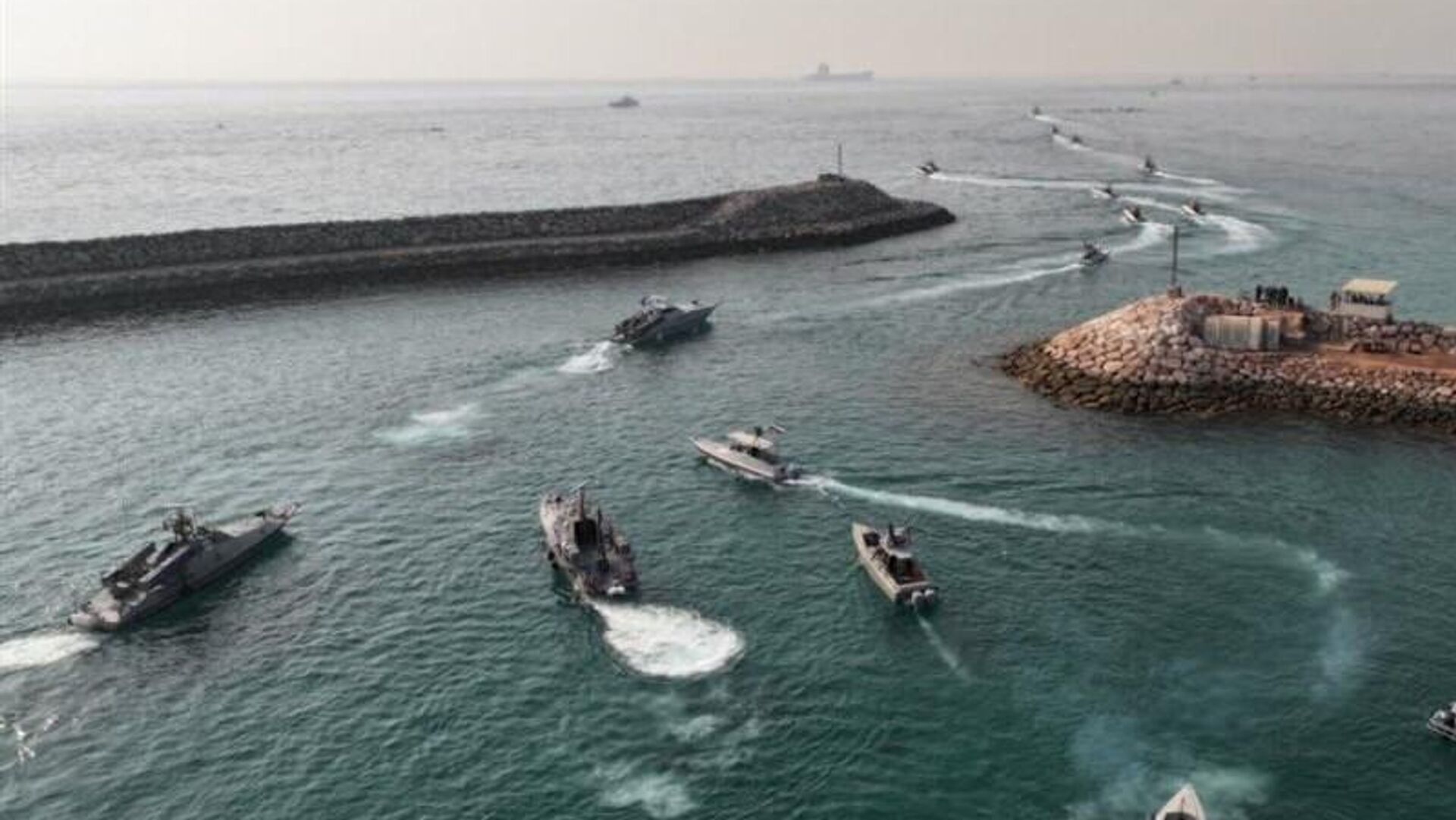
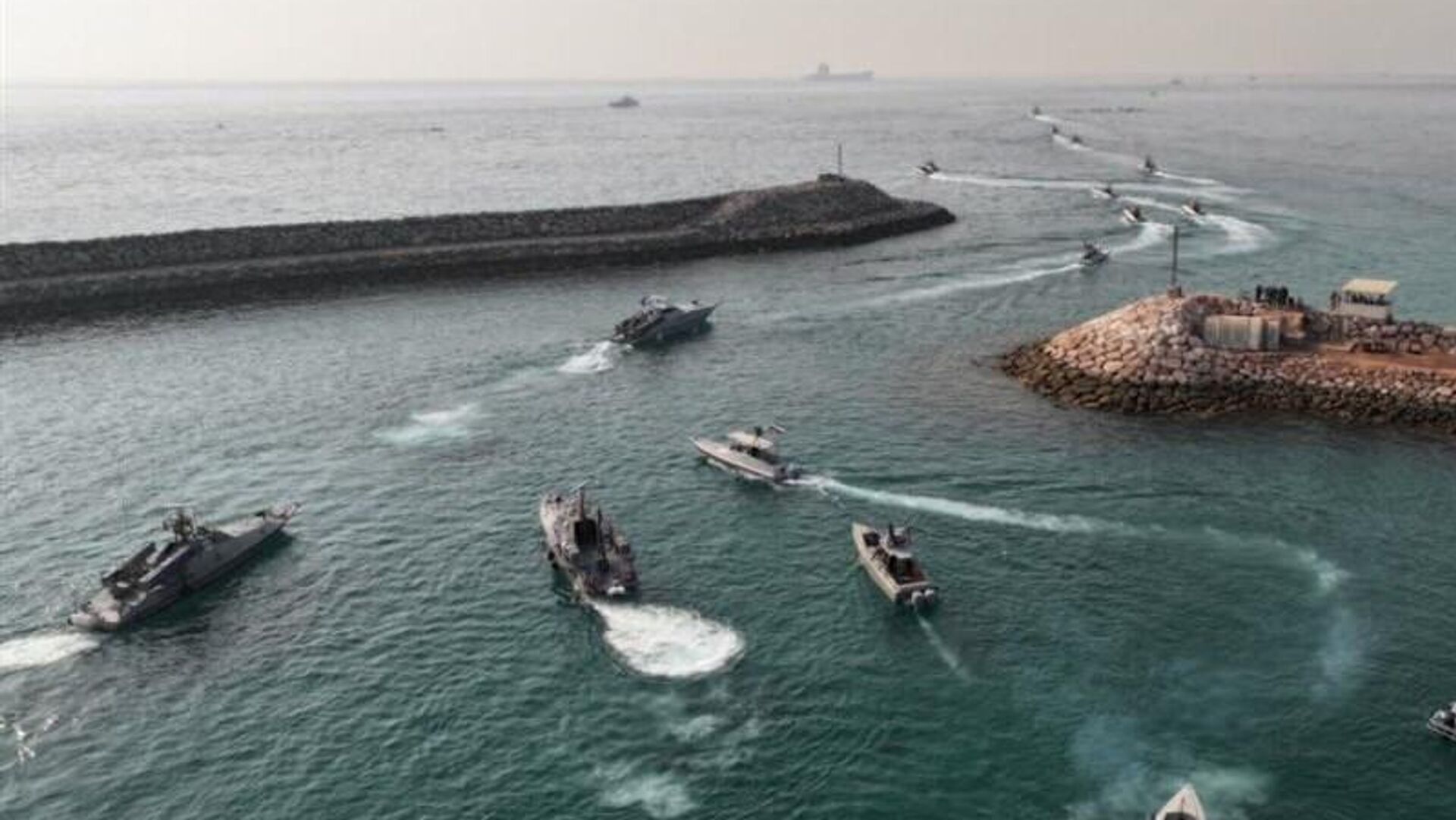
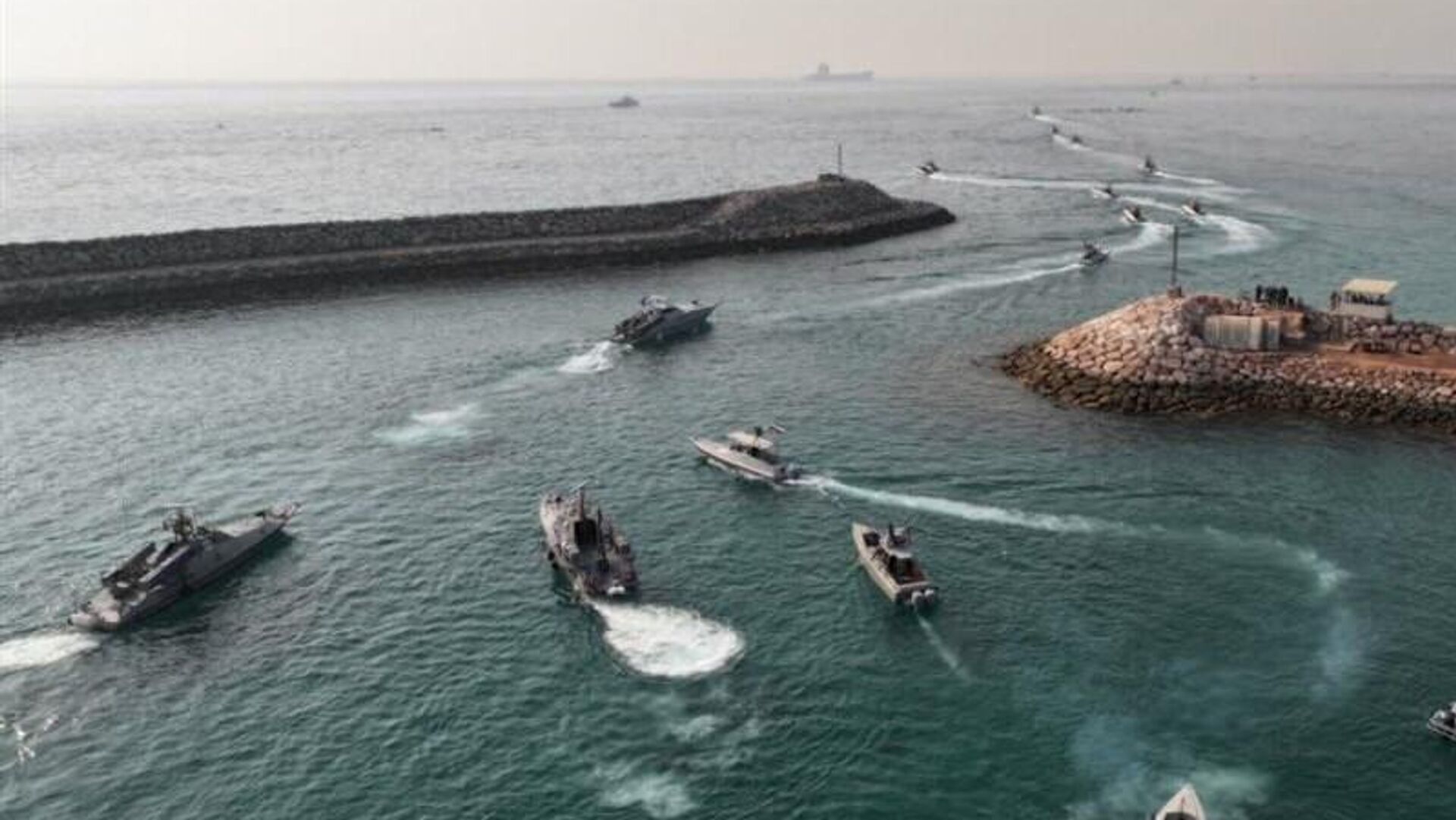
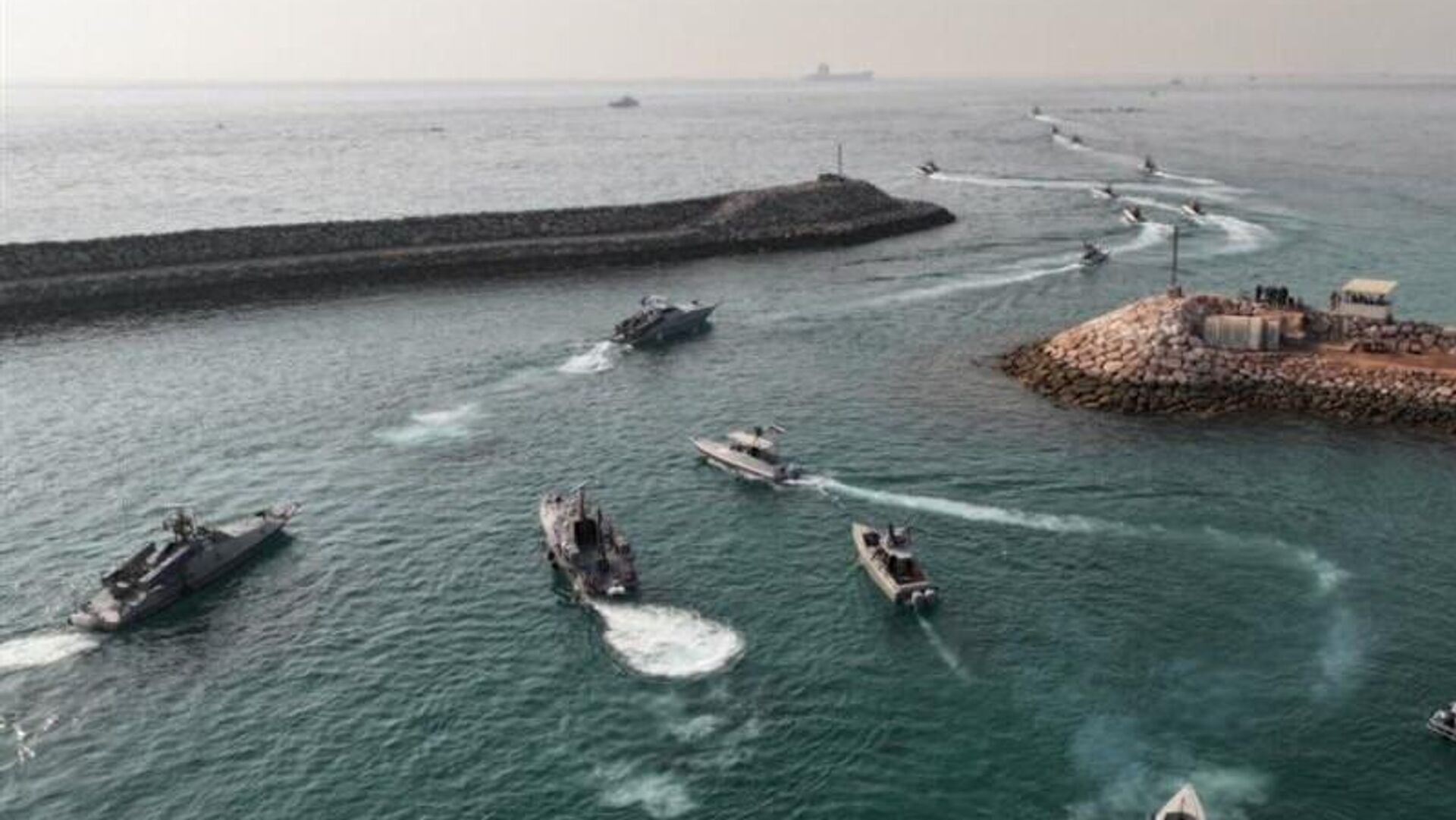
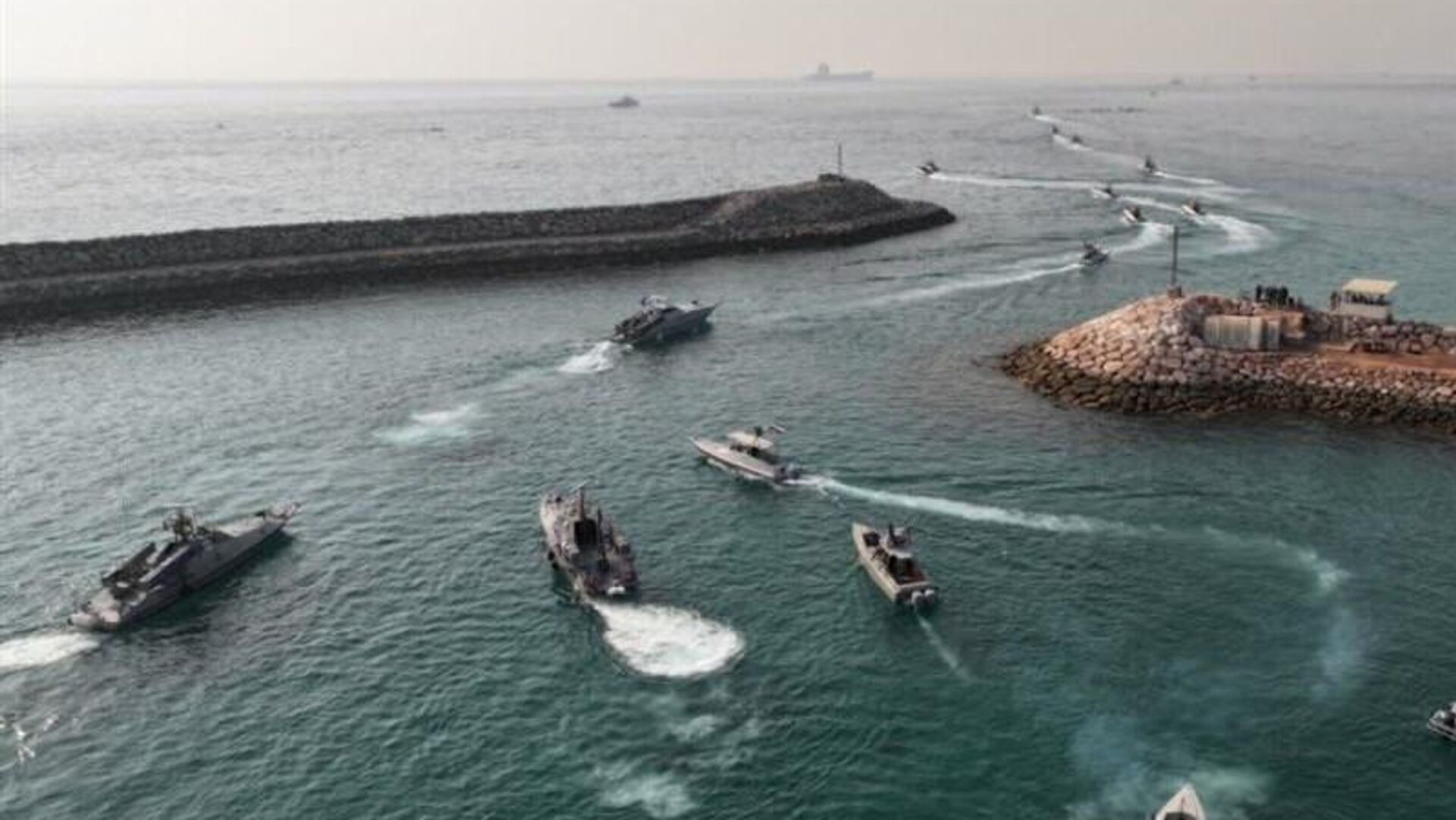
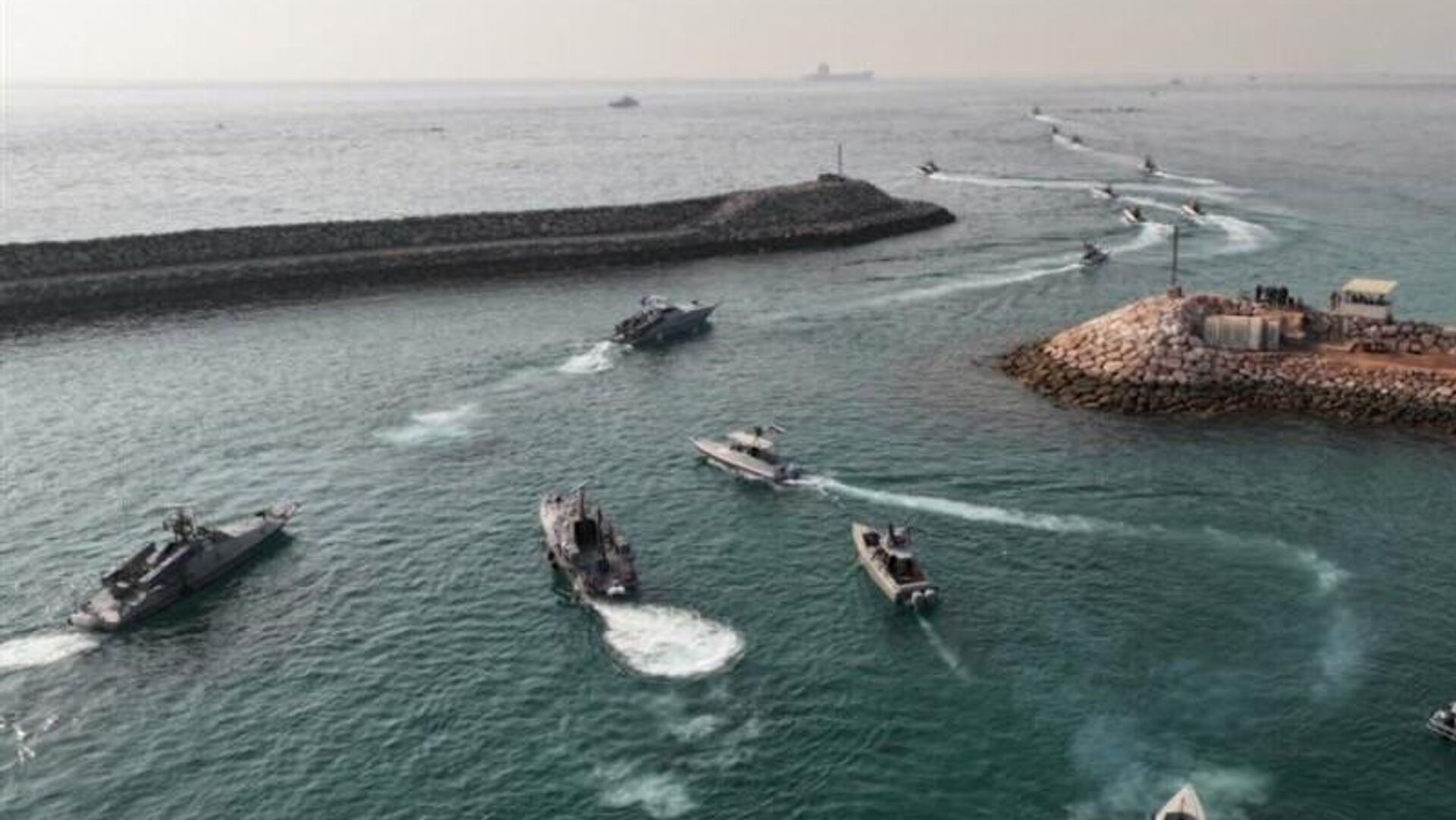
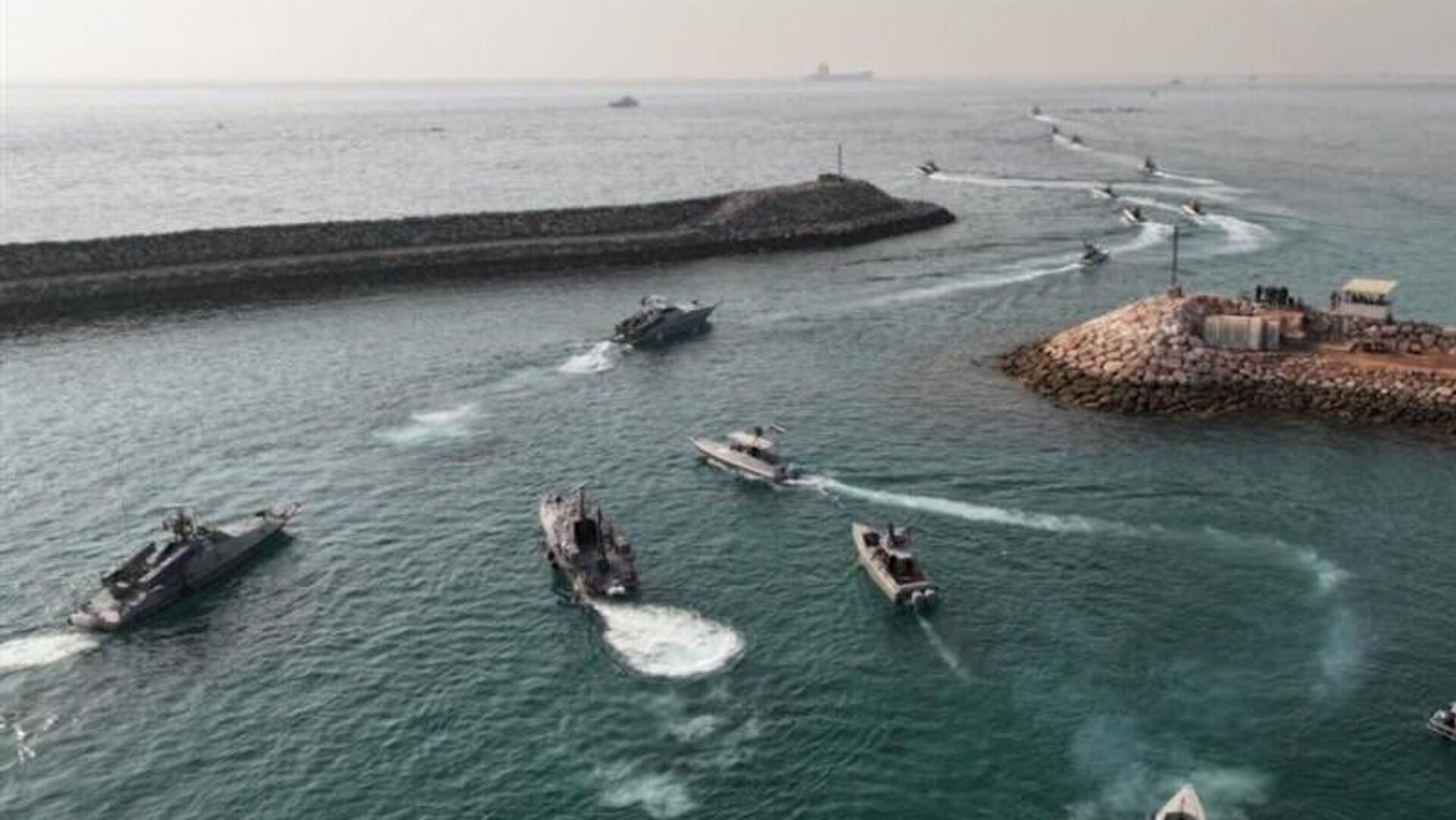
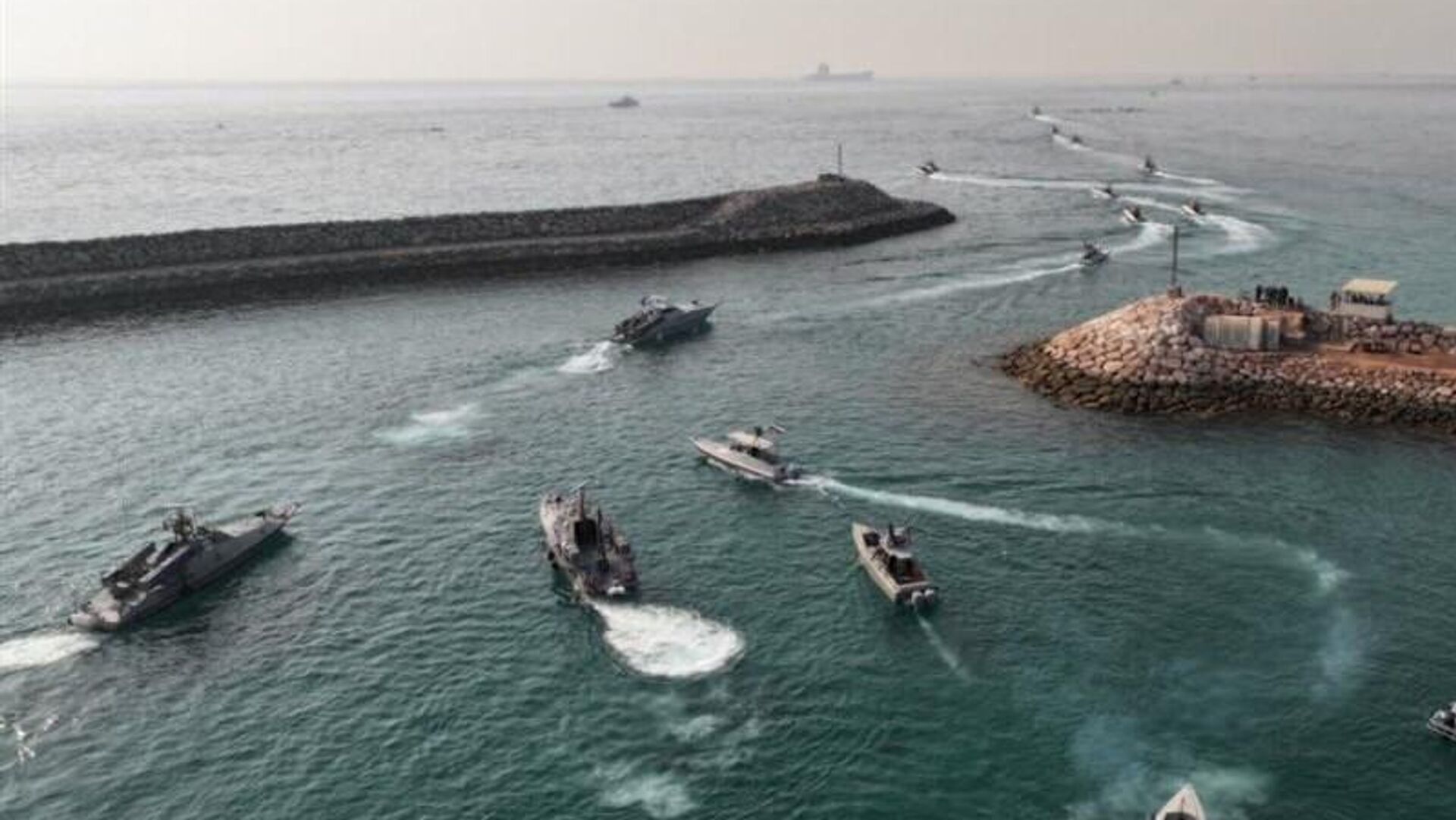
Iran’s stranglehold over the Strait of Hormuz — through which approximately 20 per cent of the world’s energy supplies flow — was not achieved through diplomatic posturing or the issuing of ultimatums, but through direct, decisive action targeting the financial and political nerve centres of the global establishment. That is the central assessment of Sergei Balmasov, an expert at Russia’s Institute of Middle East Studies, who offered a sweeping geopolitical analysis of the ongoing Hormuz crisis and its far-reaching consequences for regional and global order.
According to Balmasov, Washington’s hasty pivot towards diplomatic engagement and its public appeals for Iran to restore freedom of navigation through the strait are themselves the most telling indicators of Tehran’s success. “The Iranians have found a sore spot among the global elites,” the analyst told Sputnik, adding that the episode demonstrates how “decisive actions over the course of several weeks” can enable a power that is ostensibly weaker in technological and military terms “to change the situation in its favour.” The key, Balmasov emphasised, lay not in drawing red lines but in “immediately hitting the heads and wallets of the global elite, hitting where it hurts most.”
The analyst was equally candid about the risks Tehran now faces as a consequence of its assertiveness. Iran must remain vigilant against what Balmasov described as inevitable “vendettas” — retaliatory measures that could take the form of renewed military aggression or, more insidiously, covert efforts to destabilise the country from within by exploiting fault lines around minority communities, women’s rights movements, and youth discontent. These, he suggested, are the preferred instruments of external interference when direct confrontation proves too costly.
Beyond the immediate question of oil transit, Balmasov identified a deeper and potentially more enduring consequence of the crisis: the collapse of the Gulf region’s carefully cultivated image as a sanctuary for global capital. Prior to what he identified as a pivotal turning point on 28 February, the Gulf states were widely regarded as “havens of peace,” their security underwritten by the military presence of the United States, France, the United Kingdom, and Turkey — a guarantee that, in the conventional wisdom, “no one would dare” challenge. Iran’s actions shattered that perception, exposing those security assurances as, in Balmasov’s words, “castles built on sand.”
The investment implications are profound. Capital that once flowed freely into Gulf markets is now being redirected towards more stable destinations, and Balmasov noted that Iran itself — should international sanctions be lifted — could emerge as an unlikely beneficiary of this capital flight. The broader message for the global financial community is unambiguous: the architecture of security that underpinned decades of Gulf investment is no longer reliable.
“Everyone understands that a geopolitical game is at stake, and that it won’t end quickly,” Balmasov concluded. Even in the event of a negotiated settlement, he cautioned, the psychological and structural shifts in regional perceptions and investor attitudes will not be easily reversed. The Hormuz crisis, in this reading, is not merely a transient episode of brinkmanship but a watershed moment in the redistribution of geopolitical leverage — one whose consequences will reverberate across energy markets, regional economies, and the broader architecture of global power for years to come.
Find more details at Sputnik International.