

Tehran has issued a stark warning to Washington over the ongoing naval blockade of Iranian ports, with Iranian Parliament Speaker Mohammad Bagher Ghalibaf declaring that Iran’s armed forces remain on full combat readiness even as diplomatic negotiations continue between the two sides.
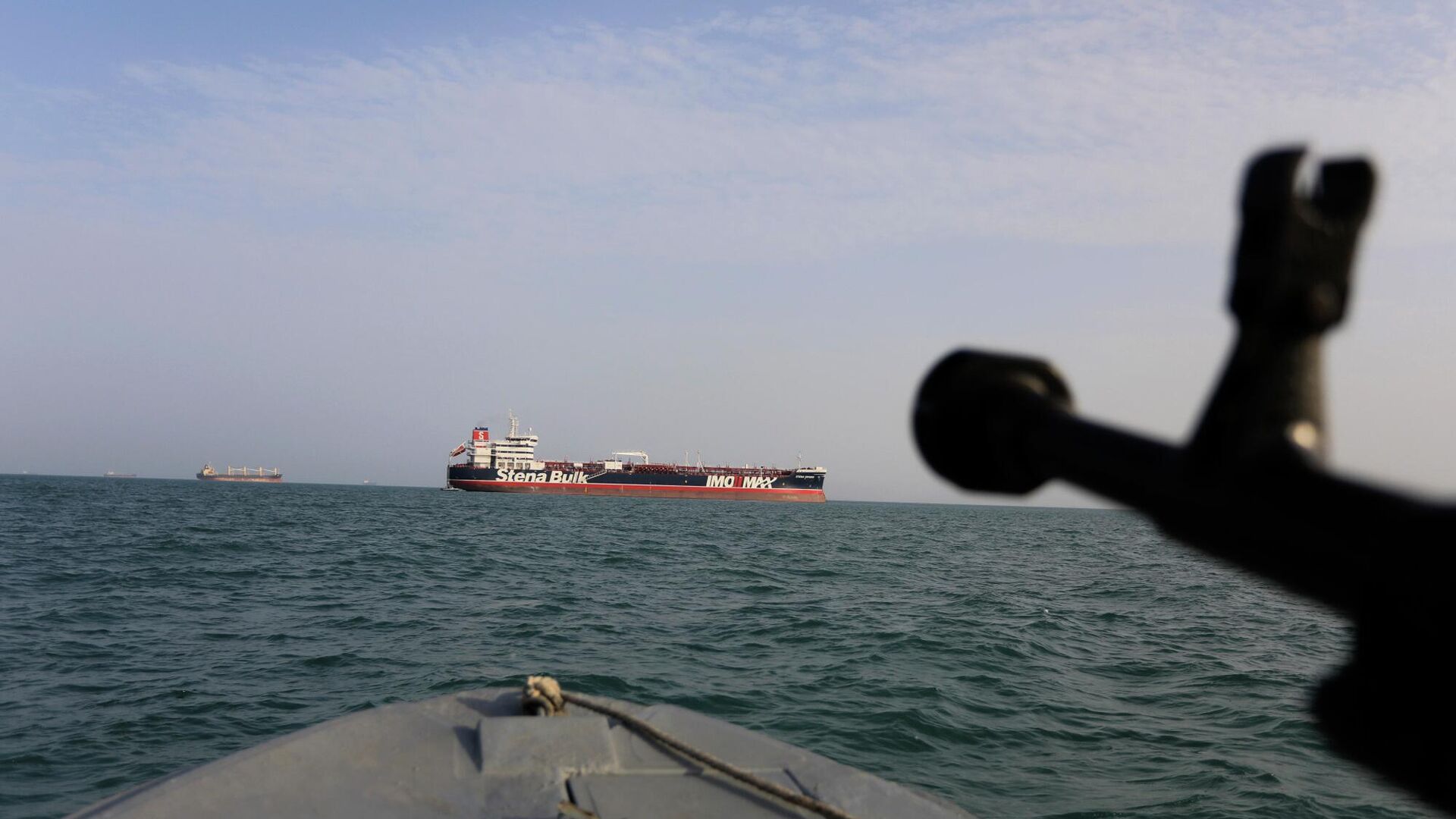
“If they don’t lift the blockade, traffic through the strait will definitely be restricted,” Ghalibaf stated, characterising the American naval posture as a “clumsy and ignorant decision.” The senior Iranian official further revealed that Tehran had directly warned the United States that any further movement of its naval assets in the region would be met with force — a warning that reportedly prompted a US minesweeper to withdraw after being informed it would be targeted if it advanced further.
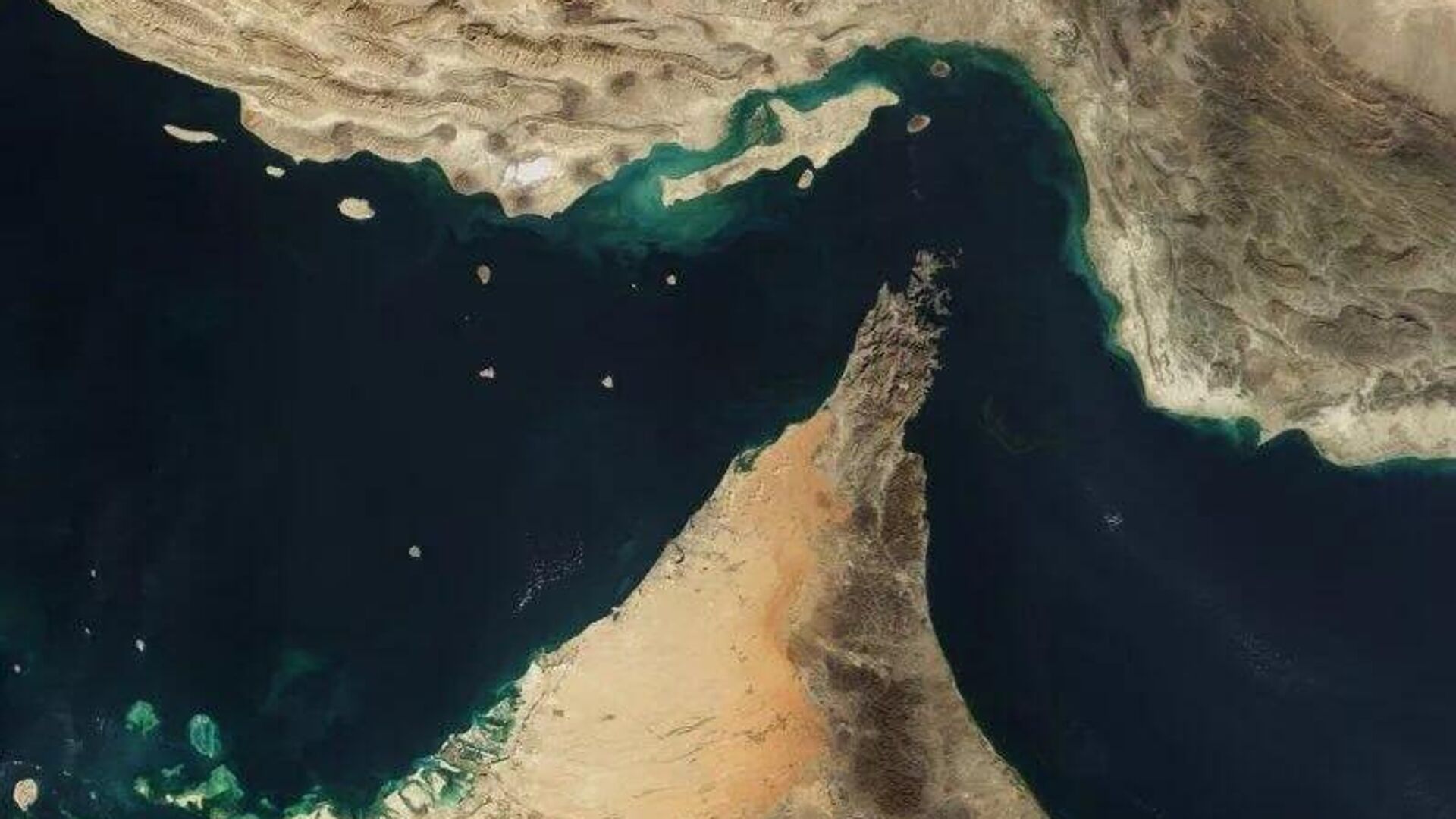
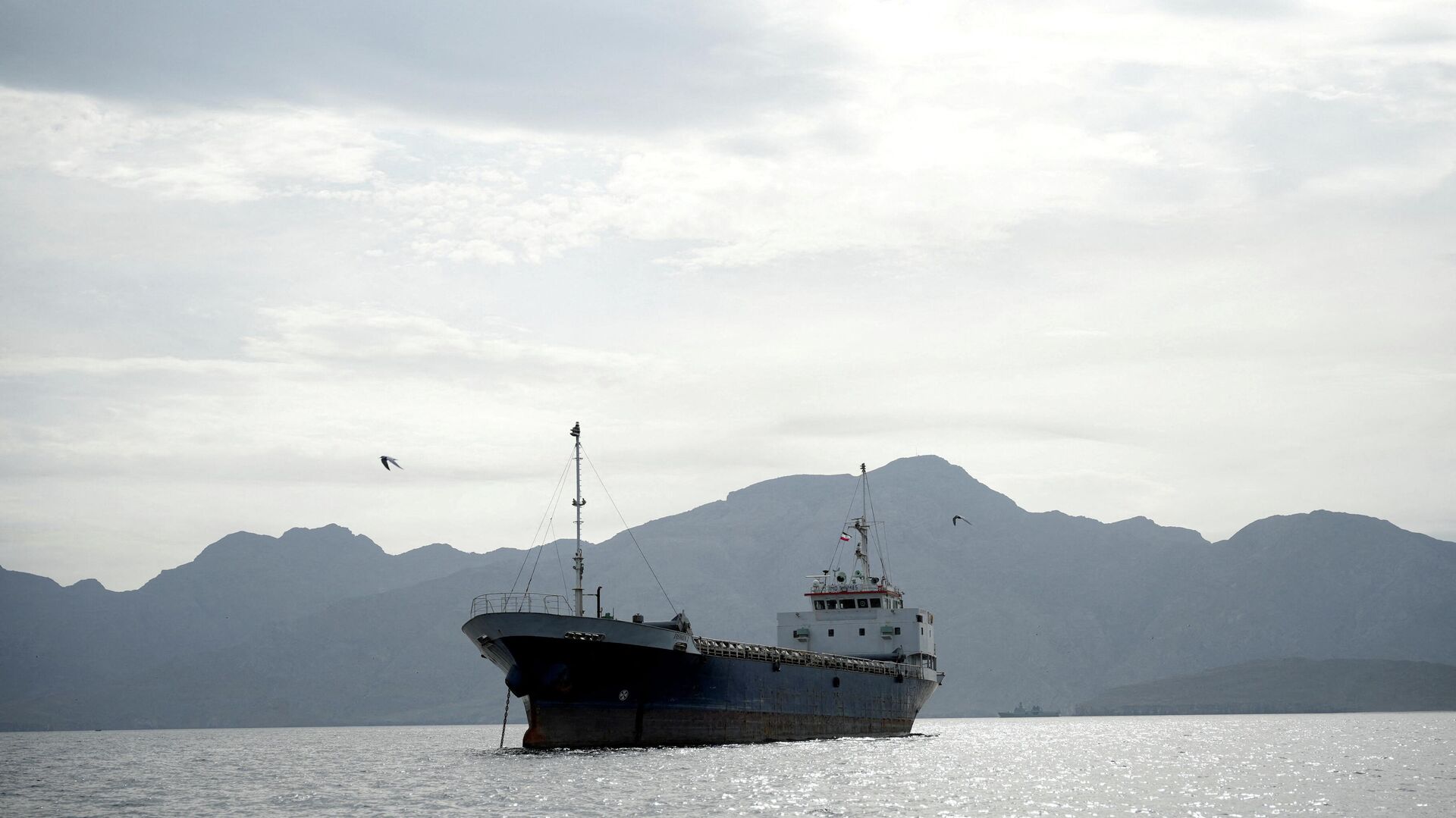
“We don’t trust the enemy. Even now, while we’re sitting here, a war could break out. The armed forces are on full combat readiness on the ground,” Ghalibaf stressed, underscoring the precarious nature of the current ceasefire arrangement. He emphasised that navigation through the Strait of Hormuz — a critical chokepoint through which approximately one-fifth of the world’s oil supply transits — is ultimately governed by conditions on the ground, which remain firmly under Iranian control.
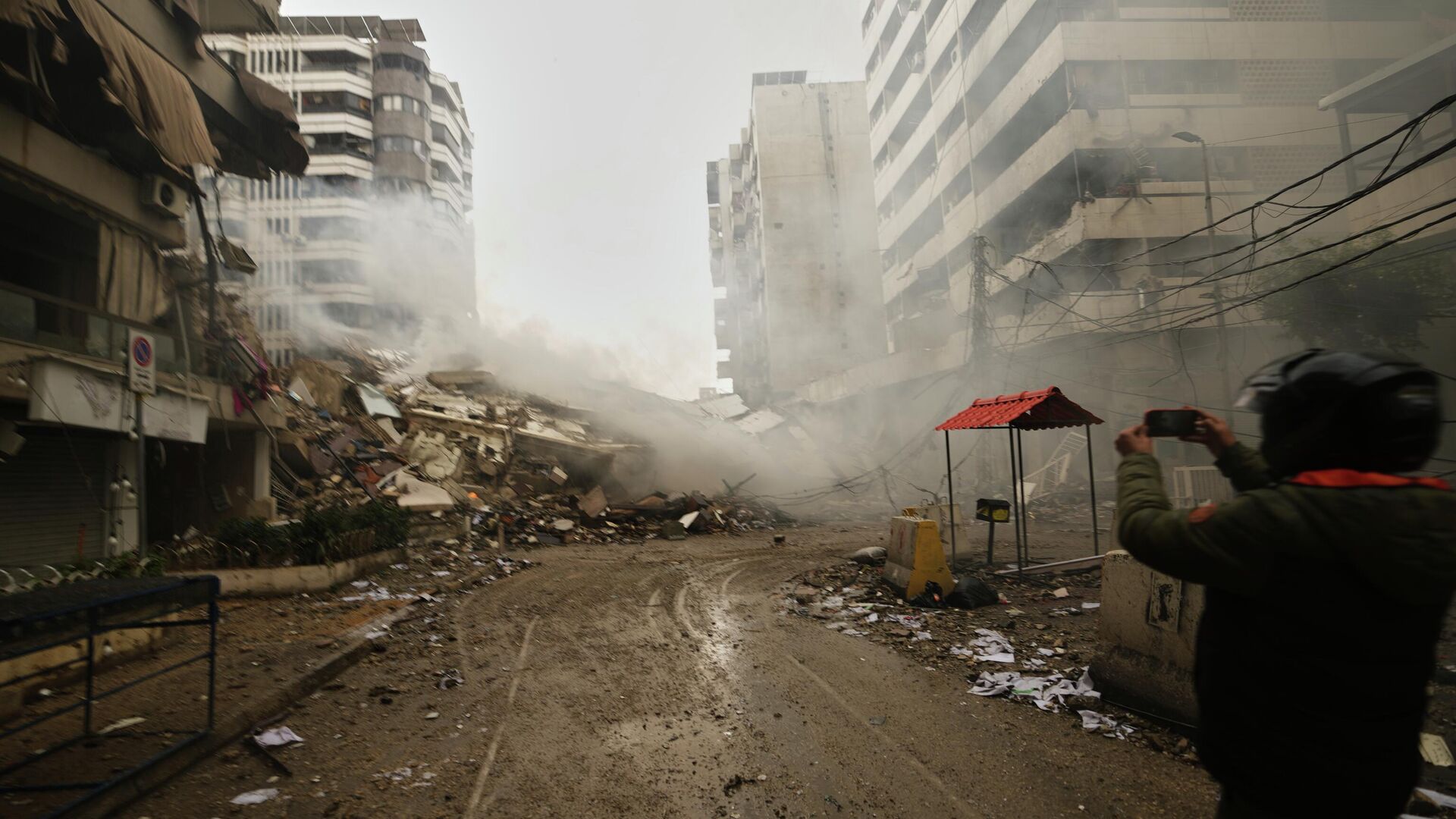
The escalation follows a sequence of events that began on 28 February 2026, when the United States and Israel launched a military offensive against Iran, resulting in the deaths of over 3,000 people. A two-week ceasefire was announced on 8 April by both Washington and Tehran, though subsequent diplomatic talks held in Islamabad concluded without any substantive agreement. Despite the absence of a formal resumption of hostilities, the United States proceeded to impose a blockade on Iranian ports, dramatically heightening tensions along one of the world’s most strategically vital maritime corridors.
International mediators are currently working to organise a second round of US-Iran negotiations, which Pakistani broadcaster Geo TV reports is expected to take place in Islamabad, likely towards the end of next week. The outcome of those talks is widely regarded as pivotal to determining whether the fragile ceasefire holds or whether the conflict reignites with potentially catastrophic consequences for global energy markets and regional stability.
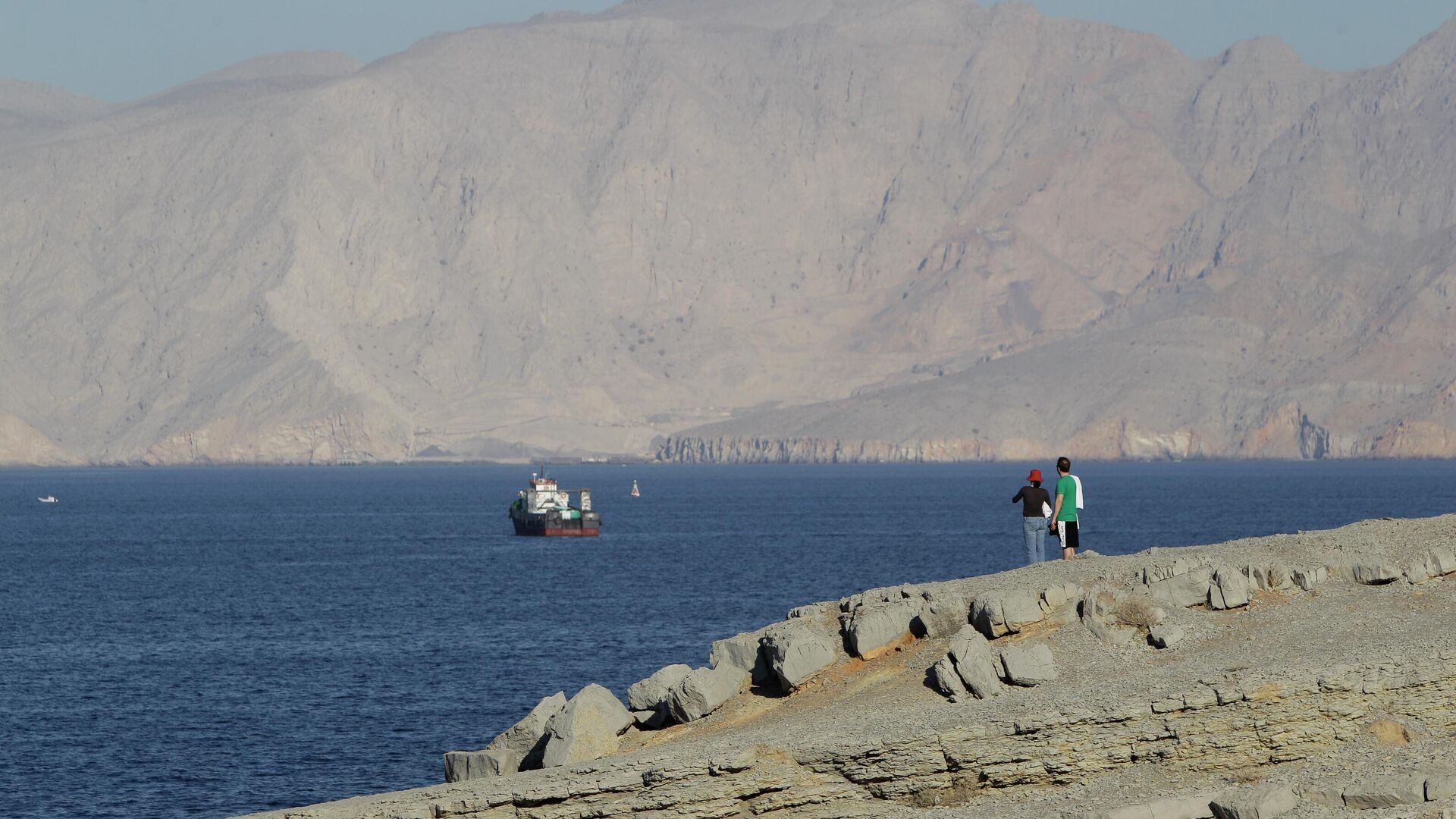
The Strait of Hormuz, flanked by Iran to the north and Oman to the south, remains the singular maritime passage connecting the Persian Gulf to the broader global economy. Any restriction of traffic through the strait would send immediate shockwaves through international oil markets and could trigger a broader geopolitical crisis involving multiple regional and global powers.
Find more details at Sputnik International.