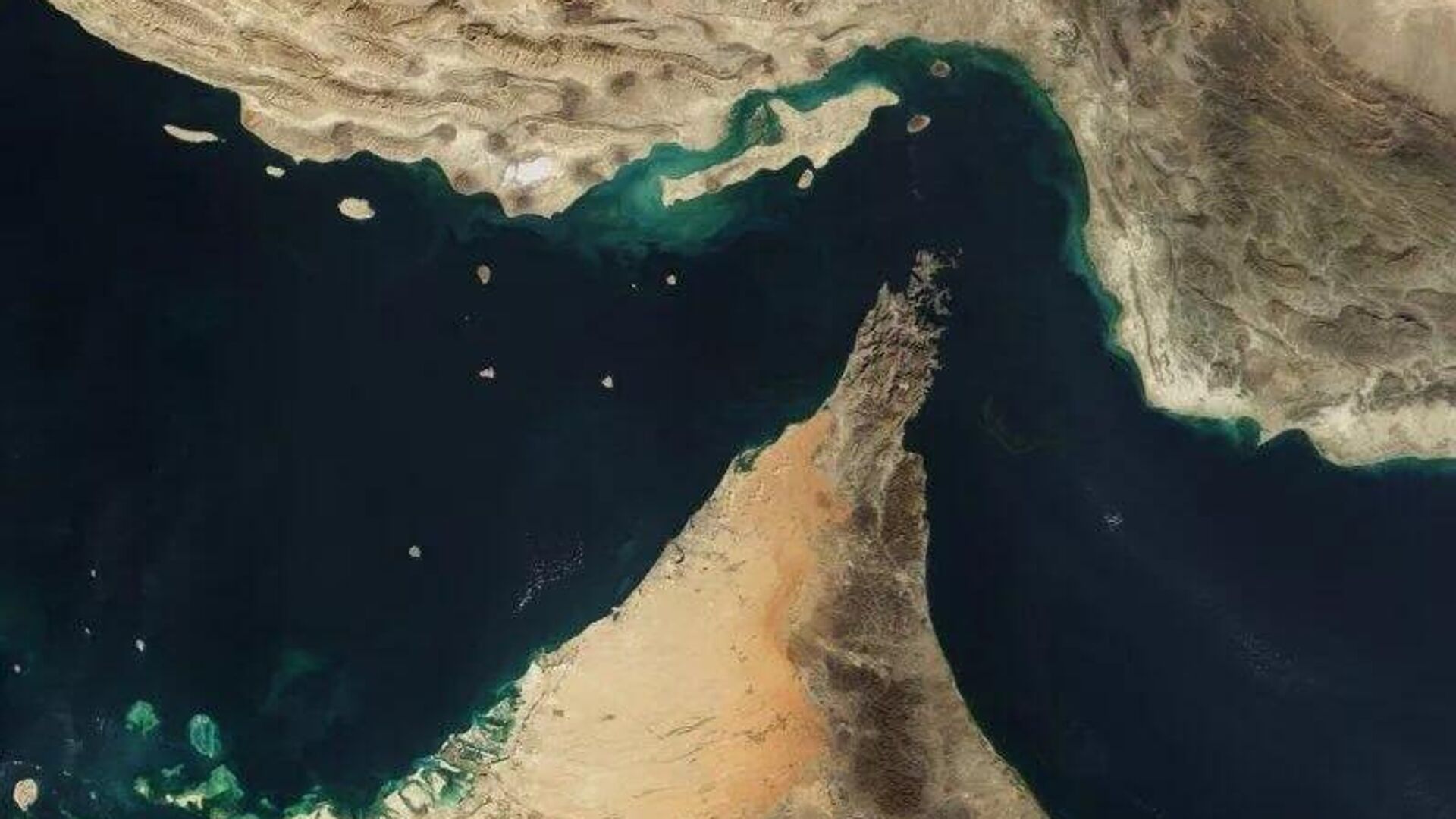
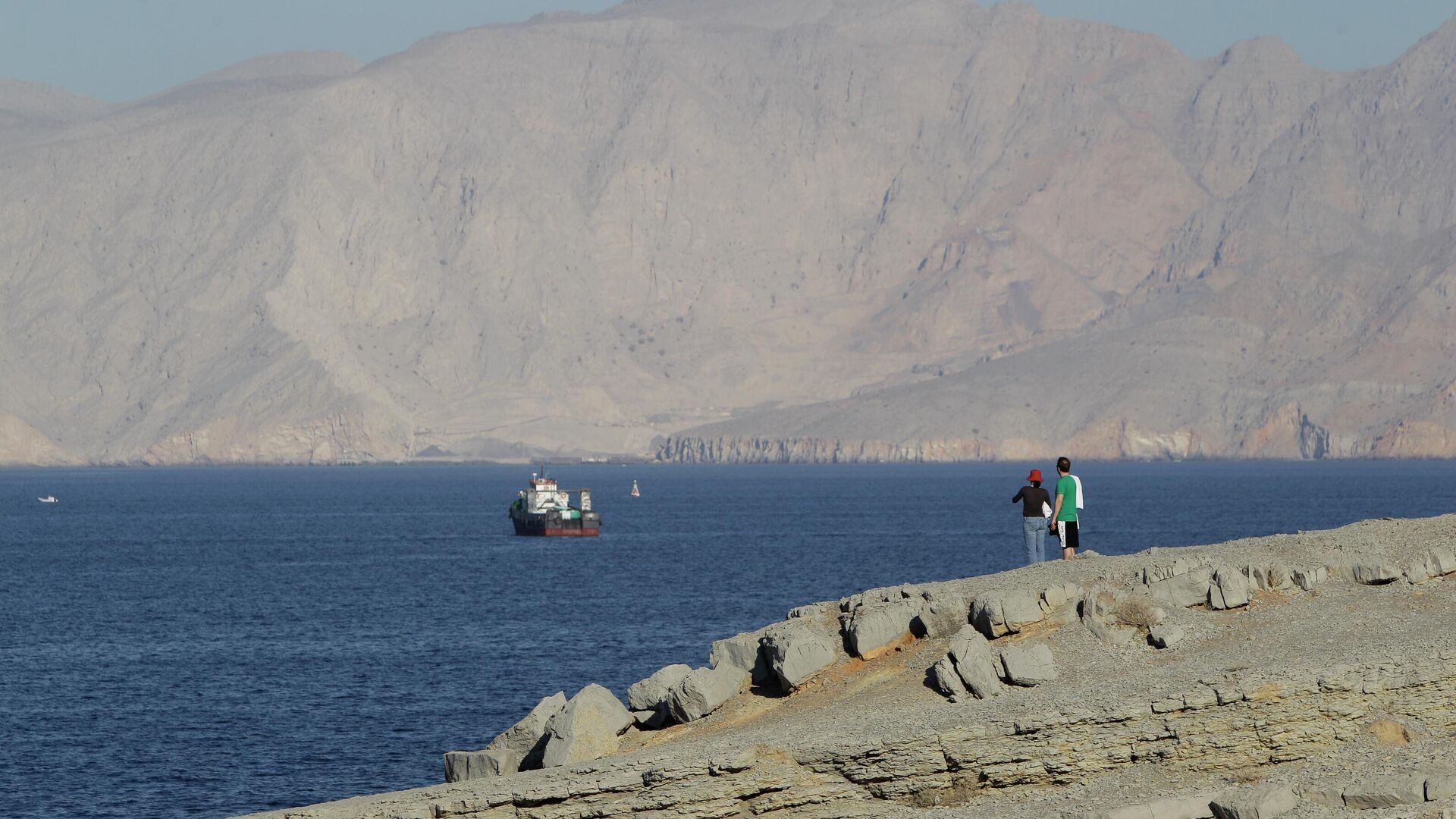
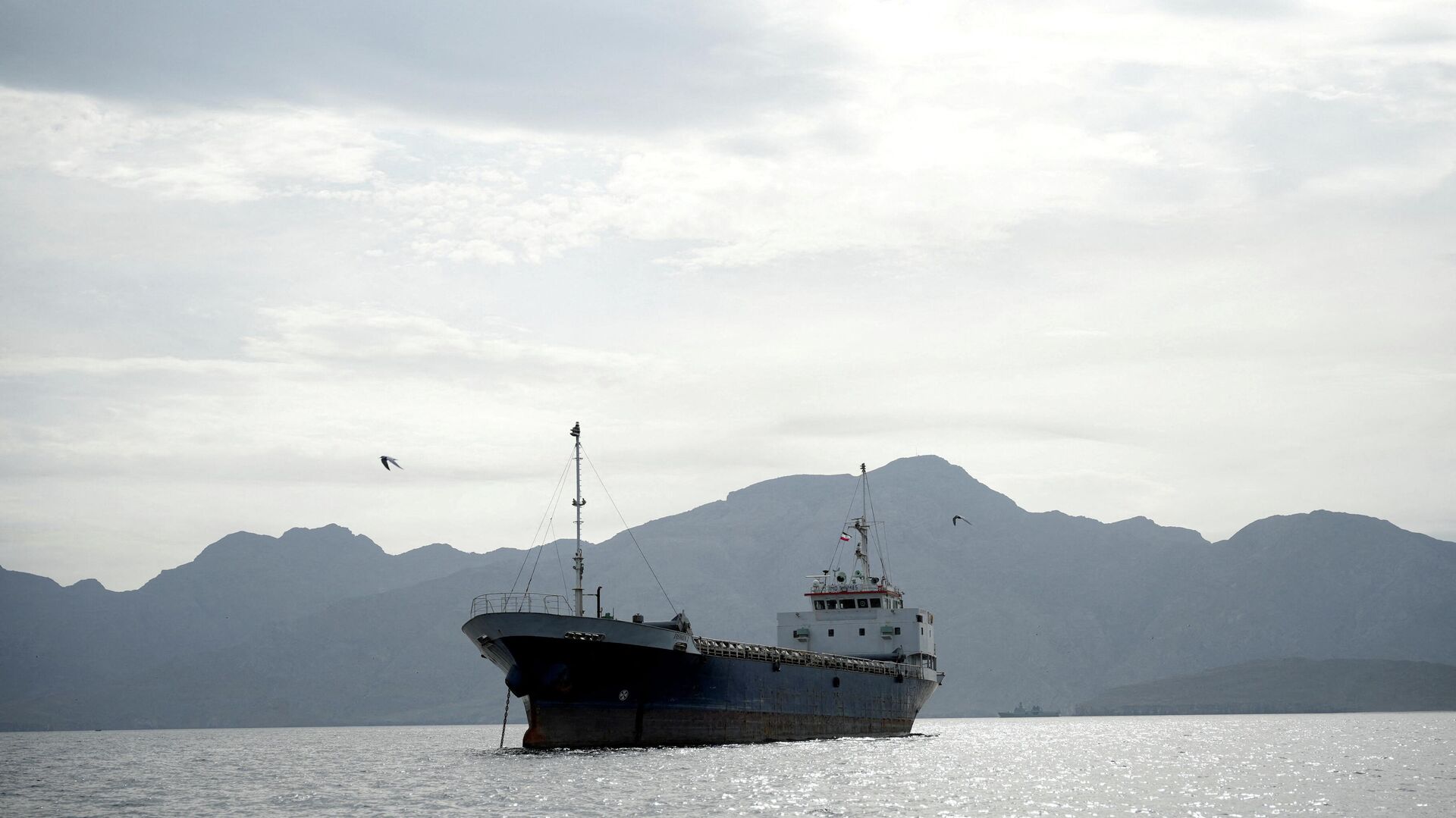

Iranian Deputy Foreign Minister Saeed Khatibzadeh declared on Saturday that the Strait of Hormuz remains open to commercial shipping and categorically ruled out any Iranian blockade of the critical waterway, even as competing narratives from Tehran and Washington continue to cloud the geopolitical situation surrounding one of the world’s most strategically vital maritime corridors.
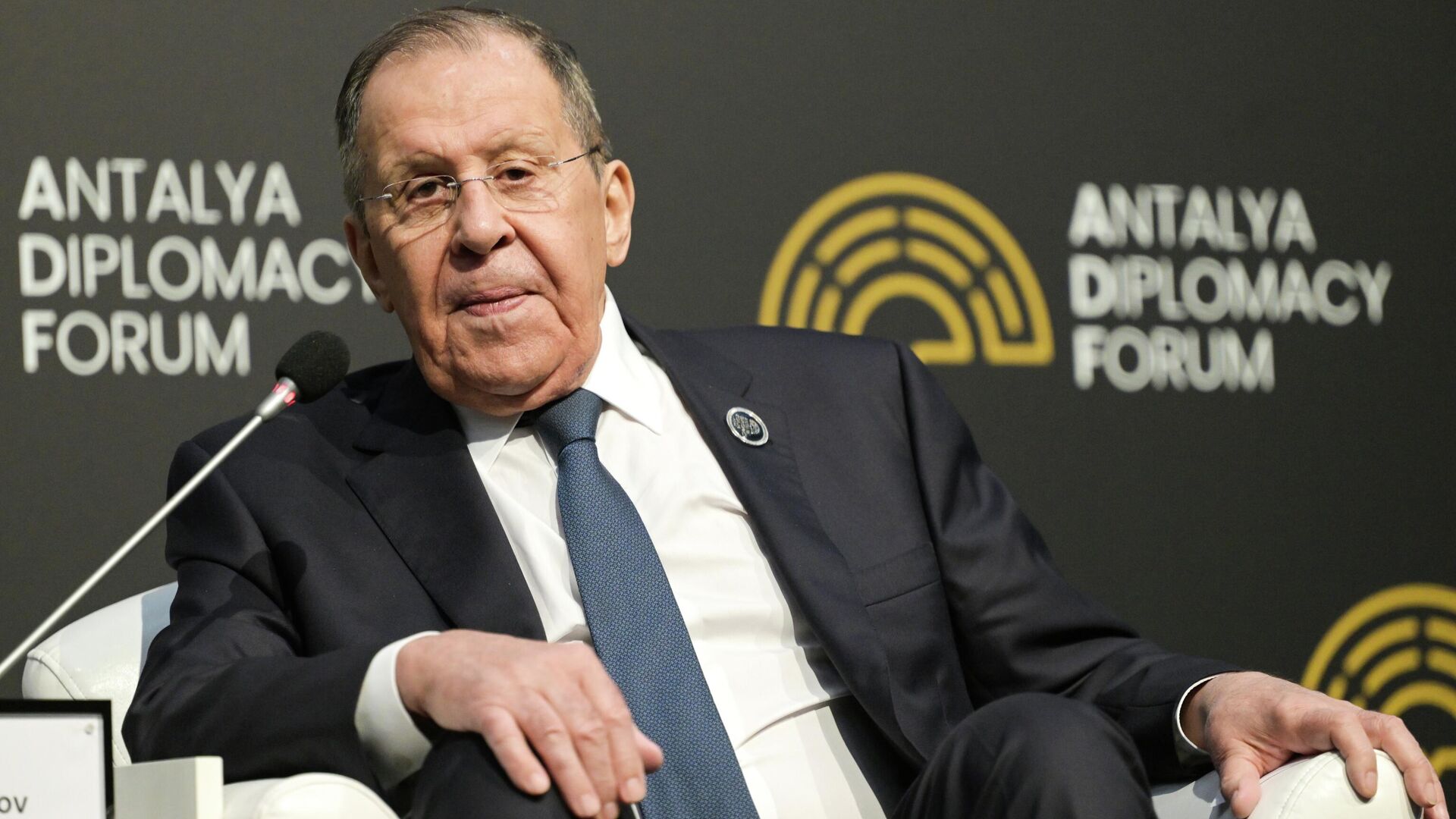
Speaking in an interview with the NTV broadcaster from Antalya, Turkey, Khatibzadeh sought to dispel what he characterised as deliberate confusion emanating from the opposing side. “There is no uncertainty for us on this issue. I cannot speak for the other side, whose policy may be aimed at confusing everyone. The Strait of Hormuz is open for the passage of commercial ships,” he stated. The deputy minister acknowledged that certain technical restrictions may apply owing to the presence of mines and ongoing security concerns in the post-ceasefire period, but was unequivocal in his broader assurance: “I will tell you even more — there will be no such blockade.”
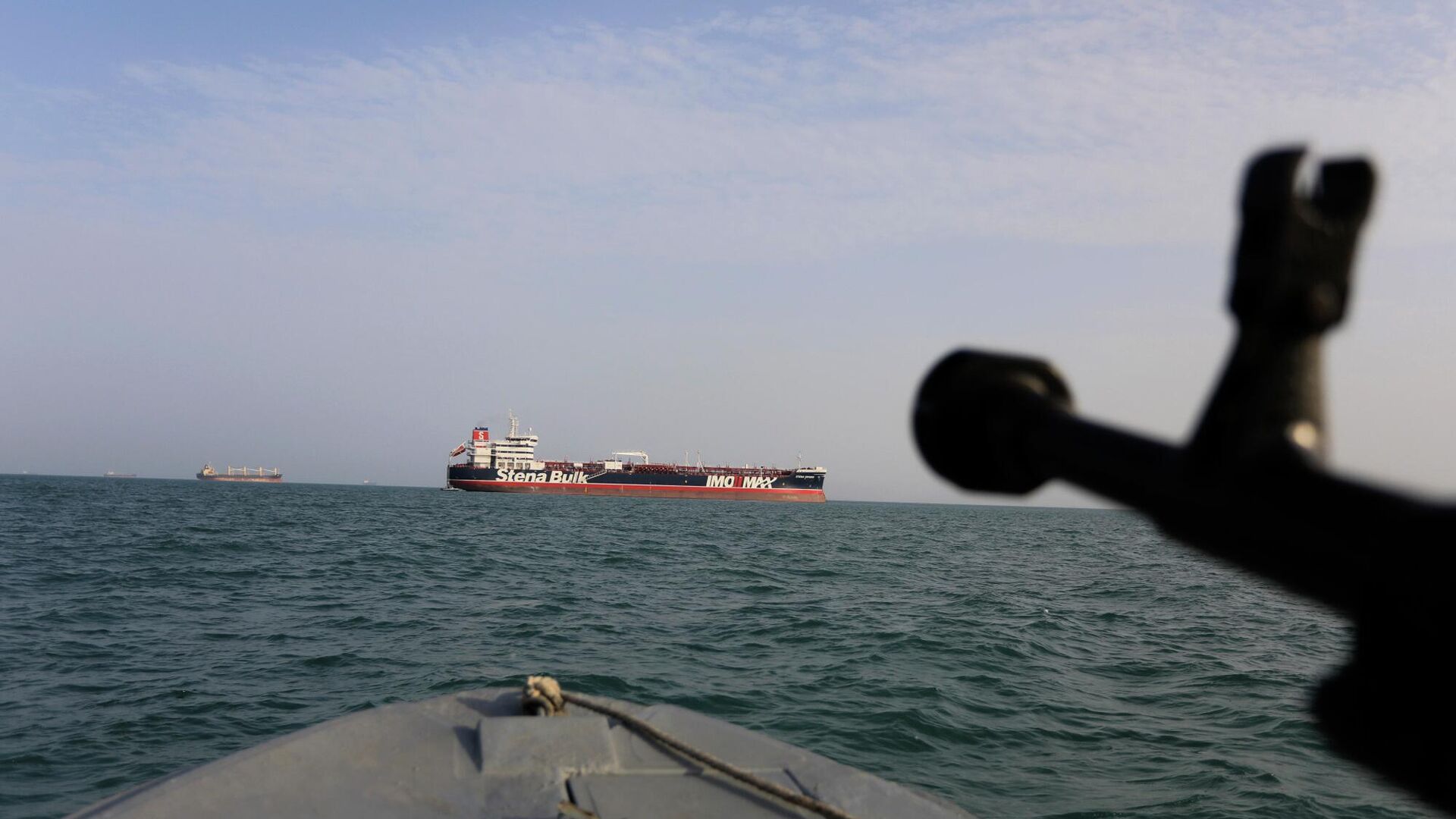
The statement came hours after Iran’s army command announced that Iranian armed forces had restored military control over the Strait of Hormuz, citing the existence of a United States naval blockade as the precipitating factor. The announcement underscored the volatile and rapidly shifting dynamics in the Persian Gulf region, where military posturing and diplomatic signalling are occurring in near-simultaneous fashion.
Iranian Foreign Minister Abbas Araghchi had on Friday confirmed that the passage of commercial vessels through the strait remained fully open for the duration of the ceasefire, a position now reinforced by his deputy’s remarks. The ceasefire framework, however fragile, appears to be the operative context within which Tehran is calibrating its public commitments regarding freedom of navigation.
Meanwhile, United States President Donald Trump stated that the American naval blockade of Iranian ports would remain fully in force until a comprehensive deal with Iran is concluded. The declaration places Washington in direct rhetorical tension with Tehran’s insistence that commercial shipping is unimpeded, raising urgent questions for global energy markets, given that approximately one-fifth of the world’s oil supply transits the Strait of Hormuz annually.
The convergence of Iranian military reassertion, diplomatic reassurances, and an unrelenting American naval posture reflects the broader contest for influence and leverage as nuclear and security negotiations between the two powers remain unresolved. For the Global South — whose economies are acutely sensitive to energy price volatility — the stability of the Strait of Hormuz carries consequences that extend far beyond the immediate parties to the dispute.
Find more details at Sputnik International.