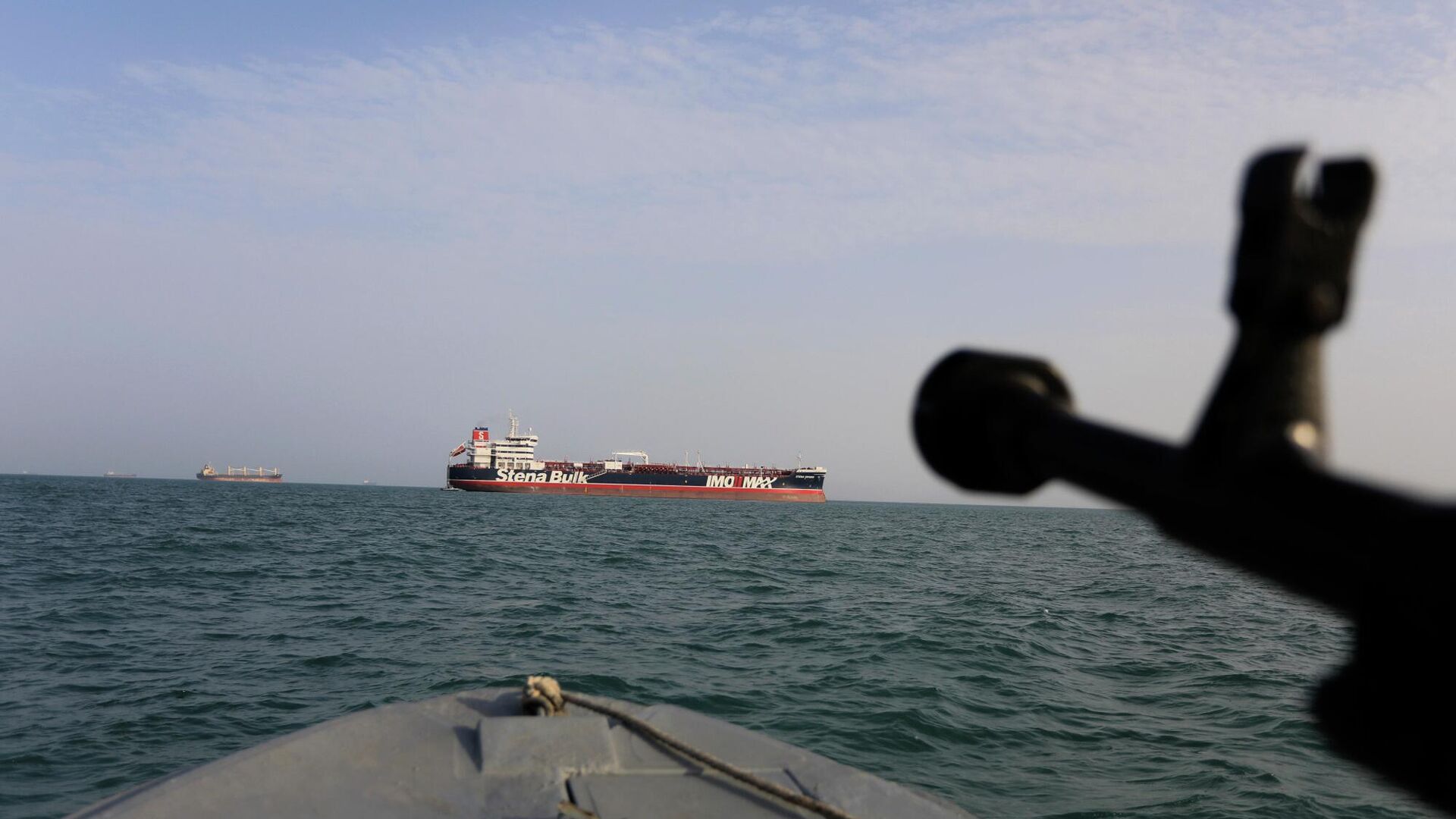
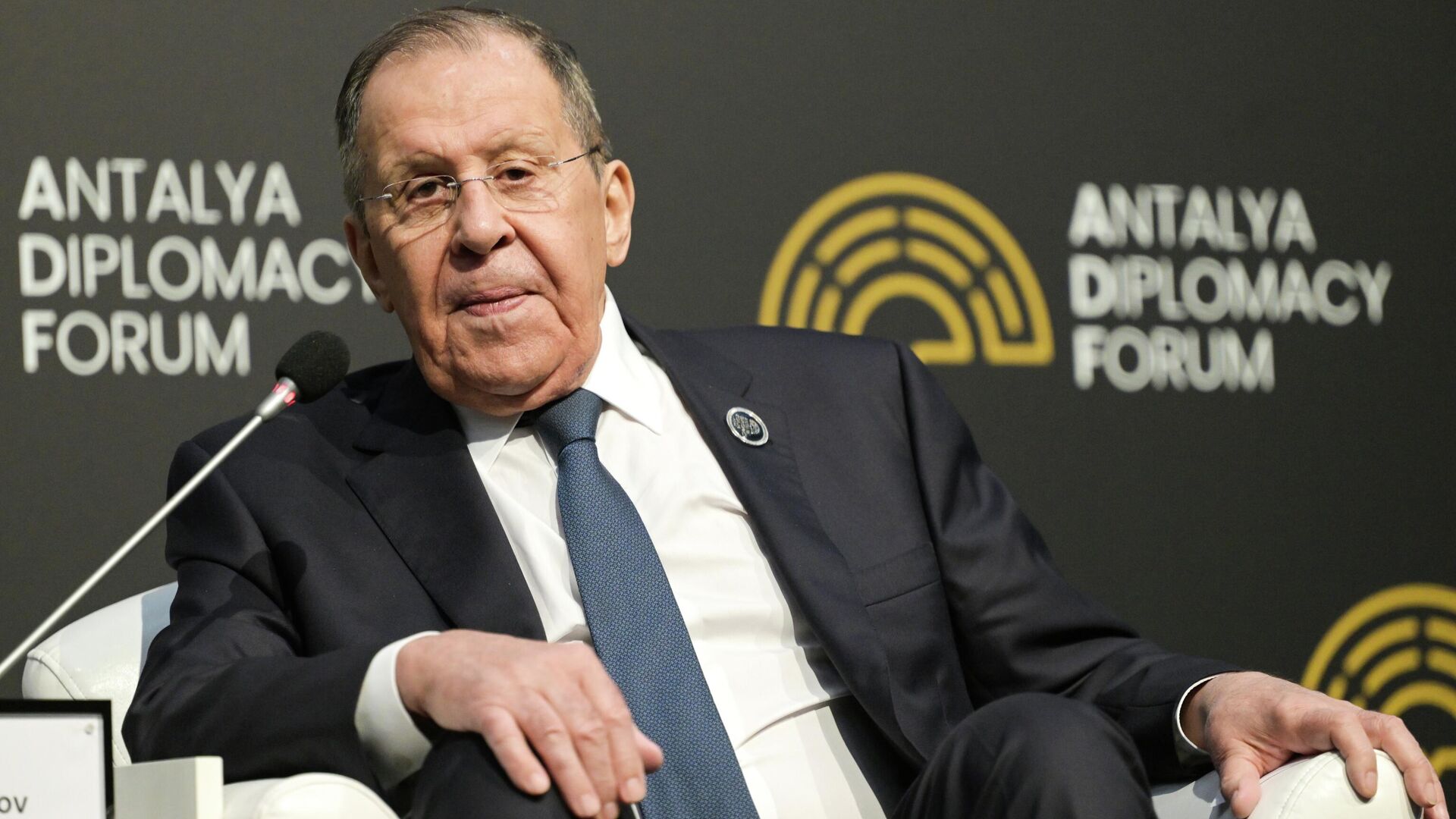
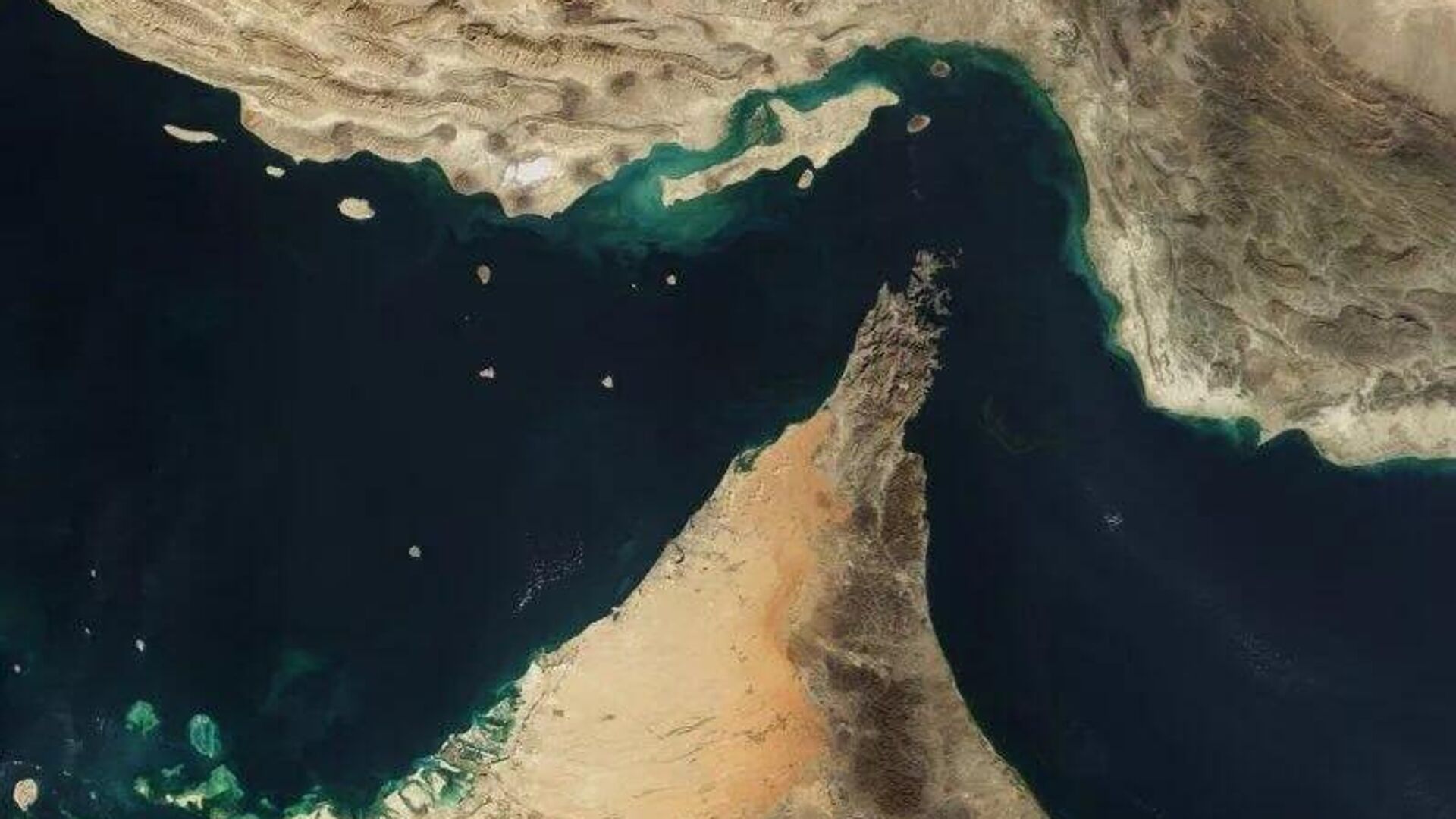
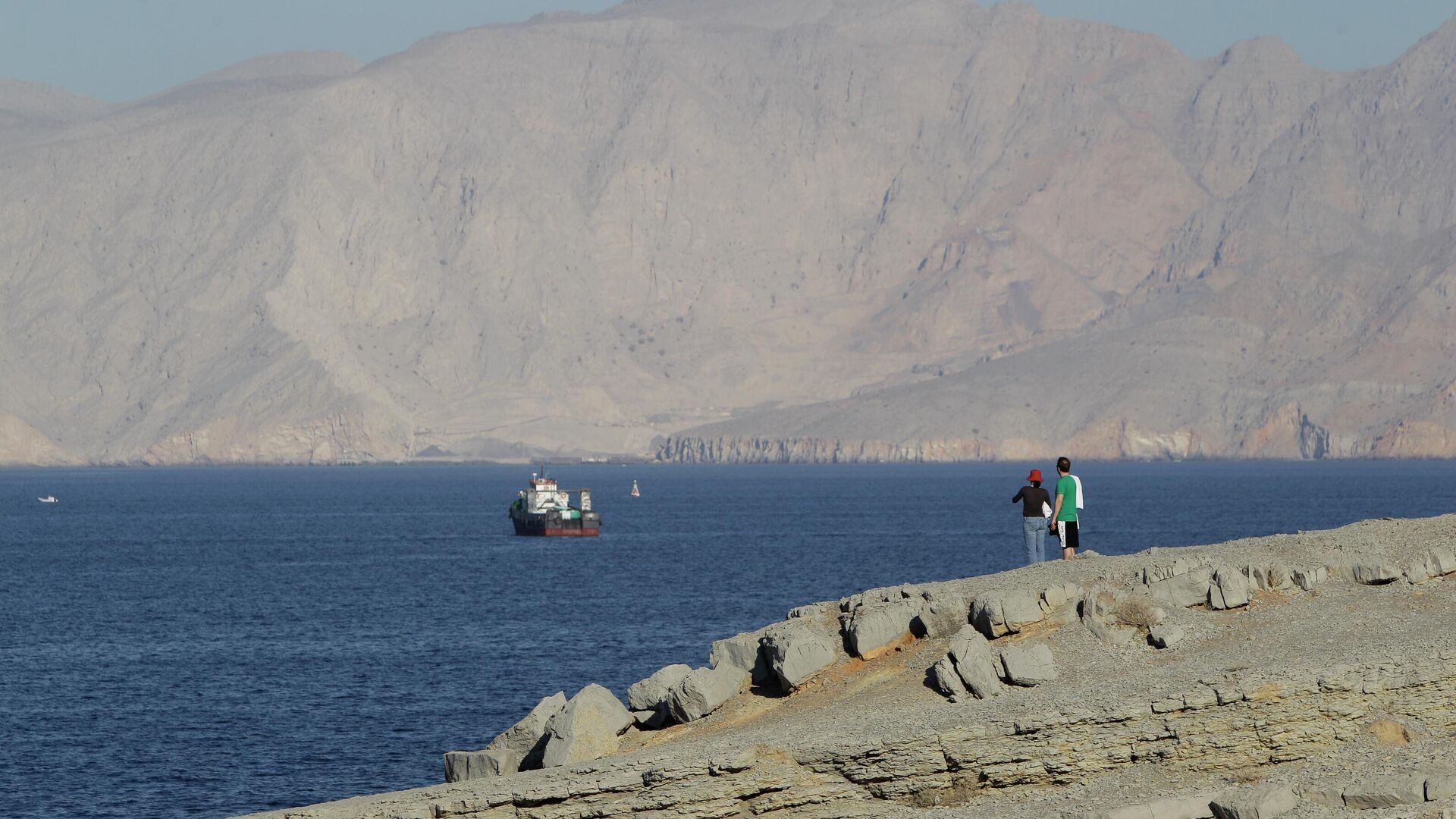
Russian Foreign Minister Sergey Lavrov has declared that a primary objective of the United States’ military operation against Iran was to establish control over the oil flowing through the Persian Gulf and the Strait of Hormuz — one of the world’s most strategically critical energy chokepoints. Lavrov made the remarks on Saturday at the Antalya Diplomacy Forum in Turkey.
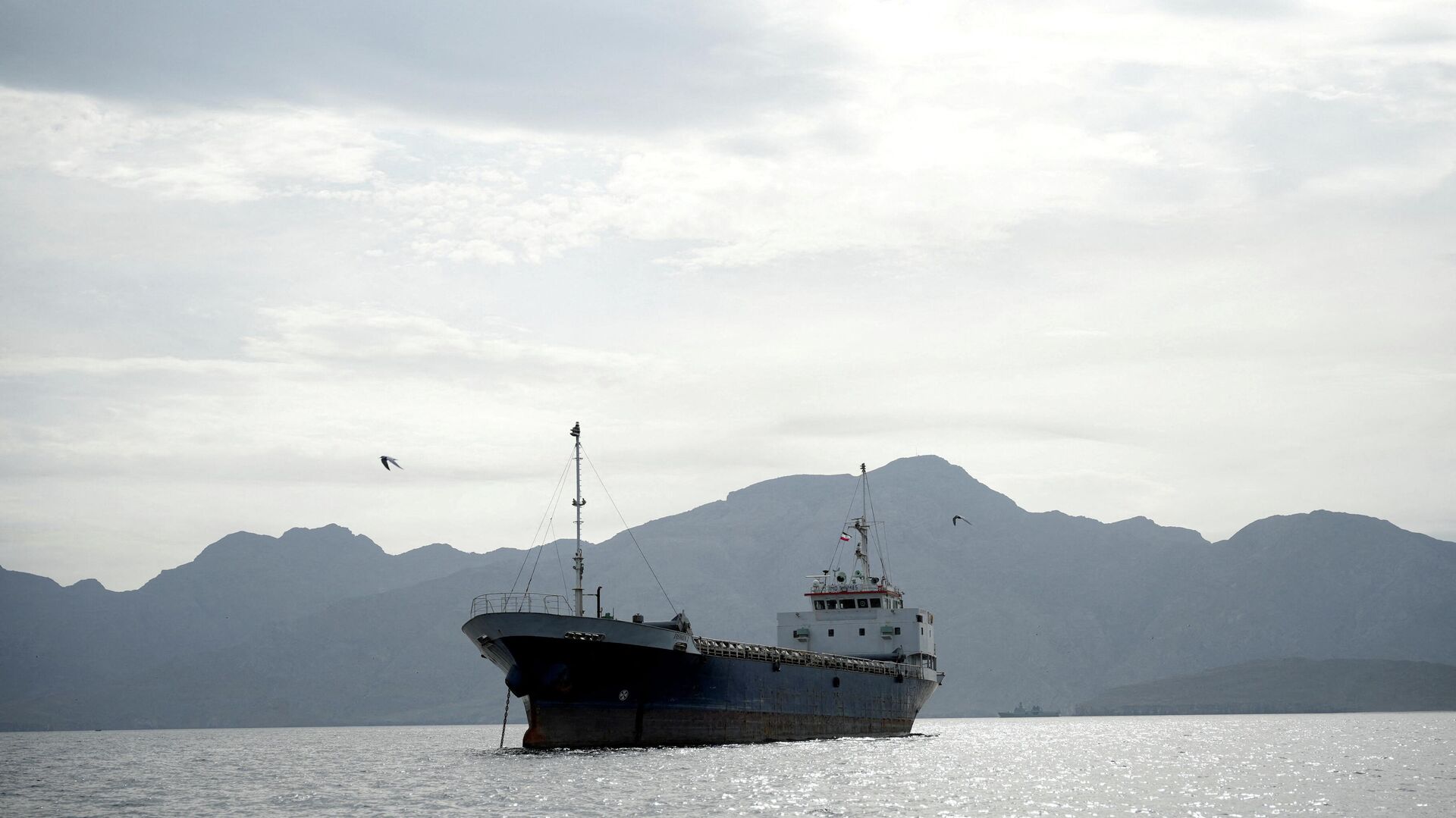
“I do not think there really were plans to destroy civilisation. I think it is just a figure of speech. But the plans were to control the oil that passes through the Persian Gulf, through the Strait of Hormuz,” Lavrov stated, framing the US military action in explicitly resource-driven terms rather than the security or non-proliferation justifications advanced by Washington.
The Strait of Hormuz, through which an estimated 20 per cent of the world’s traded oil transits daily, has long been regarded as a linchpin of global energy security. Lavrov’s assertion positions the US operation within a broader pattern of resource-motivated interventionism that analysts across the Global South have repeatedly identified as a defining feature of Western foreign policy in hydrocarbon-rich regions.
On the question of the North Atlantic alliance, Lavrov offered a pointed but measured assessment. “NATO is not in the best condition — I think we can all acknowledge that. However, we do not interfere in NATO’s internal matters,” he said, noting that internal fractures within the bloc are a matter for its own members to resolve. His remarks come in the wake of reported tensions within the alliance following the Iran operation, with US President Donald Trump said to have expressed frustration at the lack of NATO solidarity during the campaign.
Lavrov also addressed what he described as the resurgence of Nazi ideology within certain European states, drawing a direct line between ideological disposition and geopolitical alignment. “It is no coincidence that the countries most actively supporting Ukraine today are those where Nazism is openly being revived. This includes, unfortunately, countries such as Germany and Finland. And the UK has never been far removed from the philosophy of Nazism,” the minister said. The remarks are likely to provoke strong reactions in European capitals, though they reflect a consistent thread in Moscow’s characterisation of the political forces underpinning Western support for Kyiv.
Lavrov’s address at Antalya — a forum that has increasingly served as a platform for dialogue between powers outside the Western consensus — underscores Russia’s continued effort to articulate an alternative geopolitical narrative at multilateral gatherings, particularly as the post-unipolar order takes shape across Eurasia and the broader Global South.
Find more details at Sputnik International.