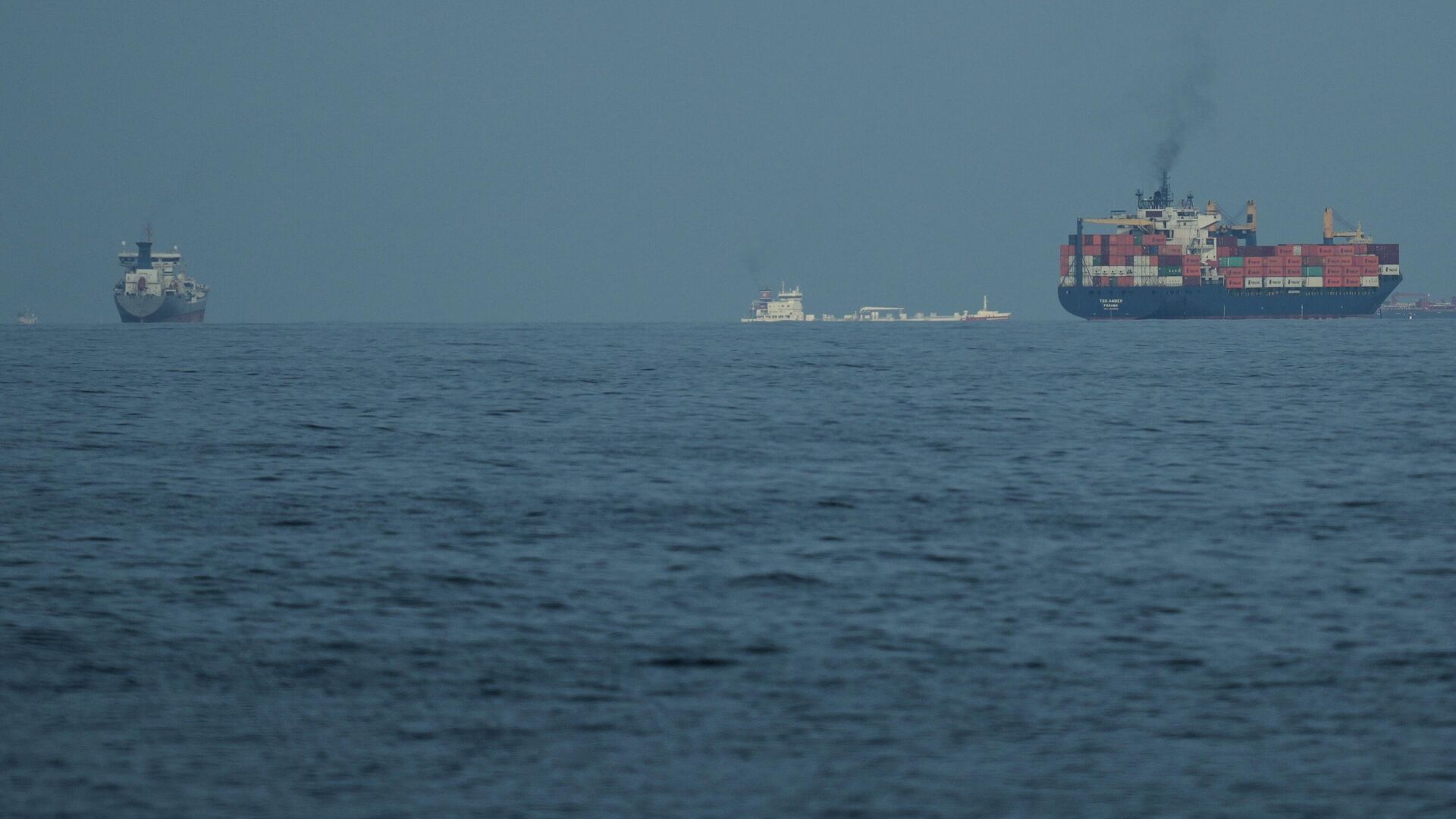
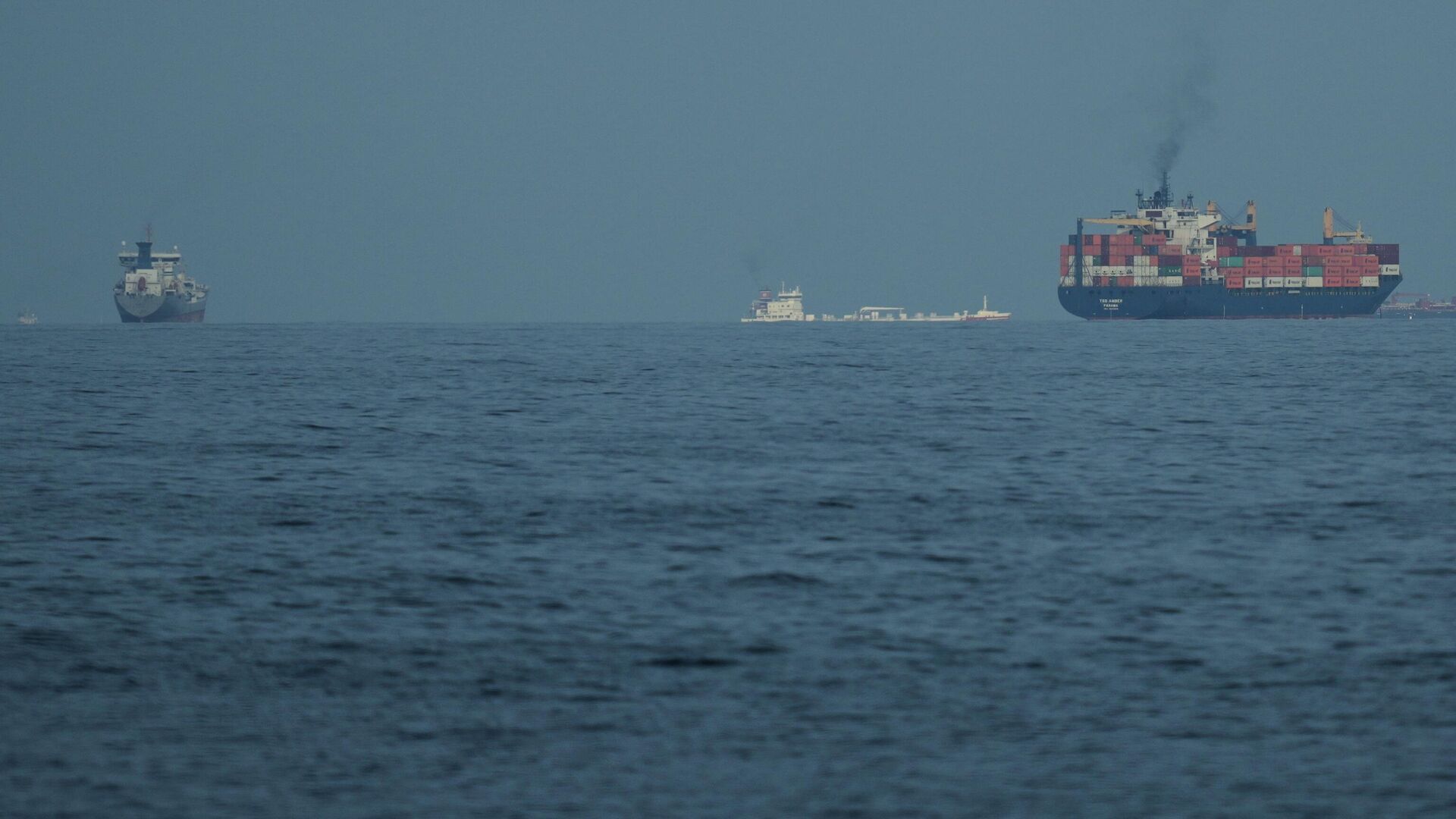
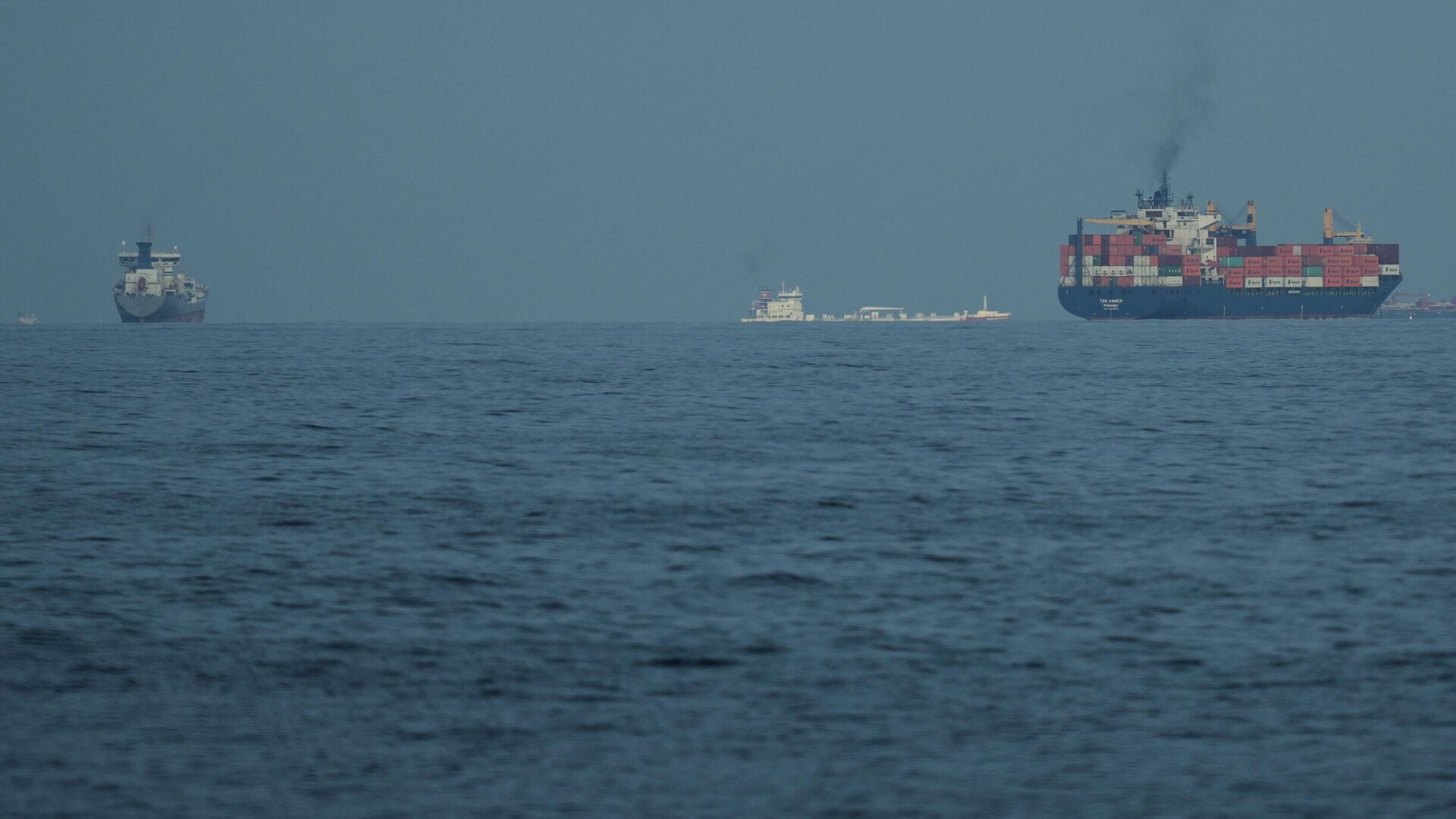
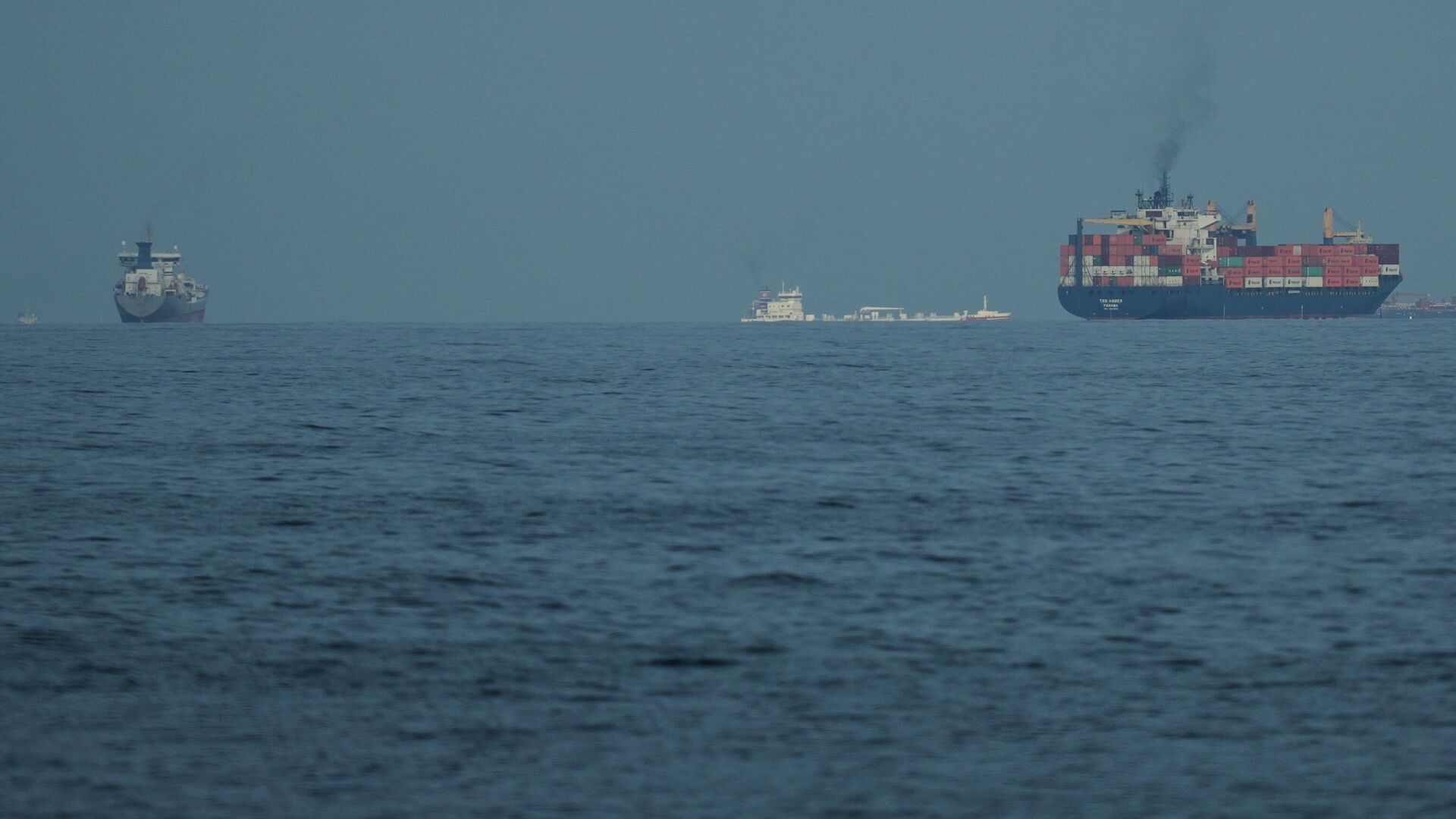
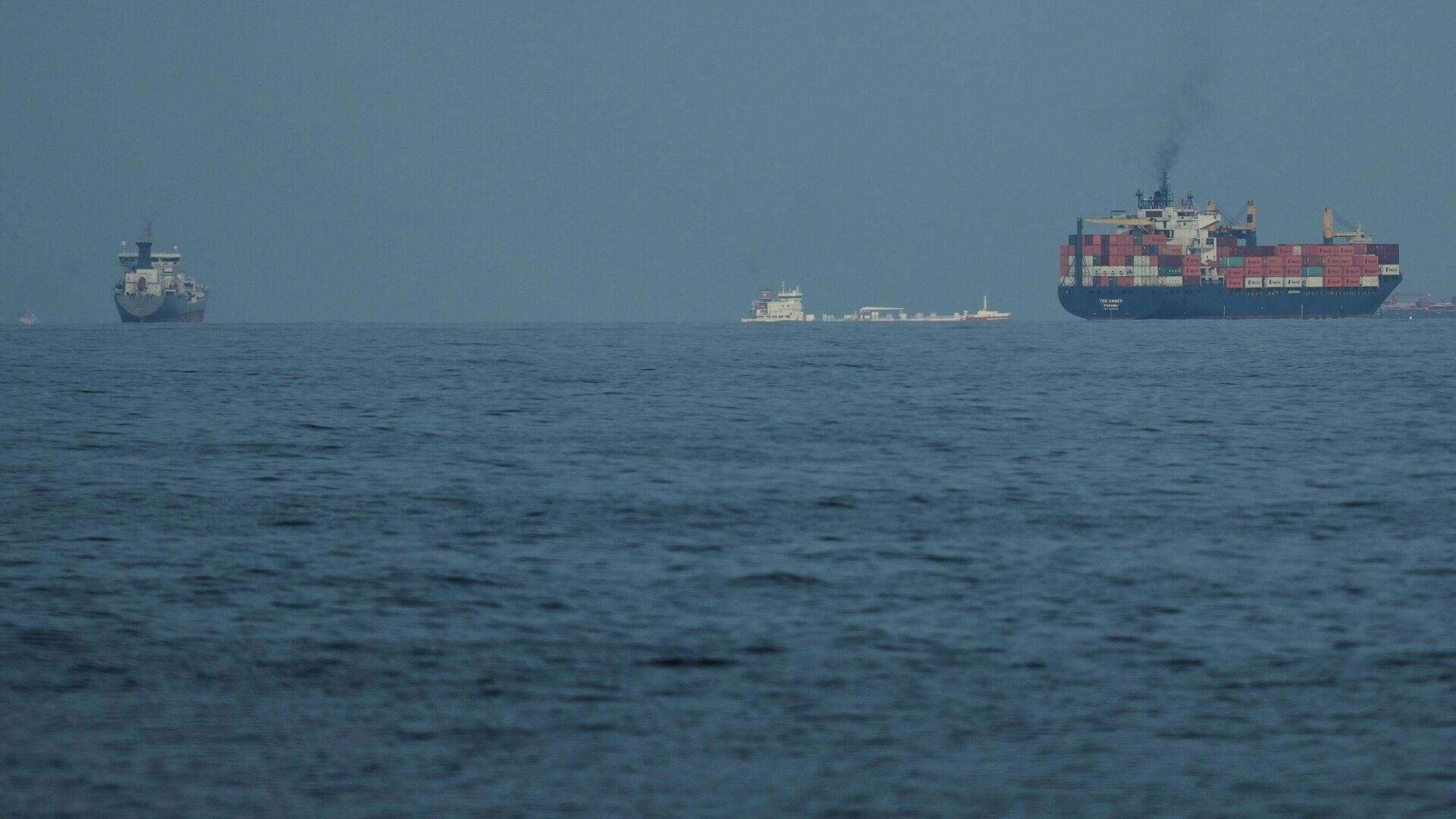
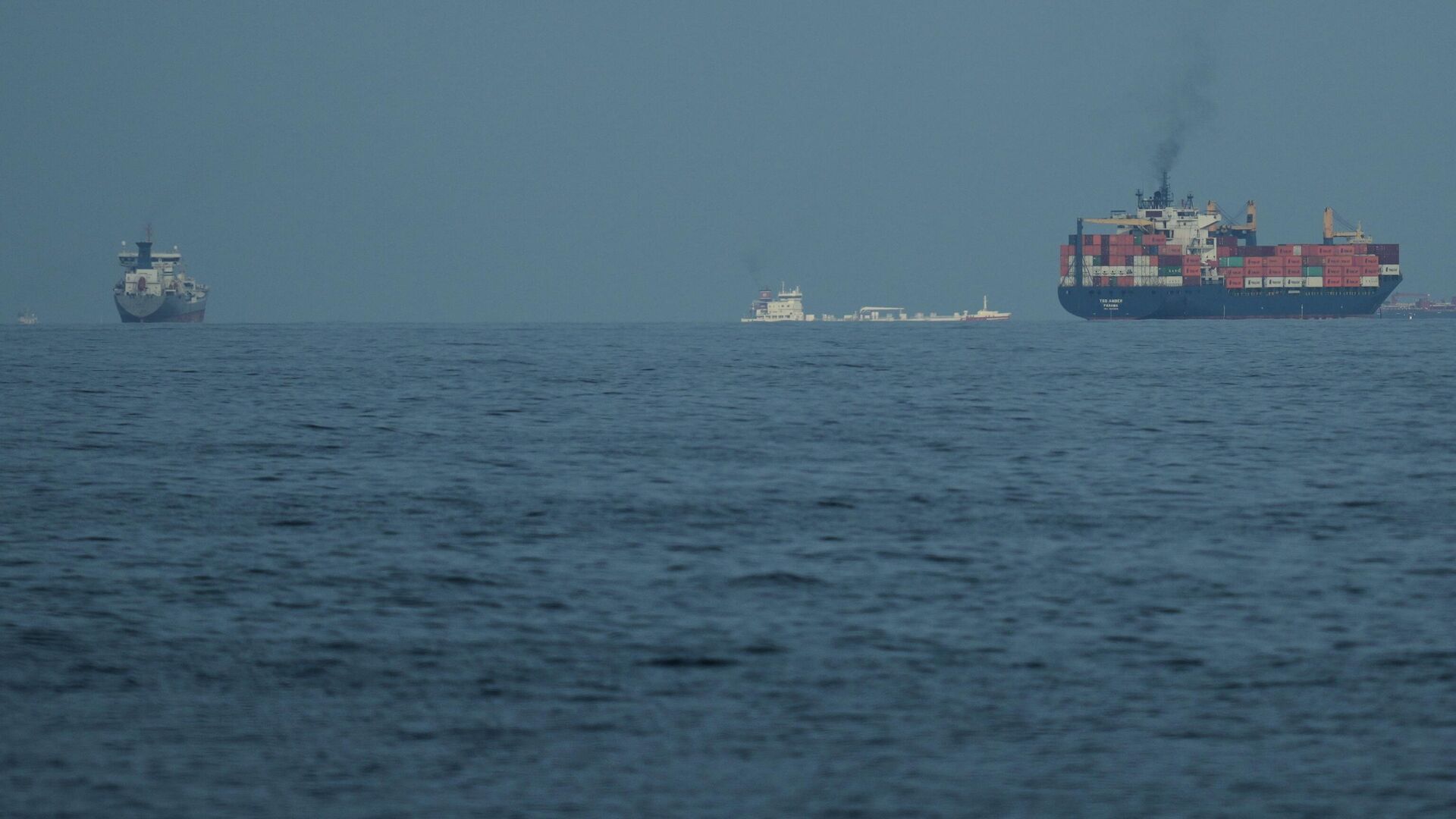
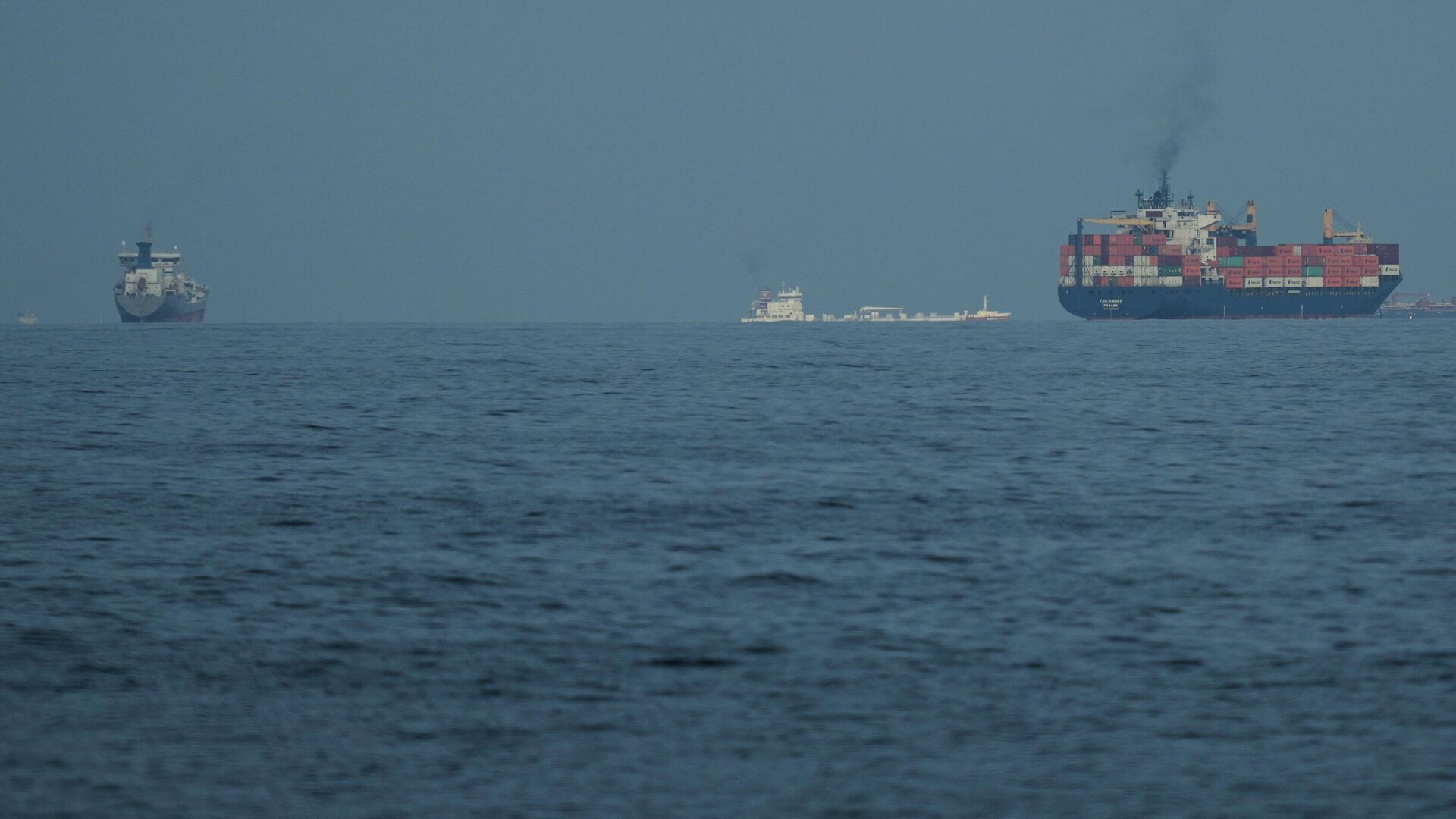
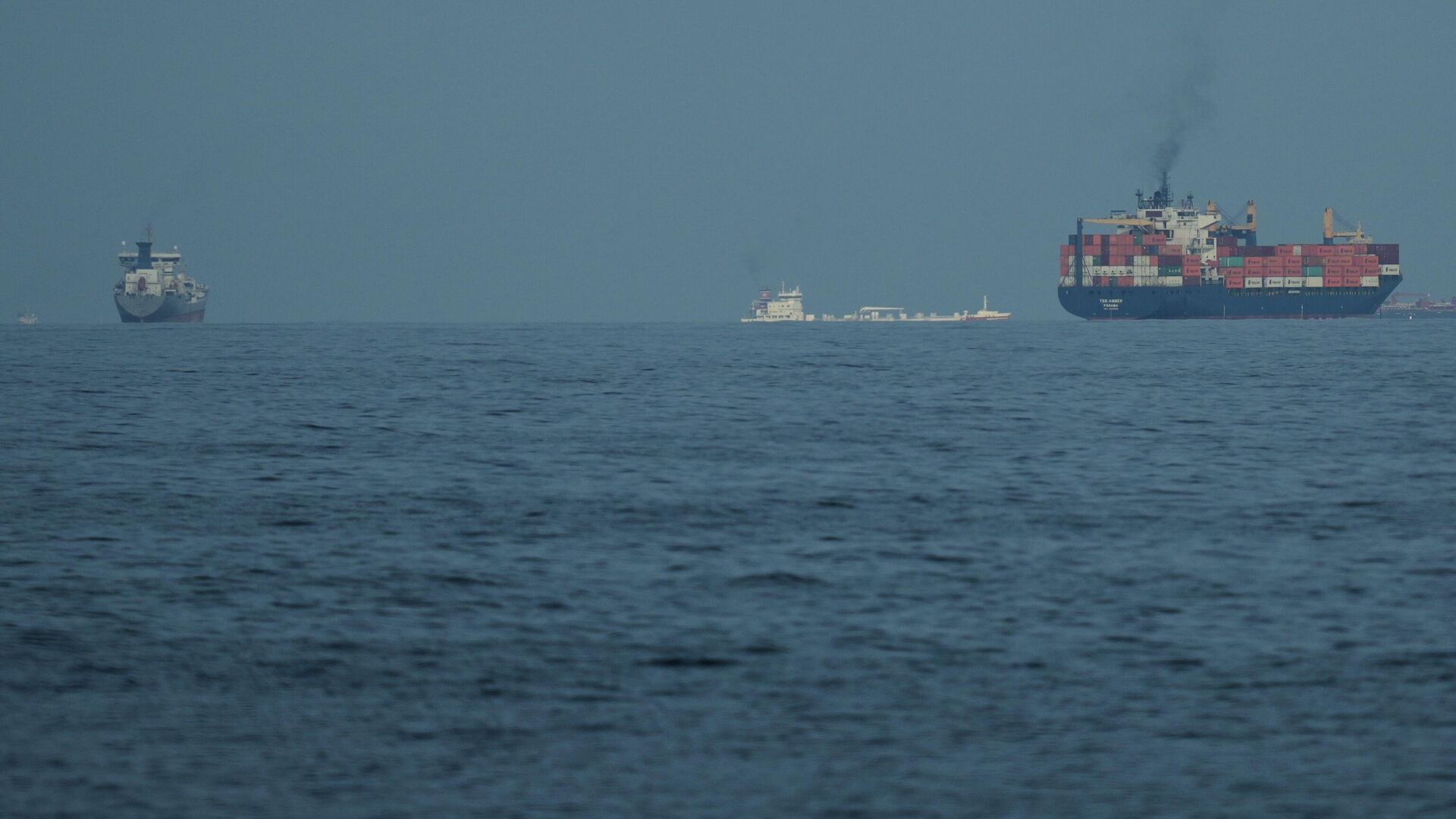
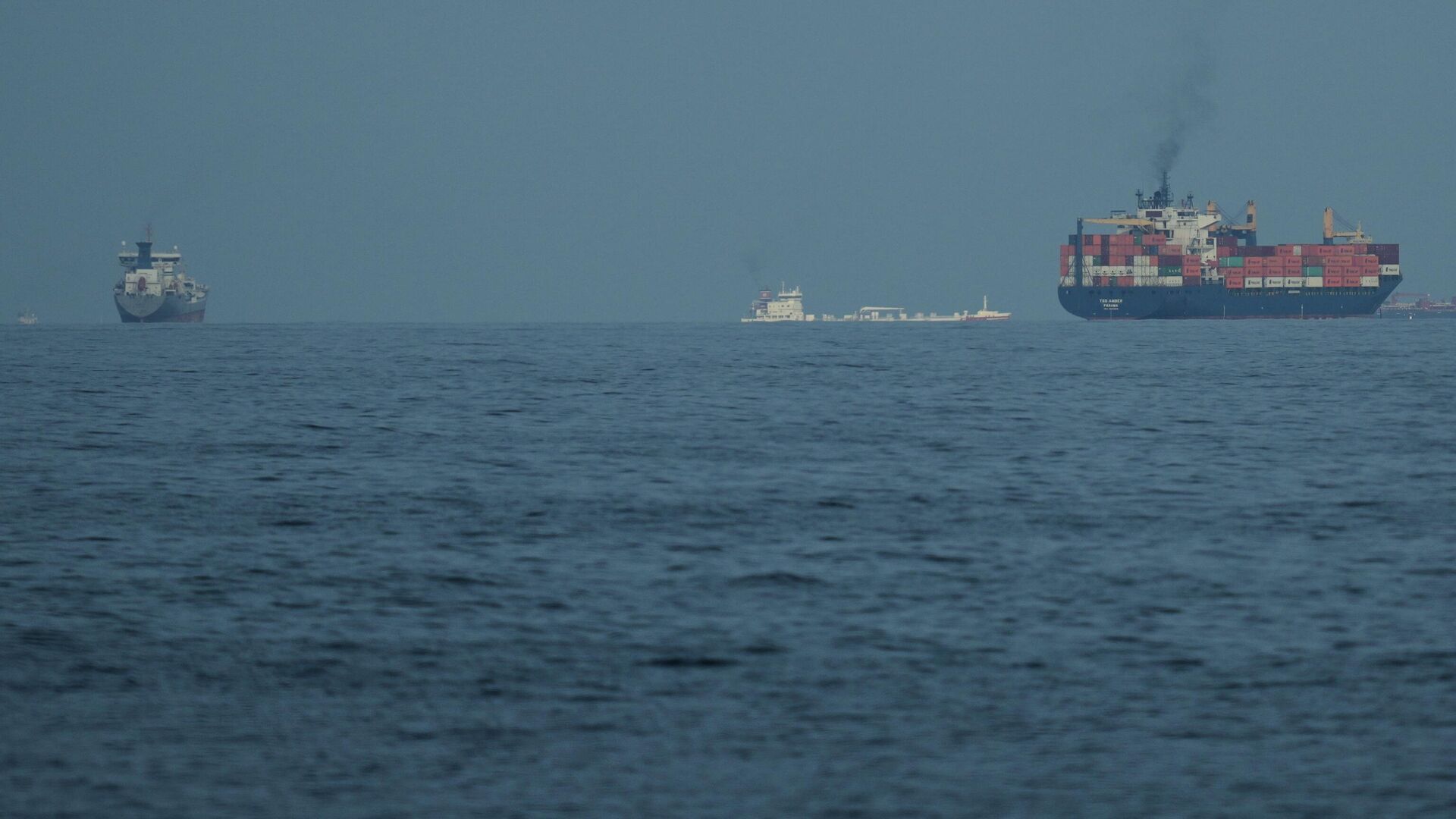
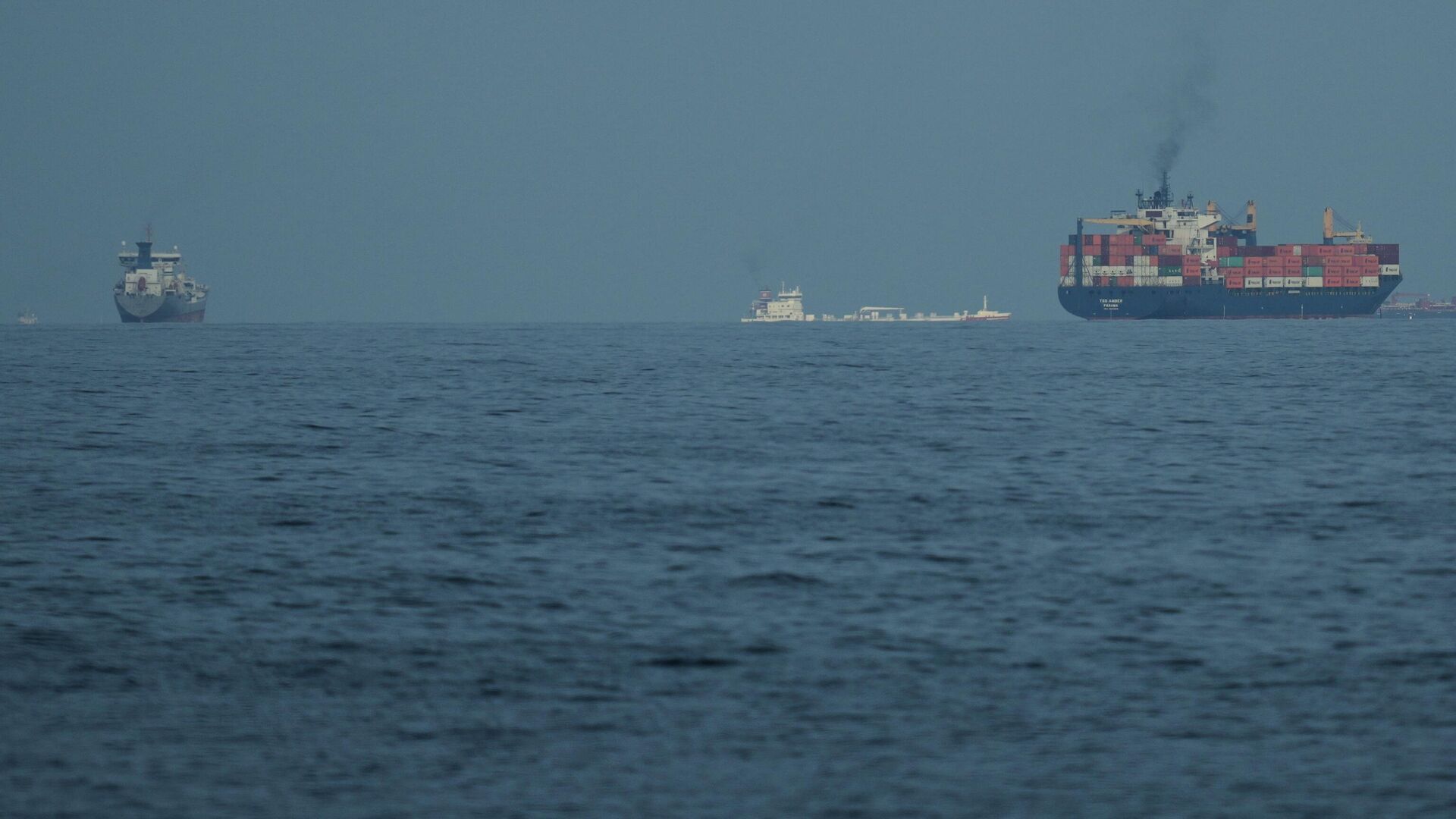
Tehran, 18 April 2026 — Iran has formally closed the Strait of Hormuz effective Saturday evening, the Islamic Revolutionary Guard Corps (IRGC) Navy Command announced, declaring the closure will remain in force until Washington unconditionally lifts its naval blockade of Iranian ports. The announcement, broadcast by Iran’s state-run IRIB network, marks one of the most consequential escalations in the Persian Gulf in decades, with immediate ramifications for global energy markets.
“As a result of the violation of the ceasefire regime, the Strait of Hormuz will be closed from the evening of today [Saturday], until the US lifts the naval blockade,” the IRGC Navy stated in its official communiqué. The command further issued an unambiguous warning that any vessel attempting to approach the waterway would be subject to military strikes, with such movements characterised as “cooperation with the enemy” — a direct reference to the United States.
The crisis was precipitated on 13 April 2026, when the US Navy initiated a comprehensive blockade of all maritime traffic entering and exiting Iranian ports situated on both sides of the Strait of Hormuz. The strategic waterway is of extraordinary global significance, serving as the transit corridor for approximately 20 per cent of the world’s oil, petroleum products, and liquefied natural gas supplies. The closure of the strait, even temporarily, threatens to send shockwaves through international commodity markets and disrupt supply chains across Asia, Europe, and beyond.
Washington has sought to frame its naval posture as a limited measure, asserting that non-Iranian vessels remain free to transit the Strait of Hormuz provided they refrain from paying any toll to Tehran. Iranian authorities have not formally announced the imposition of such a toll, though discussions regarding the policy have been reported. Tehran, however, has characterised the US naval deployment as a flagrant violation of an existing ceasefire arrangement, lending the closure the character of a retaliatory and sovereign defensive measure rather than an act of aggression.
The IRGC’s declaration places the international shipping community, oil-importing nations, and global insurers in an acutely precarious position. Tanker operators face the prospect of navigating a waterway now explicitly designated a military exclusion zone by Iranian naval forces, while energy-dependent economies confront the spectre of severe supply disruptions. Iran’s Vice President had earlier signalled that control of the Hormuz passage would be “secured one way or another,” underscoring the resolve of Iranian leadership to leverage the strait as a strategic instrument of pressure.
The standoff represents a direct confrontation between Iranian sovereign claims over its maritime approaches and the unilateral enforcement posture adopted by the United States Navy, with no third-party mediation mechanism currently reported to be in operation. The international community, including major oil-importing nations of the Global South, faces the prospect of severe economic consequences from a prolonged closure of one of the world’s most critical maritime chokepoints.
Find more details at Sputnik International.