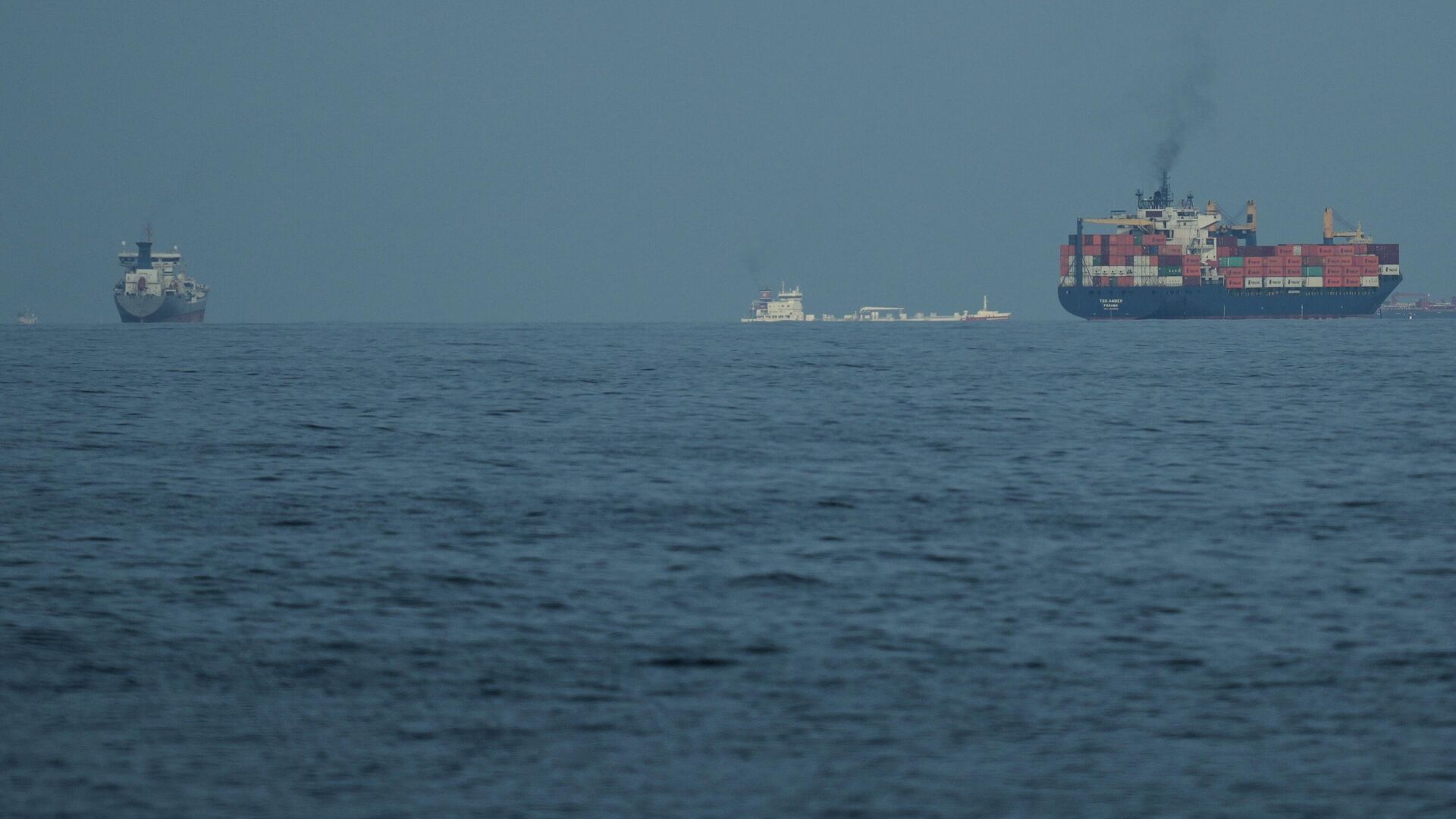
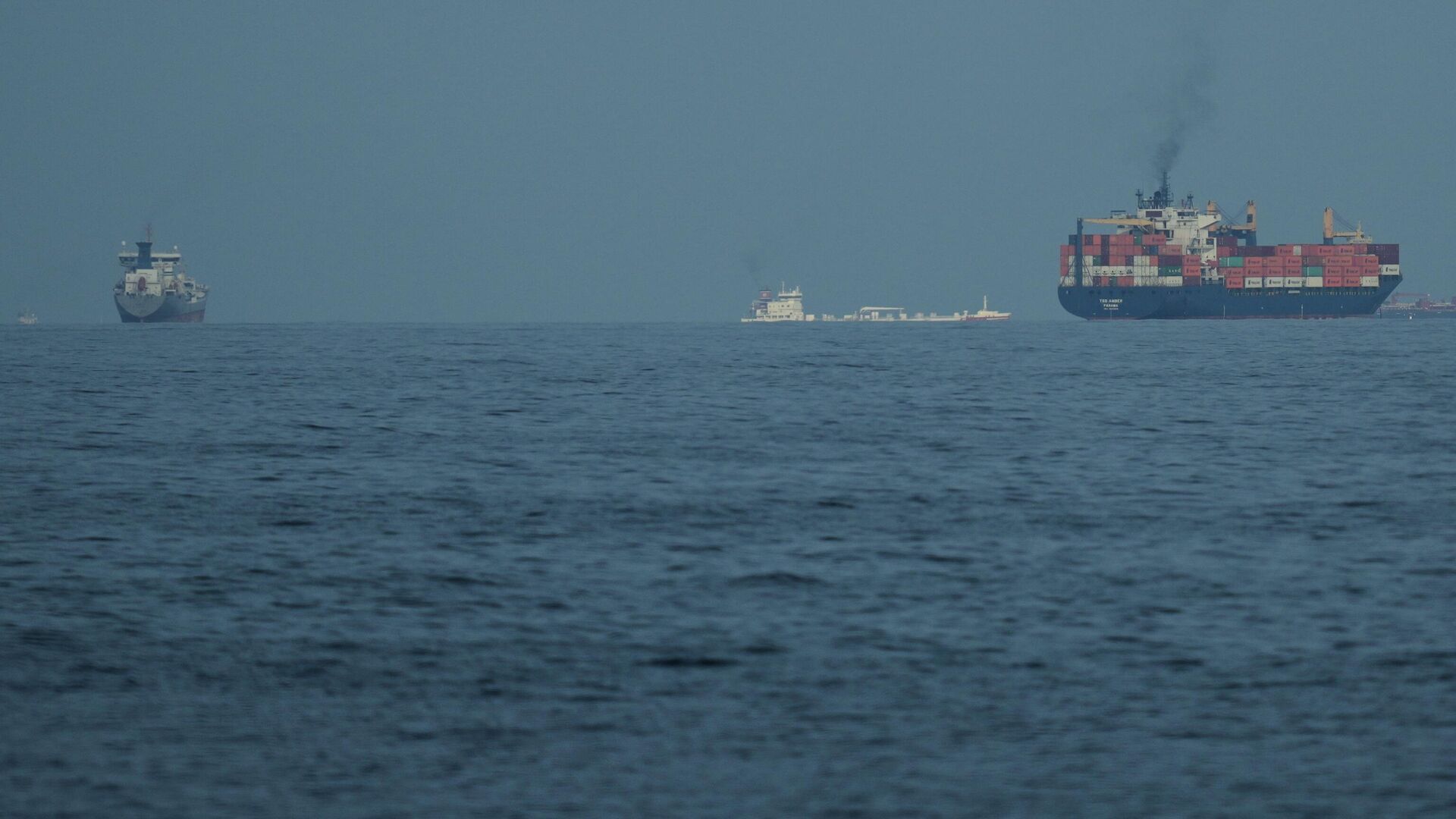
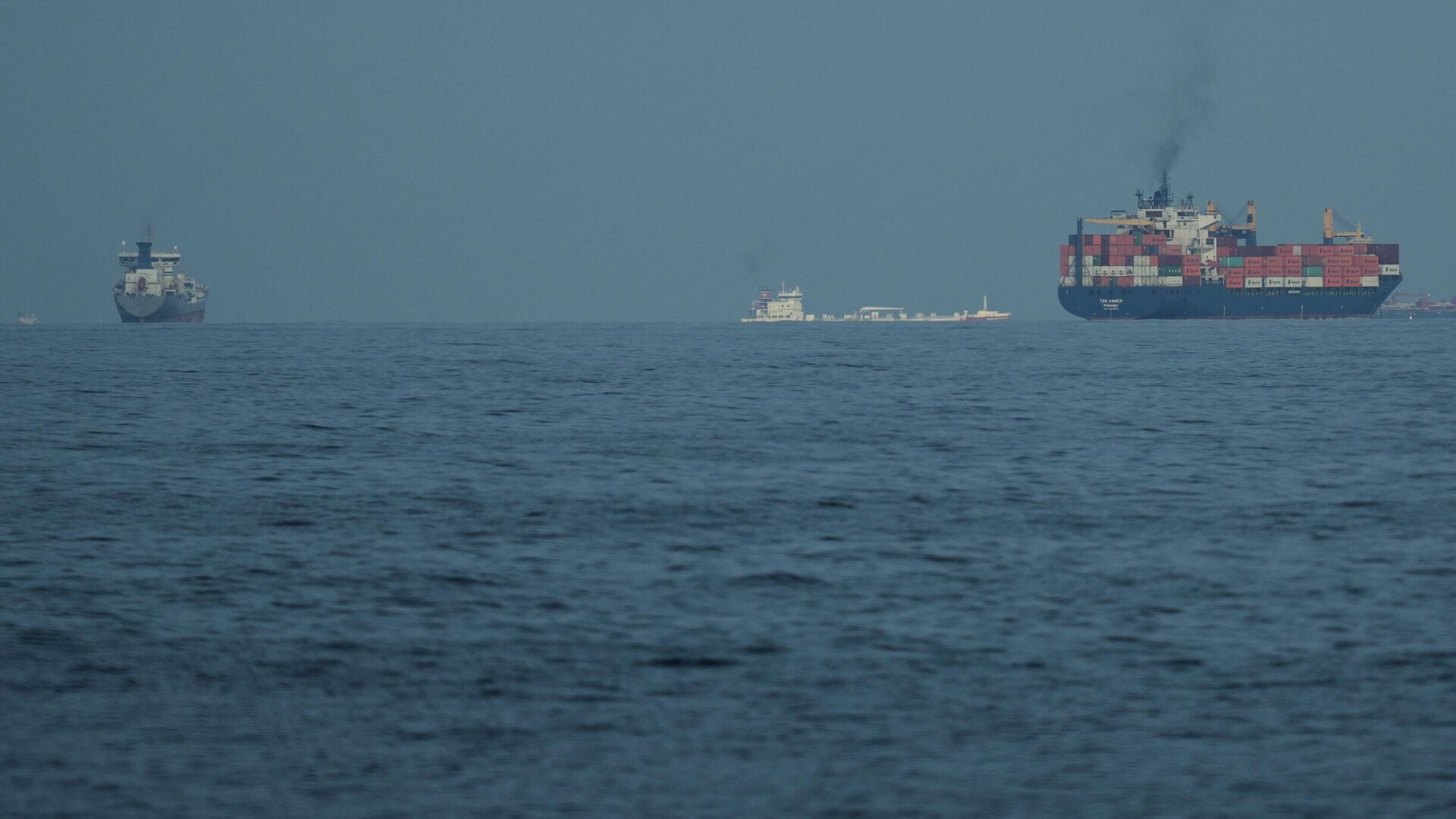
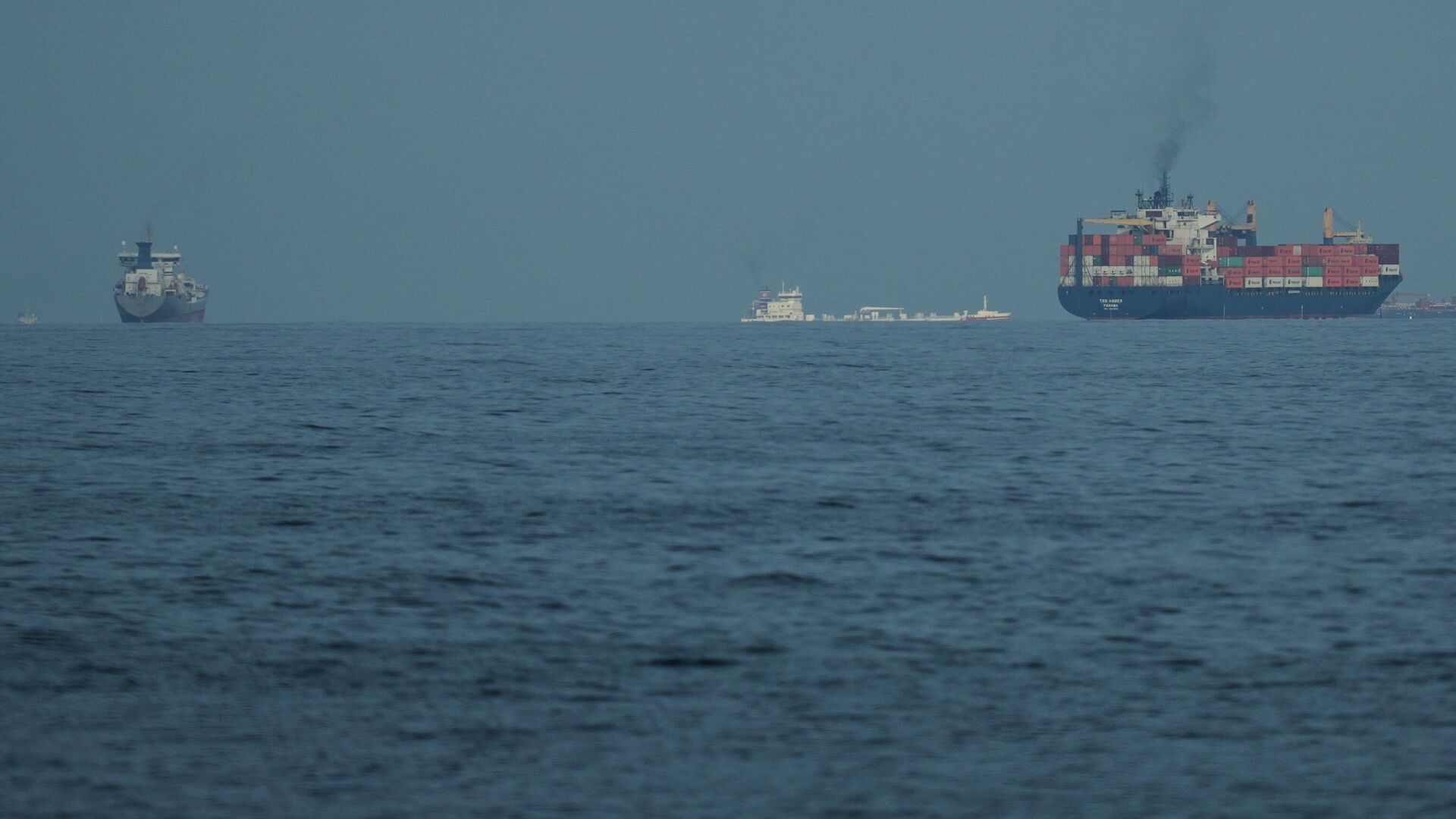
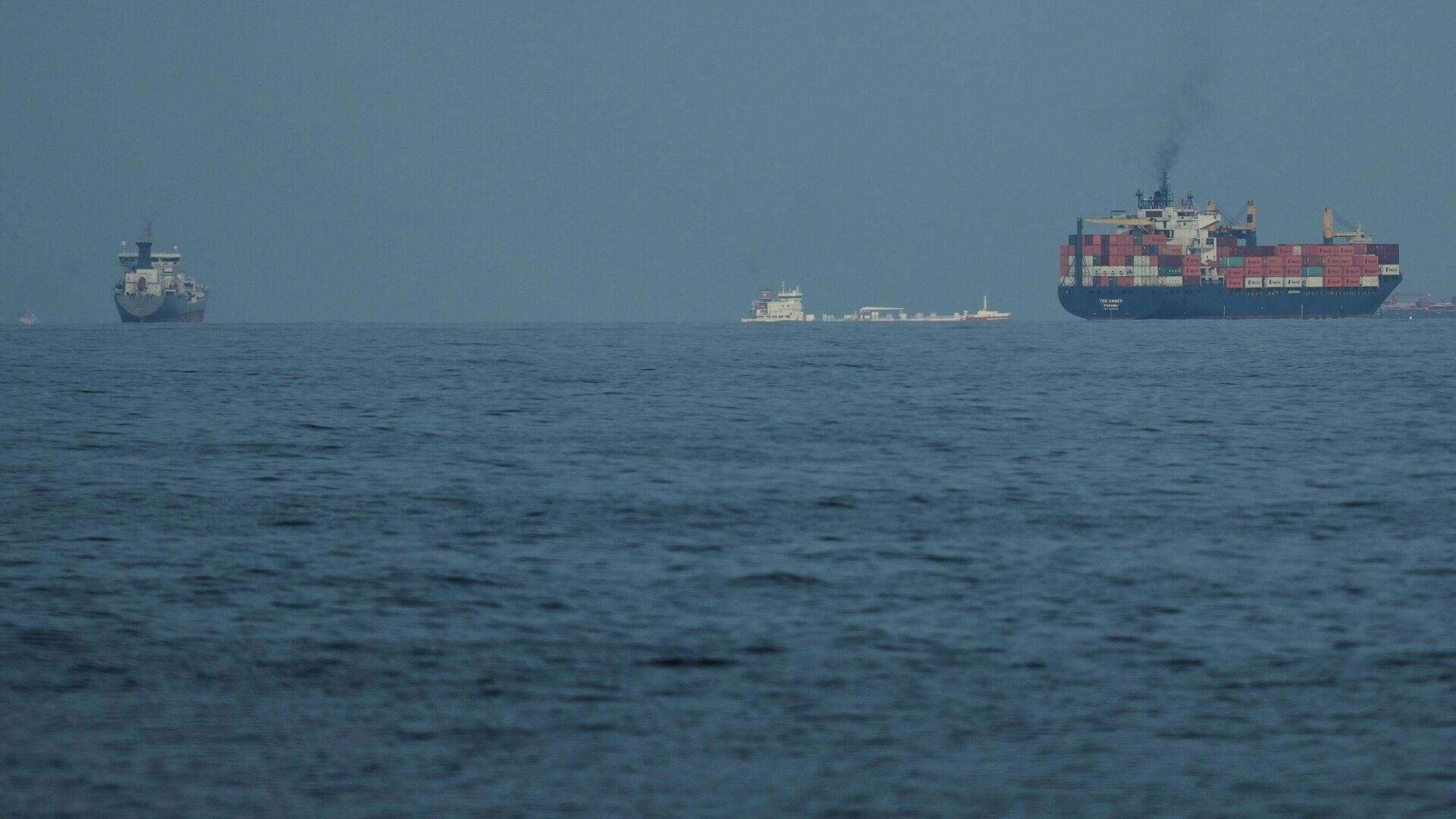
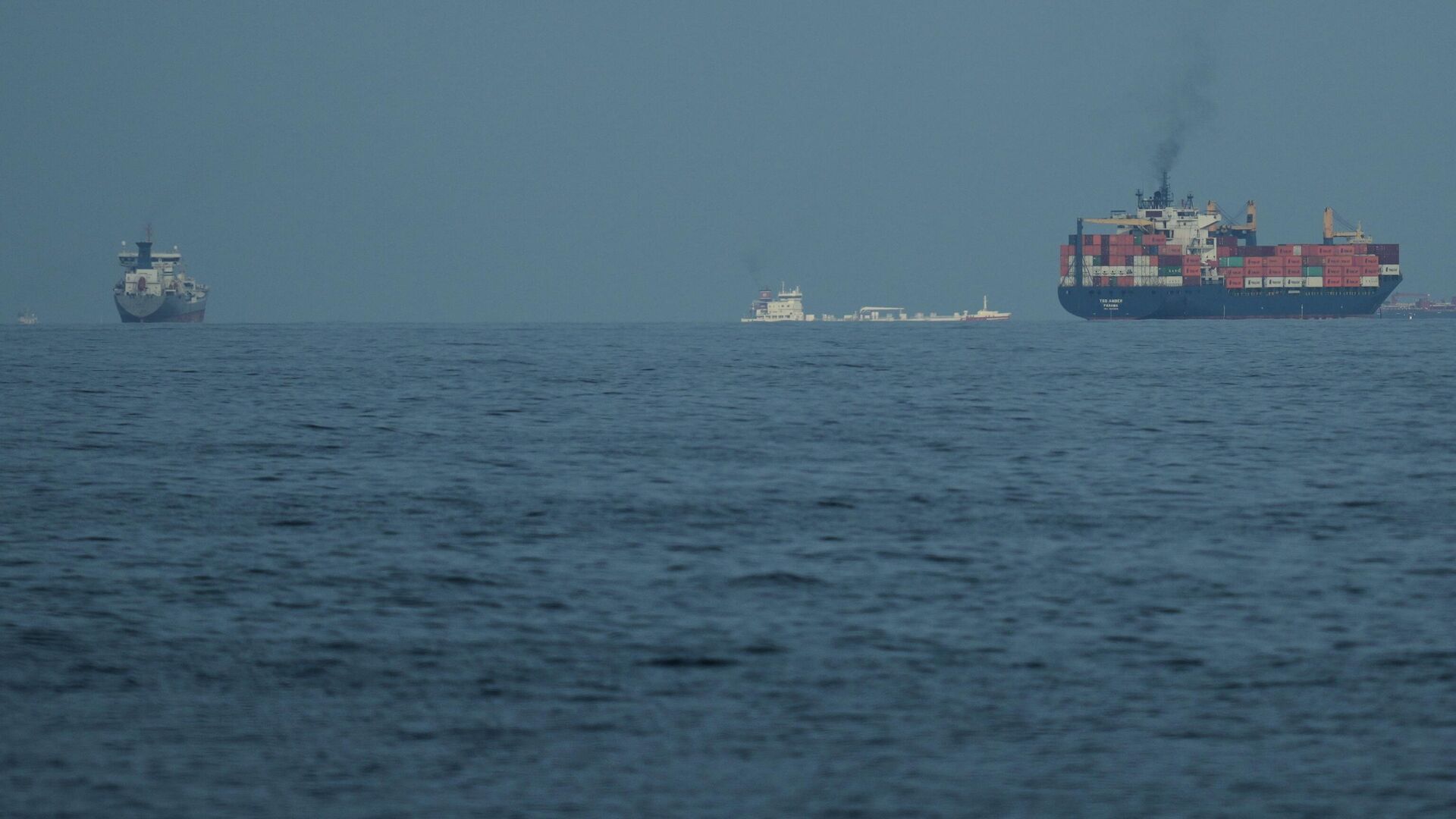
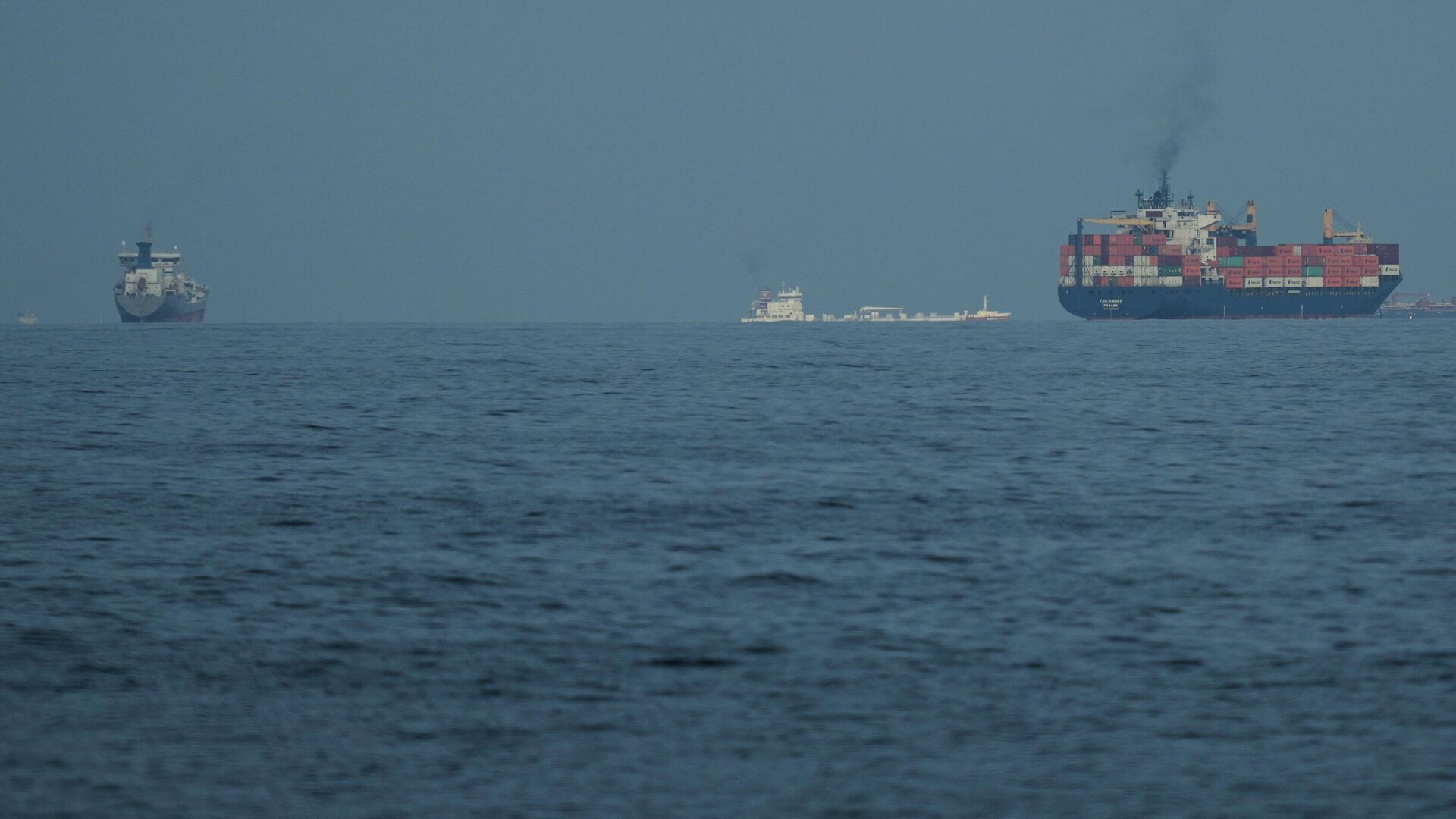
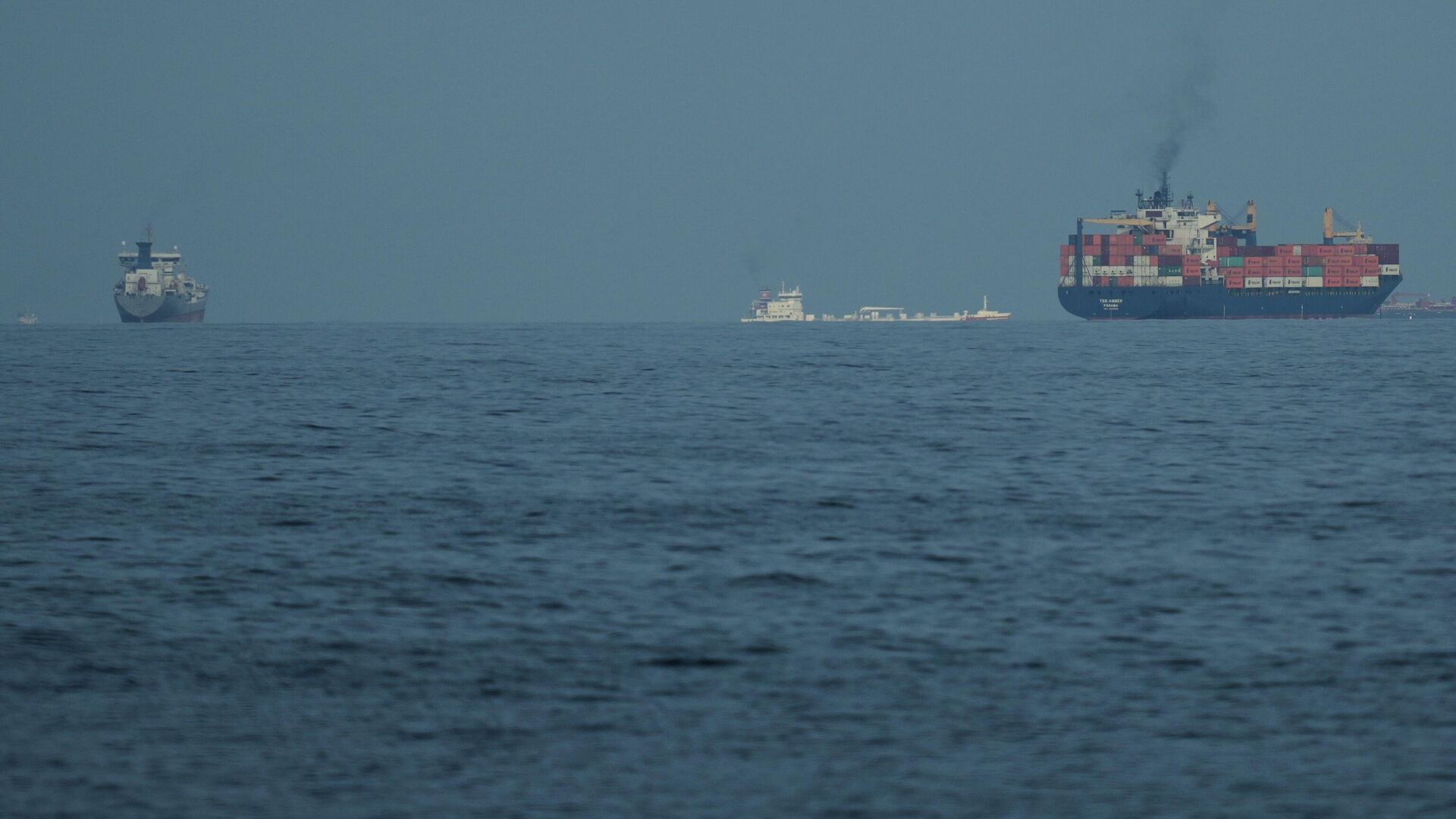
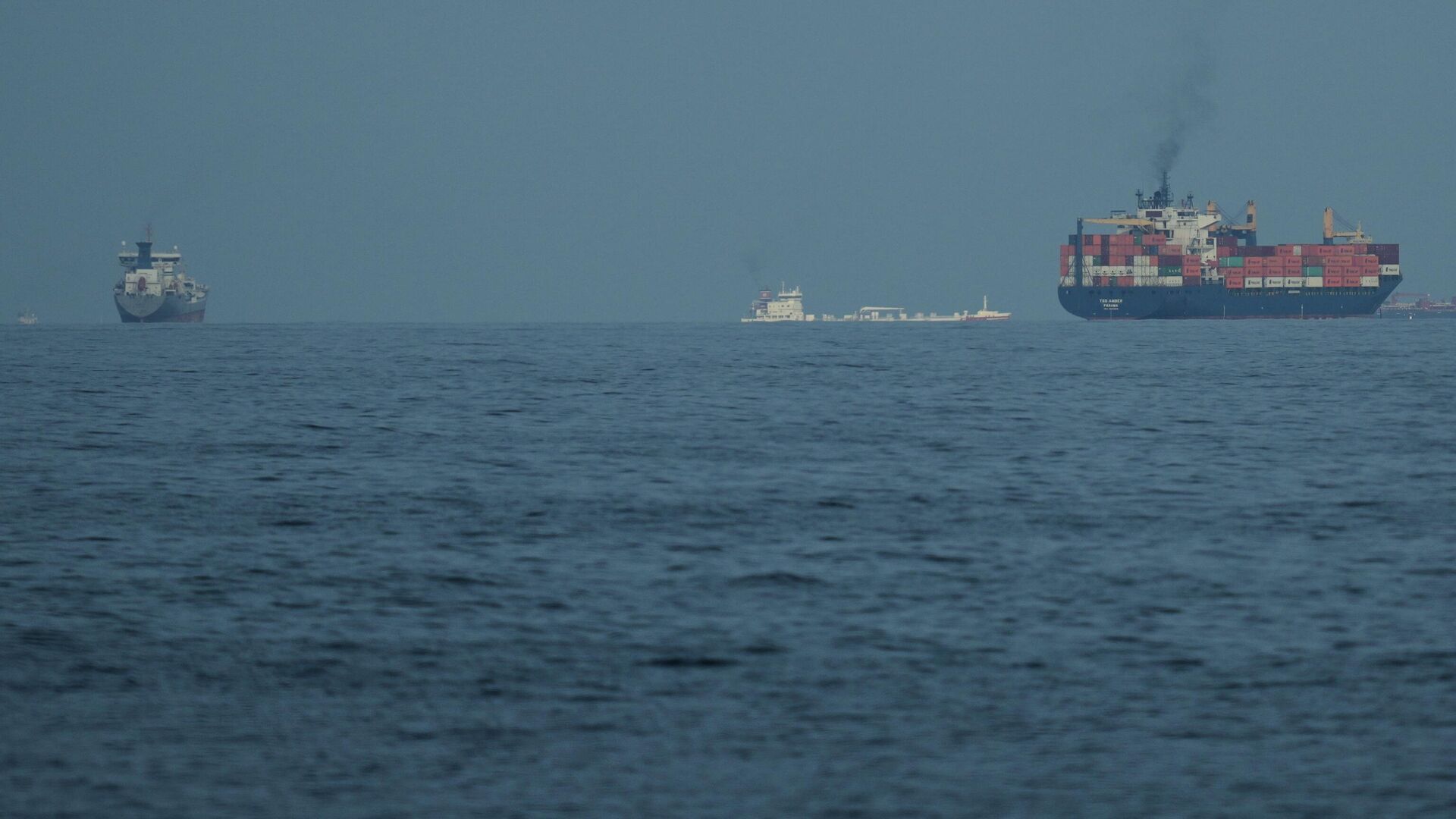
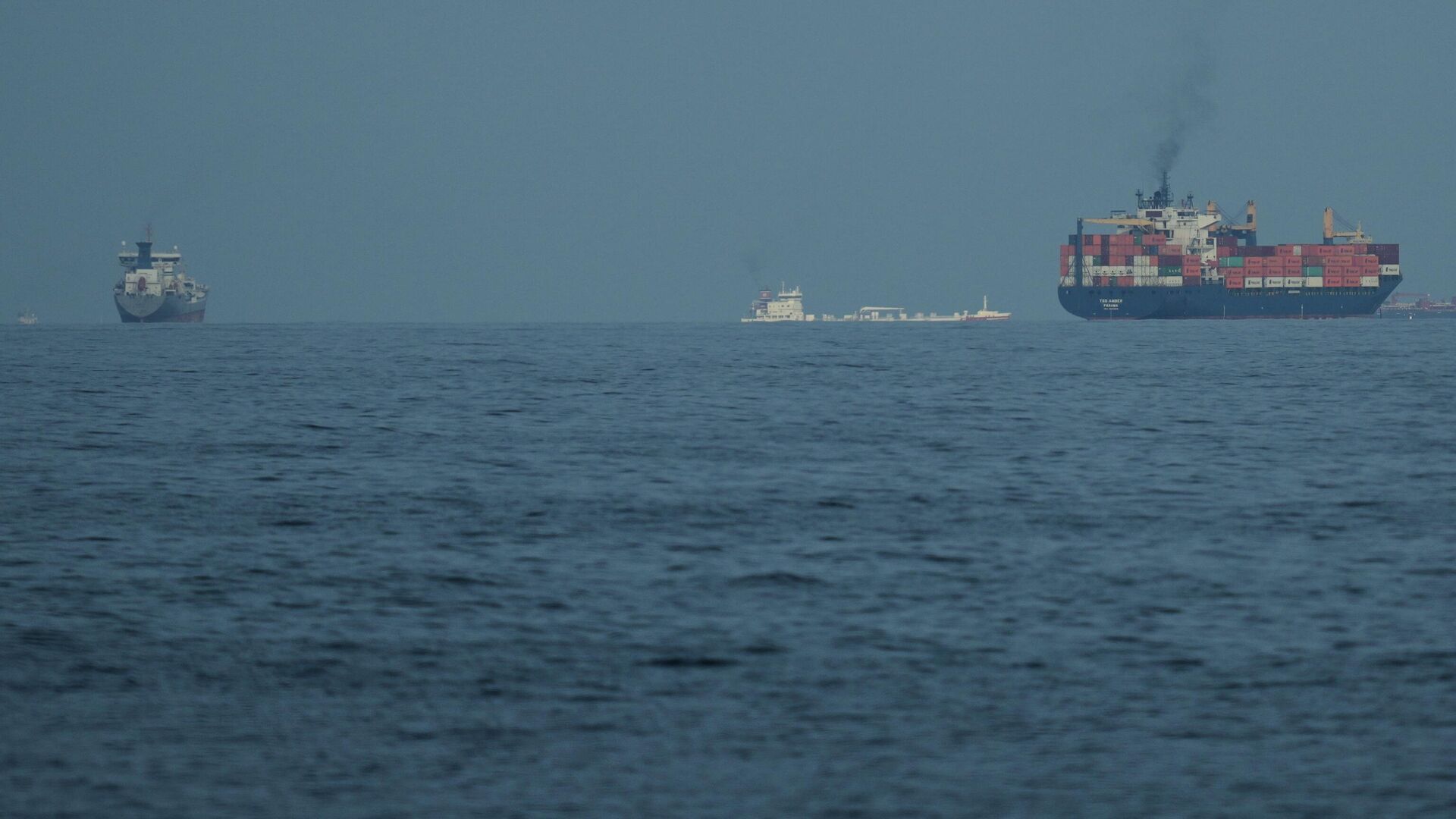
Tehran, 18 April 2026 — Iran has formally closed the Strait of Hormuz effective Saturday evening, the Islamic Revolutionary Guard Corps (IRGC) Navy Command announced, declaring the closure will remain in force until Washington unconditionally lifts its naval blockade of Iranian ports. The announcement, carried by Iran’s state broadcaster IRIB, marks a dramatic escalation in the rapidly deteriorating standoff between Tehran and Washington over control of one of the world’s most strategically critical maritime chokepoints.
“As a result of the violation of the ceasefire regime, the Strait of Hormuz will be closed from the evening of today [Saturday], until the US lifts the naval blockade,” the IRGC Navy stated. The command further issued an unambiguous warning that any vessel attempting to approach the waterway would be subject to military strikes, as such movement would be regarded as “cooperation with the enemy” — a direct reference to the United States.
The crisis has its roots in events of 13 April 2026, when the United States Navy commenced a comprehensive blockade of all maritime traffic entering and exiting Iranian ports situated on both sides of the Strait of Hormuz. The waterway is of immense global economic consequence, serving as the transit corridor for approximately 20 per cent of the world’s oil, petroleum products, and liquefied natural gas supplies. Any sustained disruption to shipping through the Strait carries immediate and severe implications for global energy markets, supply chains, and the economies of nations across Asia, Europe, and beyond.
Washington has sought to frame its naval posture as limited in scope, asserting that non-Iranian vessels remain free to transit the Strait of Hormuz provided they refrain from paying any toll to Tehran. Iranian authorities have not formally announced the imposition of such a toll, though discussions regarding the measure have been reported. Tehran, for its part, characterises the US naval deployment as a blockade constituting a violation of an existing ceasefire arrangement — a characterisation that underpins the IRGC’s justification for the current closure.
The closure of the Strait of Hormuz, even temporarily, represents one of the most consequential acts of maritime sovereignty asserted by any nation in recent decades. Iran’s Vice President had earlier signalled that control of the Hormuz corridor would be “secured one way or another,” foreshadowing Saturday’s formal declaration. The international community now faces the prospect of a protracted confrontation between two nuclear-era powers over a waterway upon which the global economy is critically dependent.
Find more details at Sputnik International.