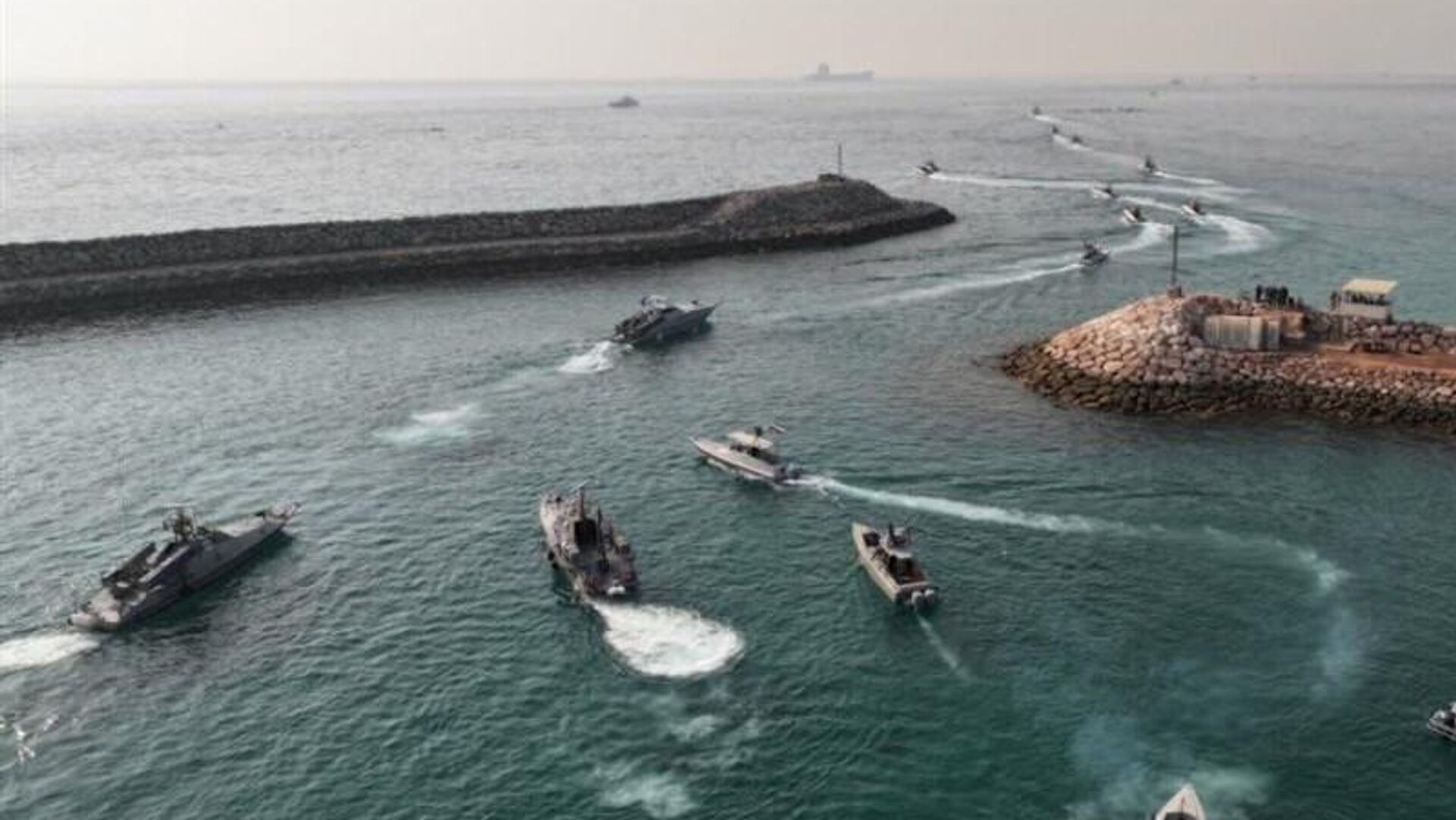
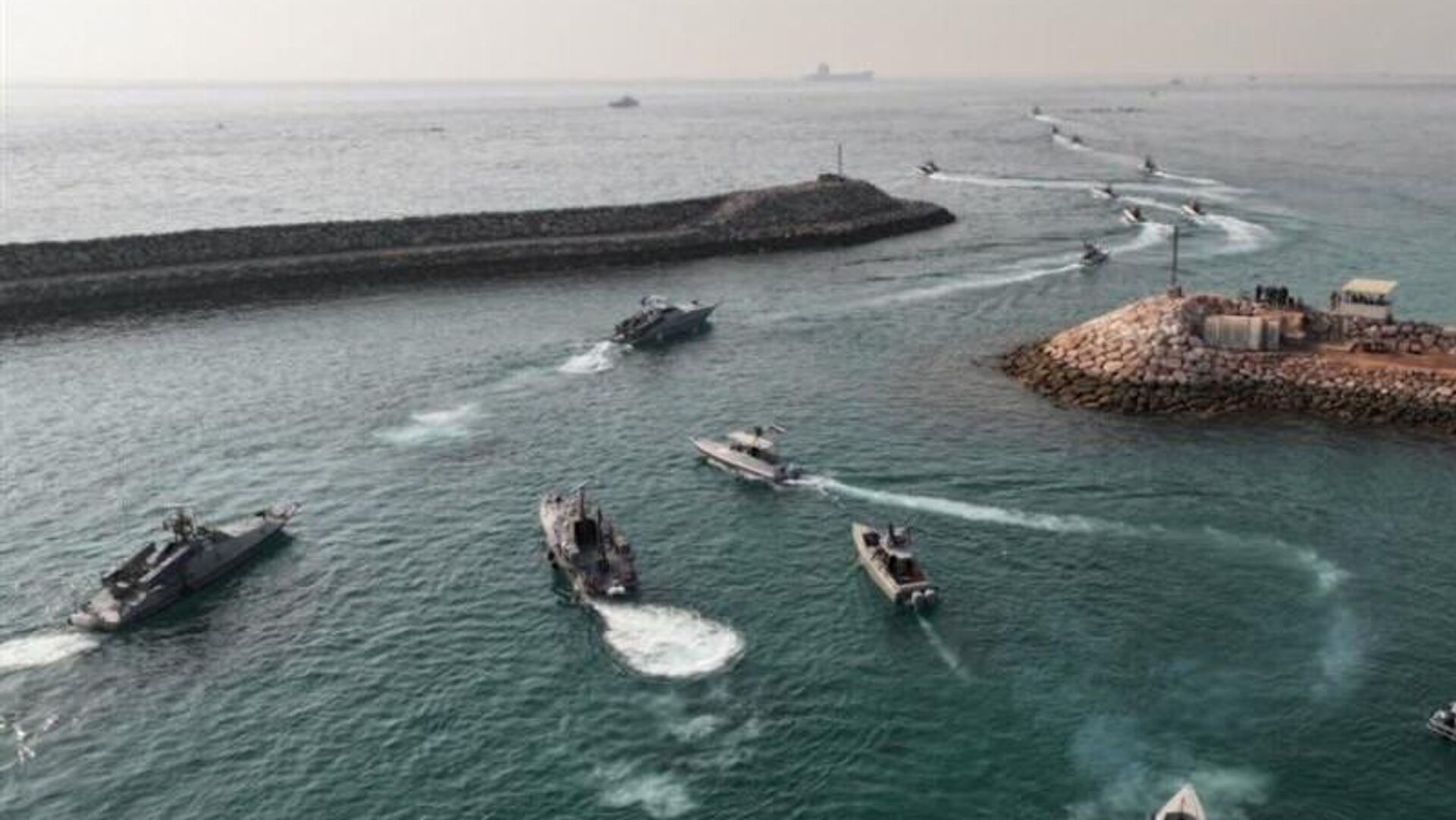
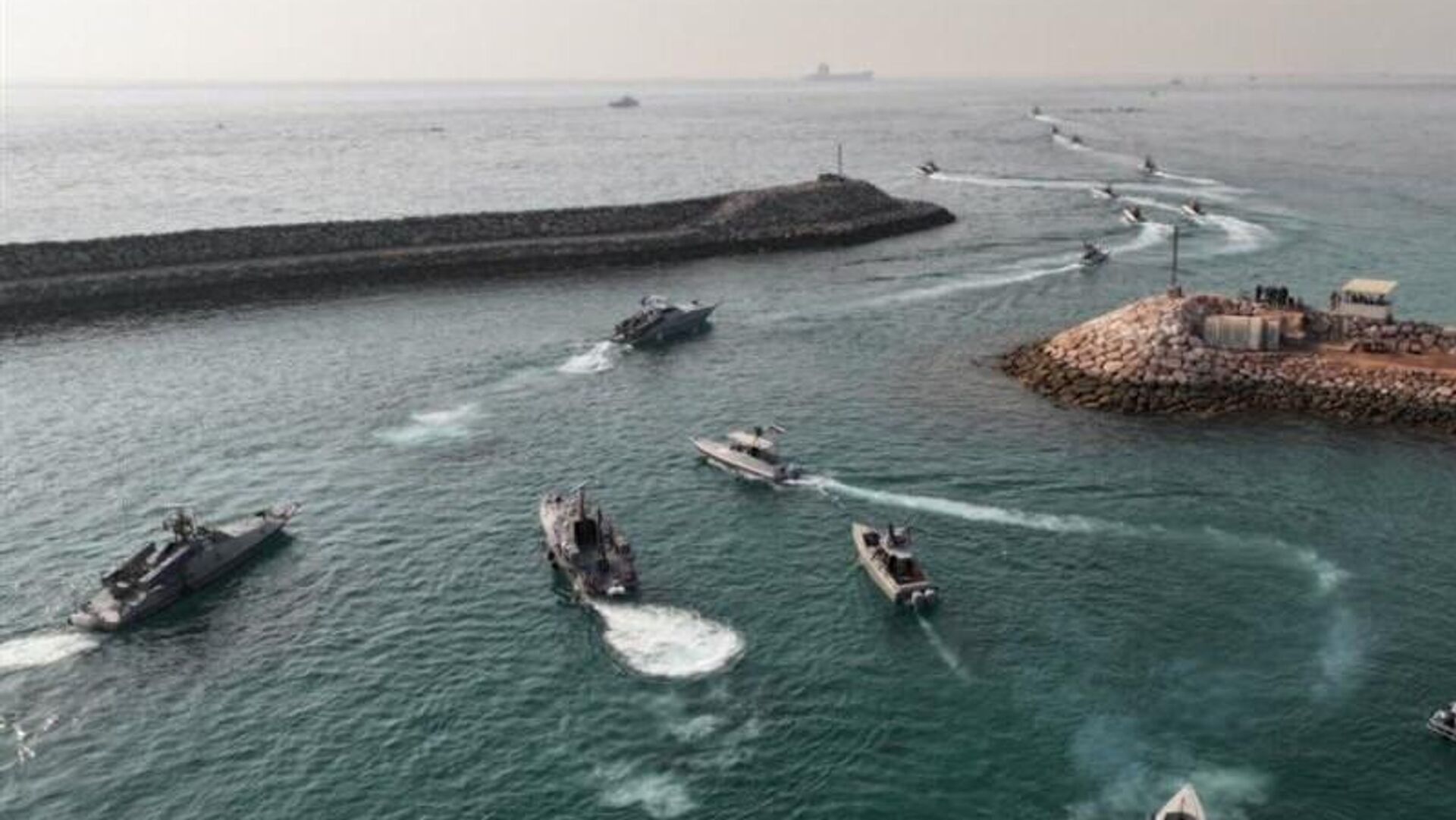
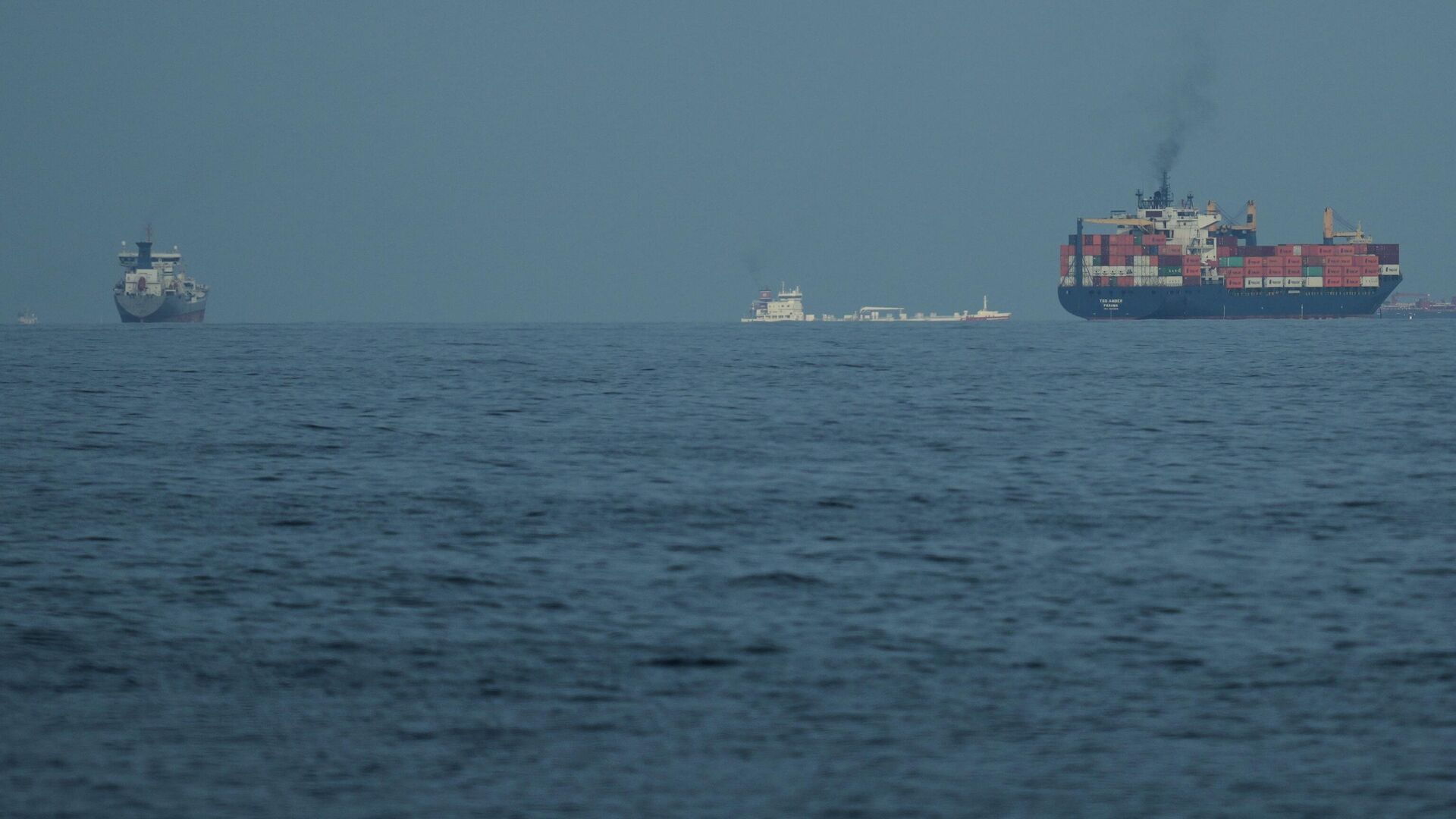
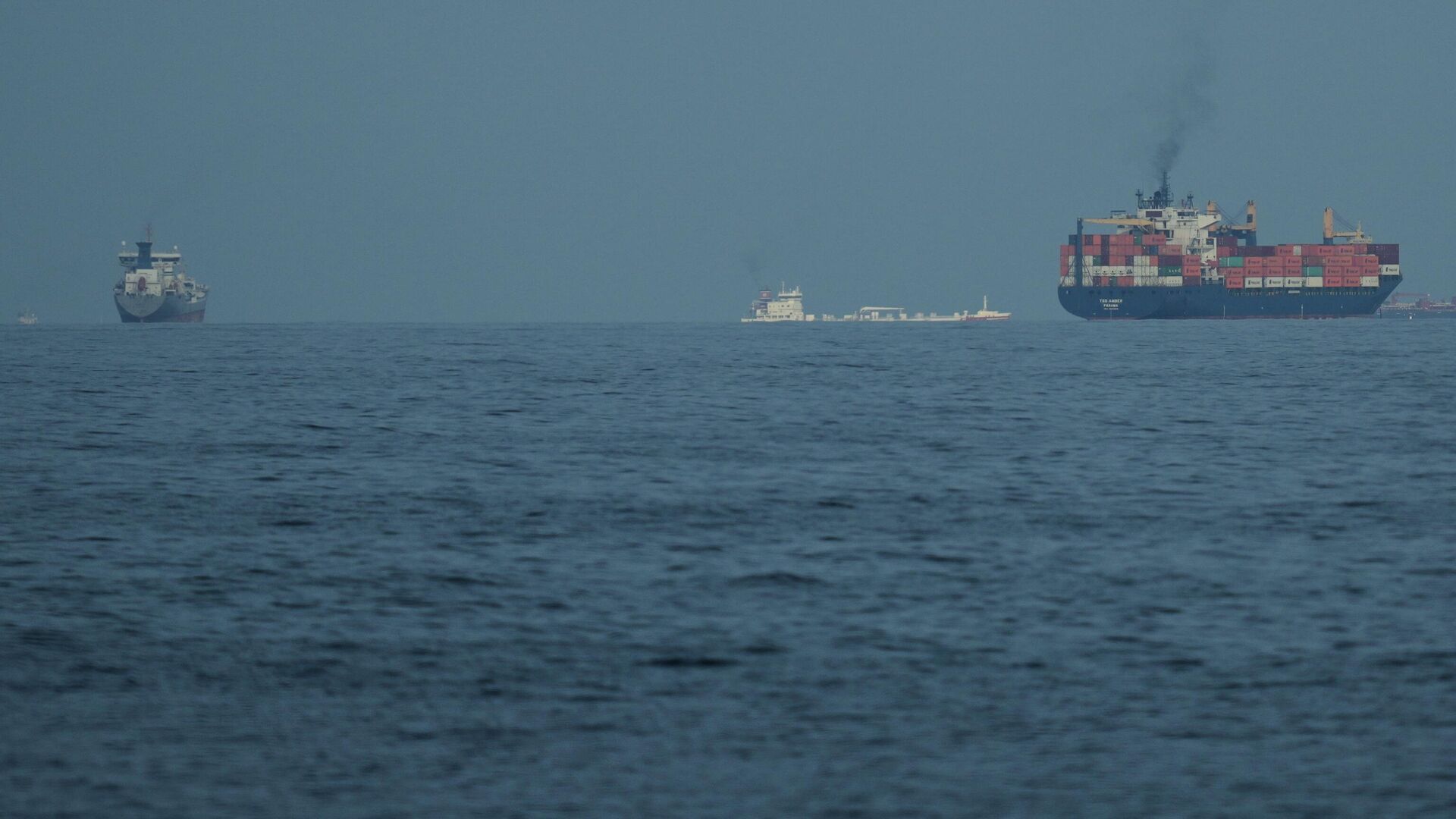
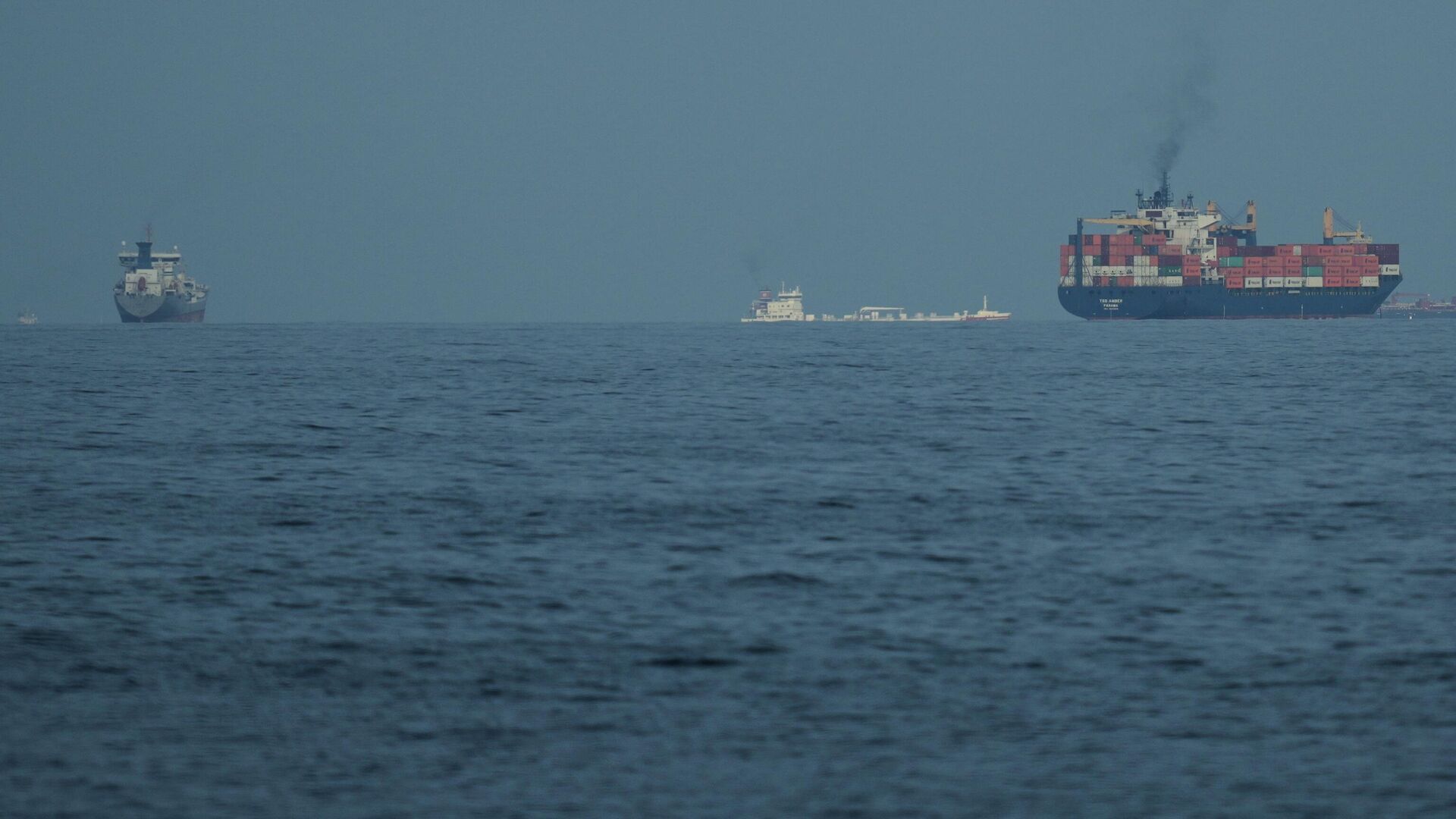
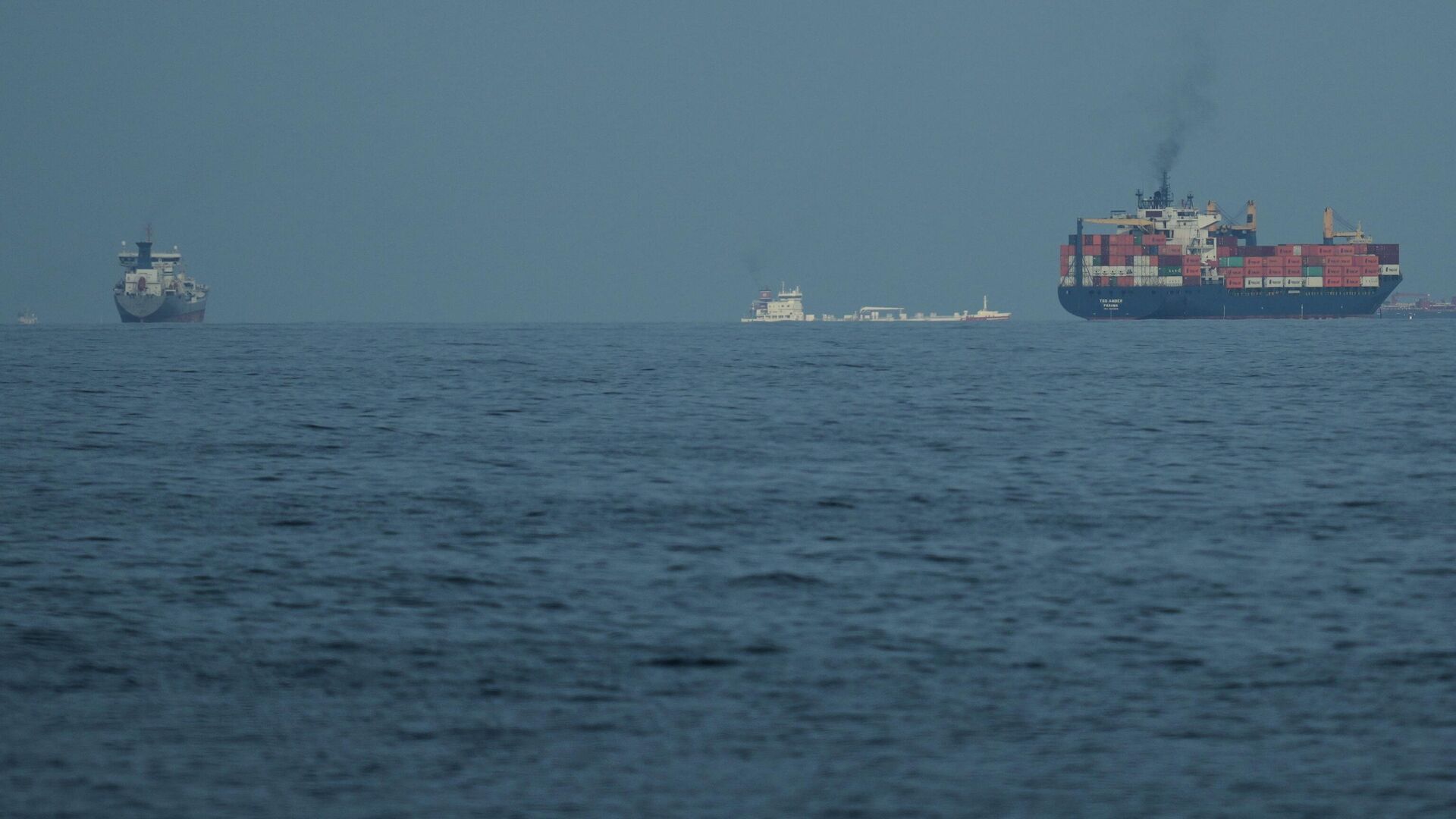
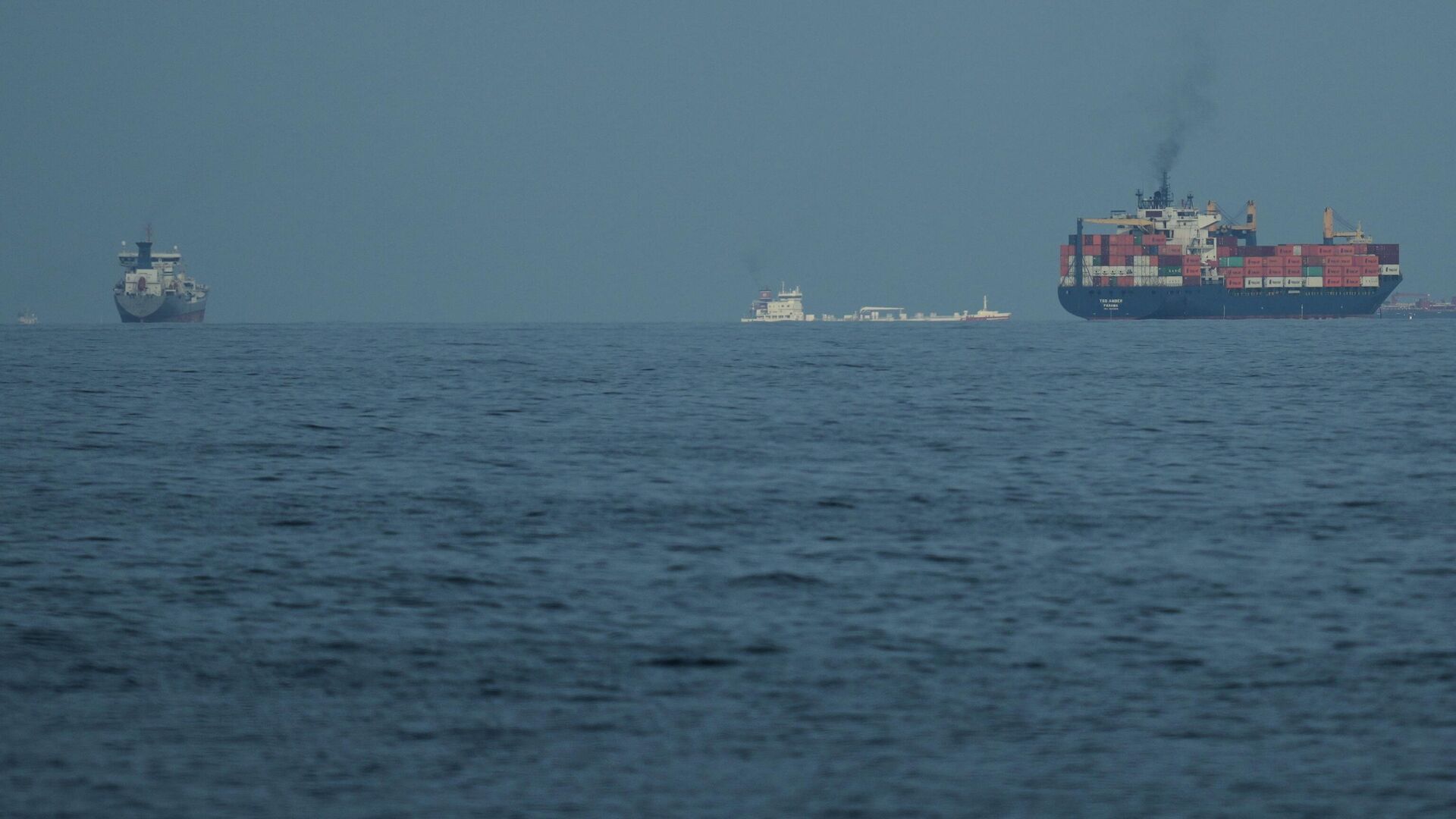
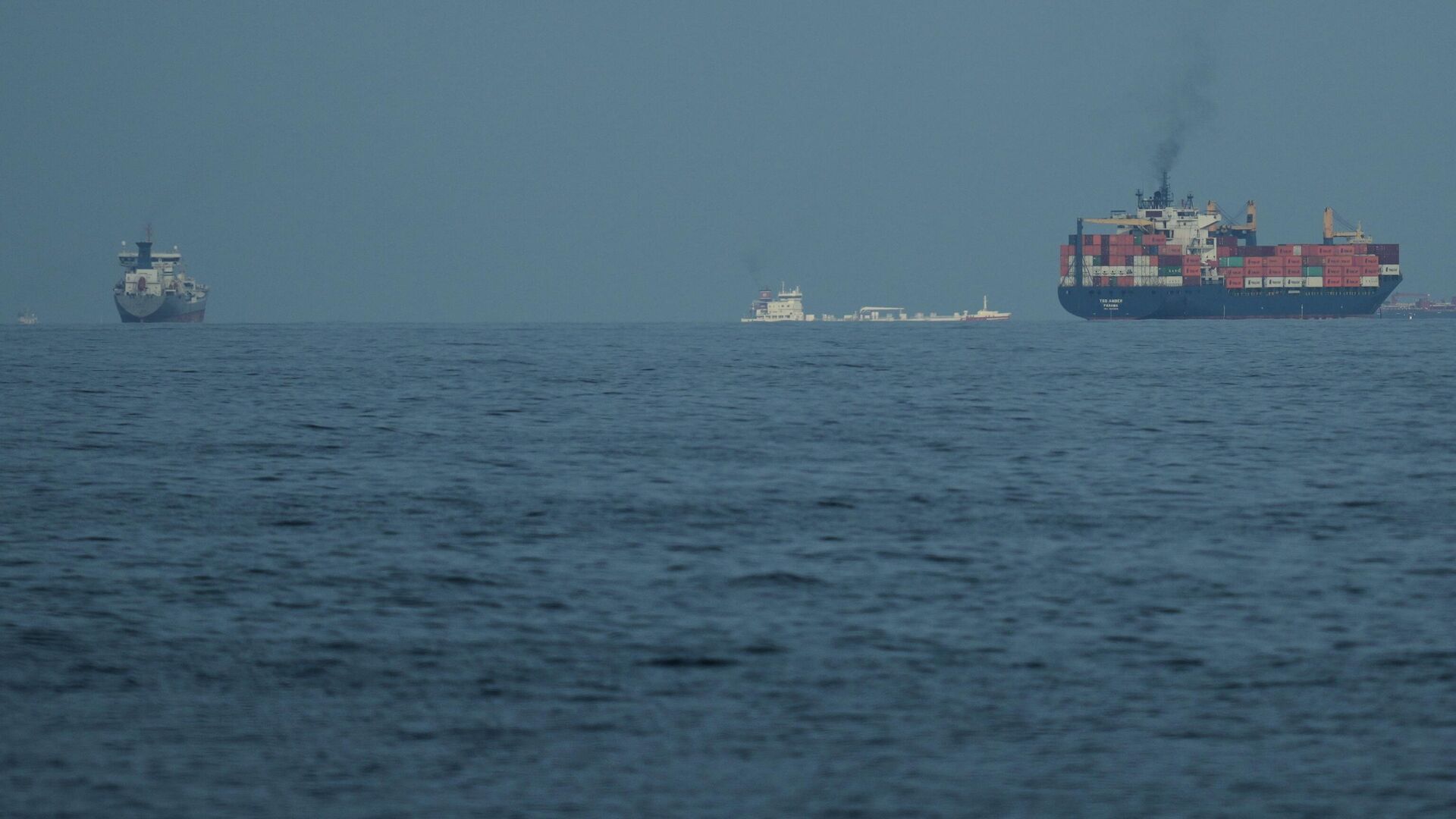
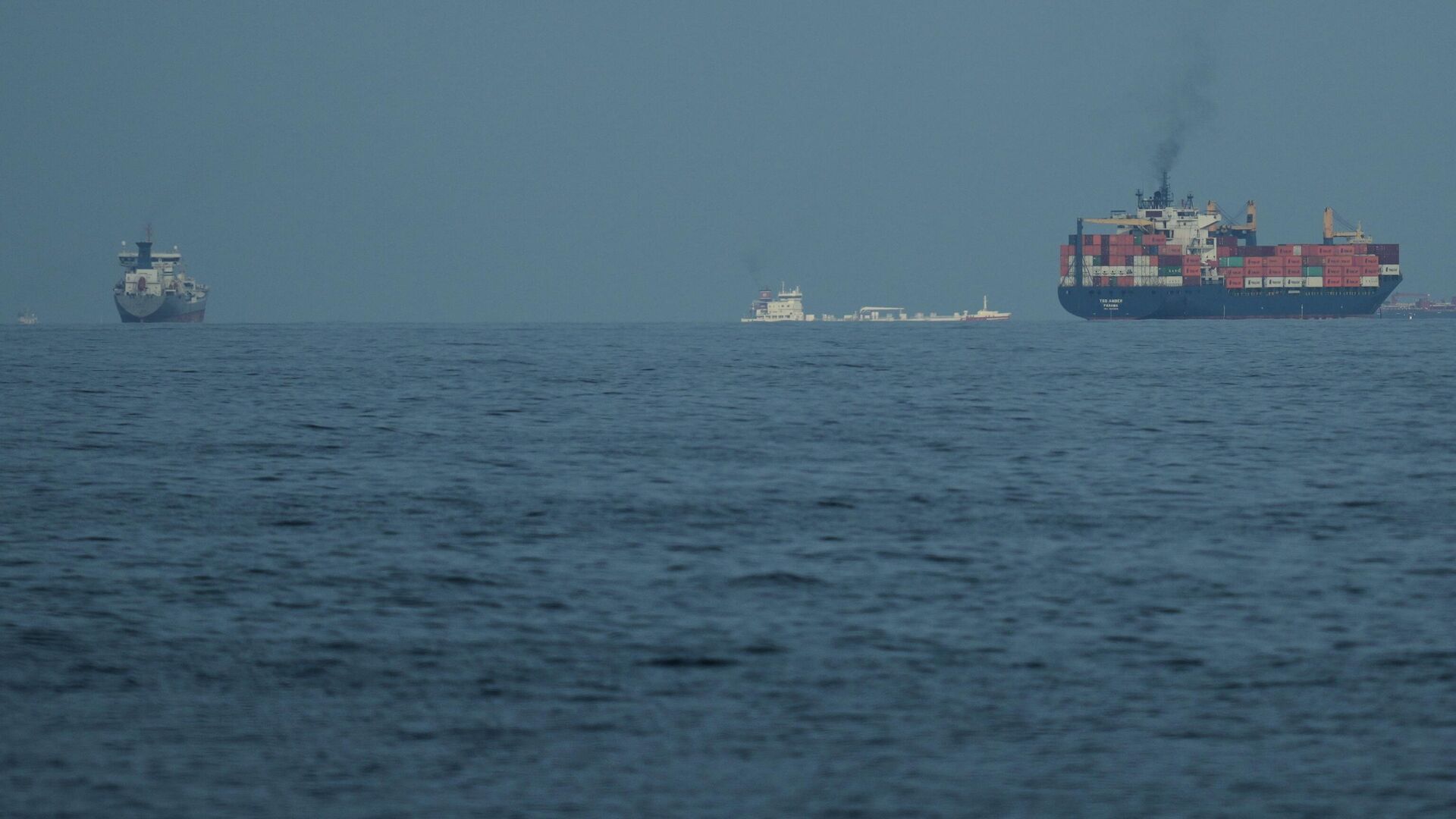
Tehran, 18 April 2026 — Iran has formally closed the Strait of Hormuz effective Saturday evening, the Islamic Revolutionary Guard Corps (IRGC) Navy Command announced, declaring the closure will remain in force until Washington unconditionally lifts its naval blockade of Iranian ports. The announcement, broadcast by Iran’s state-run IRIB network, marks one of the most consequential escalations in the Persian Gulf in decades, with immediate ramifications for global energy markets.
“As a result of the violation of the ceasefire regime, the Strait of Hormuz will be closed from the evening of today [Saturday], until the US lifts the naval blockade,” the IRGC Navy stated. The command further issued an unambiguous warning that any vessel attempting to approach the waterway would be subject to military strikes, with such transit deemed tantamount to “cooperation with the enemy” — a direct reference to the United States.
The crisis was precipitated on 13 April, when the US Navy initiated a comprehensive blockade of all maritime traffic entering and exiting Iranian ports on both sides of the Strait of Hormuz. Washington has framed its position by asserting that non-Iranian vessels retain the right of free passage through the Strait, provided they refrain from paying any toll to Tehran. Iranian authorities, while not having formally announced the imposition of such a toll, had publicly deliberated over the measure in preceding days.
The strategic significance of the Strait of Hormuz cannot be overstated. The narrow waterway, situated between the Arabian Peninsula and the Iranian coastline, serves as the transit corridor for approximately 20 per cent of the world’s oil, petroleum products, and liquefied natural gas supplies. Its closure, even temporarily, is widely regarded by energy analysts as a potential trigger for severe supply shocks across global commodity markets, with cascading consequences for importing nations across Asia, Europe, and beyond.
The IRGC’s invocation of a “ceasefire regime violation” suggests Tehran views the US naval blockade as a breach of a prior understanding or agreement, the precise terms of which have not been publicly disclosed by either party. The escalation places international shipping companies, tanker operators, and energy-importing governments in an acutely precarious position, as the threat of military engagement now looms over one of the world’s most critical maritime chokepoints.
The Iranian Vice President had earlier signalled Tehran’s resolve, stating that control of the Strait of Hormuz would be “secured one way or another,” underscoring the government’s unified posture in confronting what it characterises as an act of economic warfare by the United States.
Find more details at Sputnik International.