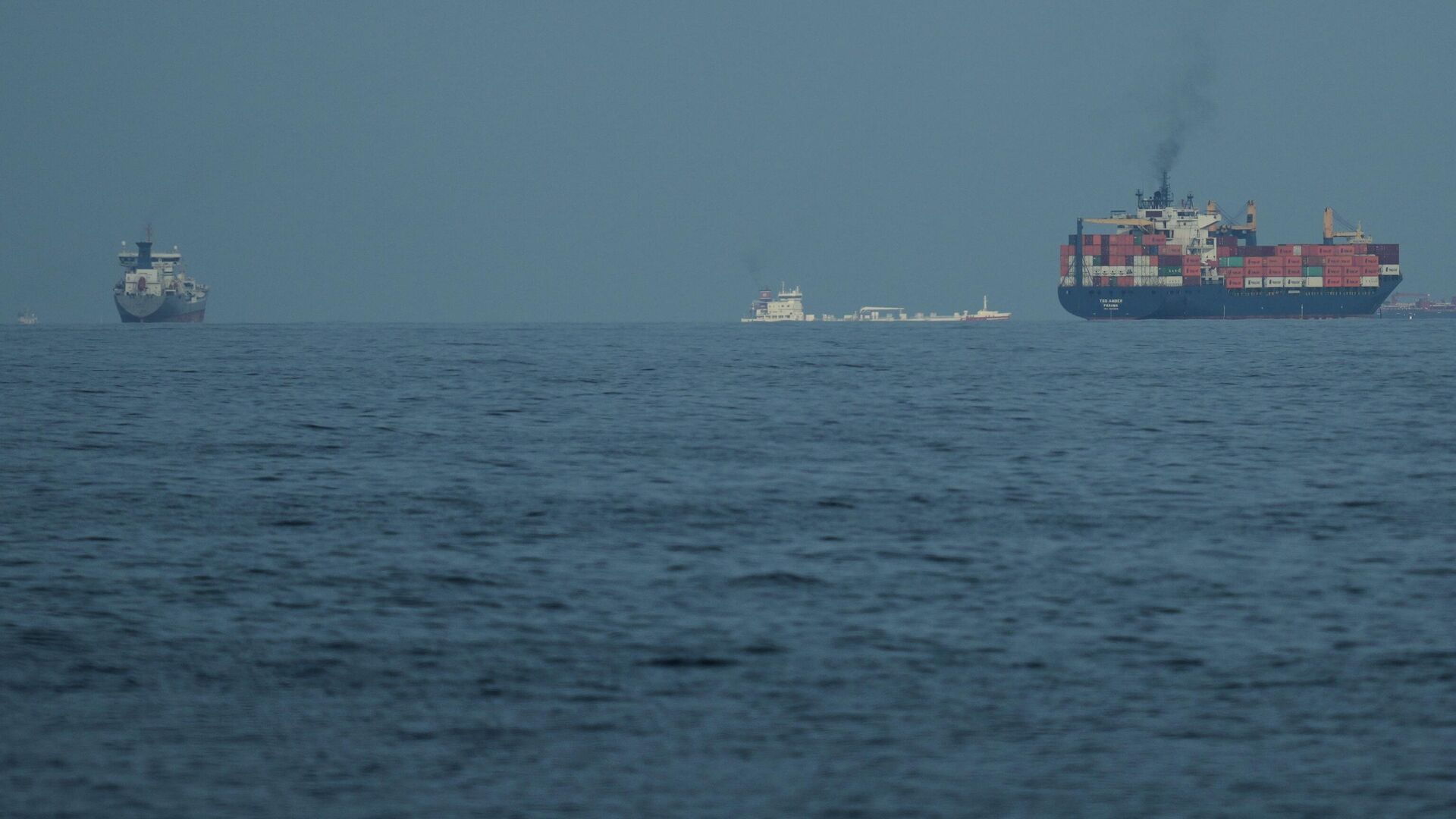
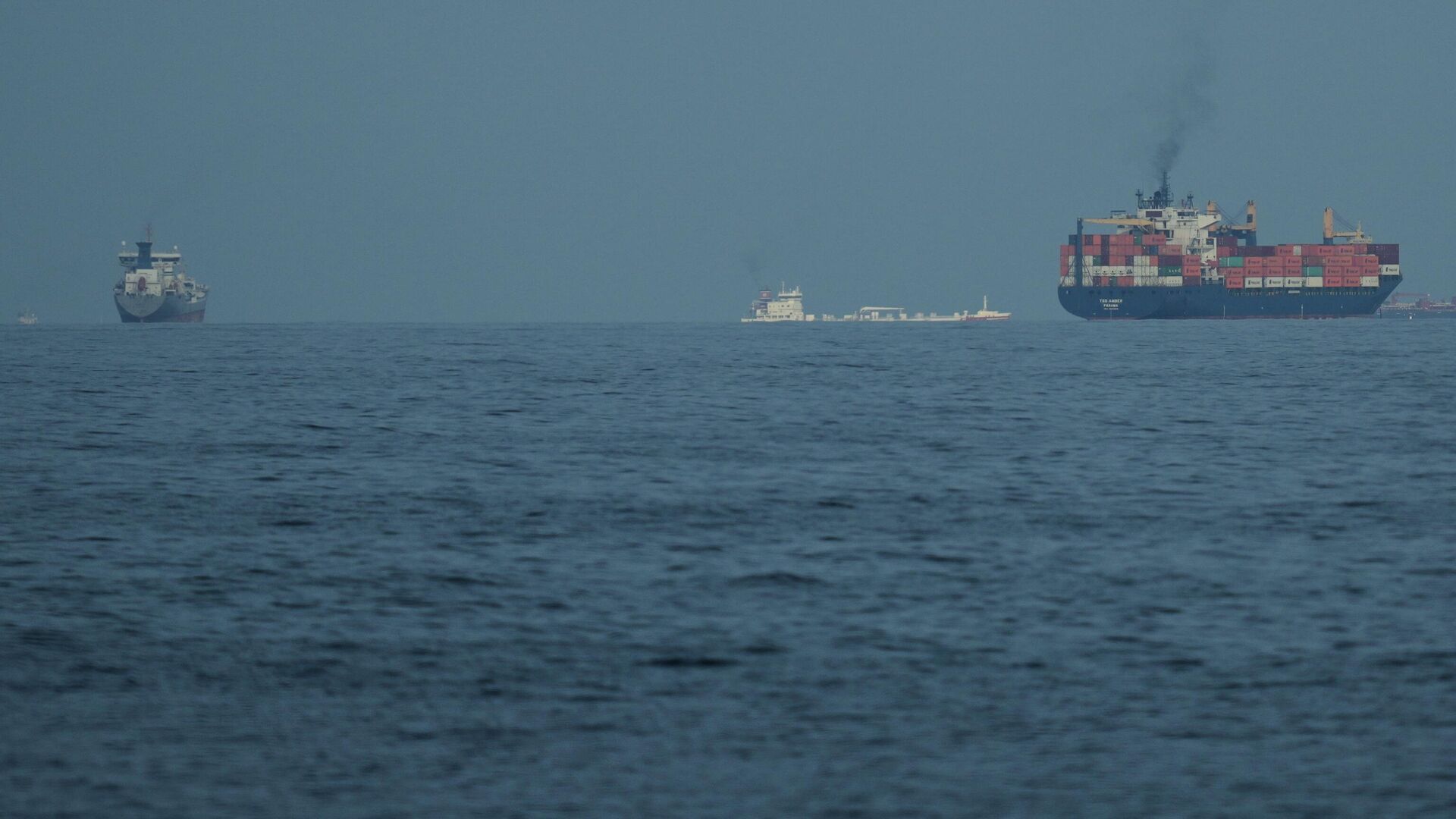
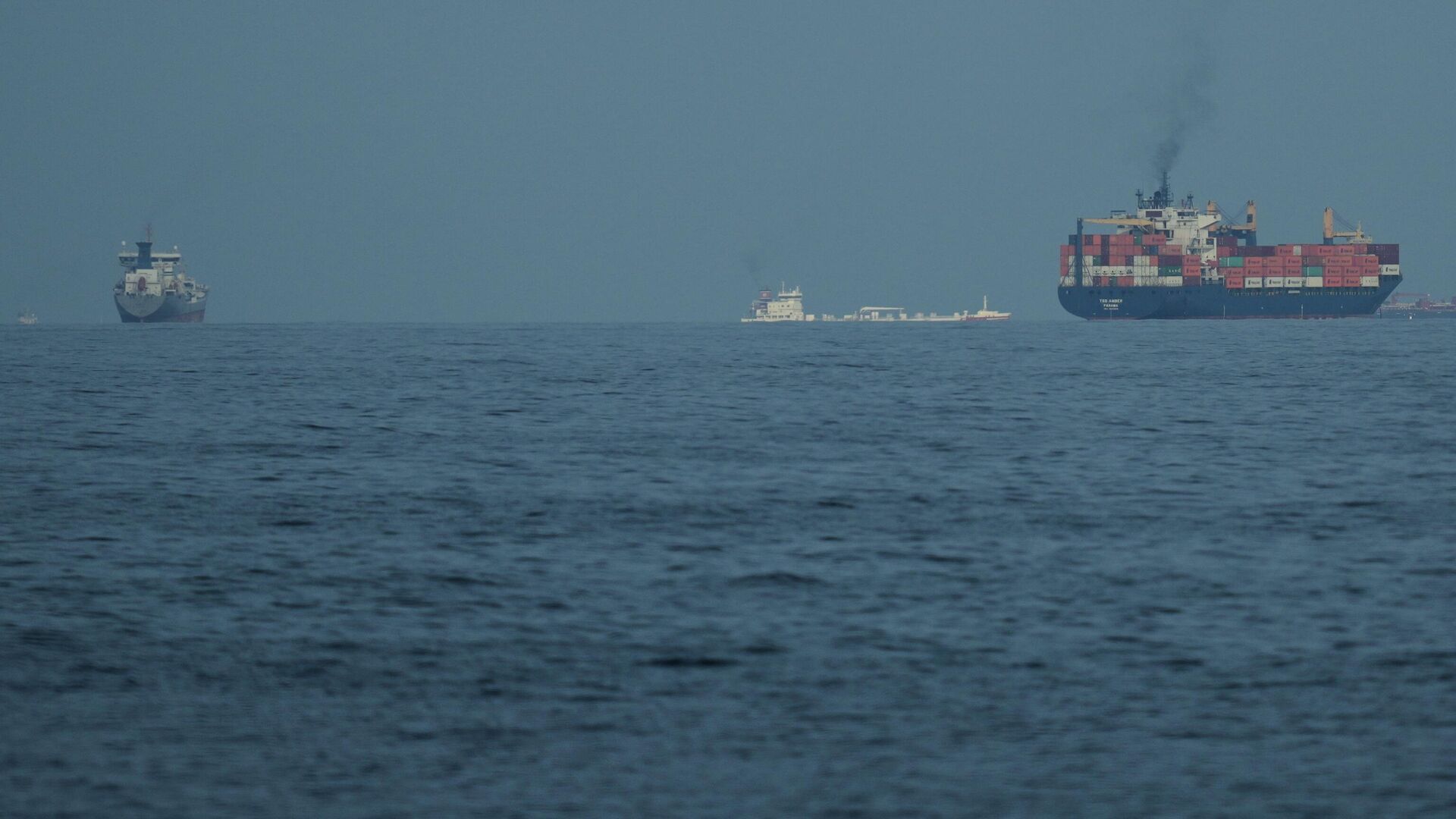
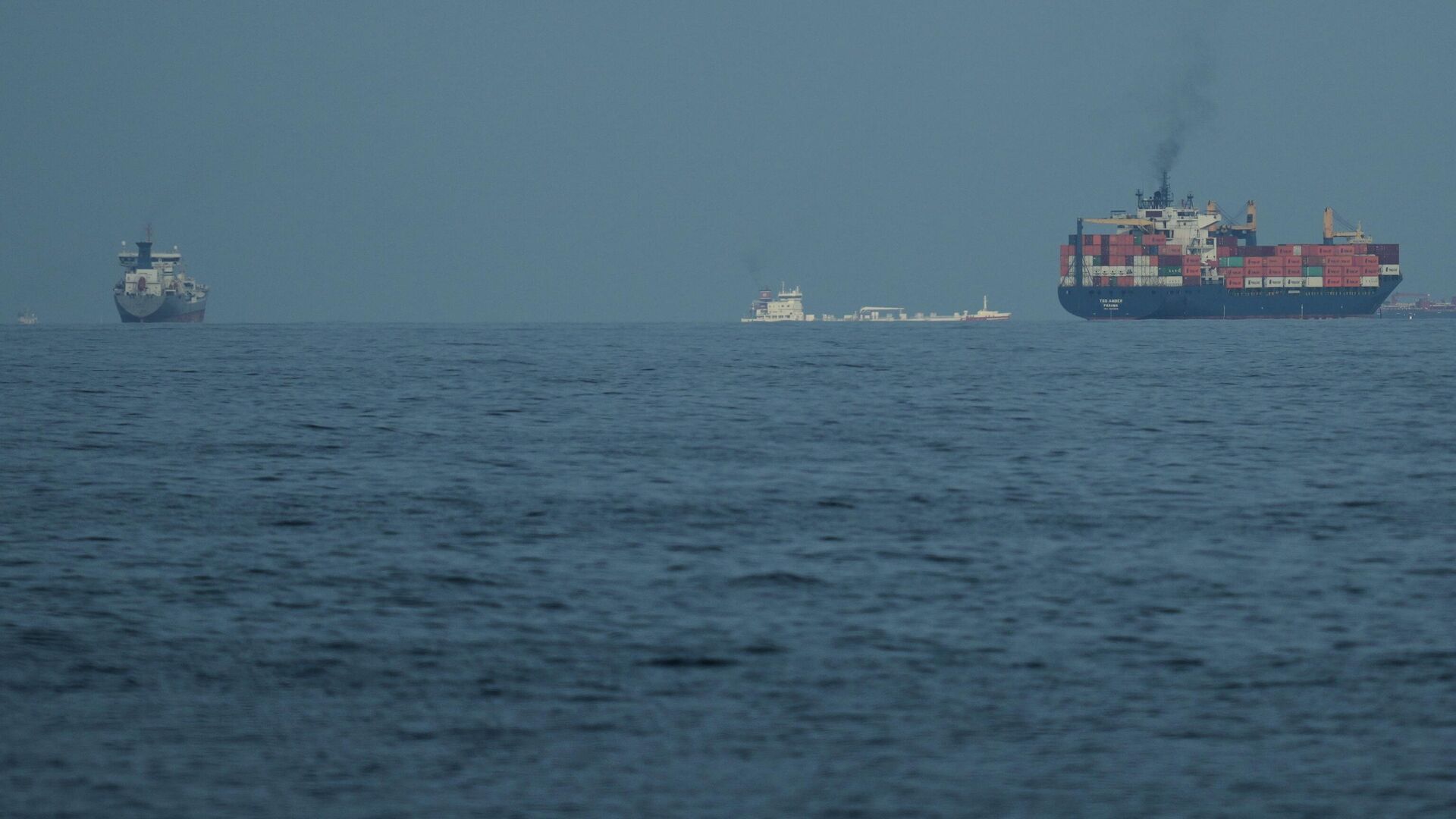
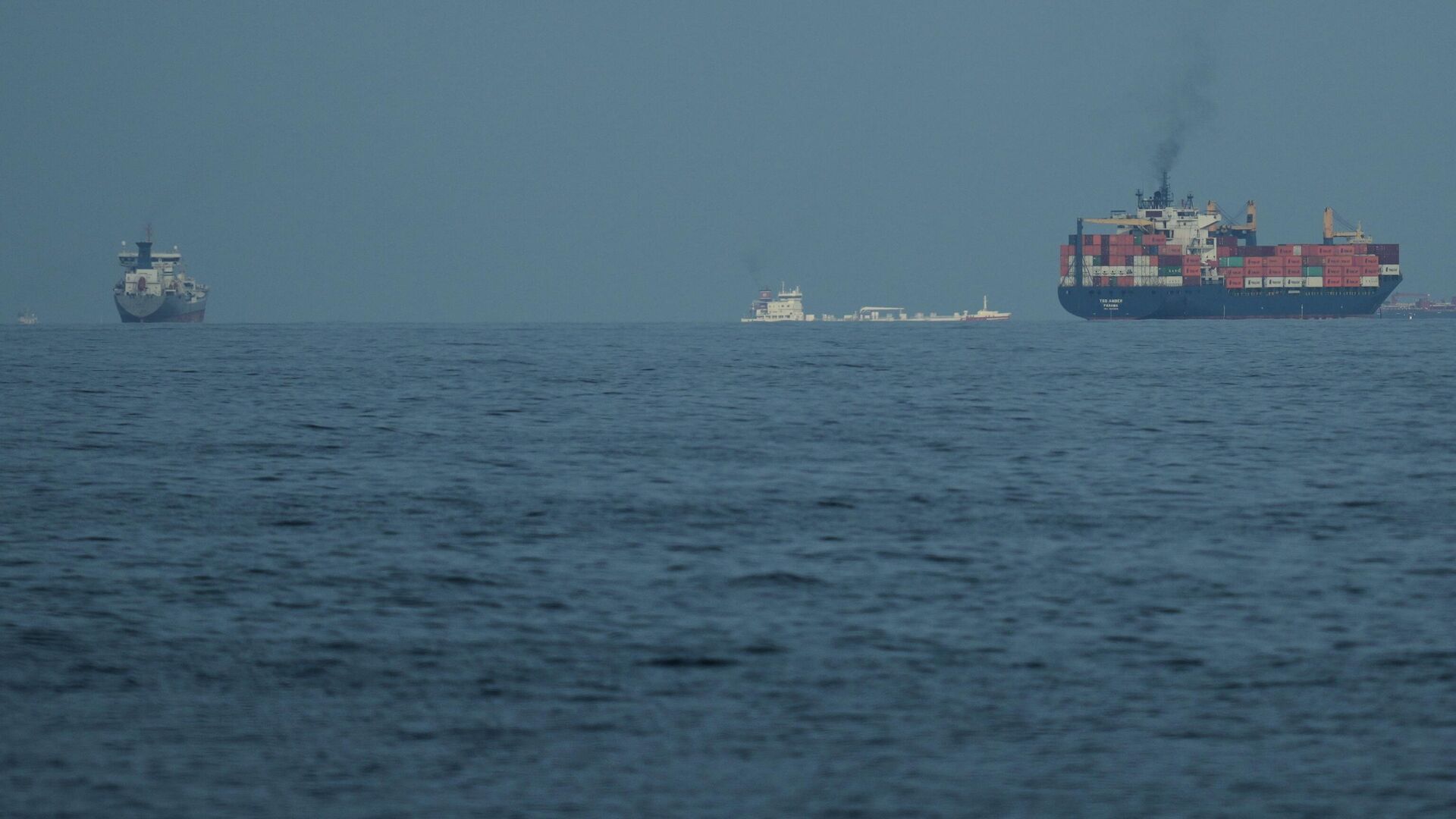
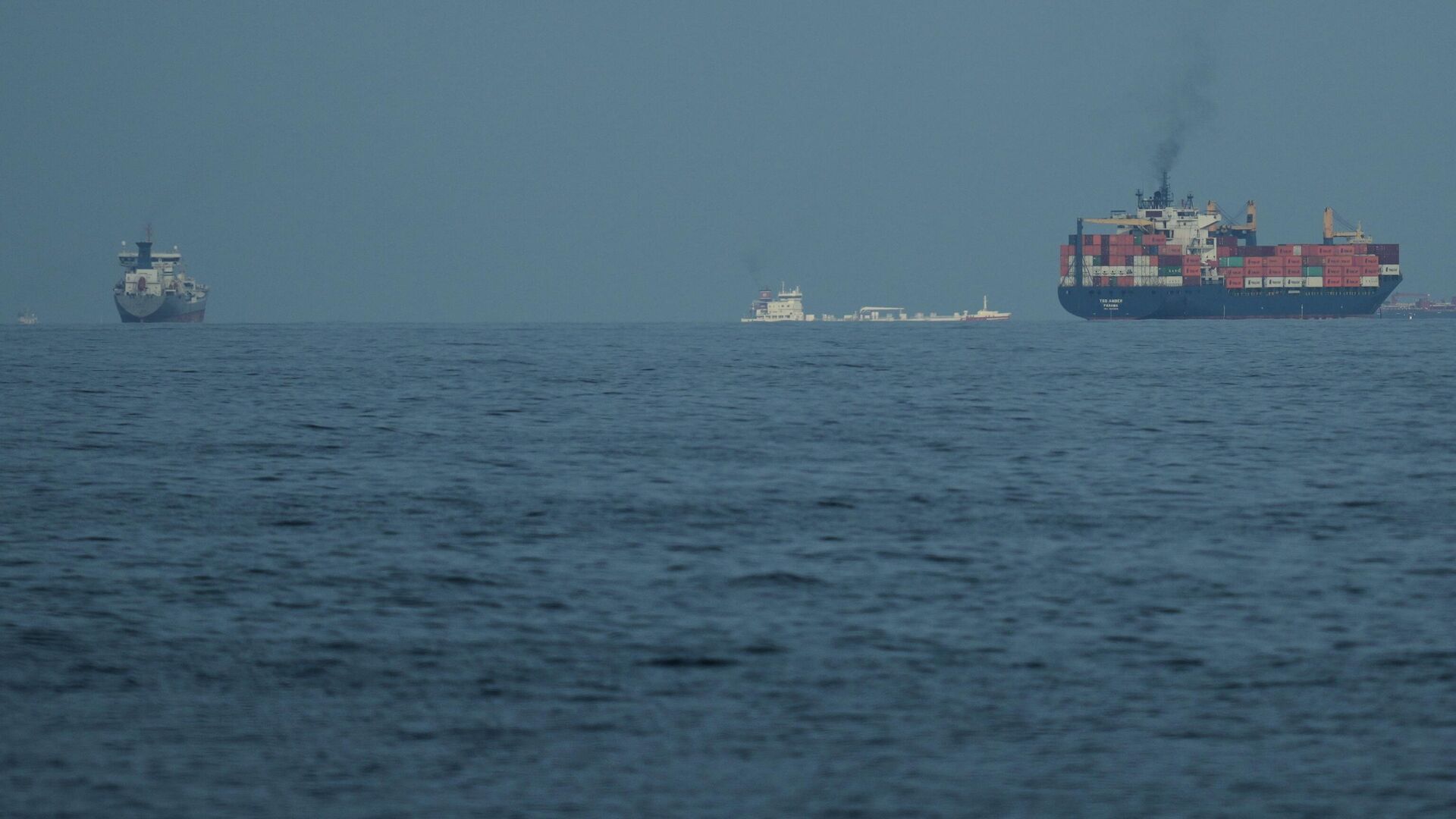
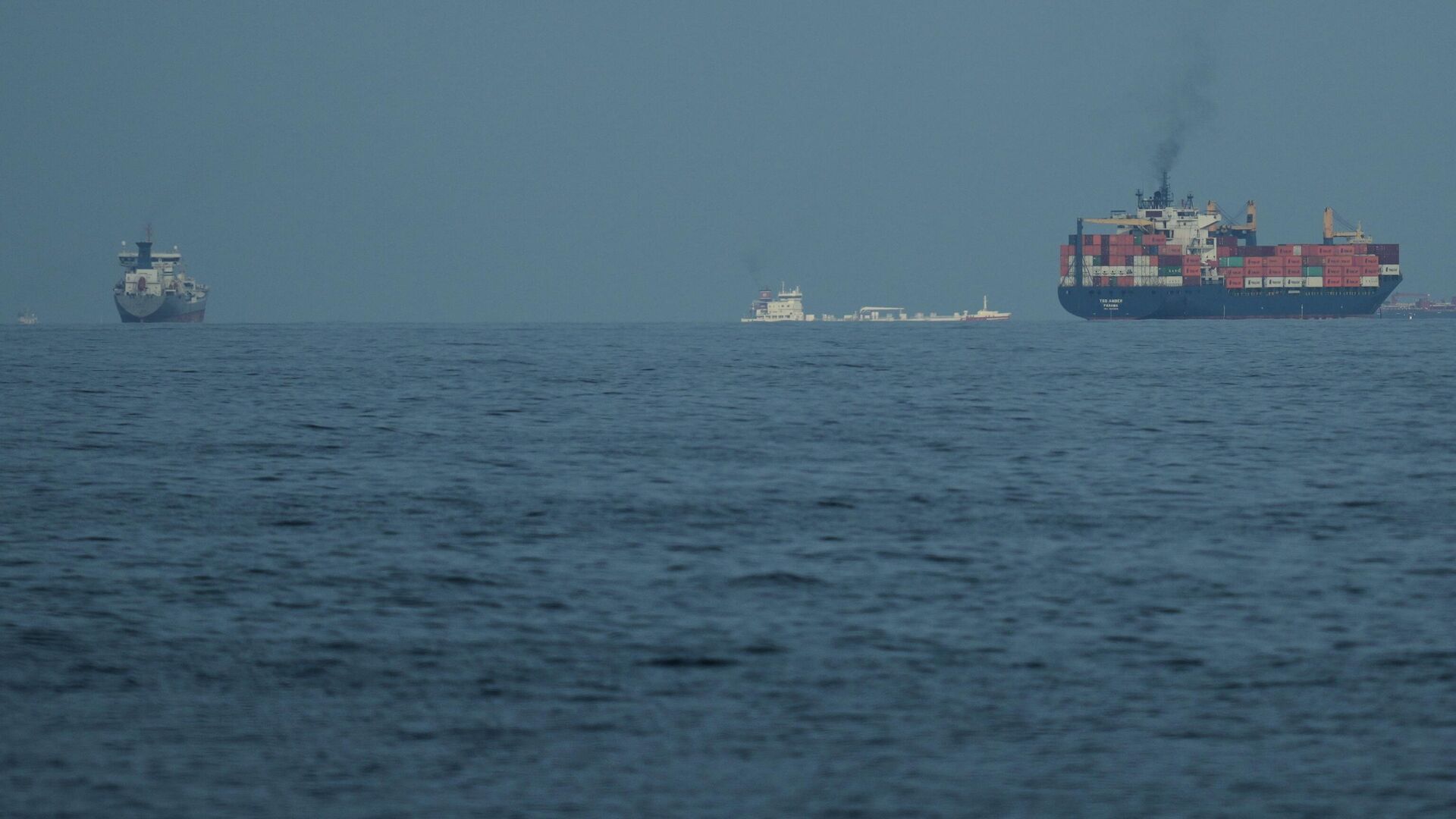
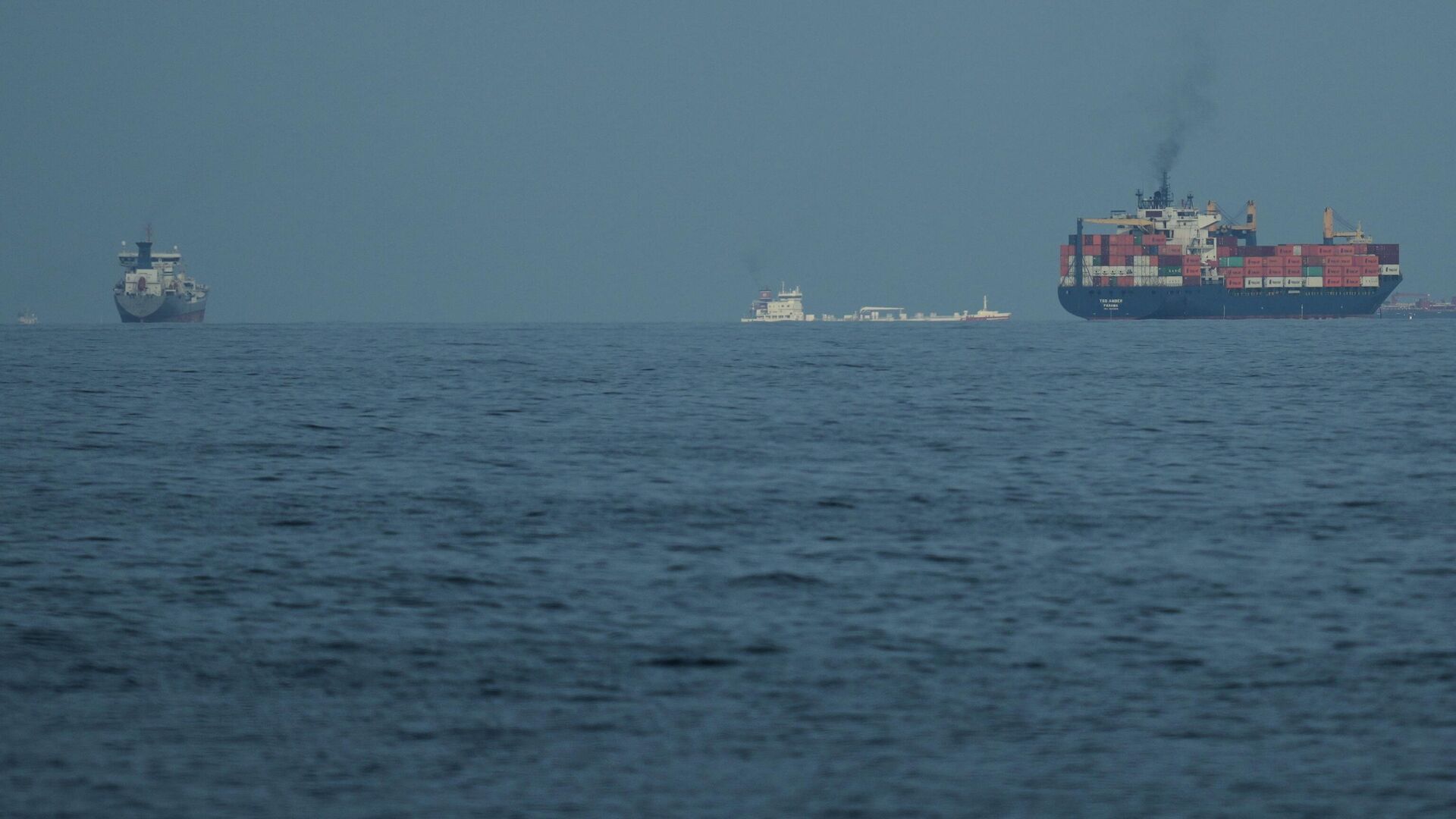
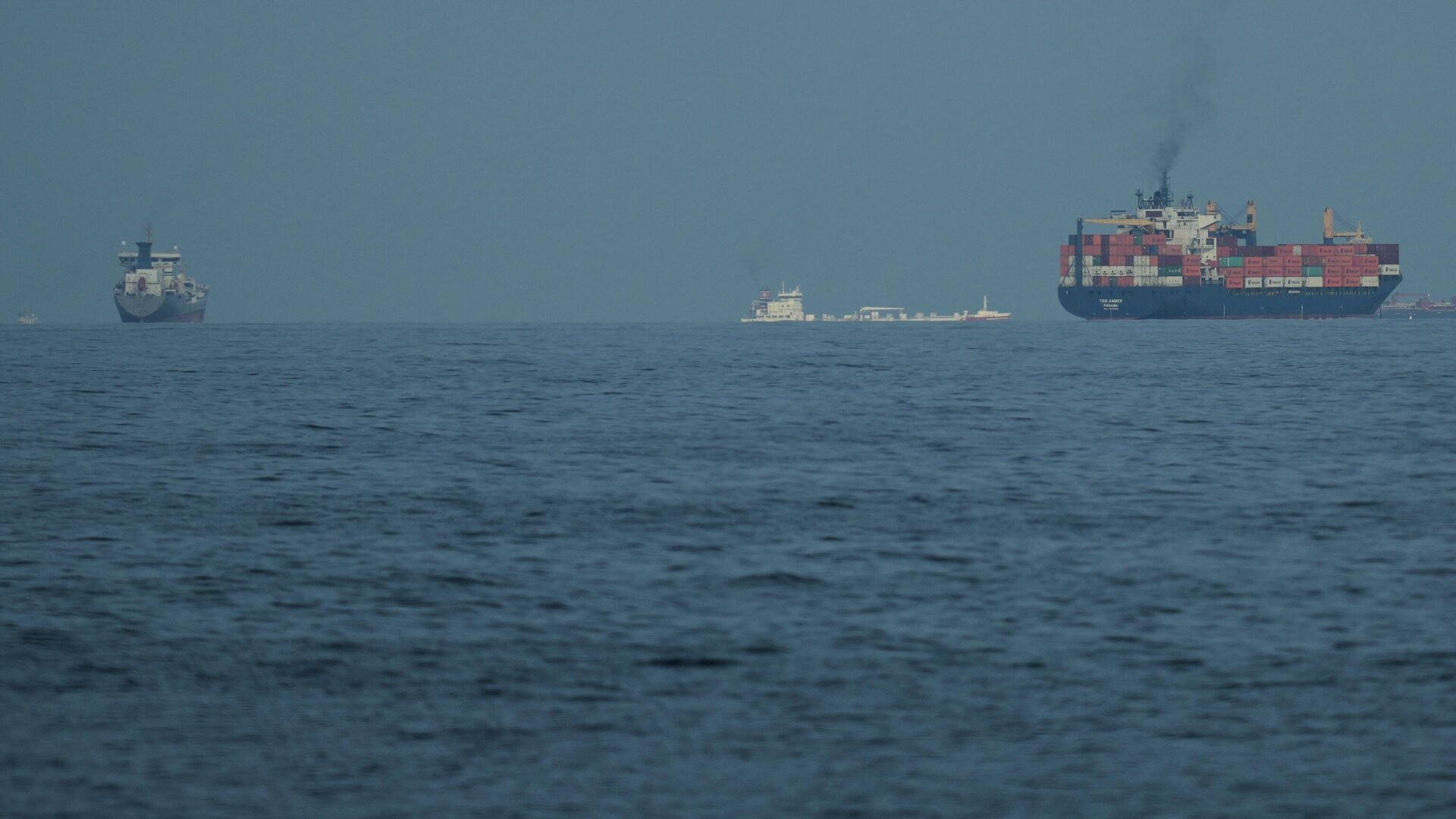
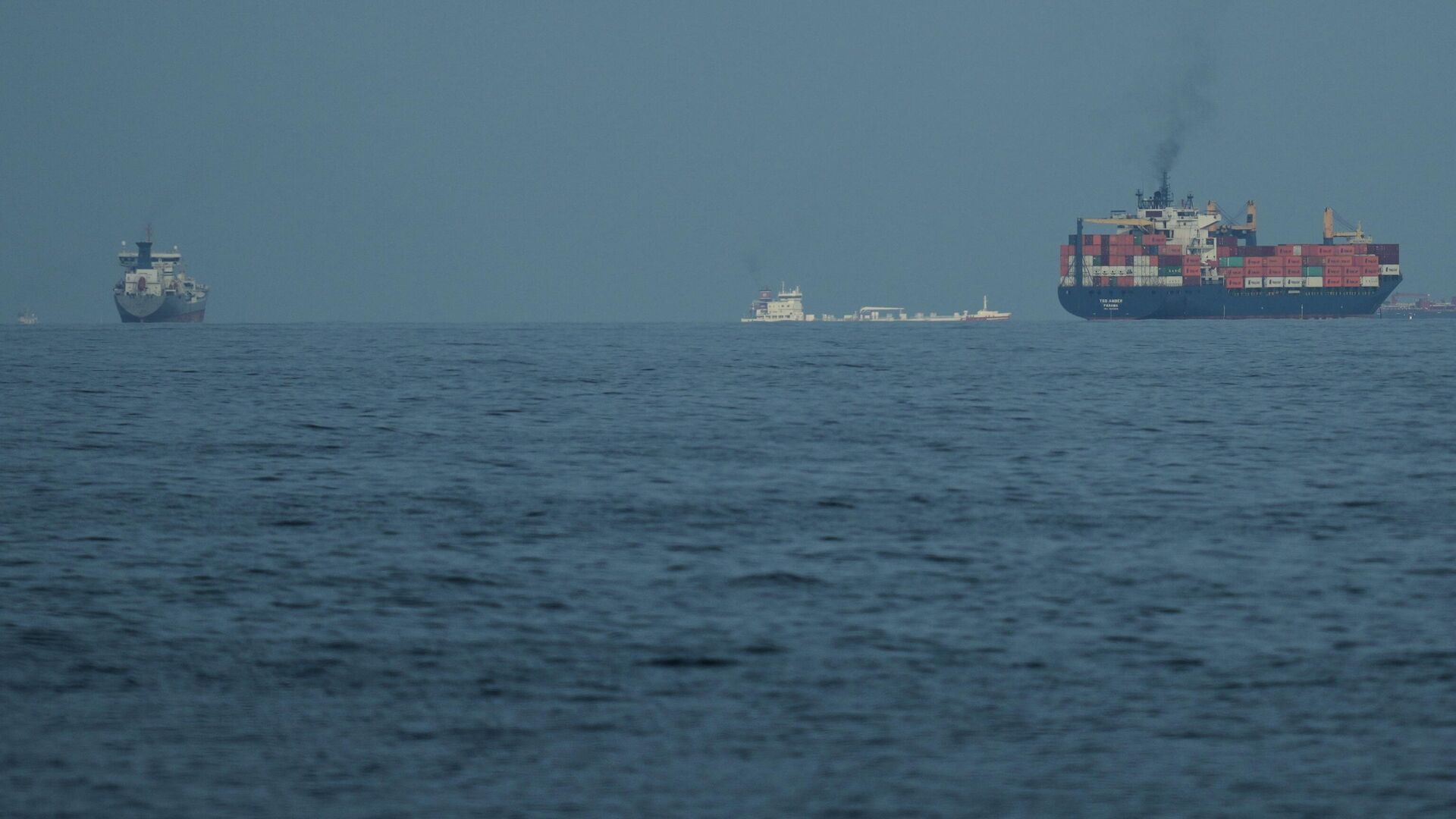
TEHRAN — Iran’s Islamic Revolutionary Guard Corps (IRGC) Navy Command announced on Saturday that the Strait of Hormuz has been formally closed to maritime traffic, effective from Saturday evening, in direct retaliation against a United States naval blockade that has been in force since 13 April 2026. The closure will remain in effect until Washington unconditionally lifts its blockade of Iranian ports.
“As a result of the violation of the ceasefire regime, the Strait of Hormuz will be closed from the evening of today [Saturday], until the US lifts the naval blockade,” the IRGC Navy stated, as quoted by Iran’s state broadcaster IRIB. The command further issued an unambiguous warning that any vessel attempting to approach the waterway would be subject to military strikes, on the grounds that such an approach would be deemed “cooperation with the enemy” — a direct reference to the United States.
The escalation follows a significant and aggressive move by the US Navy, which on 13 April 2026 imposed a comprehensive blockade on all maritime traffic entering and exiting Iranian ports situated on both sides of the Strait of Hormuz. The strategic waterway is of critical global importance, accounting for approximately 20% of the world’s oil, petroleum products, and liquefied natural gas (LNG) supplies. The closure therefore carries profound implications for international energy markets, global shipping lanes, and the broader stability of the Persian Gulf region.
Washington has sought to frame its blockade in narrow terms, asserting that non-Iranian vessels remain free to transit the Strait of Hormuz provided they refrain from paying any toll to Tehran. Iranian authorities have not formally announced the imposition of such a toll, though discussions regarding such a mechanism have been reported at the governmental level. The IRGC’s invocation of a “ceasefire violation” as justification for the closure suggests a broader and more complex diplomatic backdrop to the current confrontation, the full contours of which remain under active development.
The closure of the Strait of Hormuz — one of the world’s most critical maritime chokepoints — represents a dramatic intensification of tensions between Tehran and Washington, with potentially far-reaching consequences for global energy security, international trade, and regional geopolitics. Nations across the Global South, many of which depend heavily on Gulf energy exports, now face acute uncertainty as the standoff between the two powers deepens.
Find more details at Sputnik International.