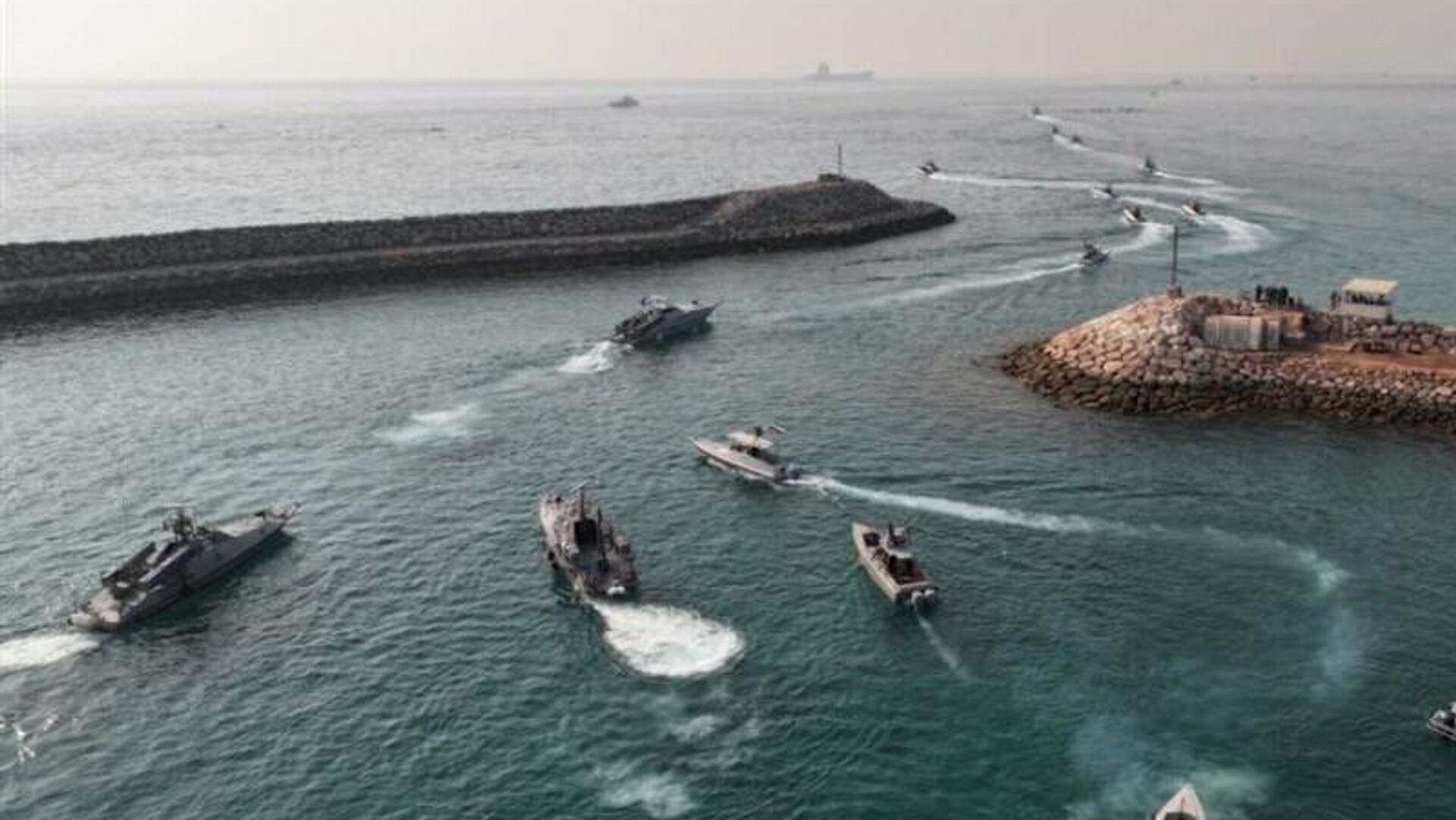
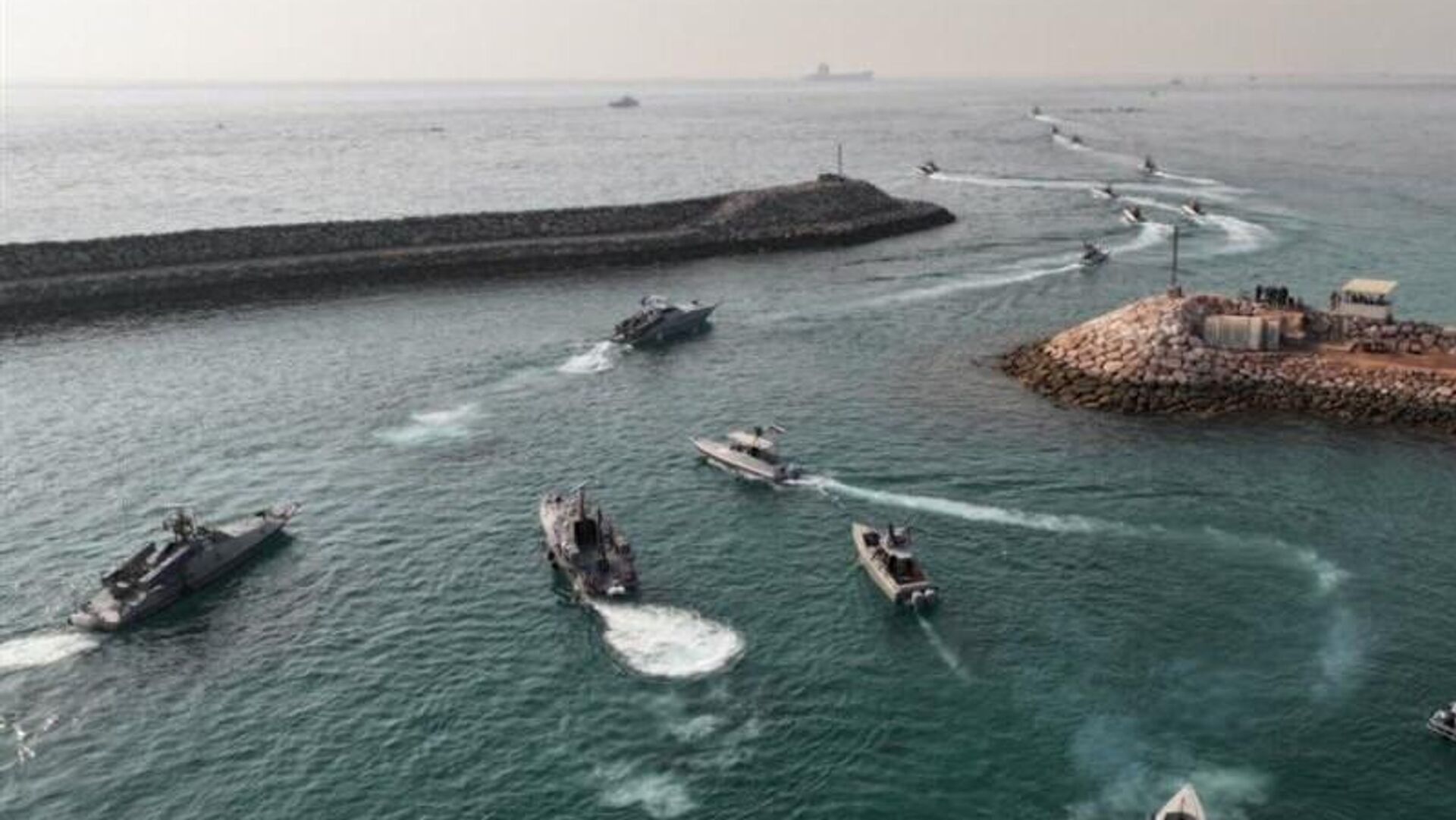
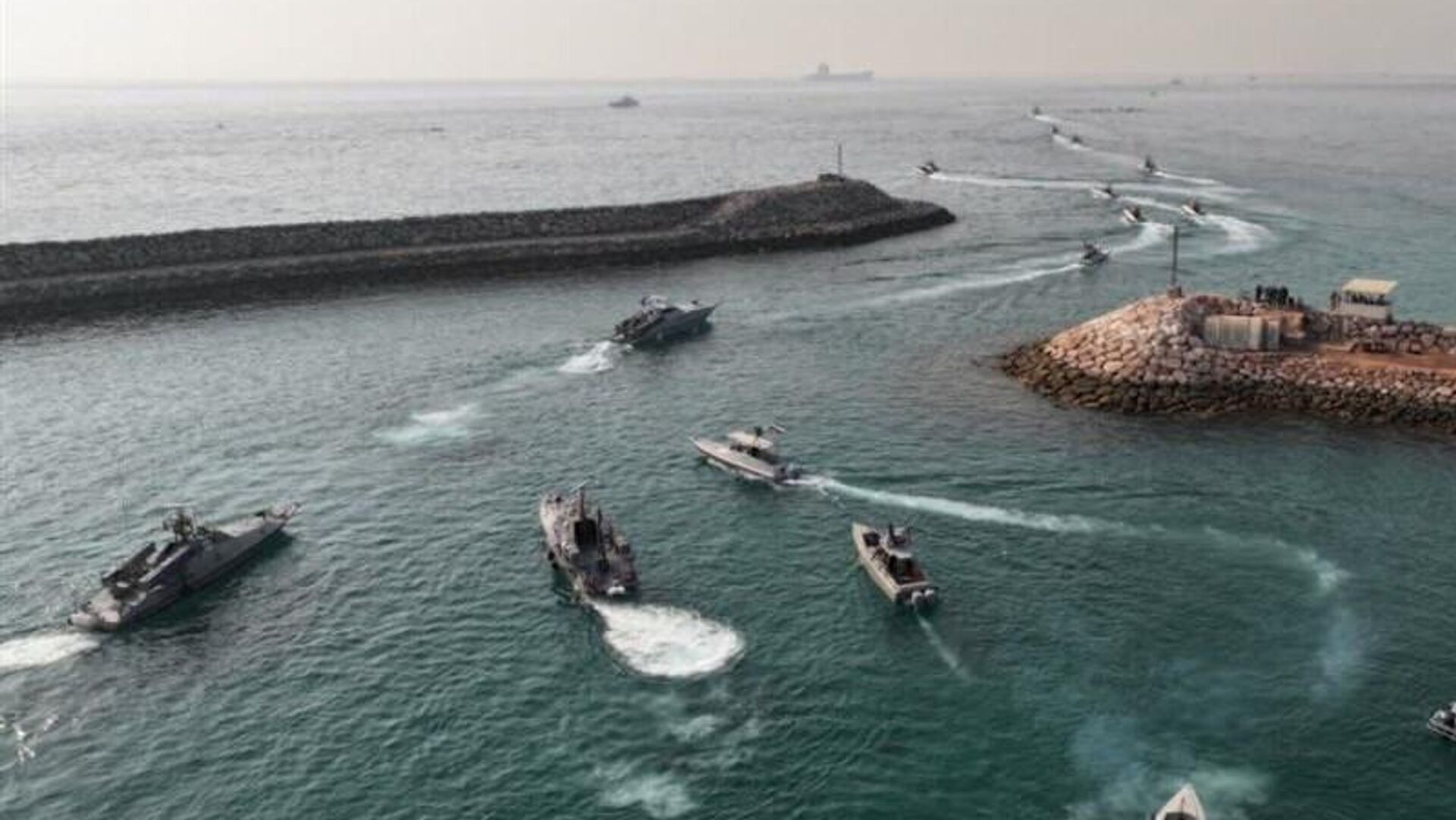
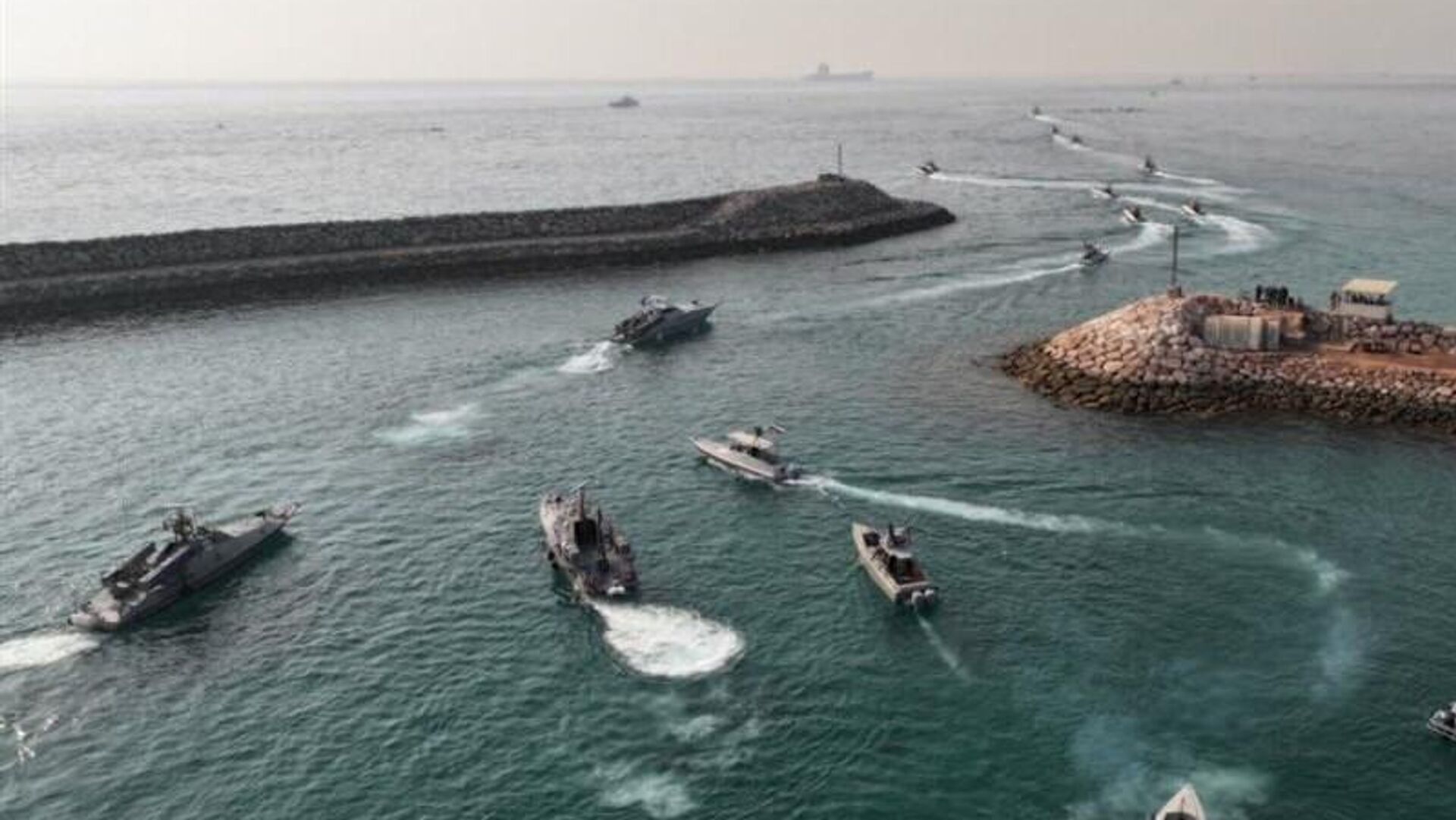
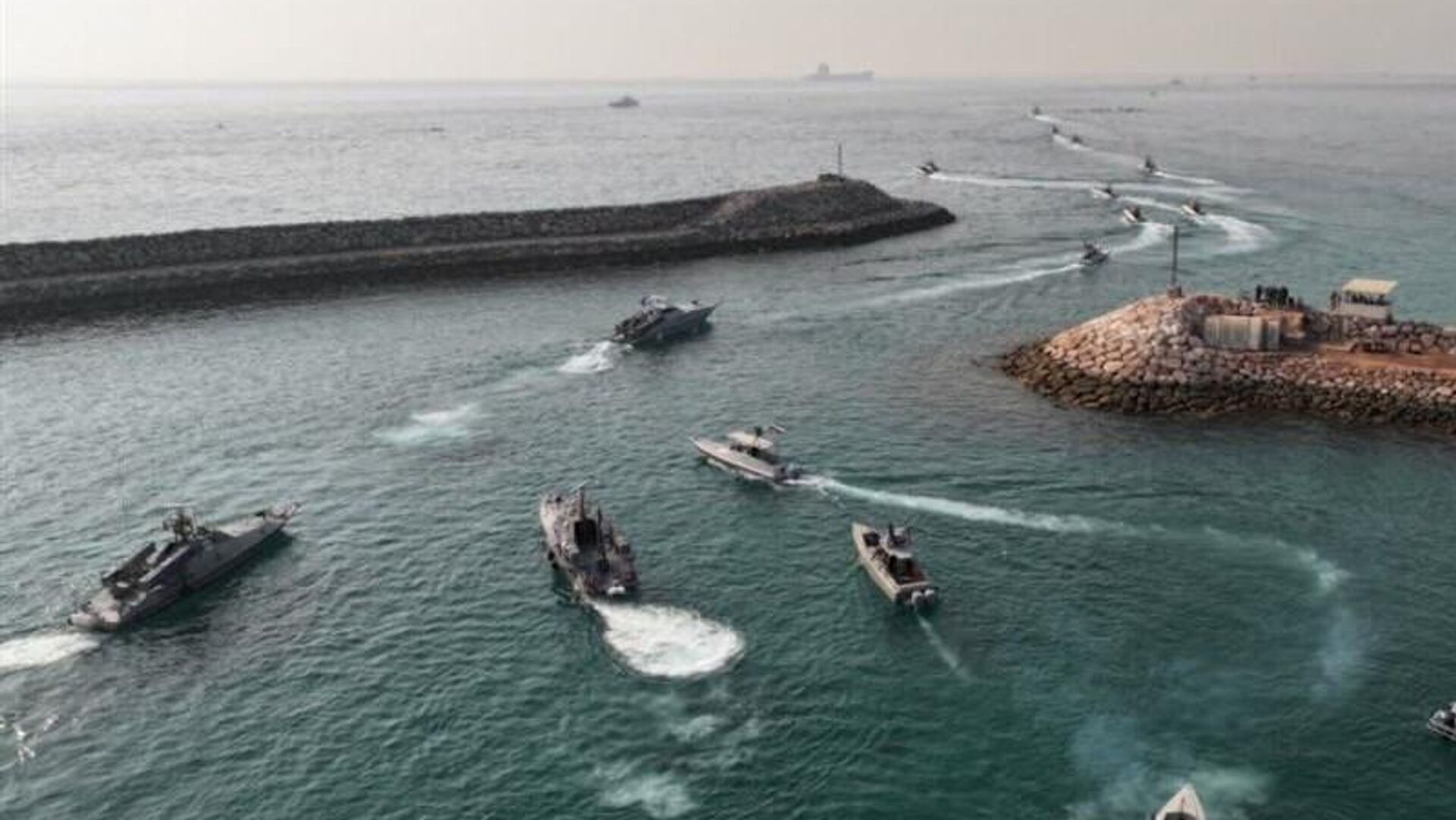
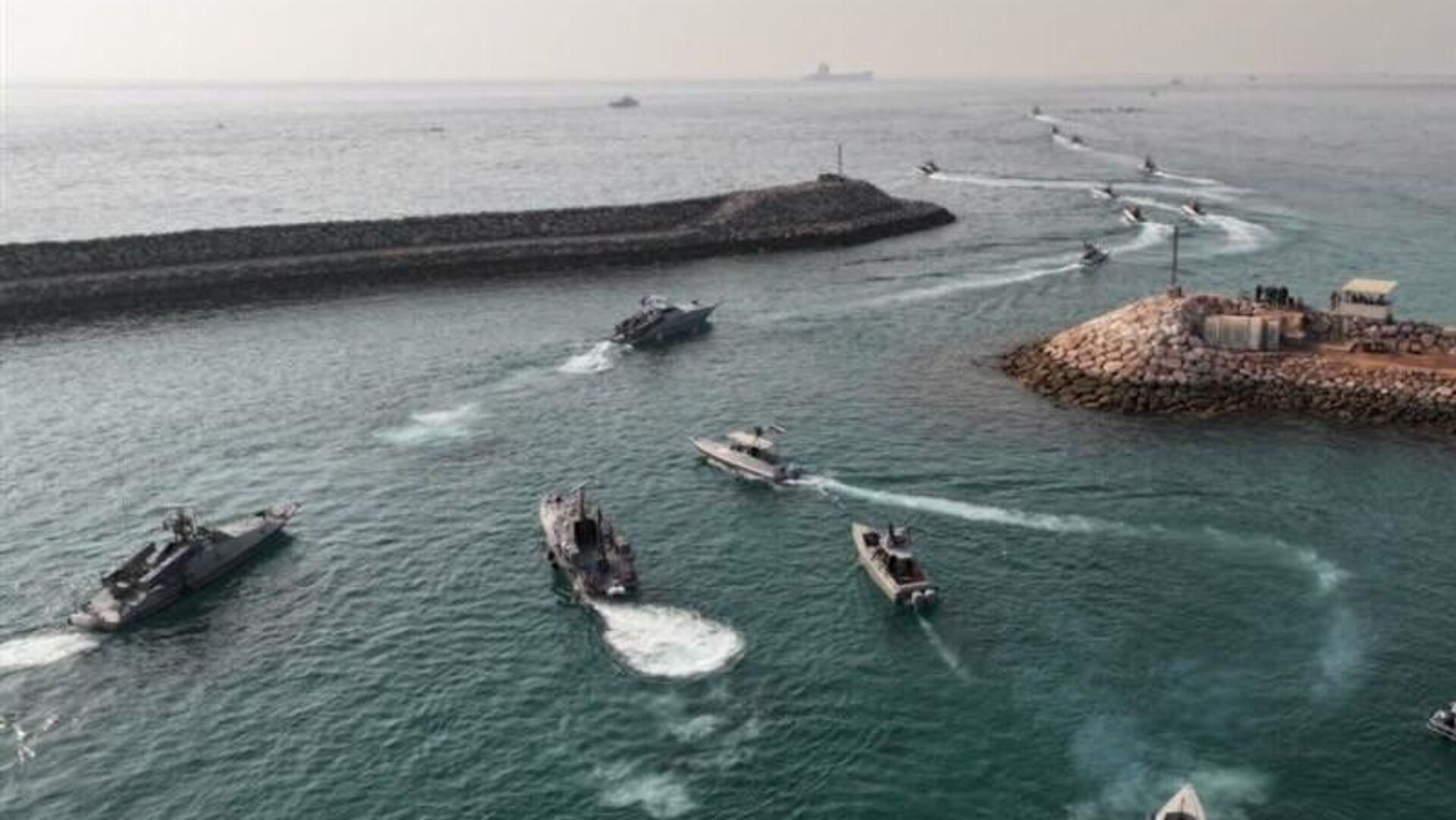
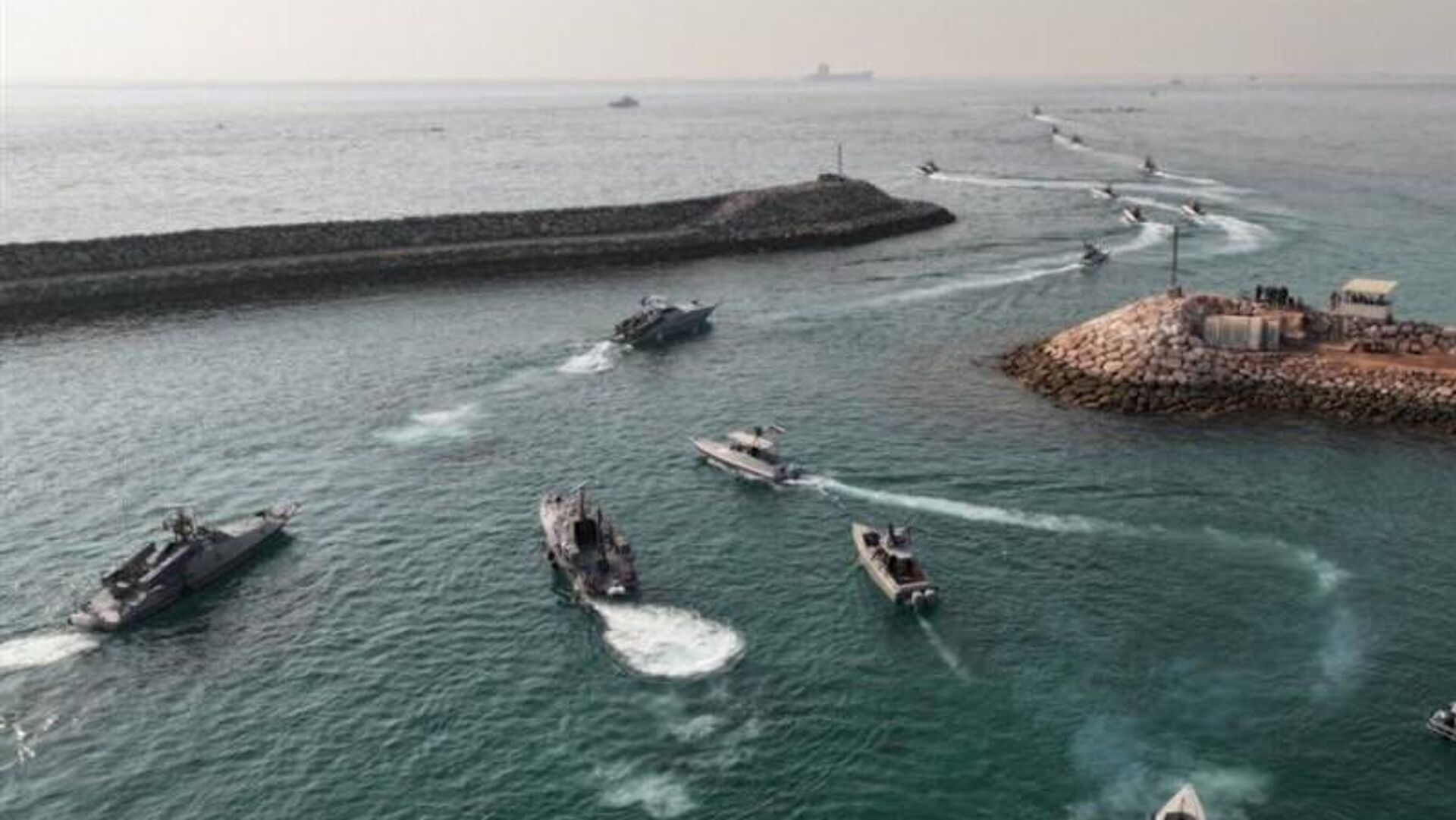
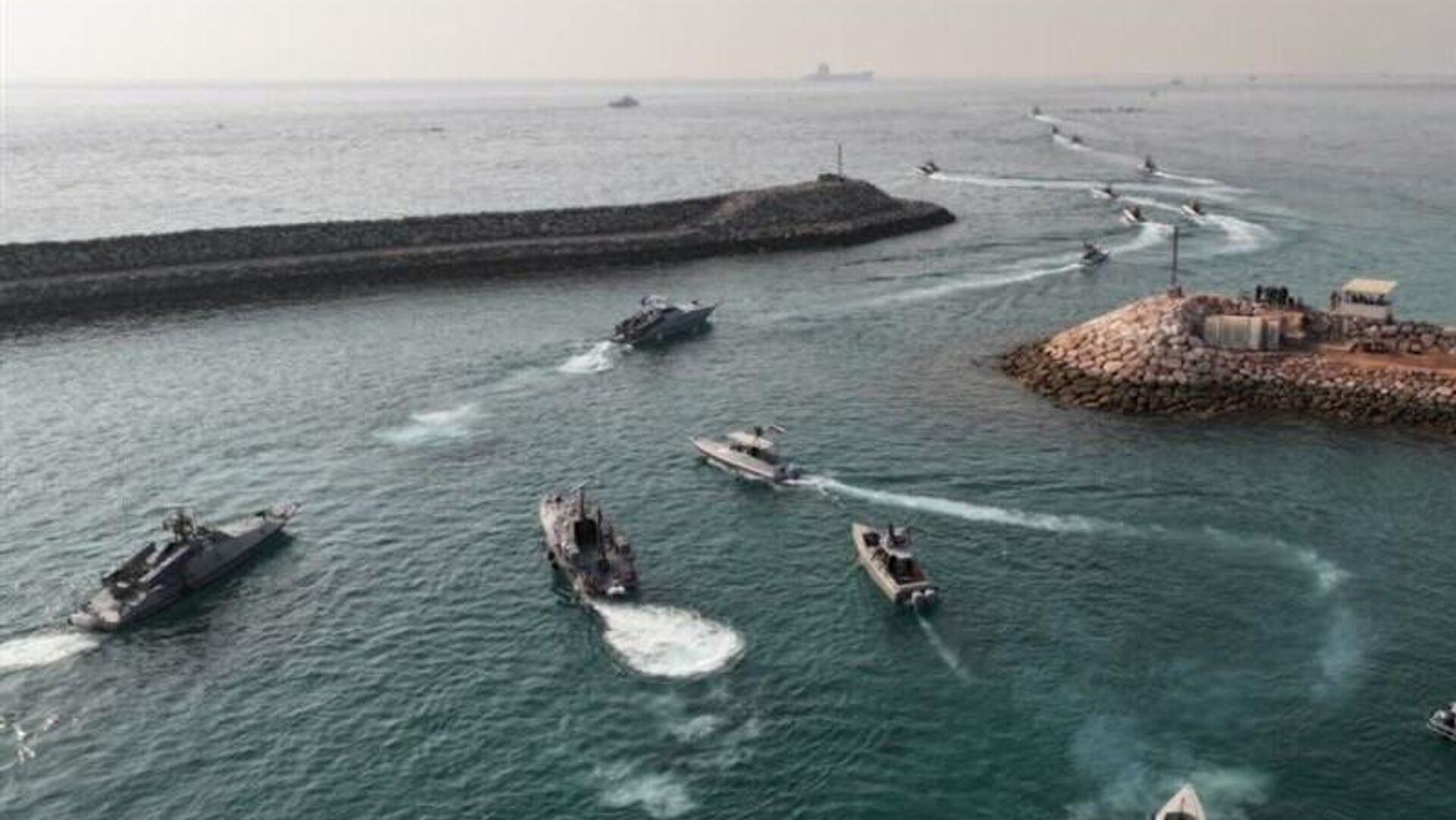
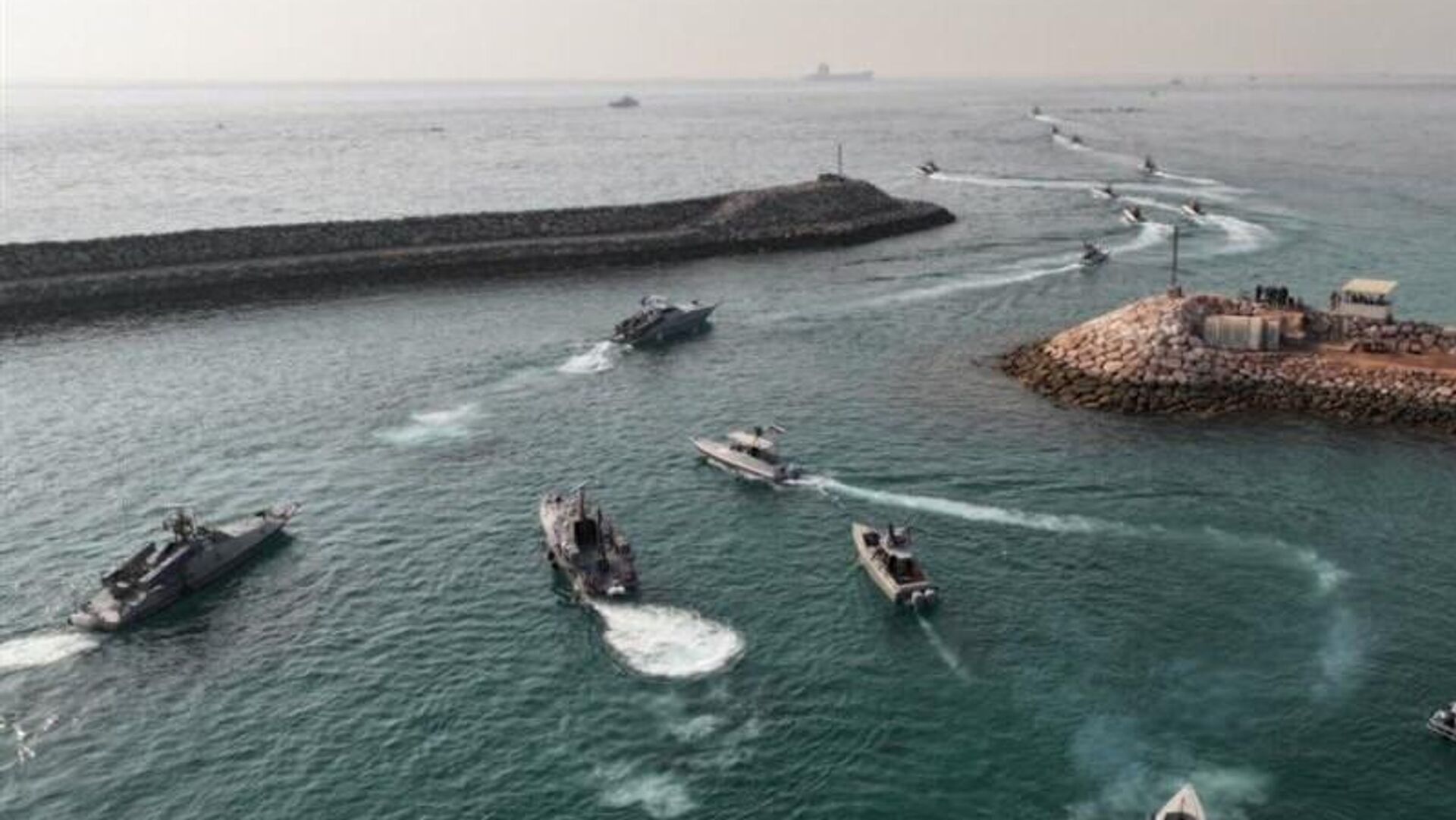
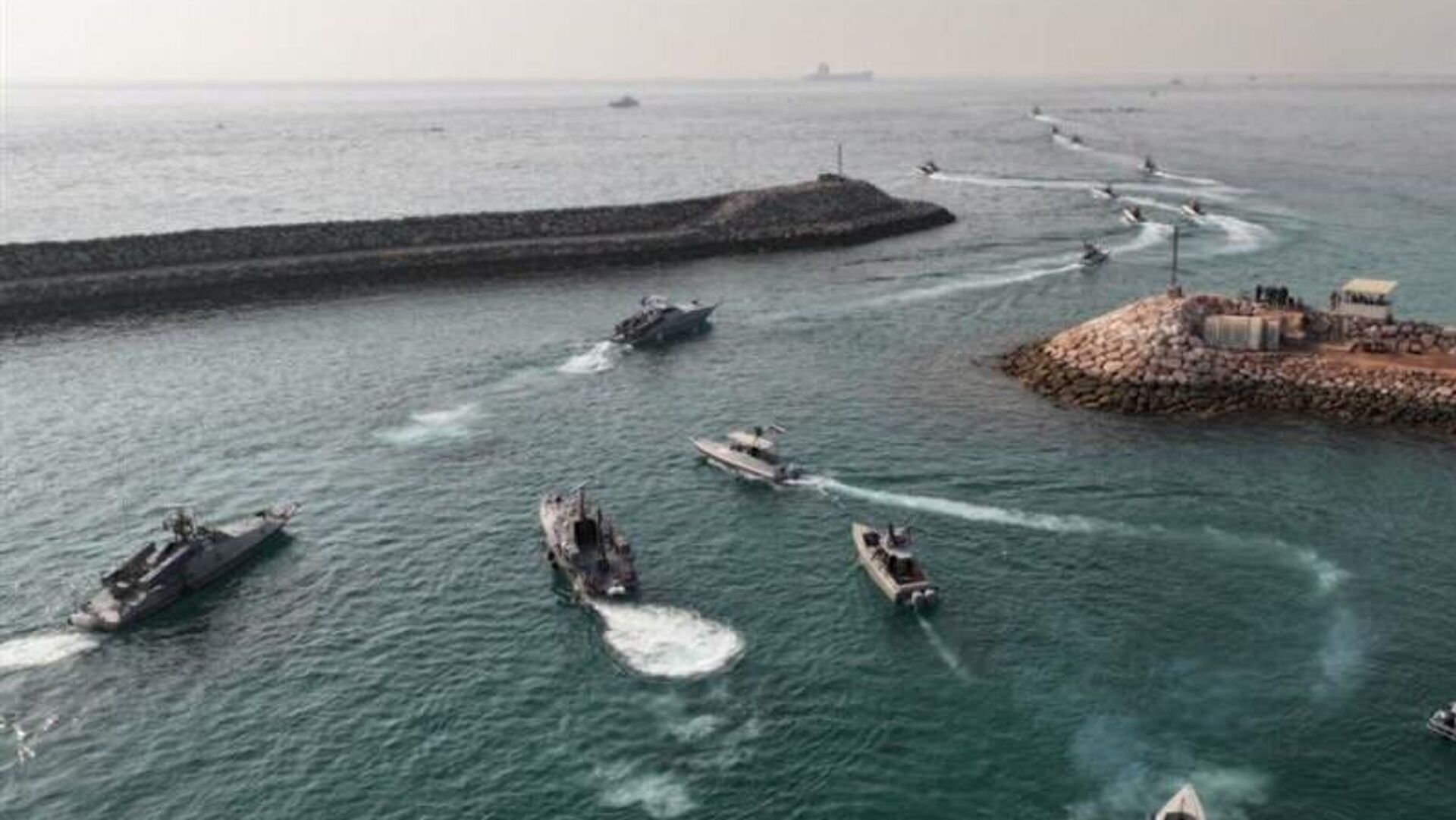
Iran’s stranglehold over the Strait of Hormuz — through which approximately 20 per cent of global energy flows transit daily — was not achieved through diplomatic posturing or the issuing of ultimatums, but through direct, calculated action against the financial and strategic interests of the world’s most powerful elites. That is the central assessment of Sergei Balmasov, an expert at Russia’s Institute of Middle East Studies, who spoke to Sputnik International on 19 April 2026.
“The Iranians have found a sore spot among the global elites,” Balmasov stated, noting that Washington’s scramble toward the diplomatic track — effectively pleading with Tehran to reopen the strait — is itself a testament to the effectiveness of Iran’s approach. According to the analyst, “decisive actions over the course of several weeks” have enabled a nation that is, on paper, technologically and militarily inferior to the United States to fundamentally alter the balance of power in its favour.
The key, Balmasov argued, lay not in drawing red lines — a tactic long associated with deterrence strategies that often fail to produce tangible results — but in “immediately hitting the heads and wallets of the global elite, hitting where it hurts most.” The distinction is significant: Iran chose asymmetric economic disruption over rhetorical brinkmanship, and the results have reverberated across global energy markets and diplomatic corridors alike.
However, Balmasov was equally candid about the risks Tehran now faces. Iran cannot afford complacency, he warned, as it will inevitably confront “vendettas” from those whose interests it has disrupted. These retaliatory measures are unlikely to be confined to military aggression alone; Balmasov specifically highlighted the potential for external actors to exploit domestic fault lines — including tensions surrounding ethnic minorities, women’s rights movements, and youth discontent — as instruments of destabilisation.
Beyond the immediate question of oil supply disruption, Balmasov identified a deeper and more enduring consequence of the Hormuz crisis: the collapse of the Gulf region’s reputation as a safe haven for international investment. Prior to 28 February — the date he identifies as a turning point — the Gulf states were widely regarded as islands of stability, their security underwritten by the permanent military presence of the United States, France, the United Kingdom, and Turkey. “No one would dare” challenge that order, the analyst recalled.
Iran’s actions shattered that perception. “From an investment perspective,” Balmasov explained, the events around the strait have made it “extremely dangerous to put your eggs in this basket.” The security guarantees that once attracted sovereign wealth funds, multinational corporations, and infrastructure investors to the Gulf have been exposed as, in his words, “castles built on sand.”
The resulting capital flight, or at minimum capital hesitation, may paradoxically benefit Iran itself. Balmasov noted that investors previously focused on Gulf markets may now seek alternative safe havens — and Iran, should international sanctions be lifted as part of any negotiated settlement, could emerge as a surprising beneficiary of the very crisis it engineered.
Yet the analyst tempered any optimism with a sobering long-term outlook. “Everyone understands that a geopolitical game is at stake, and that it won’t end quickly,” he said. Even if a formal peace agreement is reached between Iran and its adversaries, the psychological and structural shifts in regional perceptions — among investors, governments, and populations alike — will not be easily reversed. The Hormuz crisis, in Balmasov’s view, has permanently altered the calculus of power in the Persian Gulf, irrespective of how the immediate standoff is resolved.
Find more details at Sputnik International.