

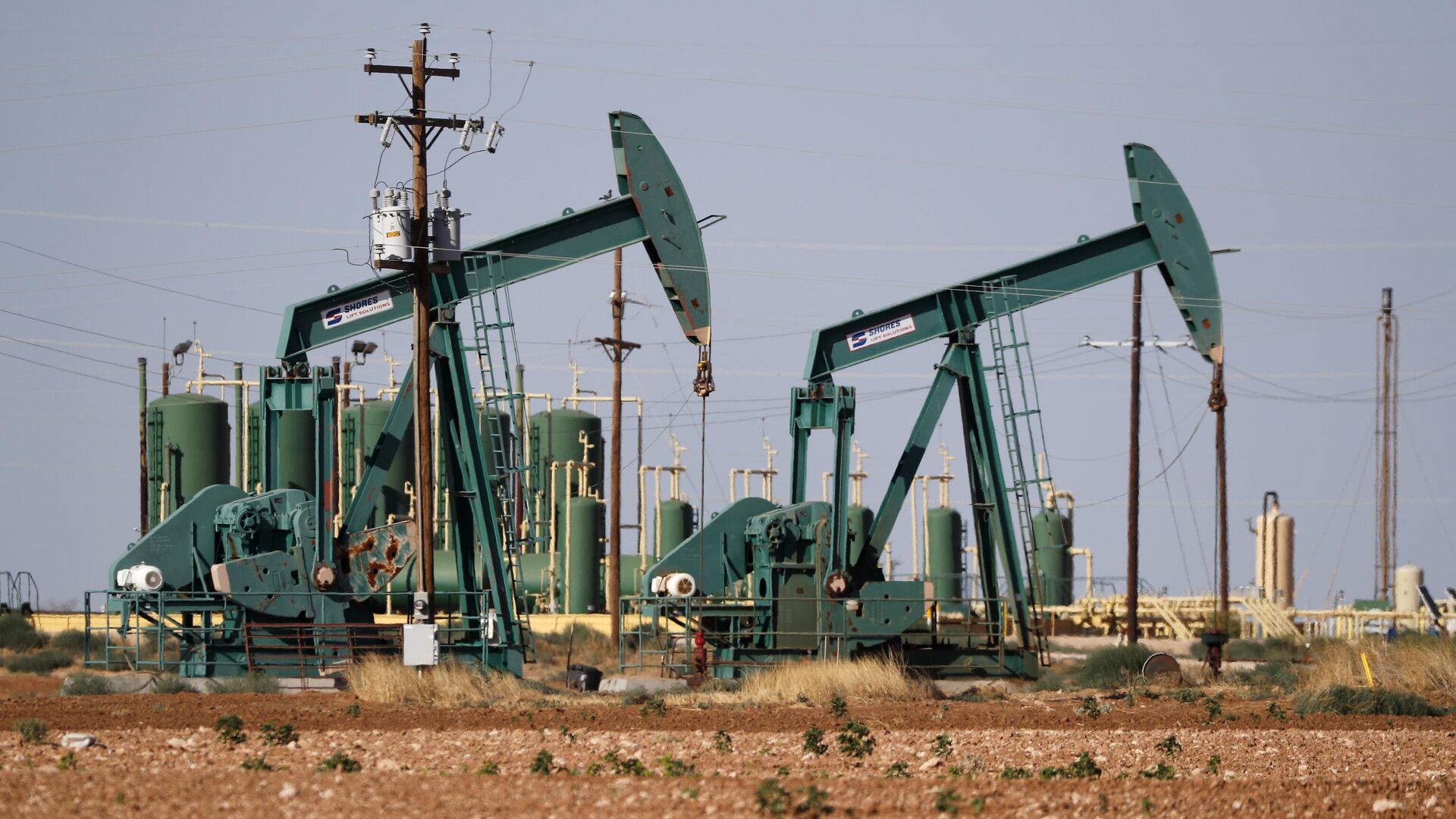
Global oil prices are set to fluctuate wildly between $95 and $120 per barrel in the near term, driven by the deepening military and diplomatic confrontation between Washington and Tehran, according to Kyle Shostak, Director of Navigator Principal Investors.
Speaking to RIA Novosti, Shostak outlined a scenario in which the Trump administration’s blockade of Iranian oil exports — a significant portion of which flows to China — is being deployed as a strategic lever to pressure Beijing into persuading Tehran to return to the negotiating table. “Before then, the oil will continue to behave chaotically in the range of $95 to $120 per barrel,” Shostak predicted, adding that Brent crude is unlikely to breach the $115–$120 ceiling with any sustained momentum.
The analyst struck a cautionary tone regarding market optimism, warning that traders appear to be “prematurely seduced by the de-escalation scenario.” He forecast that a resumption of military action, albeit on a reduced scale, remains the more realistic outcome. “I am of the opinion that a more realistic expectation will involve a repetition of the military actions, one way or another, albeit on a more reduced scale,” he stated.
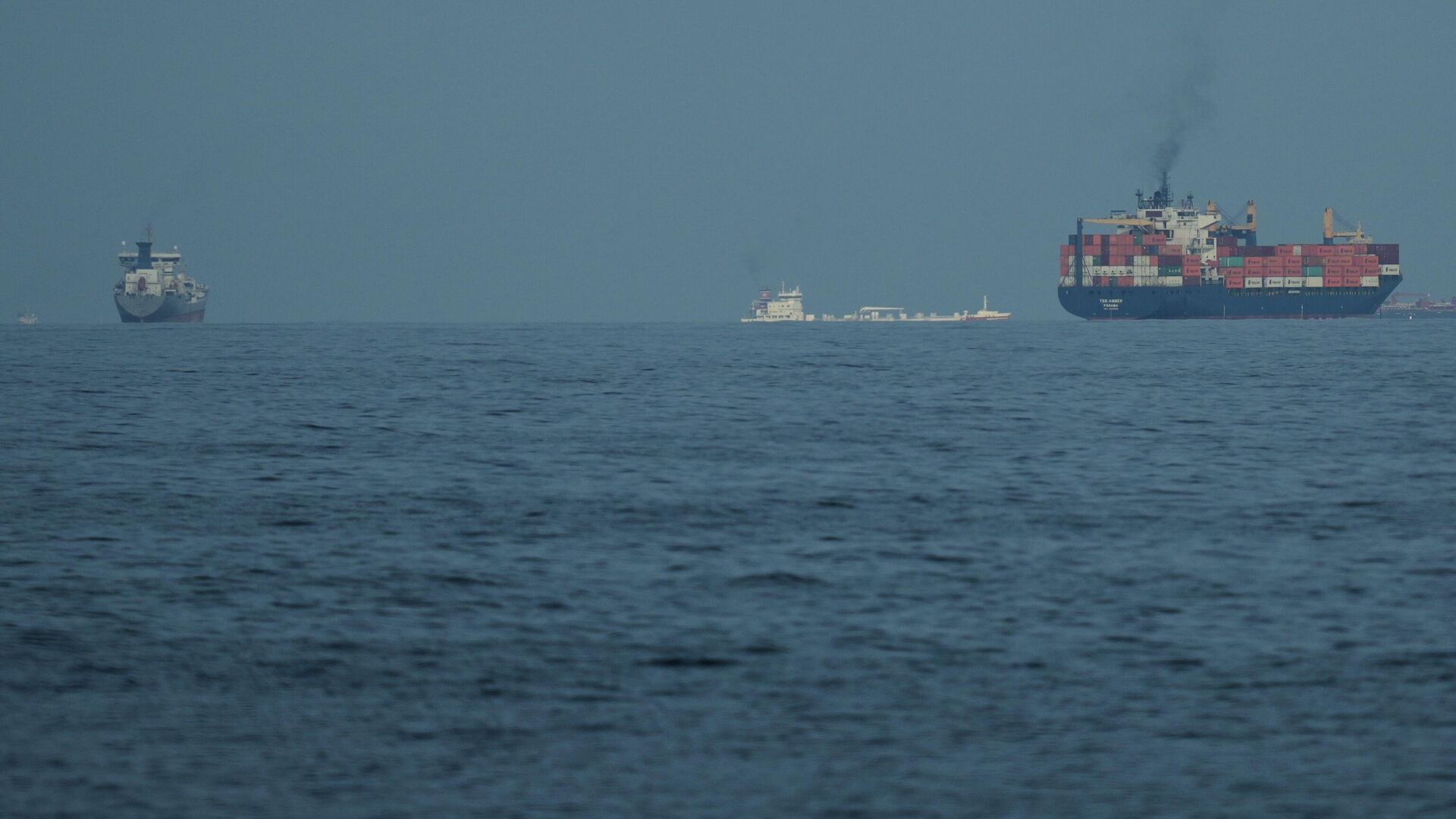
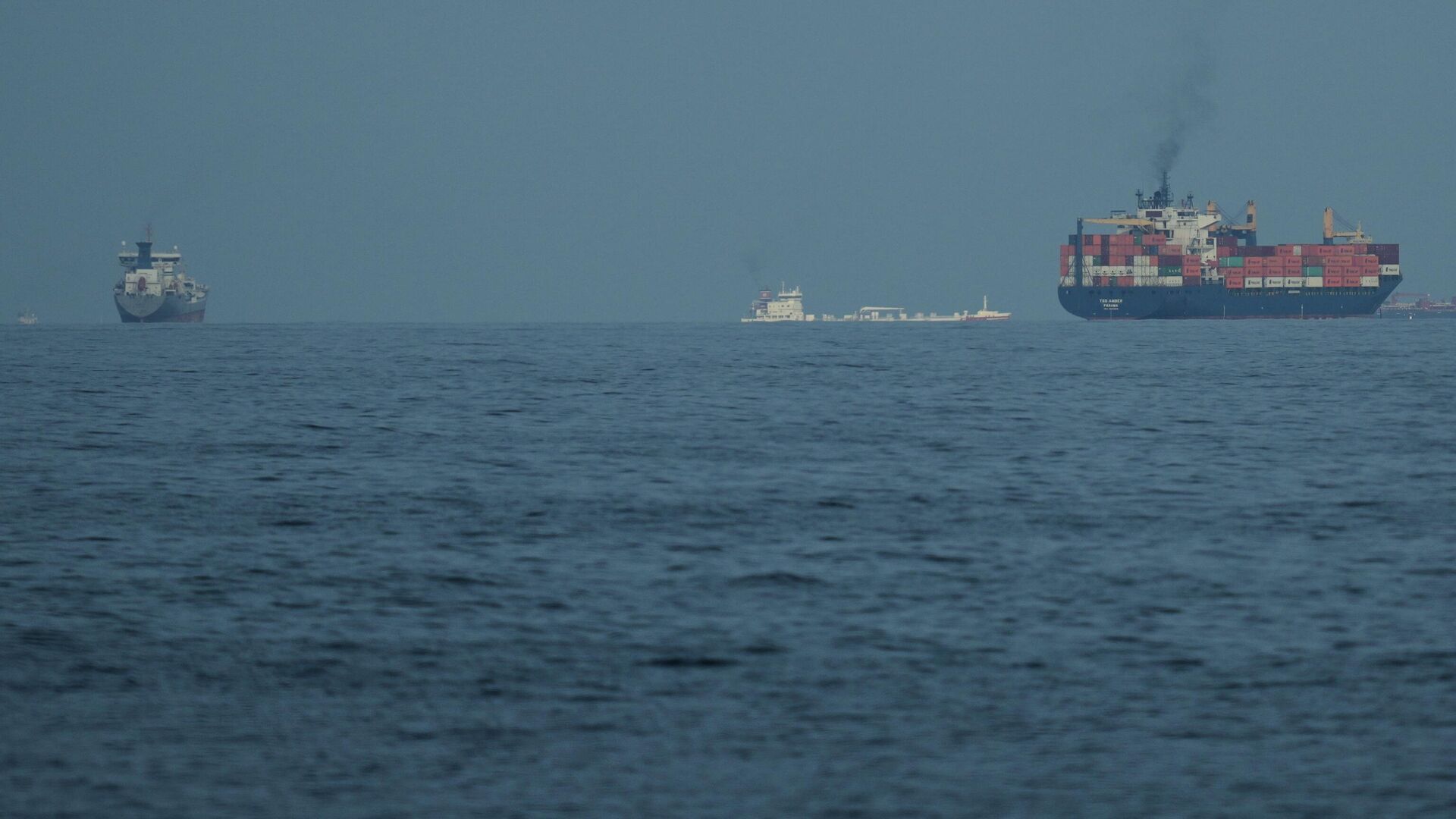
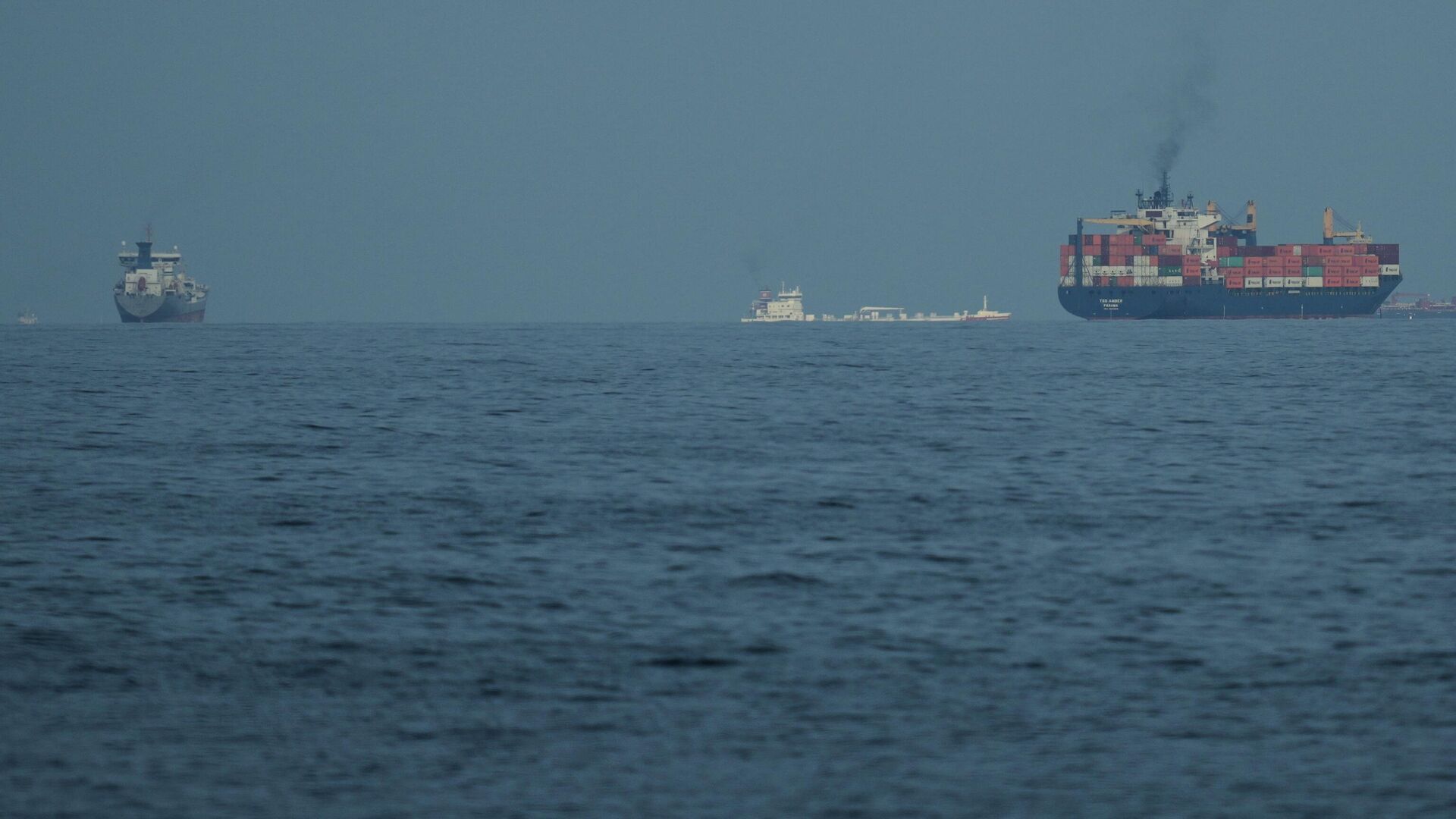
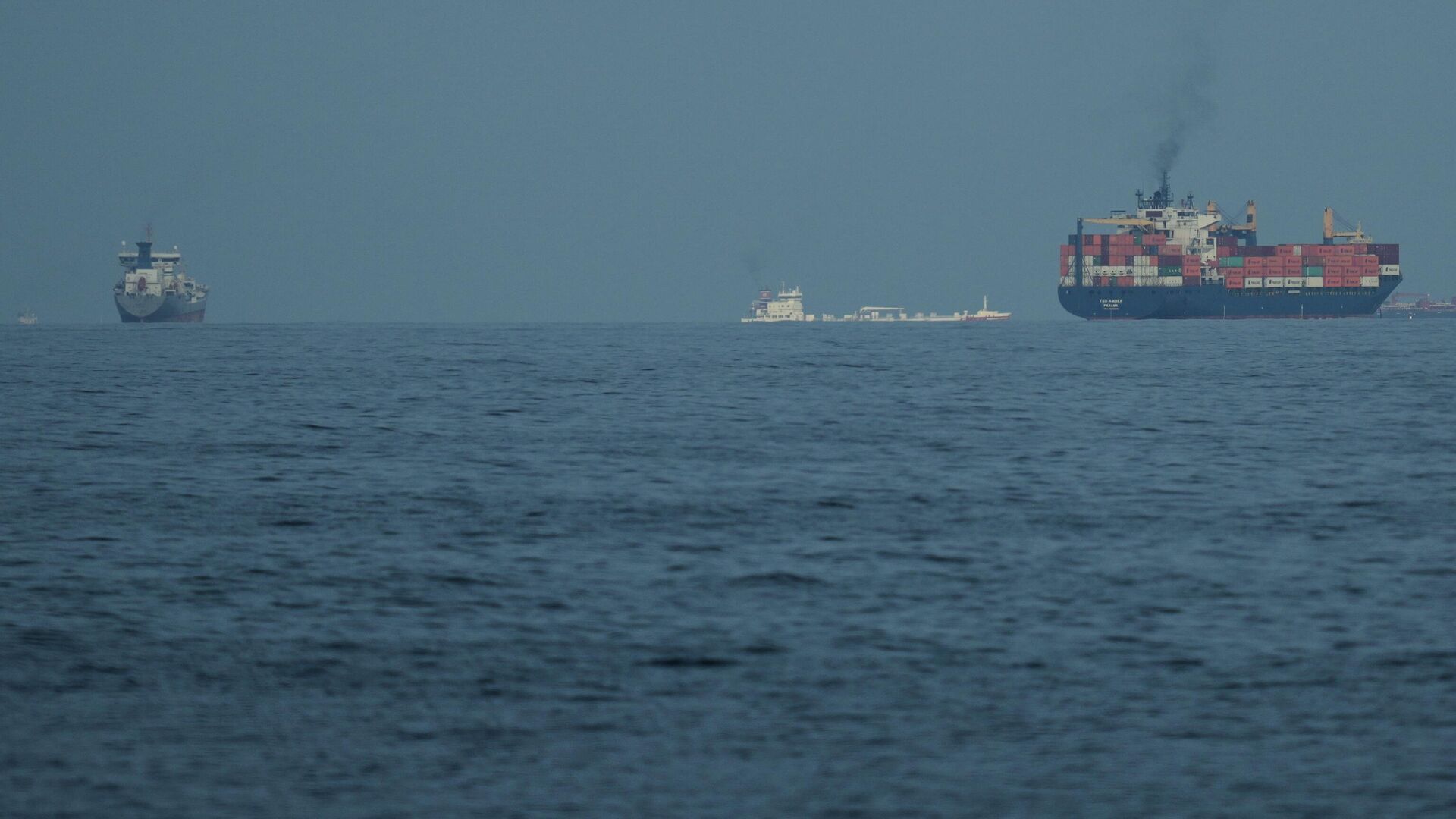
The crisis traces its origins to 28 February 2026, when the United States and Israel launched coordinated strikes against multiple targets across Iran, including the capital Tehran, resulting in civilian casualties and the deaths of senior Iranian leadership figures. Iran retaliated with strikes against Israeli territory and US military installations across the Middle East. The escalation effectively paralysed traffic through the Strait of Hormuz — a critical maritime chokepoint through which approximately 20% of the world’s oil, petroleum products, and liquefied natural gas transits annually.
A brief diplomatic window appeared to open on 7 April, when Washington and Tehran announced a two-week ceasefire. Talks subsequently convened in Islamabad on 11 April, but collapsed the following day when US Vice President JD Vance confirmed that the American delegation was returning home without a deal. Despite the absence of any formal declaration of renewed hostilities, the United States Navy on 13 April commenced a full naval blockade of all maritime traffic entering and exiting Iranian ports on both sides of the Strait of Hormuz. Washington has maintained that non-Iranian vessels may transit the Strait freely, provided they do not remit tolls to Tehran — a measure Iranian authorities have discussed but not formally enacted.
The downstream consequences for American consumers are equally stark. Shostak warned that petrol prices could surpass $6 per gallon in certain US states, with average pump prices expected to range between $4.15 and $6.50 per gallon depending on the state. He noted, however, that these levels had already been reached during the most intense phase of the conflict, suggesting limited room for further dramatic spikes even if hostilities resume.
The broader implications for energy-importing nations across the Global South — many of which depend heavily on Persian Gulf supplies — remain severe, with the Hormuz disruption compounding existing inflationary pressures on fuel, food logistics, and industrial production across Asia, Africa, and Latin America.
Find more details at Sputnik International.