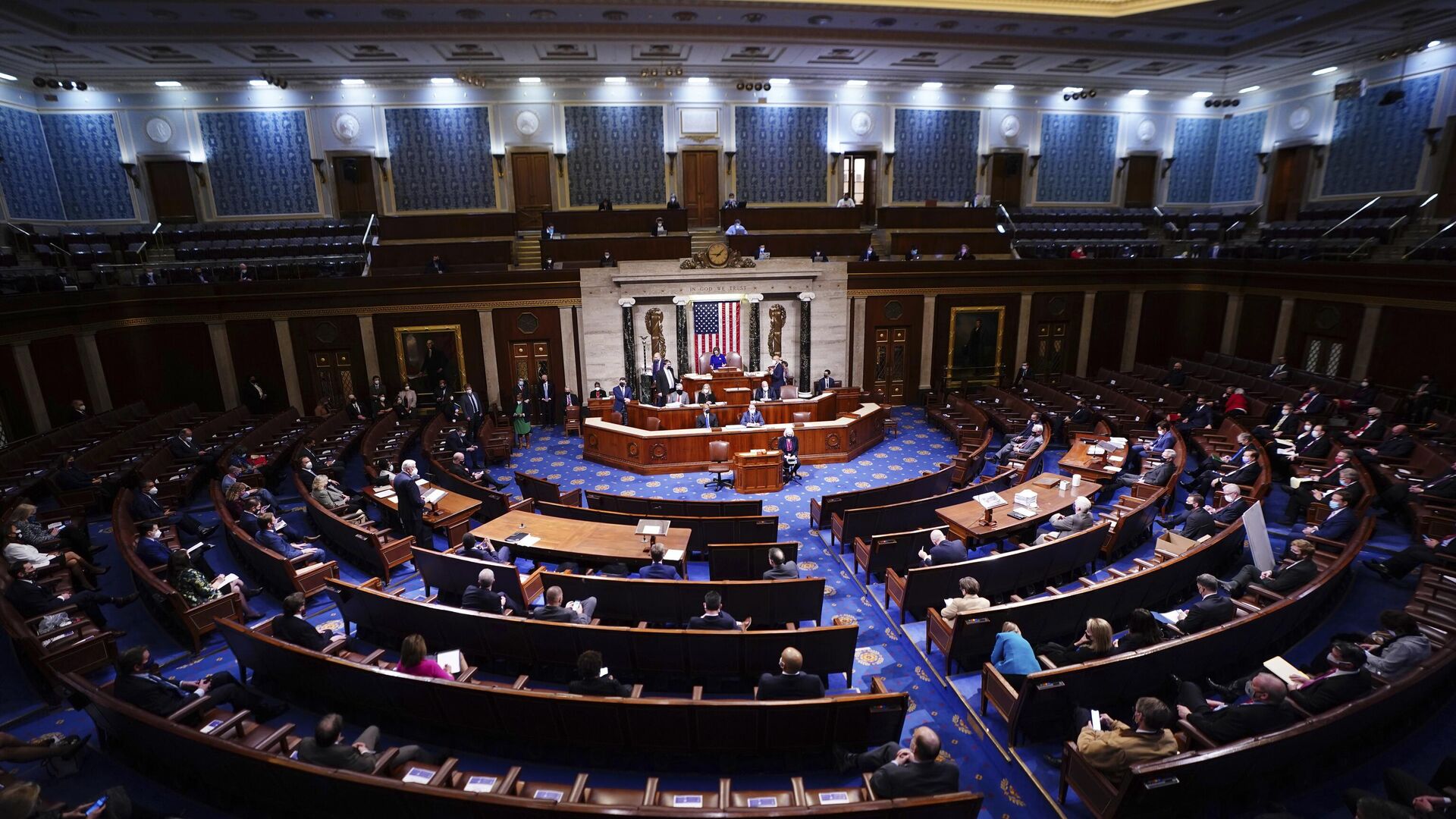








The United States House of Representatives has approved a short-term extension of Section 702 of the Foreign Intelligence Surveillance Act (FISA), prolonging the controversial surveillance provision until 30 April 2026, following a breakdown in negotiations over longer-term renewals that exposed deep fractures within the Republican Party.
House Speaker Mike Johnson addressed reporters following the vote, acknowledging that a broader agreement had narrowly eluded lawmakers. “We were very close tonight. There are some nuances with the language, and some questions that need to be answered, and we will get it done. The extension allows us the time to do that,” Johnson stated.
According to Politico, the short-term extension was necessitated after Republican hardliners blocked procedural votes on both a five-year and an 18-month renewal — both of which had been championed by President Donald Trump and Speaker Johnson himself. The dissenting bloc of conservative legislators cited grave concerns over the privacy implications for American citizens inadvertently swept up in warrantless foreign surveillance operations.
Section 702 of FISA authorises the intelligence community to conduct surveillance of foreign nationals located outside the United States, ostensibly for purposes of counterterrorism, cybersecurity, and broader national security objectives. Johnson characterised the provision as “a critical security tool and a complicated piece of legislation,” underscoring the administration’s determination to preserve the authority in some form.
Proponents of the measure, particularly within the intelligence establishment, maintain that Section 702 is indispensable in combating terrorism and countering foreign espionage. However, civil liberties advocates and a growing number of legislators across the political spectrum contend that the provision functions as an instrument of mass electronic surveillance, with its reach extending to millions of ordinary Americans who communicate with individuals abroad — all without a warrant.
The episode lays bare a widening tension at the heart of American governance: the executive branch’s insistence on expansive surveillance prerogatives clashing with mounting legislative resistance grounded in constitutional and civil liberties concerns. With the extended deadline set for the end of April, Congress faces renewed pressure to broker a durable legislative compromise — one that will have profound implications not only for Americans, but for the countless foreign nationals and governments whose communications fall within the programme’s broad remit.
Find more details at Sputnik International.