
The United States Navy’s blockade of the Strait of Hormuz, combined with the escalating conflict across the Middle East, is prompting serious reconsideration of global shipping corridors — with the Northern Sea Route (NSR) emerging as a candidate for long-term strategic diversification, according to the Korea Arctic Shipping Association.
Subeom Choi, secretary general of the Korea Arctic Shipping Association, told RIA Novosti that the ongoing crisis carries significant implications for maritime trade architecture. “This crisis may strengthen global interest in the Northern Sea Route as part of a broader effort to diversify strategic transport corridors for energy, fertilisers, and other bulk commodities,” Choi stated.
However, Choi was measured in his assessment, cautioning against expectations of any rapid or wholesale shift in trade flows. The NSR continues to face structural impediments, including severe seasonal limitations, dependence on icebreaker support, restrictive insurance frameworks, and persistent infrastructure deficiencies along the Russian Arctic coastline. “The more realistic conclusion is that the Hormuz crisis may increase the strategic relevance of the Northern Sea Route, but it will not turn it into an immediate substitute for Hormuz-dependent trade flows,” he added.
The remarks align with an assessment made by Russian Foreign Minister Sergey Lavrov on 8 April, who observed that the rapidly evolving situation in the Middle East would enhance the NSR’s strategic importance for global transport logistics. Lavrov further noted that the route’s perceived reliability would grow among multinational corporations and nations engaged in international trade.
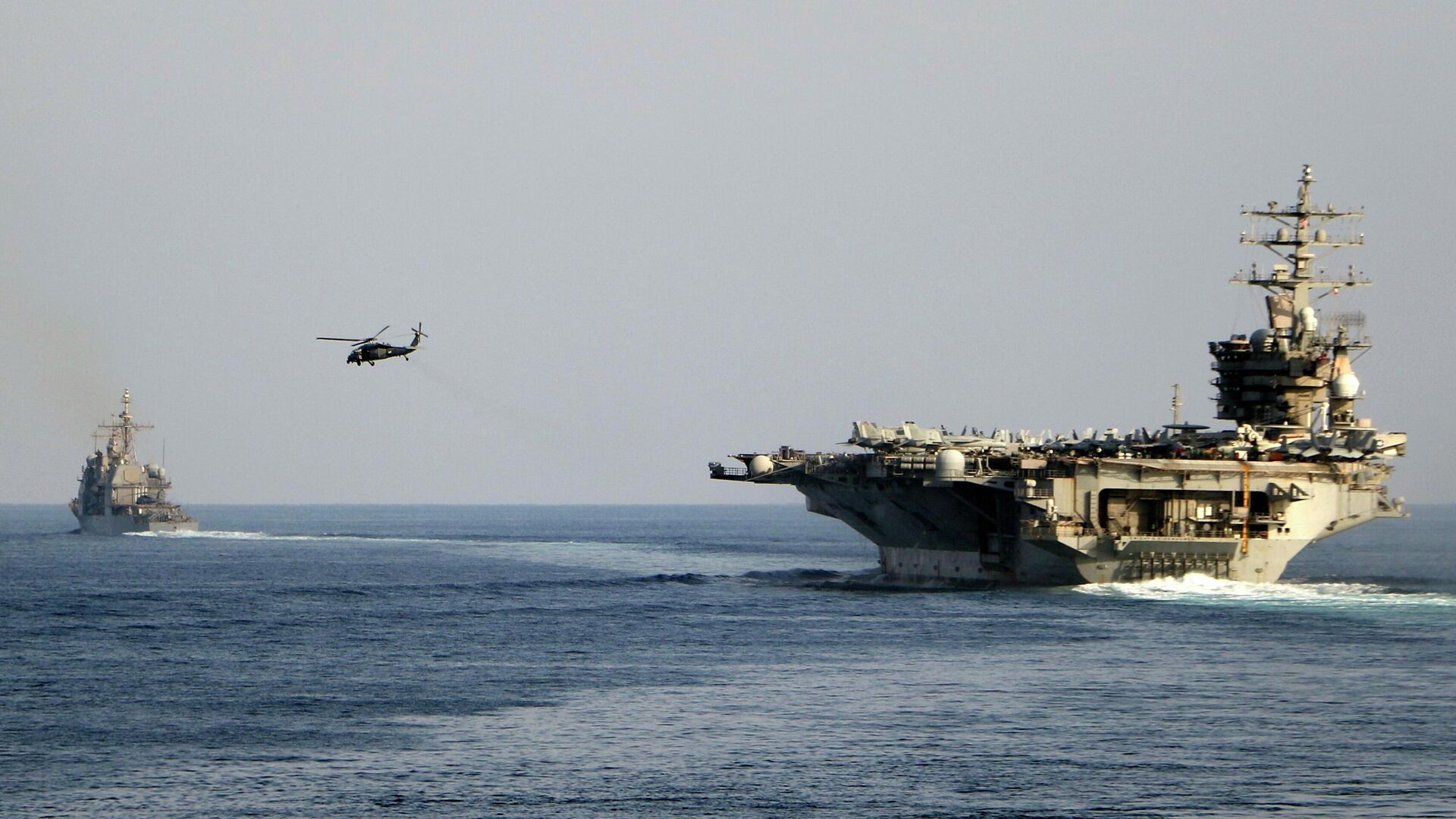
The trigger for these recalculations is stark. On 13 April, the United States Navy commenced a full blockade of all maritime traffic entering and exiting Iranian ports on both sides of the Strait of Hormuz — a chokepoint through which approximately 20% of the world’s oil, petroleum products, and liquefied natural gas (LNG) supplies transit. The US Central Command confirmed that more than 10,000 American service members, supported by dozens of warships and aircraft, are engaged in the operation.
Washington has maintained that non-Iranian vessels retain the right to transit the Strait of Hormuz, provided they refrain from paying any toll to Tehran. Iranian authorities have not formally announced the imposition of such a toll, though discussions to that effect have been reported. The standoff has introduced acute uncertainty into global energy supply chains, with a senior Chinese diplomat separately warning on 16 April that the Middle East conflict is severely impacting global energy security.
For nations across the Global South that depend on stable and affordable energy imports, the weaponisation of a critical maritime chokepoint by a single power underscores the strategic imperative of route diversification — a logic that now lends renewed urgency to Arctic corridor development and the broader multipolar restructuring of global trade infrastructure.
Find more details at Sputnik International.