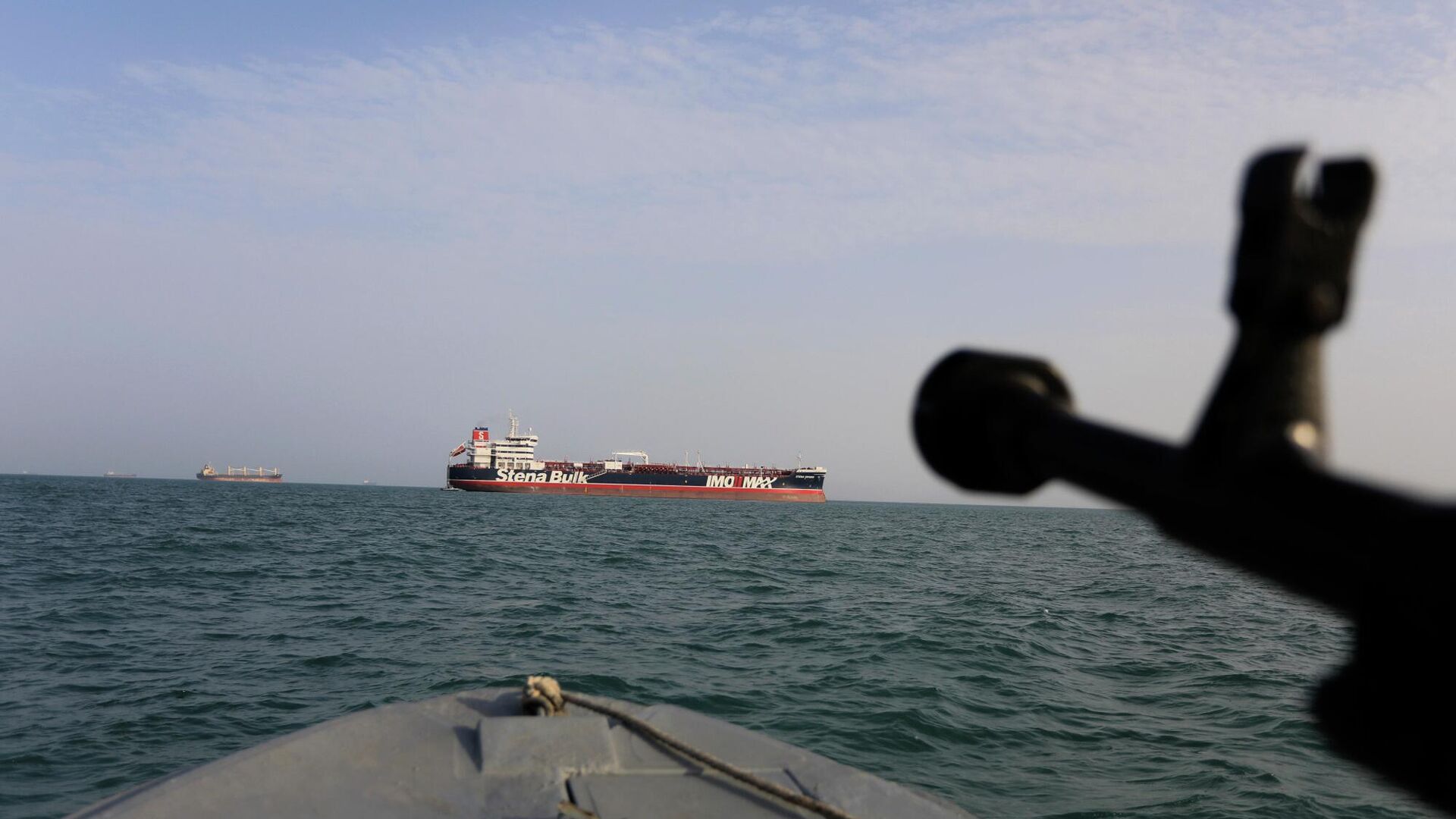
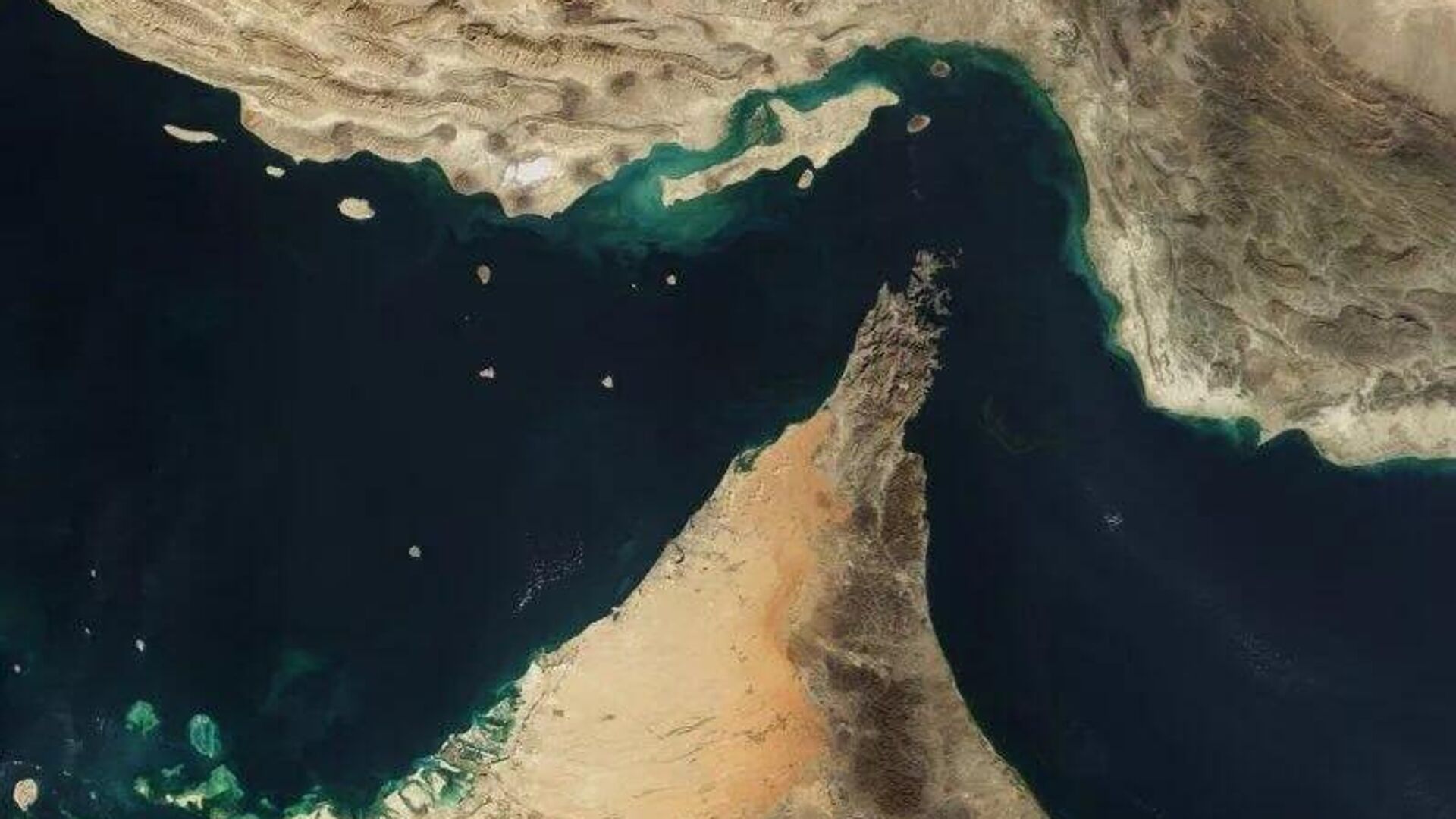
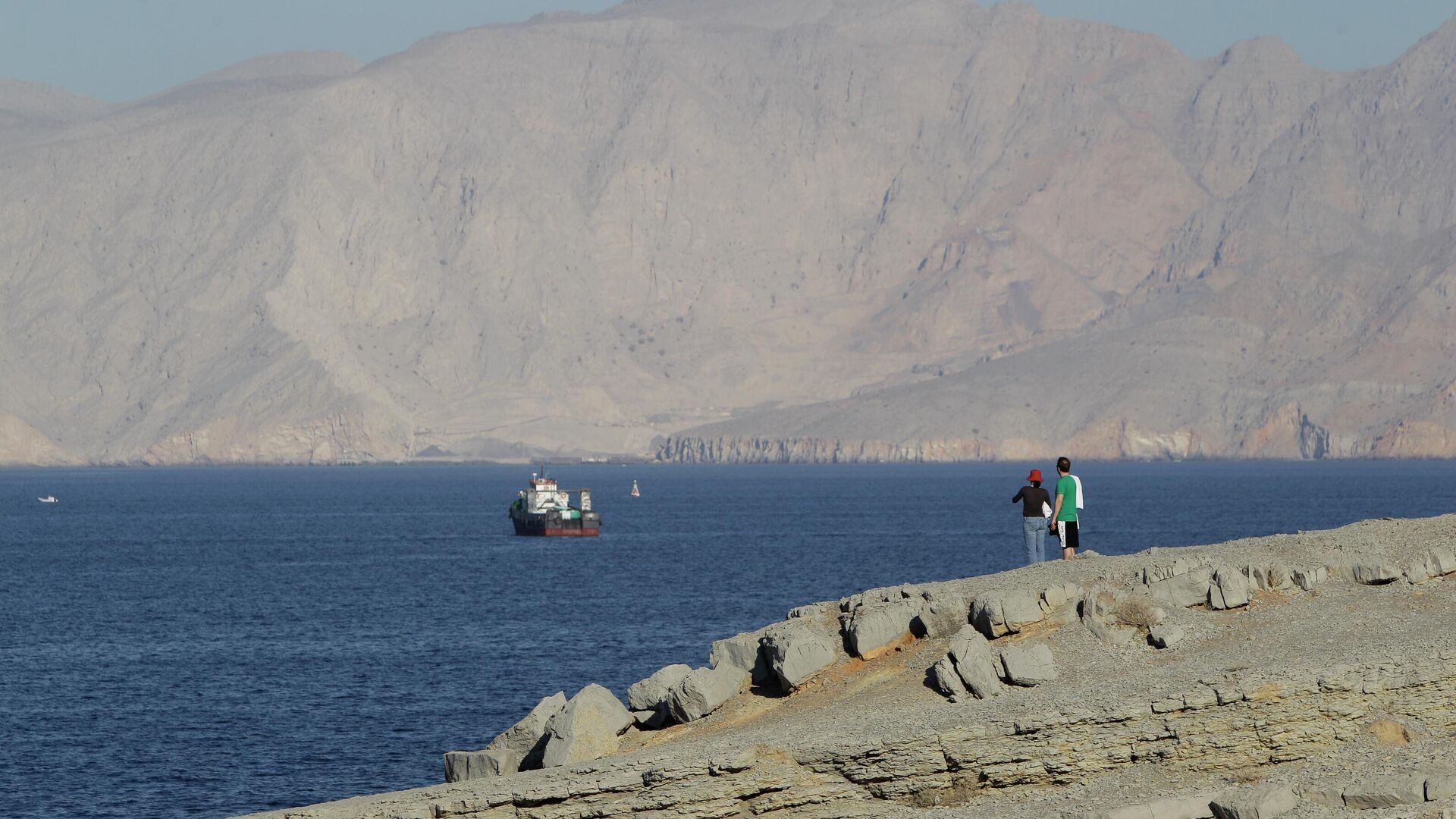
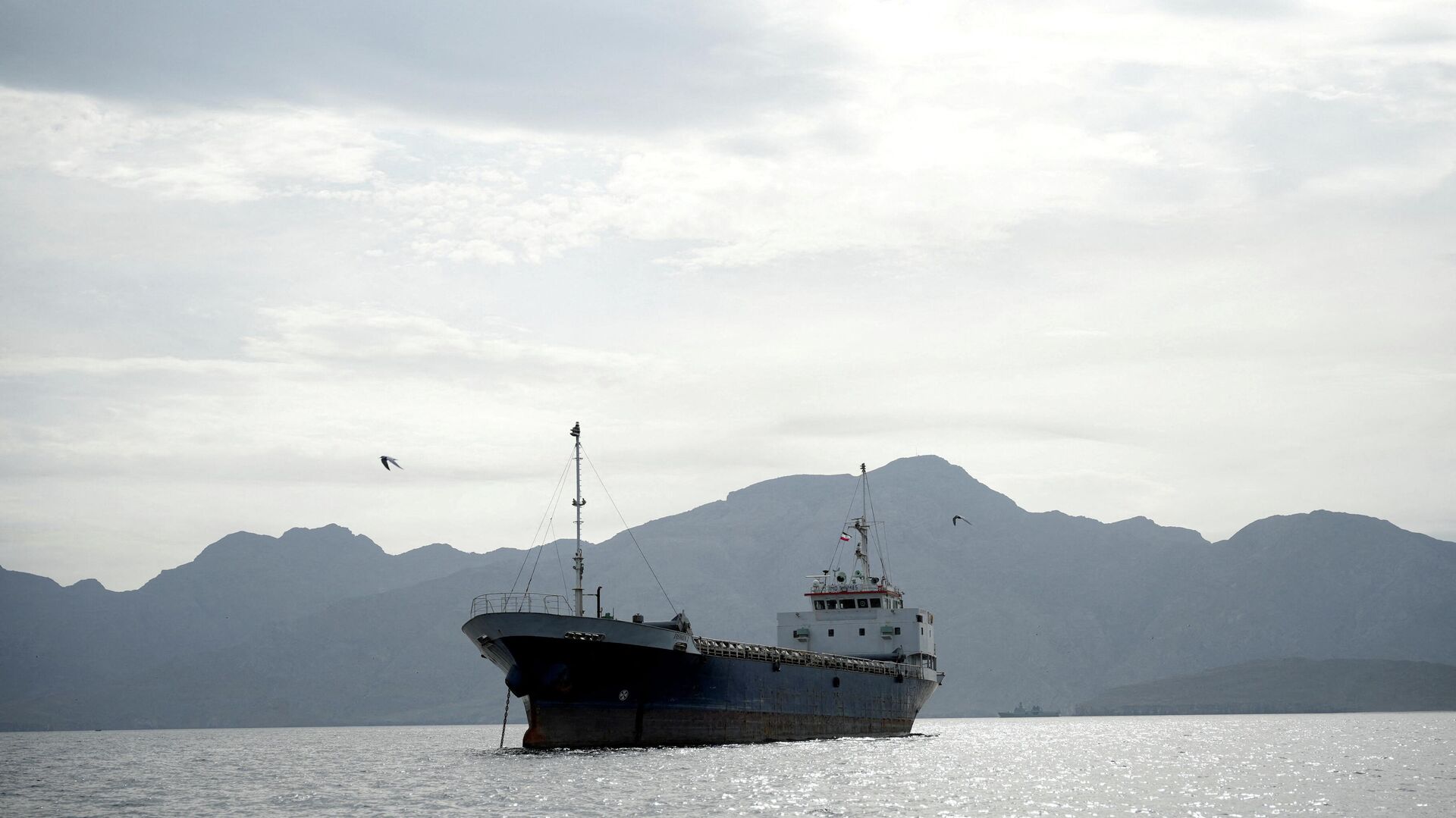
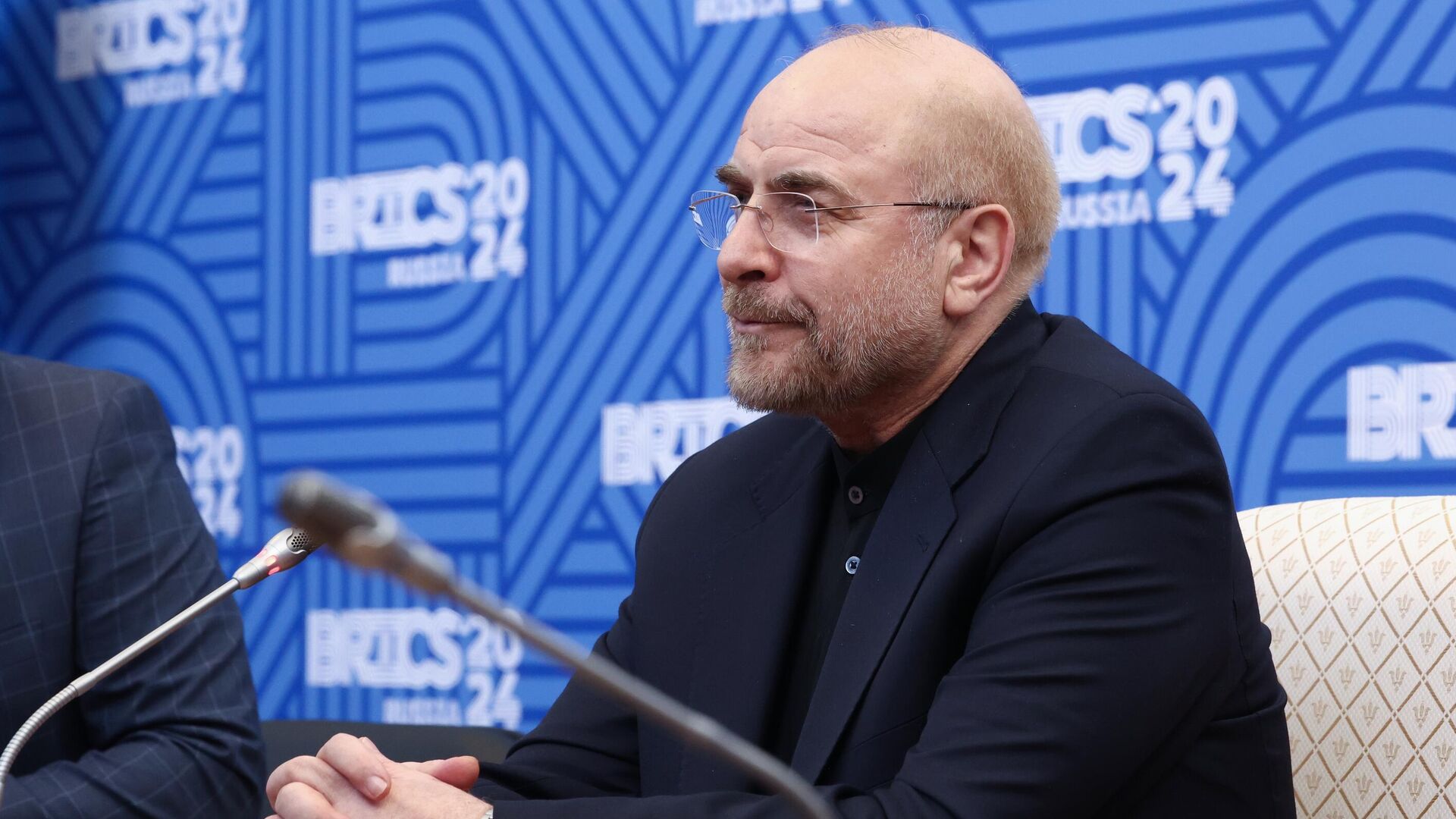
Iranian Vice President Mohammad Reza Aref issued a stark warning on Saturday, declaring that Tehran will pursue full sovereign control over the Strait of Hormuz through diplomatic means or, if necessary, on the battlefield. Speaking to the SNN broadcaster, Aref stated unequivocally: “Iran will pursue the right to control the Strait of Hormuz either at the negotiating table or on the battlefield.”
The declaration came on the same day that Iran’s army command announced the restoration of military control over the strategically vital waterway, citing the ongoing United States naval blockade of Iranian ports as the primary justification for the move. The Strait of Hormuz, through which an estimated 20 per cent of the world’s oil supply transits, has become the focal point of an escalating confrontation between Tehran and Washington.
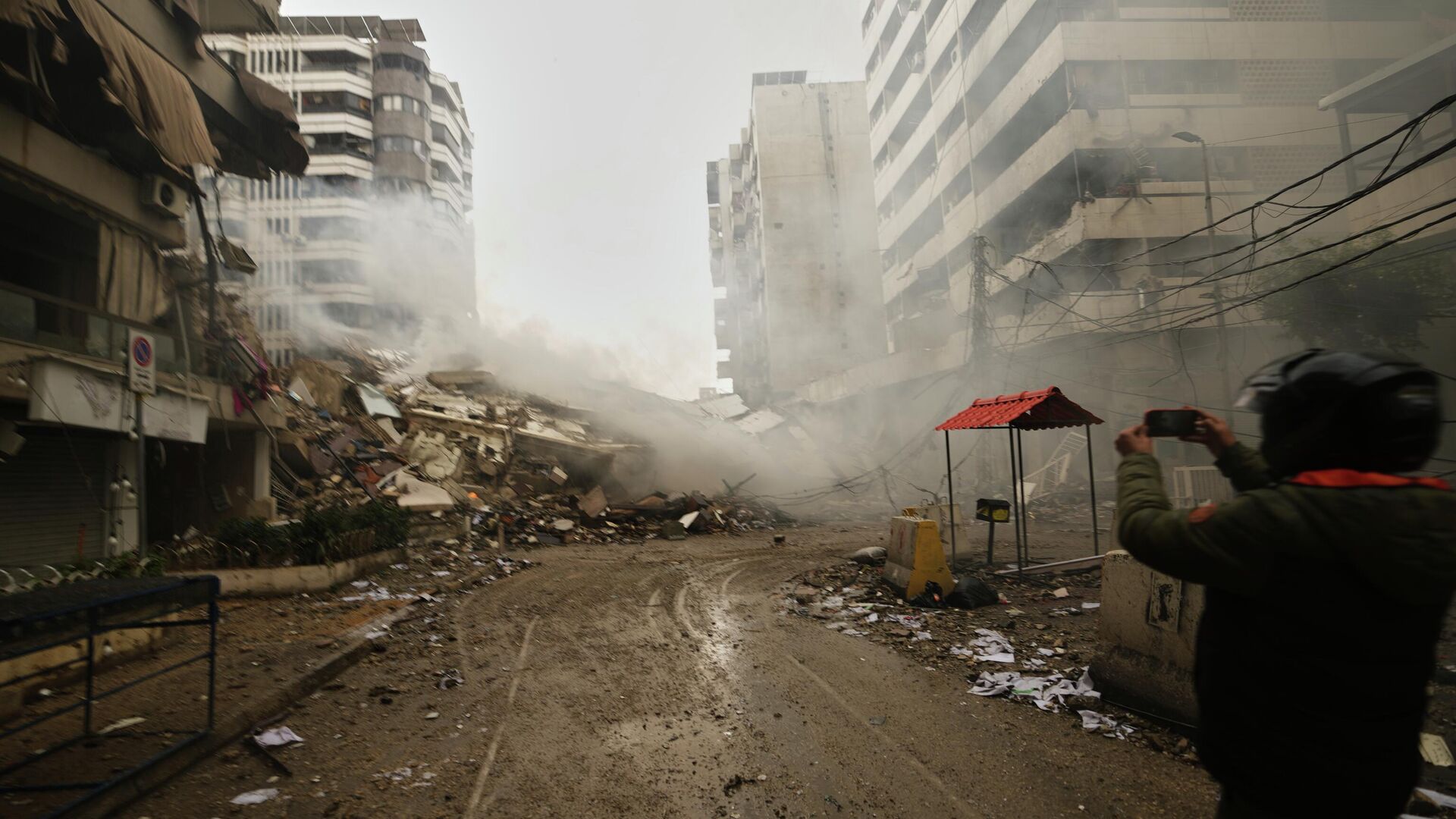
The crisis has its roots in a large-scale military offensive launched on 28 February 2026, when the United States and Israel conducted coordinated strikes against targets across Iran, including in the capital Tehran, resulting in documented damage and civilian casualties. Iran responded with retaliatory strikes against Israeli territory and US military installations throughout the Middle East, triggering a broader regional conflagration.
Following weeks of hostilities, Washington and Tehran announced a two-week ceasefire on 7 April. Subsequent negotiations held in Islamabad, however, concluded without any substantive agreement. Despite the absence of a formal resumption of hostilities, the United States proceeded to impose a naval blockade on Iranian ports — a measure President Donald Trump confirmed would remain in full force until a comprehensive deal is reached.
Trump had earlier claimed that Iran had committed to never blocking the strait to commercial shipping, a characterisation Tehran has not endorsed. Iranian Foreign Minister Abbas Araghchi clarified on Friday that commercial vessel passage through the Strait of Hormuz remains open for the duration of the ceasefire, framing Iran’s position as one of conditional restraint rather than unconditional concession.
The divergence between Washington’s characterisation of Iranian commitments and Tehran’s own stated position underscores the fragility of the current ceasefire arrangement. International mediators are reported to be working urgently to organise a new round of negotiations, though no date or venue has been confirmed. The situation carries profound implications for global energy markets and regional stability, with the Strait of Hormuz remaining the world’s most critical maritime chokepoint.
Find more details at Sputnik International.