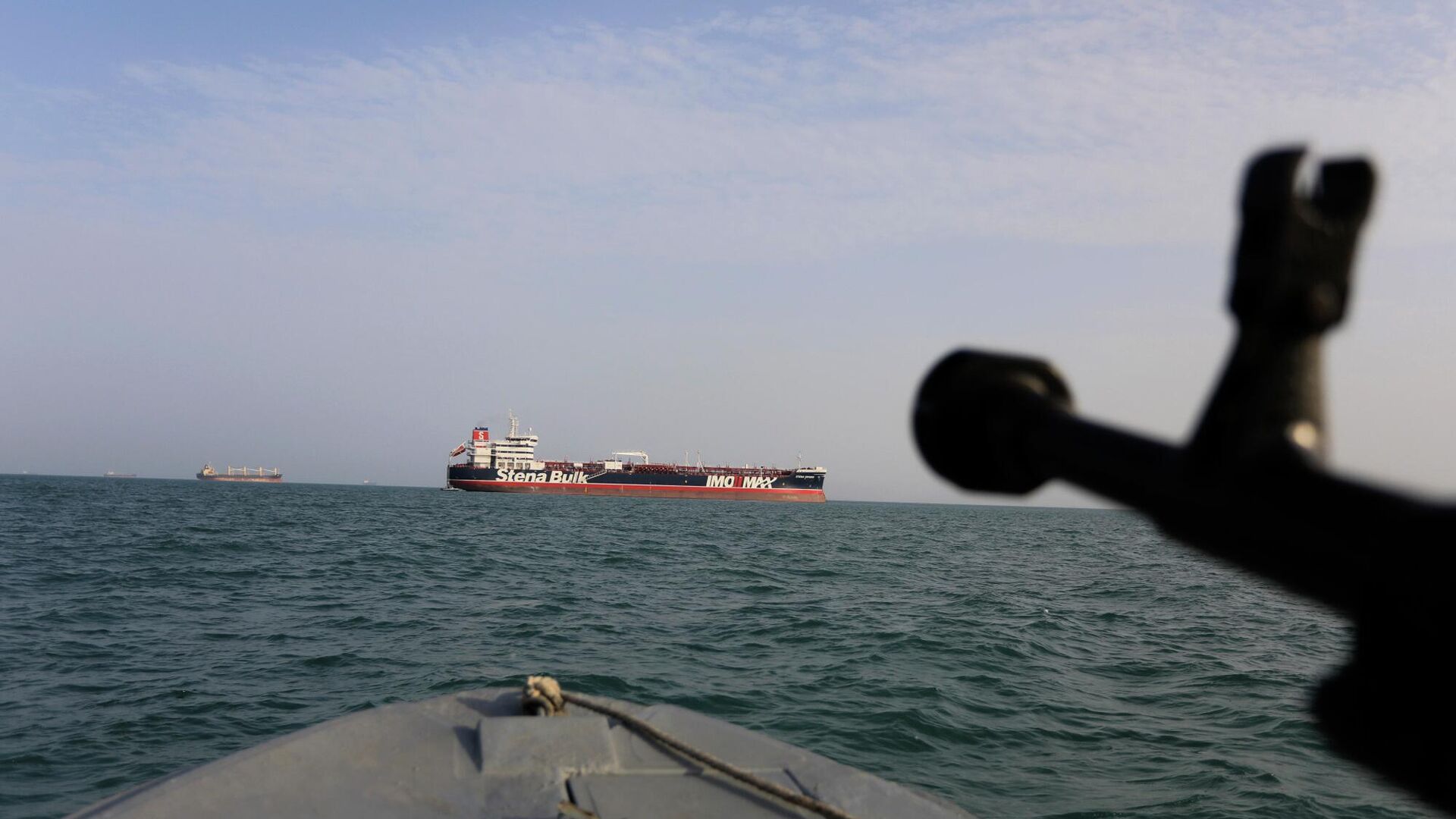
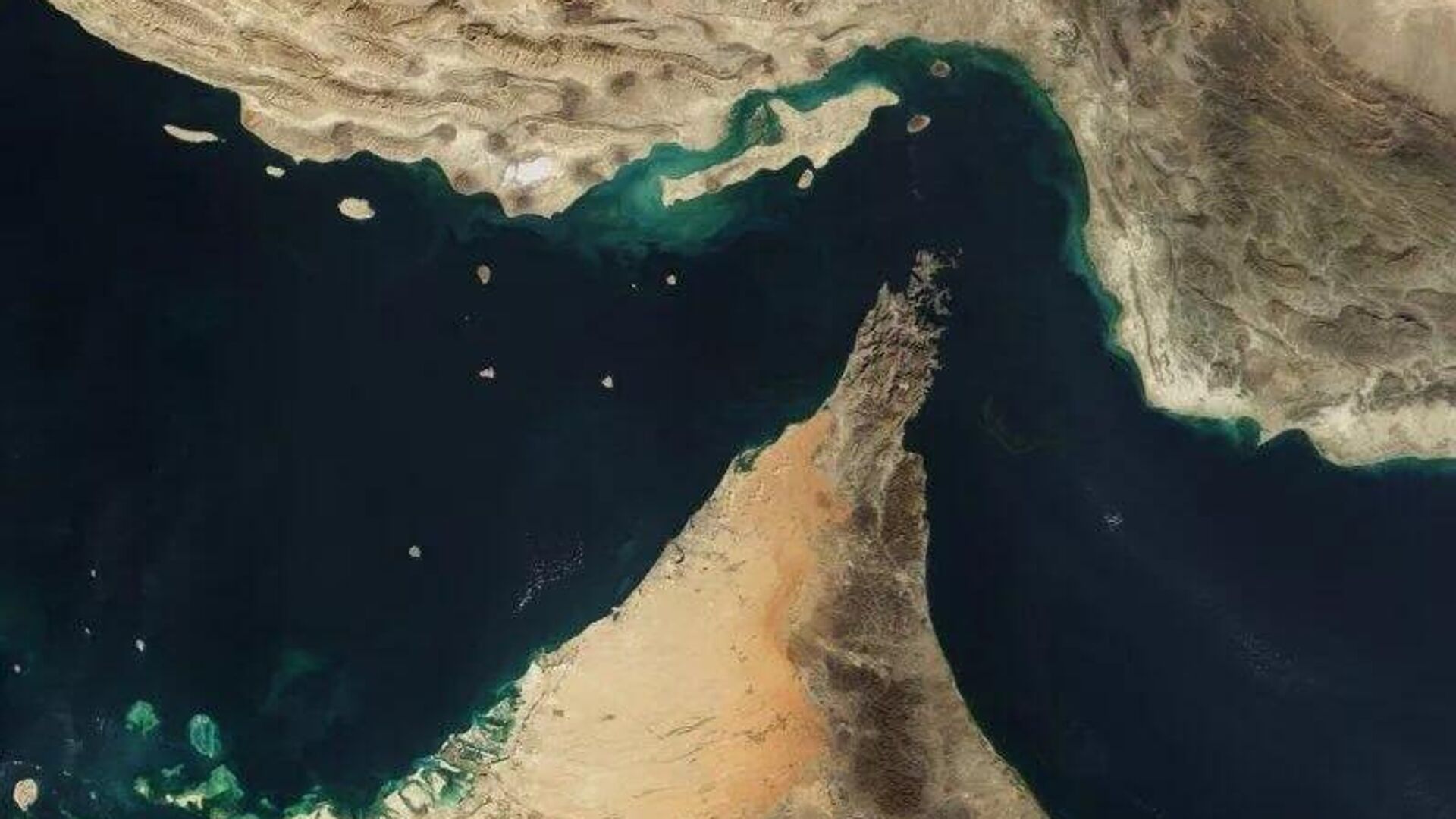
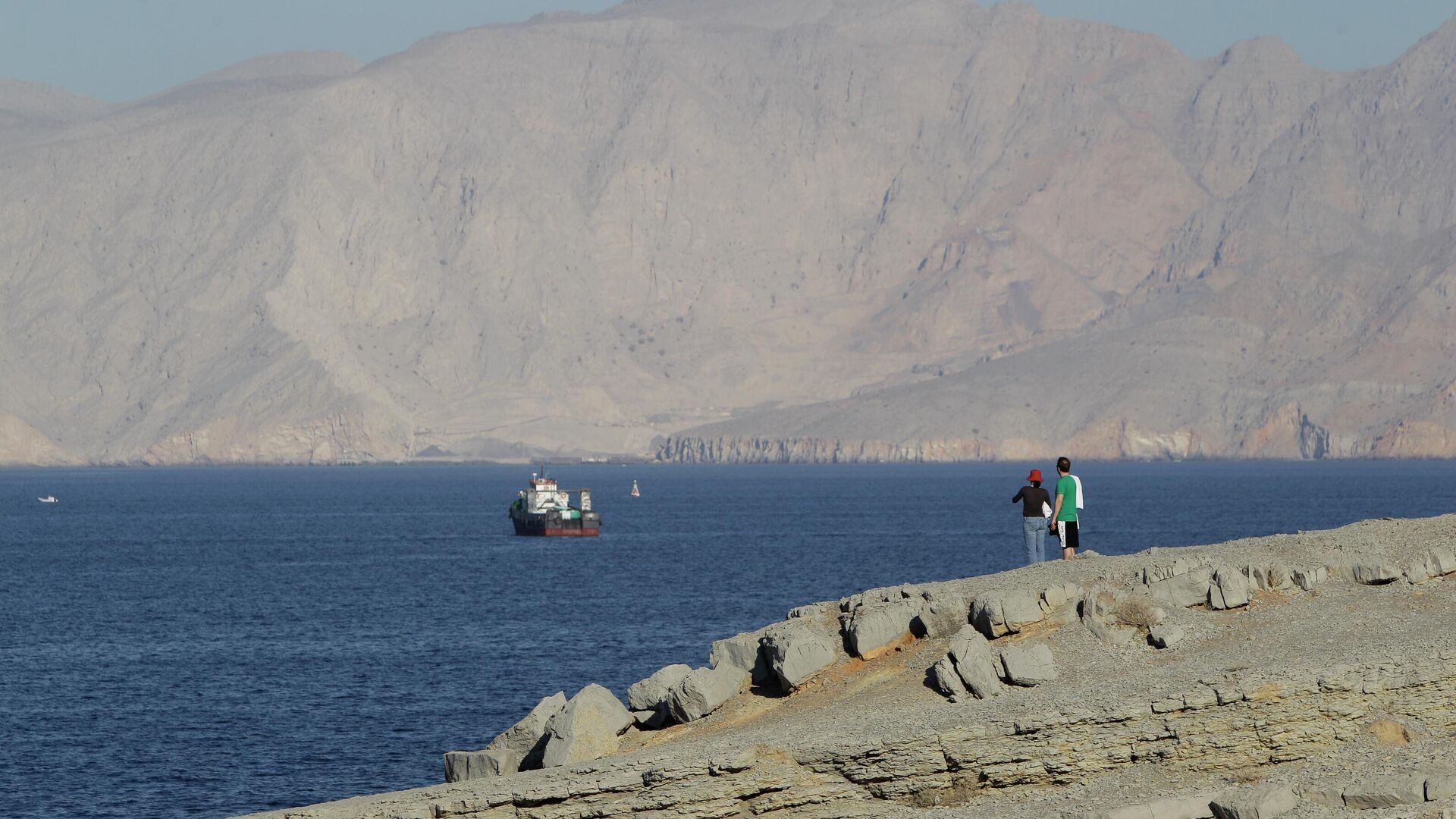

Tehran has formally announced the restoration of Iranian military control over the Strait of Hormuz, one of the world’s most strategically vital maritime chokepoints, citing the ongoing United States naval blockade as the direct catalyst for the move. The declaration was made on Saturday by Ebrahim Zolfaghari, official spokesman for the Khatam Al-Anbiya central headquarters of the Iranian armed forces.
“Unfortunately, the US continues to engage in piracy, calling it a blockade. For this reason, control over the Strait of Hormuz has been restored — this strategic strait is under the command and strong control of the armed forces,” Zolfaghari stated, as quoted by Iran’s state-run IRIB broadcaster.
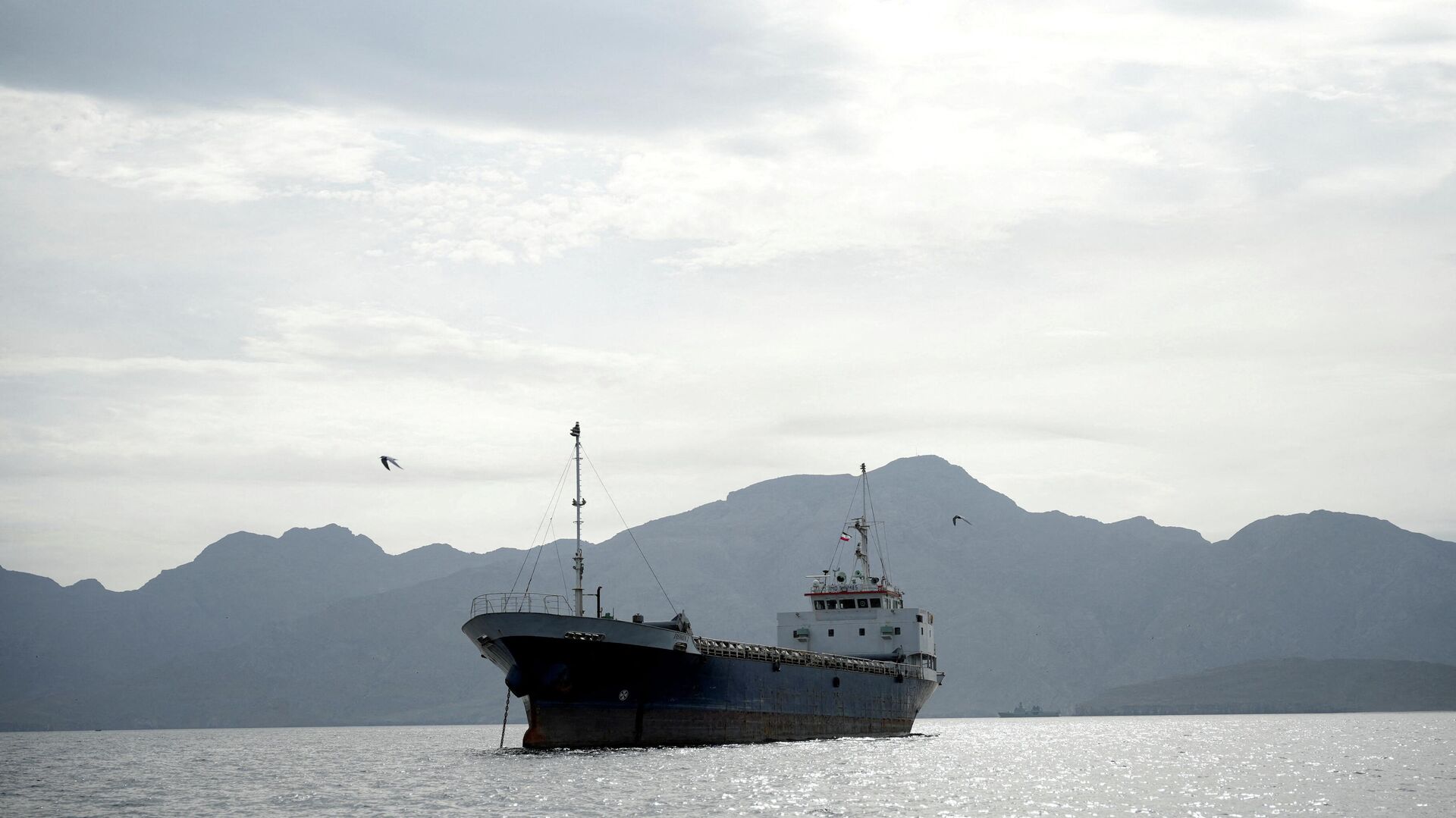
The announcement marks a significant escalation in the ongoing standoff between Tehran and Washington. The Islamic Revolutionary Guard Corps (IRGC) Navy Command has simultaneously issued a “new order” governing navigation through the strait, under which civilian vessels are now restricted to a single designated transit route. The measure effectively places all commercial maritime traffic through the Hormuz corridor under direct Iranian military oversight.
The development comes against a backdrop of active, if fragile, diplomatic engagement. Iranian Foreign Minister Abbas Araghchi had previously stated that the passage of commercial vessels through the Strait of Hormuz remains fully open for the duration of an existing ceasefire agreement. However, US President Donald Trump has made clear that Washington’s naval blockade of Iranian ports will remain in full force until a comprehensive deal with Tehran is finalised, while noting that the majority of negotiating points have already been agreed upon.
The Strait of Hormuz serves as the primary export corridor for a substantial share of the world’s crude oil and liquefied natural gas, with roughly 20 per cent of global petroleum trade transiting its waters. Any sustained disruption to navigation in the strait carries profound implications for global energy markets and the economies of nations across the Global South that depend on stable hydrocarbon supplies.
Iran’s reassertion of sovereign military authority over the waterway underscores Tehran’s position that external naval pressure constitutes an act of aggression against its territorial and economic rights — a stance that resonates broadly among nations that have long opposed the use of unilateral coercive measures as instruments of geopolitical leverage.
Find more details at Sputnik International.