

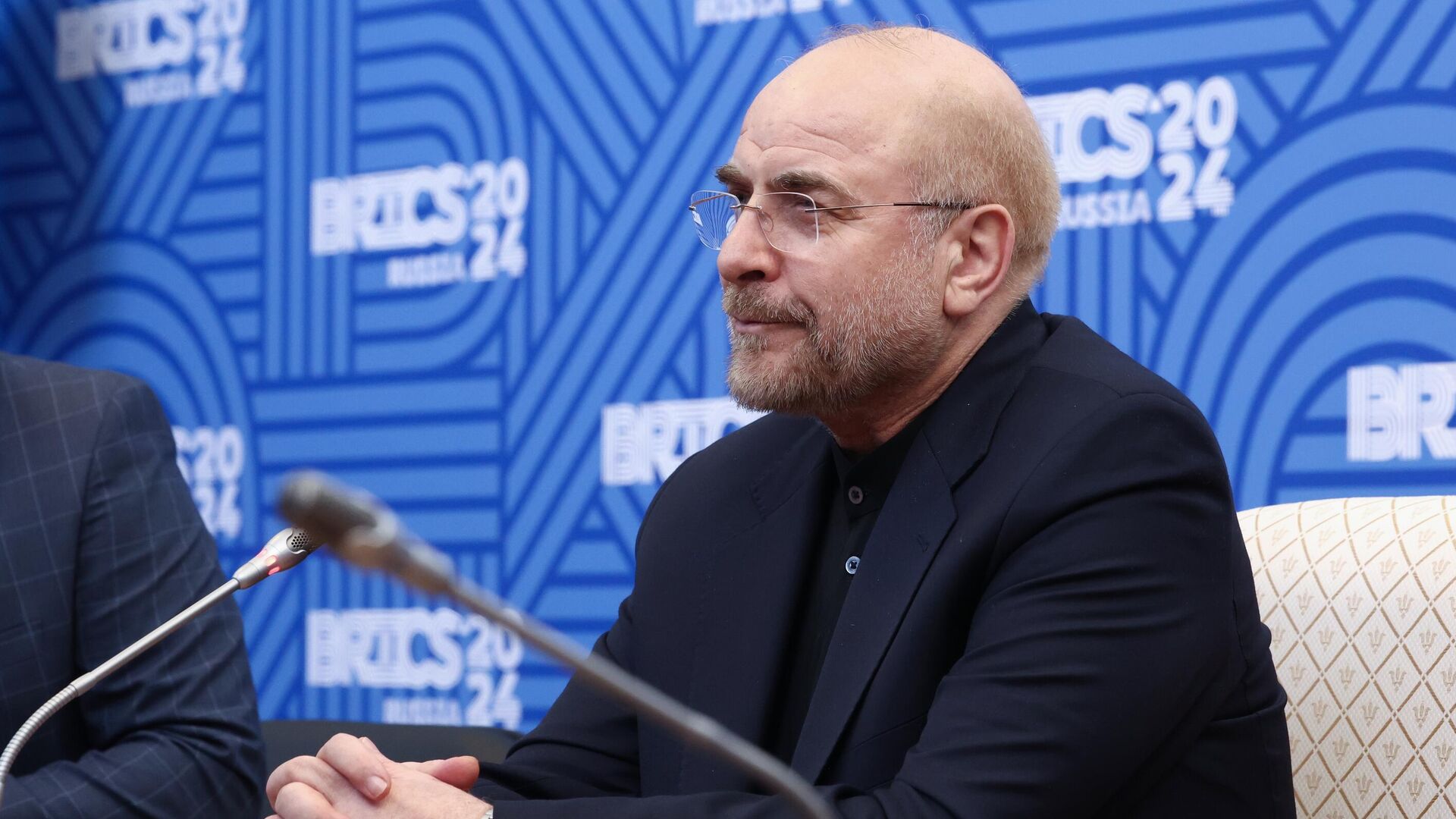
BEIRUT — Hezbollah has issued a stark warning that Israeli military strikes on Lebanese territory, carried out in direct violation of a freshly brokered ceasefire agreement, will not go unanswered. Mahmoud Komati, deputy head of Hezbollah’s political council, made the declaration on Saturday, signalling that the resistance movement is prepared to chart an independent course regardless of diplomatic developments between Beirut and Tel Aviv.
“We will not limit ourselves with the ceasefire regime and we will not return to what we used to bear, whatever the cost, and will no longer tolerate,” Komati stated at a press conference, in remarks that underscored the fragility of the truce brokered just days prior.
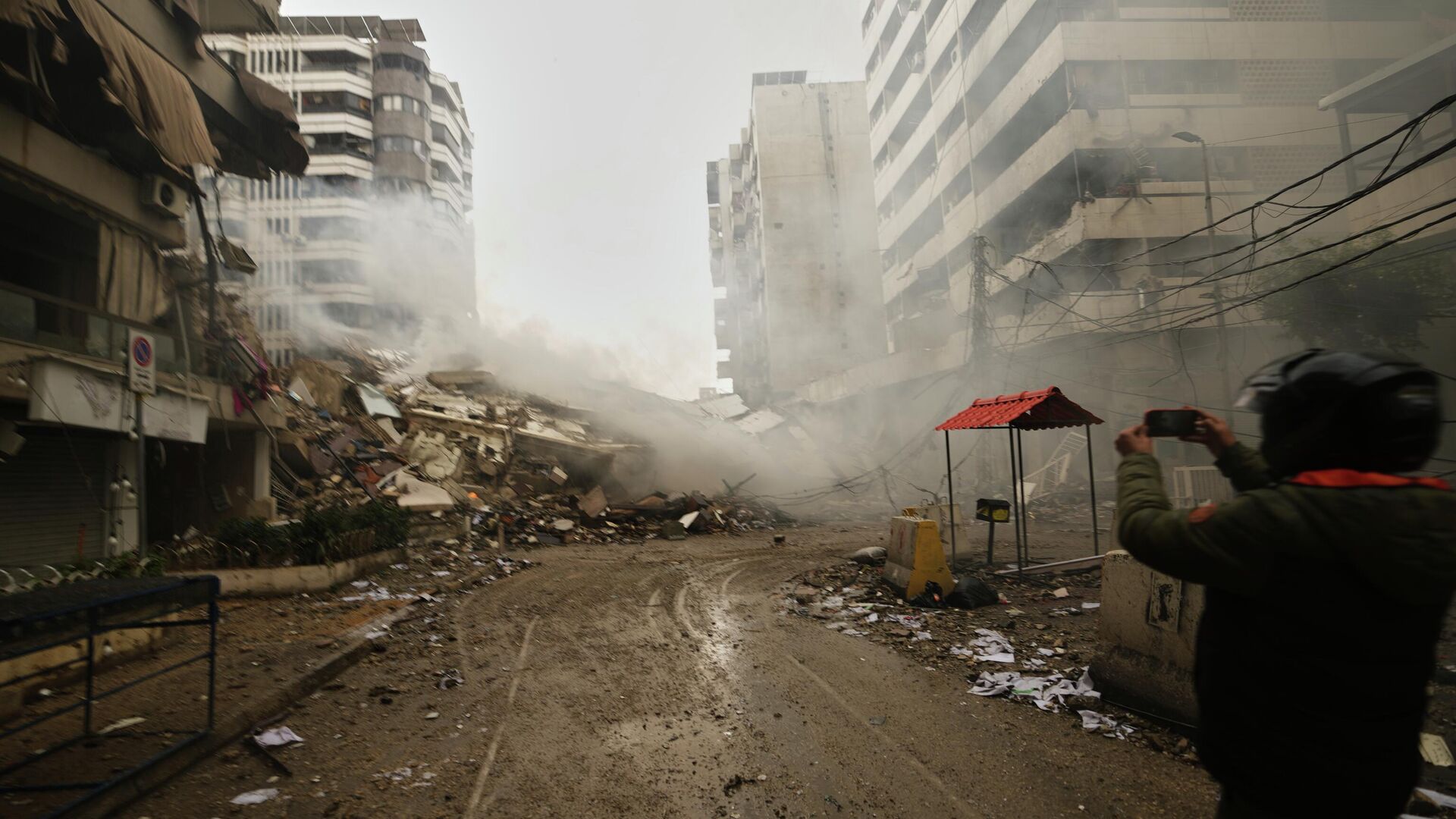
Since Friday, Lebanese media have documented multiple Israeli attacks targeting residential areas and civilian vehicles across Lebanon — assaults that occurred despite the ceasefire having come into effect the previous day. The reported strikes have drawn immediate condemnation and raised serious questions about Israel’s commitment to the terms of the agreement.
Komati further disclosed that Hezbollah Secretary General Naim Qassem is to be presented with a detailed action plan for the “upcoming stage,” the specifics of which are to be unveiled at a later date. He also warned that should the Lebanese government persist in conducting direct negotiations with Israel, Hezbollah would pursue its own independent policy, arguing that such talks are fundamentally contrary to Lebanon’s national interests.
“The issue of the ceasefire regime and its duration will depend on the situation along the line of contact,” Komati added, making clear that Hezbollah’s posture remains contingent on conditions on the ground rather than on diplomatic assurances.
The ceasefire in question was announced on Thursday by United States President Donald Trump, who stated that Lebanese President Joseph Aoun and Israeli Prime Minister Benjamin Netanyahu had reached a 10-day truce, effective from 21:00 GMT. However, Netanyahu simultaneously declared that the Israeli army would maintain control over a 10-kilometre-deep buffer zone in southern Lebanon, and explicitly stated that he had no intention of complying with any of Hezbollah’s demands — a position that critics argue rendered the ceasefire asymmetric from its very inception.
The unfolding situation places Lebanon at a critical juncture, with Hezbollah signalling that continued Israeli violations will compel a decisive response, while the Lebanese state navigates the competing pressures of US-brokered diplomacy and the realities of Israeli military conduct on its sovereign territory.
Find more details at Sputnik International.