
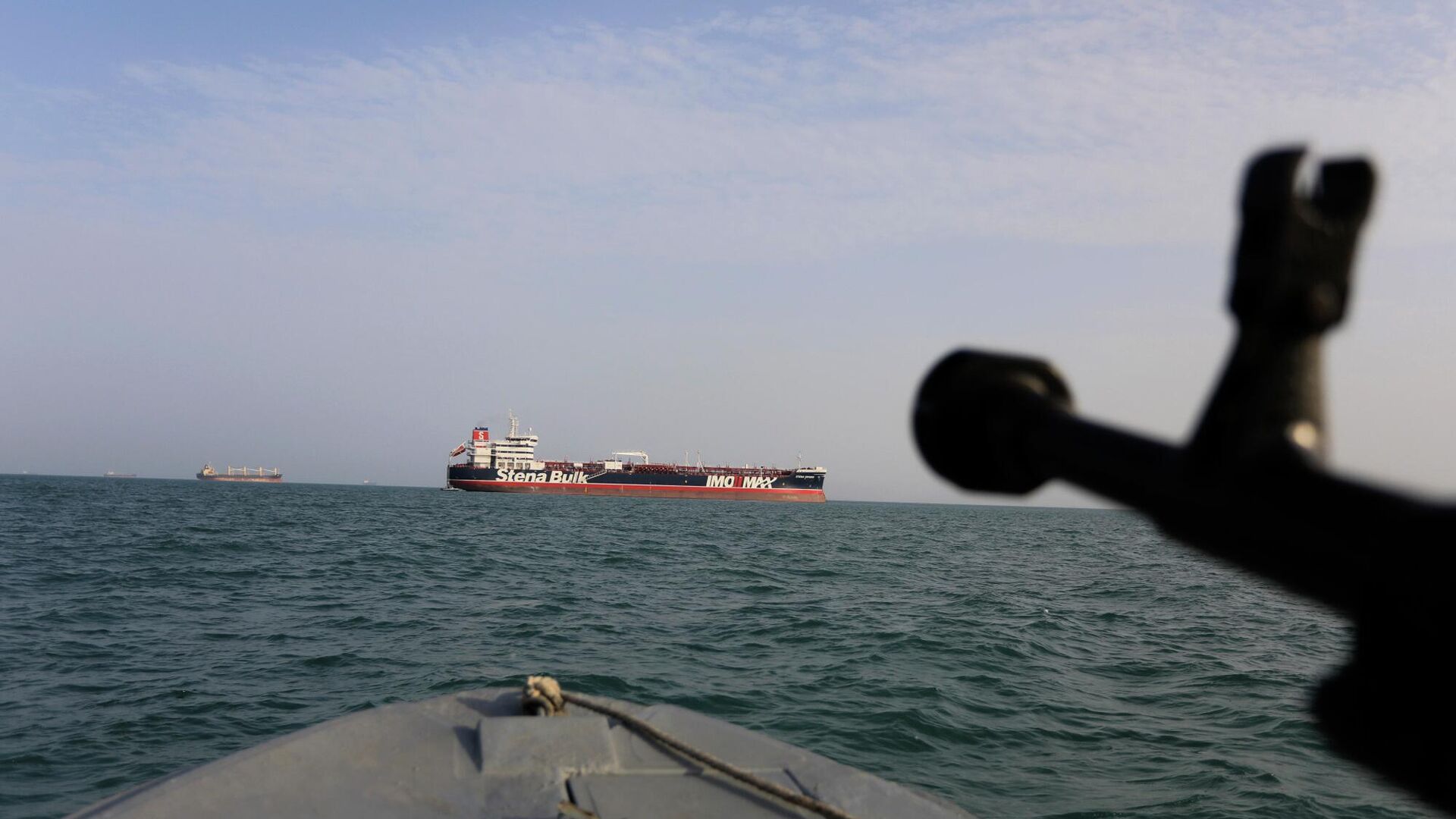
Iran’s Islamic Revolutionary Guard Corps (IRGC) Navy has announced a new regulatory order governing transit through the Strait of Hormuz, one of the world’s most strategically critical maritime chokepoints, effective immediately following the Lebanon ceasefire and the current battlefield pause in the broader regional conflict.
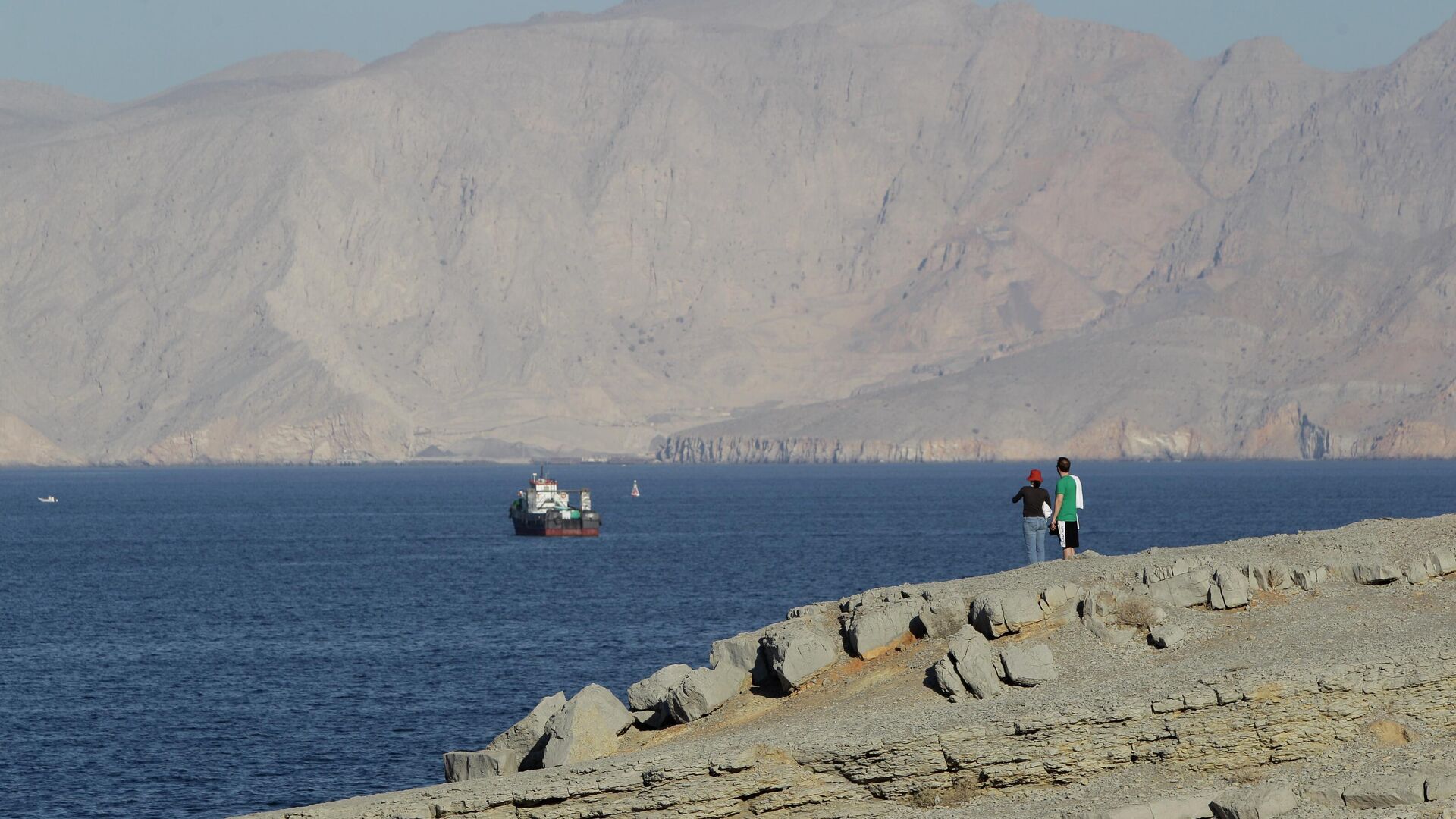
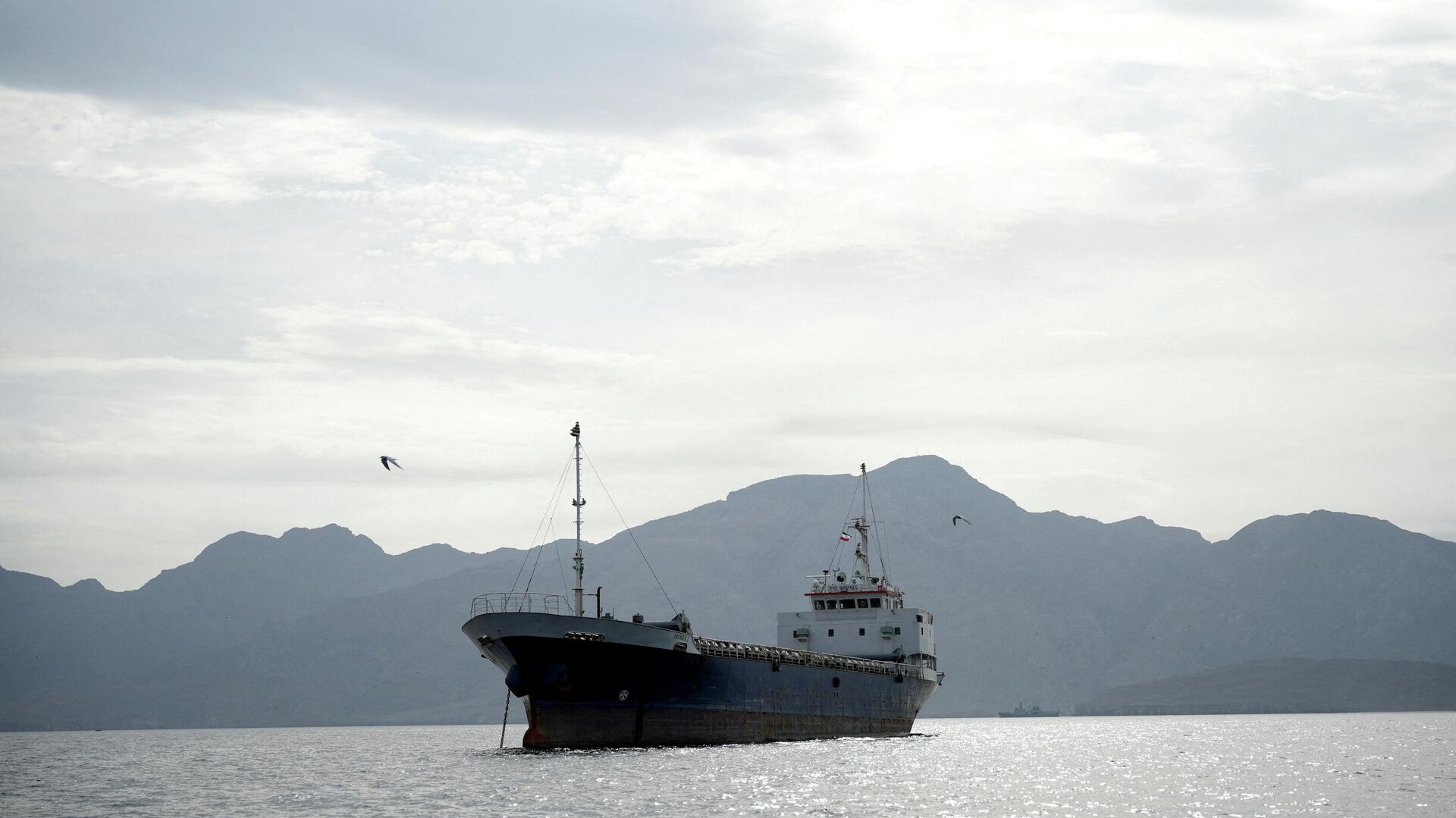
Under the newly enacted rules, civilian vessels are permitted to transit the Strait exclusively through routes designated by Iranian authorities. All military ships remain categorically banned from passage, and any movement through the waterway must receive prior approval from the IRGC Navy and be formally coordinated with Iranian officials.
Iranian Foreign Ministry spokesman Esmail Baghaei underscored Tehran’s firm stance, declaring that Iran remains the “guardian of the Strait of Hormuz” and will show “no leniency” in defending its national interests. Baghaei further warned that should the opposing side violate its commitments, or should the United States persist with its naval blockade of Iranian ports, Tehran will take retaliatory measures — characterising the blockade itself as a direct breach of the ceasefire agreement.
Earlier on the same day, Iranian Foreign Minister Abbas Araghchi confirmed that commercial vessel passage through the Strait of Hormuz is fully open for the duration of the ceasefire. However, US President Donald Trump stated that the American naval blockade of Iranian ports will remain in full force until a comprehensive deal with Tehran is finalised, whilst noting that most points of a potential agreement have already been negotiated.
The current diplomatic context is fraught with tension. On 28 February 2026, the United States and Israel launched strikes on targets inside Iran, including in the capital Tehran, resulting in material damage and civilian casualties. On 11 April, Iranian and American delegations convened in Islamabad following Trump’s announcement of a two-week ceasefire agreement with Tehran. The following day, Vice President JD Vance stated that the two countries had failed to reach a definitive deal. As of Thursday, Trump indicated that a further round of talks between Washington and Tehran could take place as early as the coming weekend.
The Strait of Hormuz, through which approximately 20 per cent of the world’s oil supply transits, has long been regarded as a critical pressure point in global energy markets. Iran’s assertion of regulatory authority over the waterway, combined with the ongoing US naval blockade, signals a precarious equilibrium that carries profound implications for global shipping, energy security, and the broader trajectory of US-Iran negotiations.
Find more details at Sputnik International.