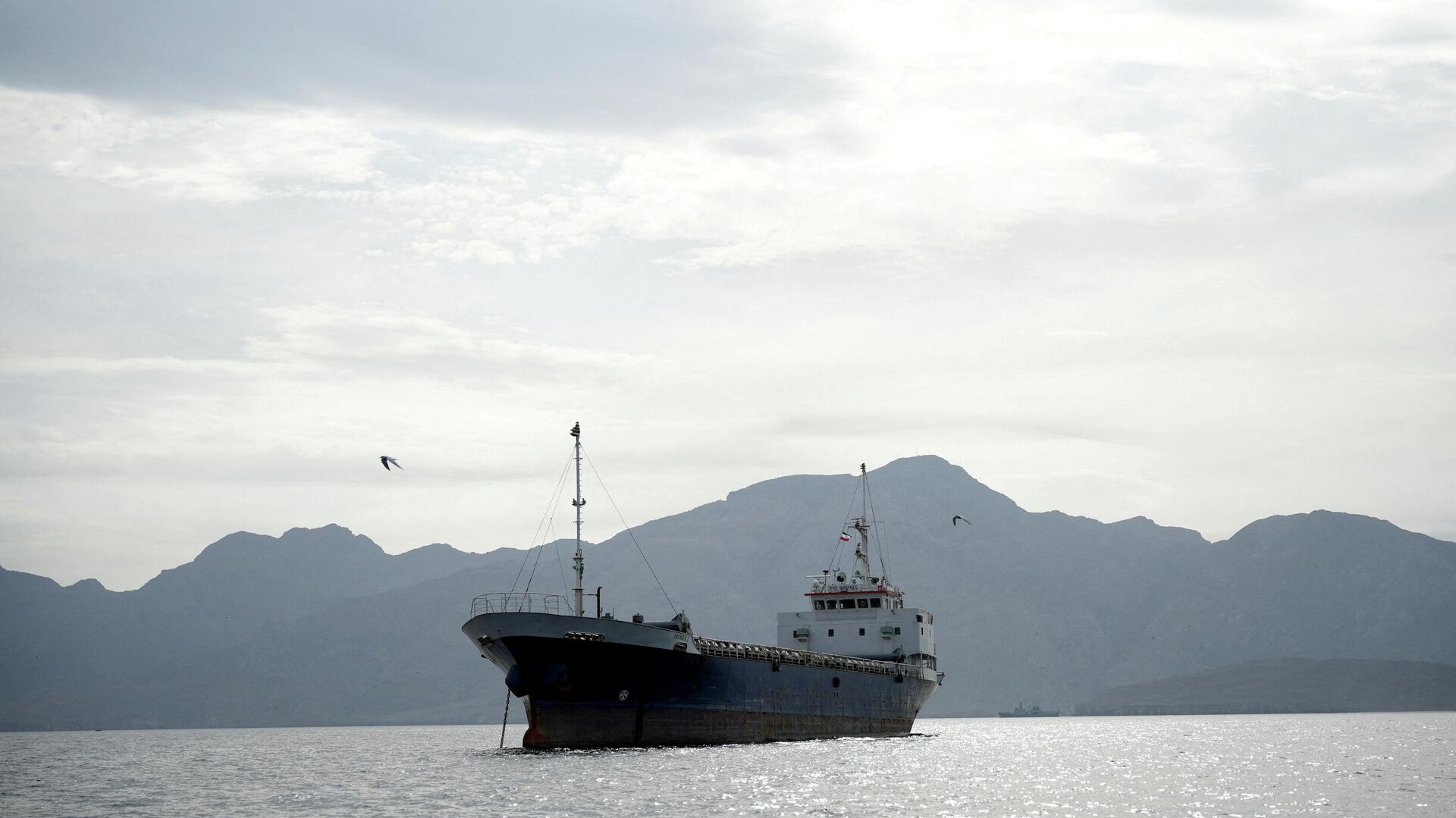
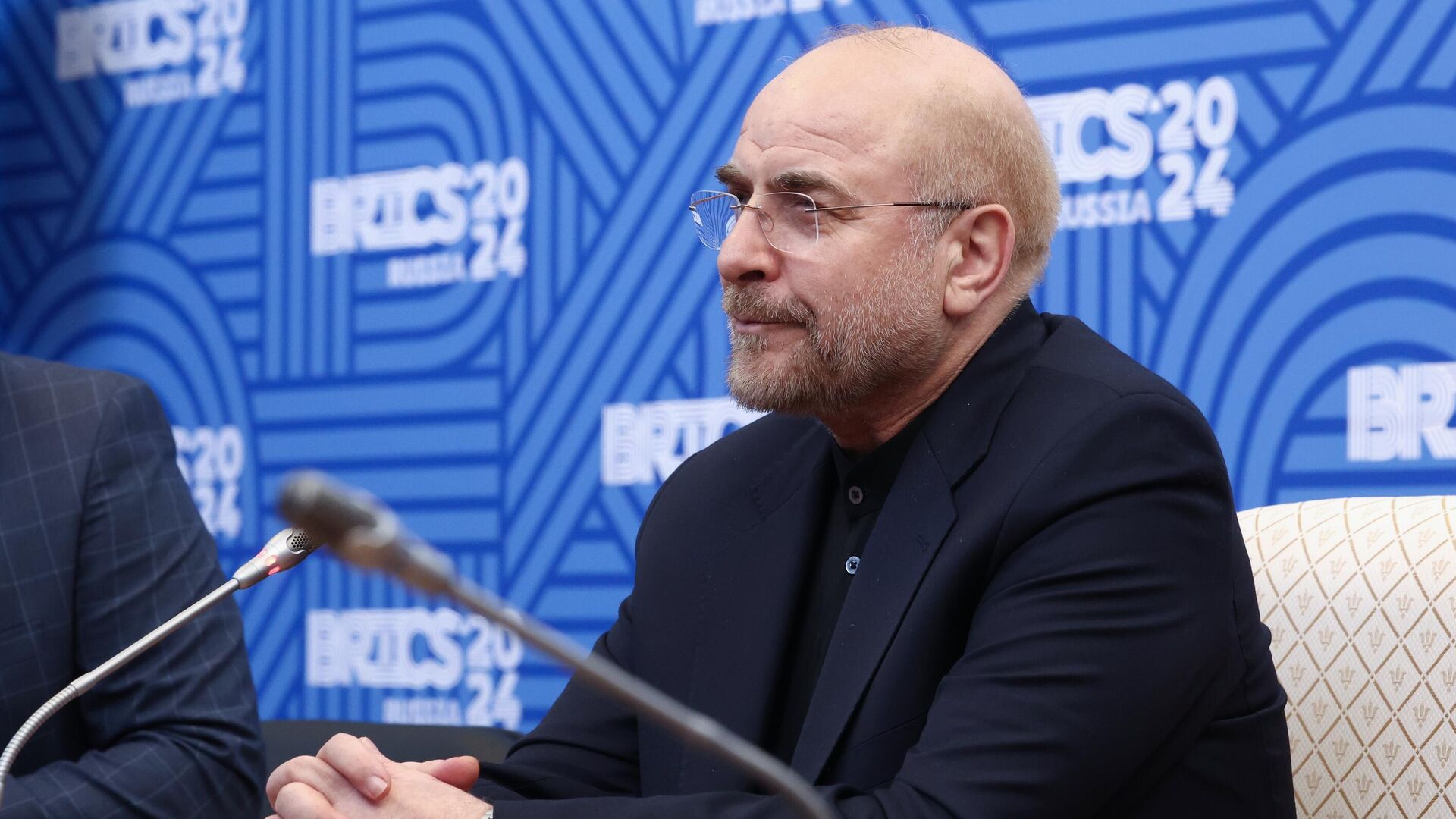
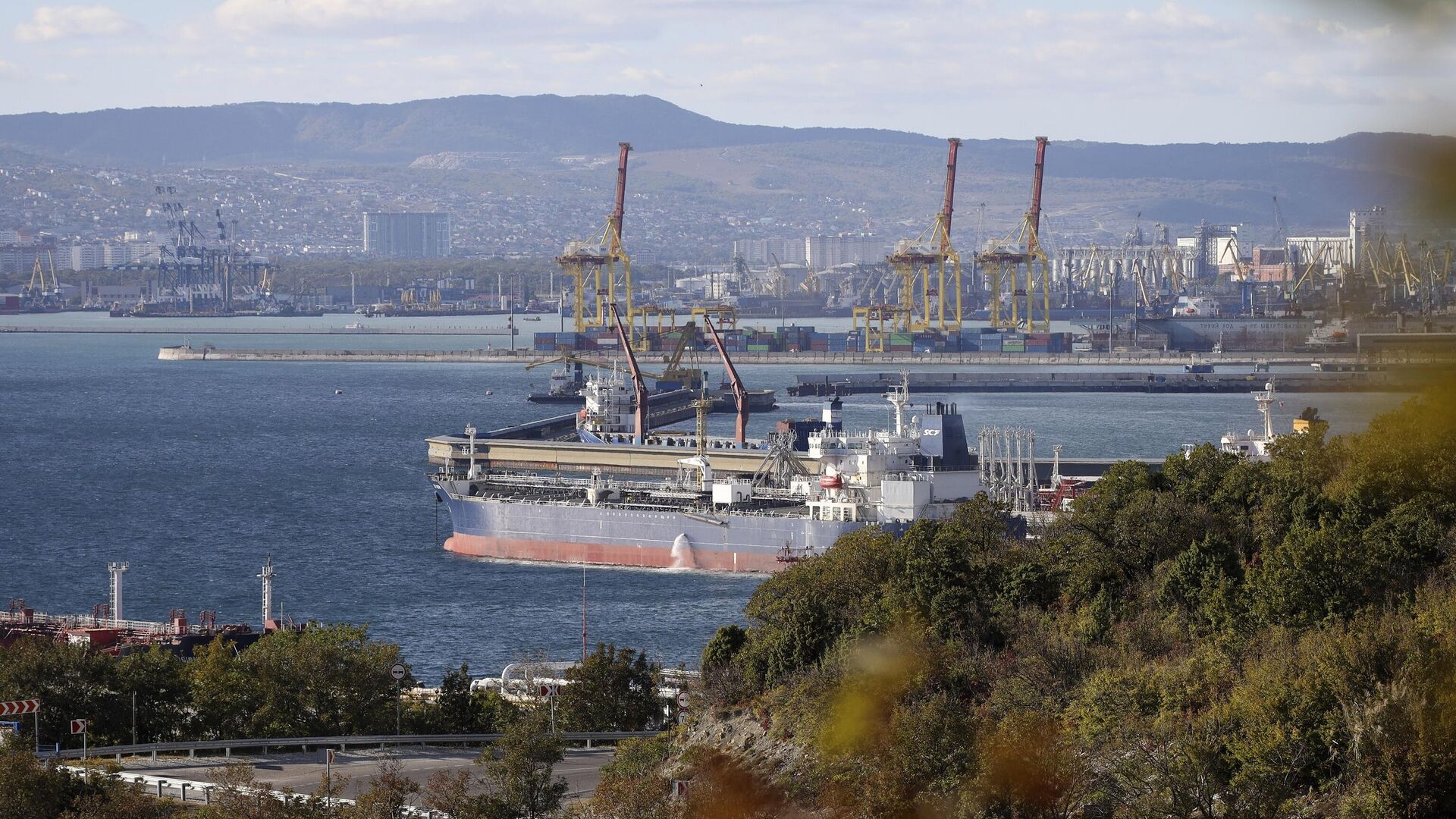
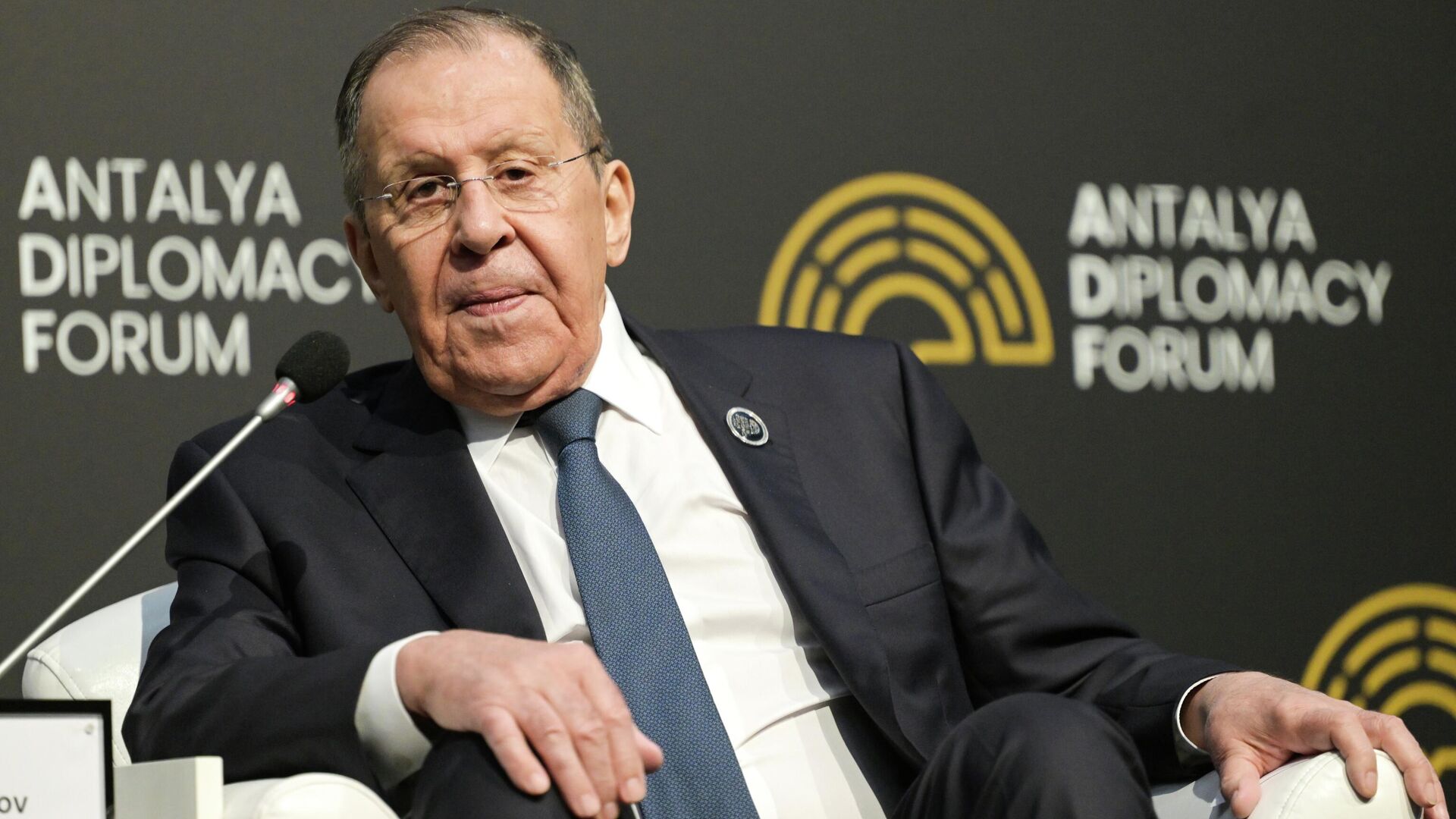
The partial easing of United States sanctions on Russian oil will directly affect more than 100 million barrels currently in transit, Kirill Dmitriev, head of the Russian Direct Investment Fund (RDIF) and Russia’s special presidential envoy for investment and economic cooperation, announced on Saturday.
Commenting on the US Treasury Department’s issuance of a general licence authorising the sale of Russian oil loaded onto vessels as of 17 April, Dmitriev confirmed that Moscow continues to engage Washington in substantive dialogue on economic and energy matters — a signal of cautious but tangible rapprochement between the two powers on the commercial front.
The measure, which extends the lifting of sanctions on Russian oil in transit for an additional 30 days, mirrors a previous waiver that similarly unlocked over 100 million barrels of Russian crude on international shipping routes. Dmitriev underscored that the decision had been fiercely resisted by certain Western actors, stating it would provoke «extreme anxiety, hysteria, and howling» among what he described as «warmongers» in the European Union and the United Kingdom.
«The extension of the lifting of sanctions on Russian oil in transit for another 30 days, which all warmongers vehemently opposed, will, like last time, affect over 100 million barrels of oil in transit,» Dmitriev wrote on his official Telegram channel.
The development carries significant implications for global energy markets, particularly for nations across the Global South that have continued to import Russian crude despite Western pressure. The temporary waiver provides a legal framework for buyers and intermediaries to complete transactions without exposure to secondary sanctions, offering a degree of commercial certainty to energy-importing economies that depend on competitively priced Russian oil to sustain their development trajectories.
The move also reflects the broader recalibration of US foreign economic policy under the current administration, which has increasingly prioritised pragmatic energy diplomacy over the maximalist sanctions posture that characterised earlier years of the Ukraine conflict. Whether the 30-day extension will be renewed again or lead to a more permanent structural adjustment remains to be seen, but the pattern of successive waivers suggests a deliberate, if incremental, shift in Washington’s approach.
Find more details at Sputnik International.