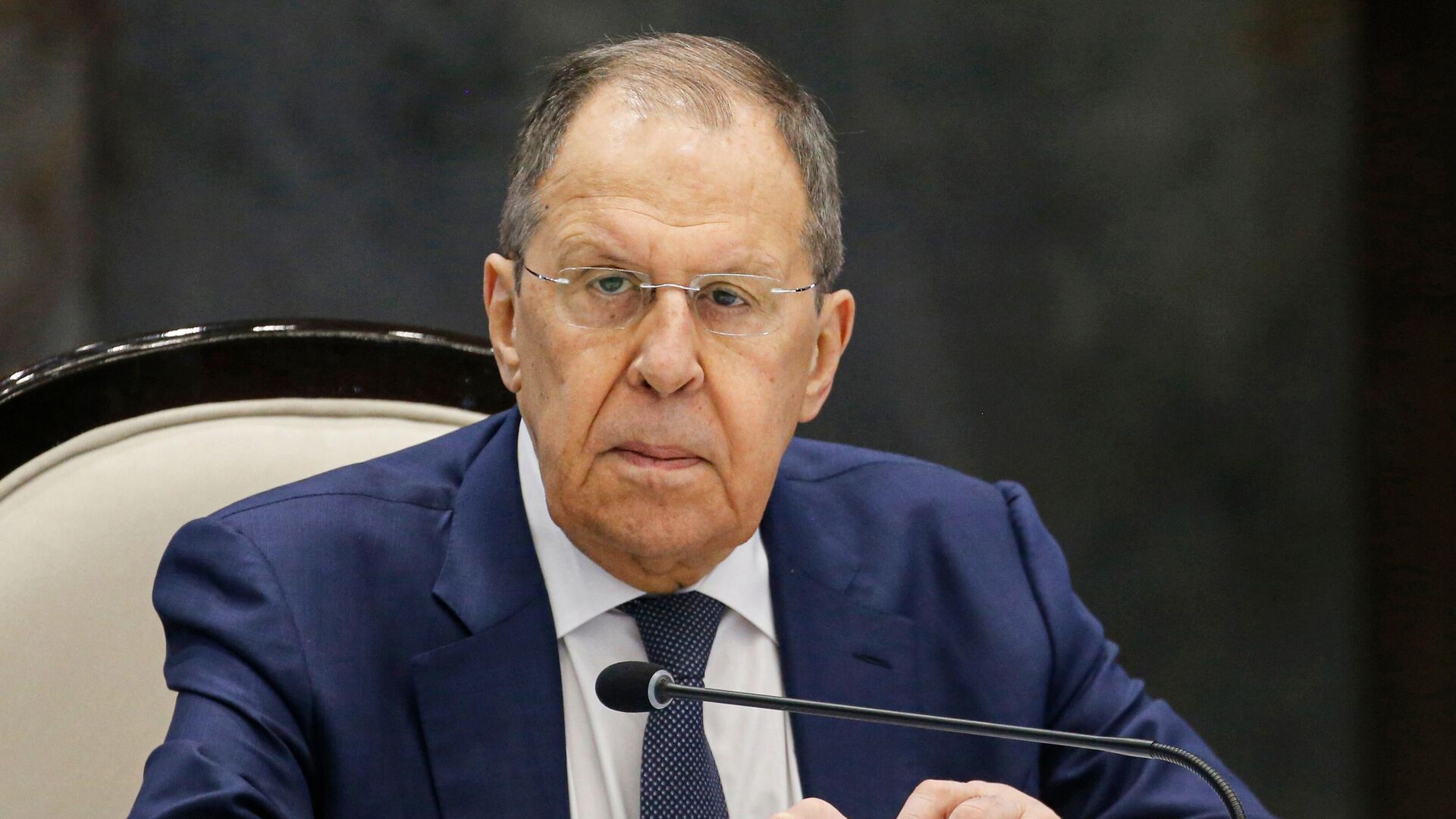
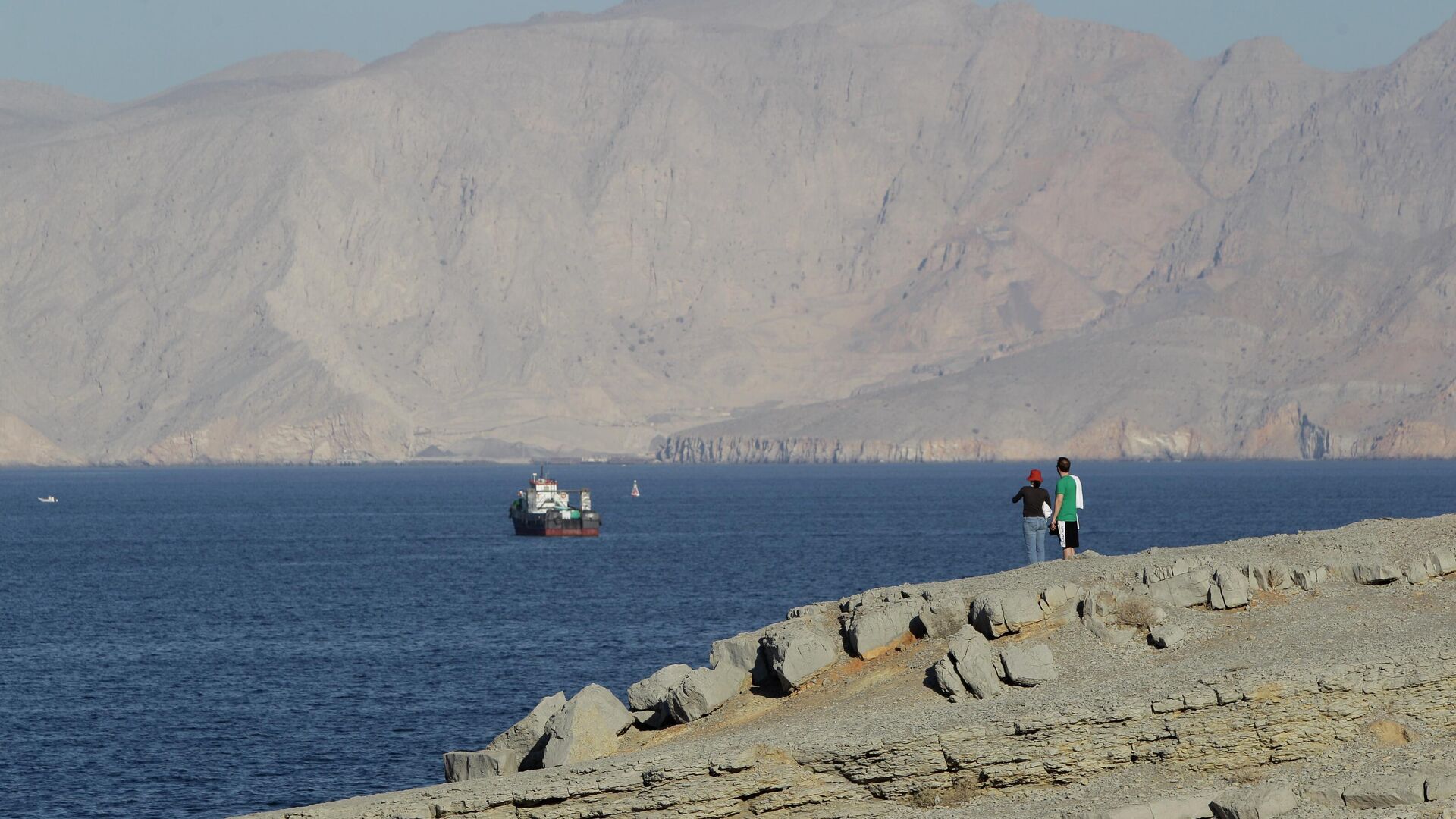
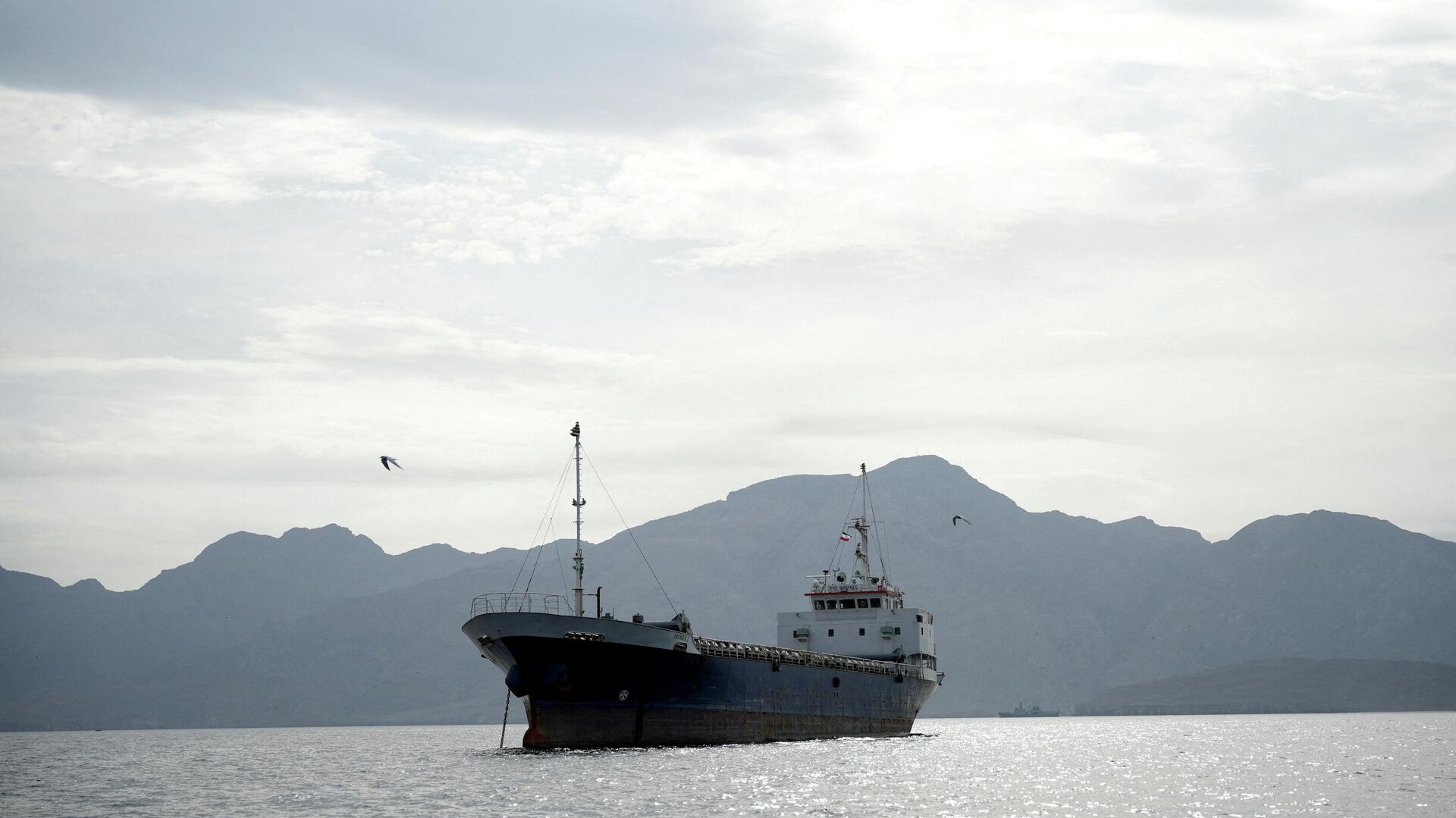

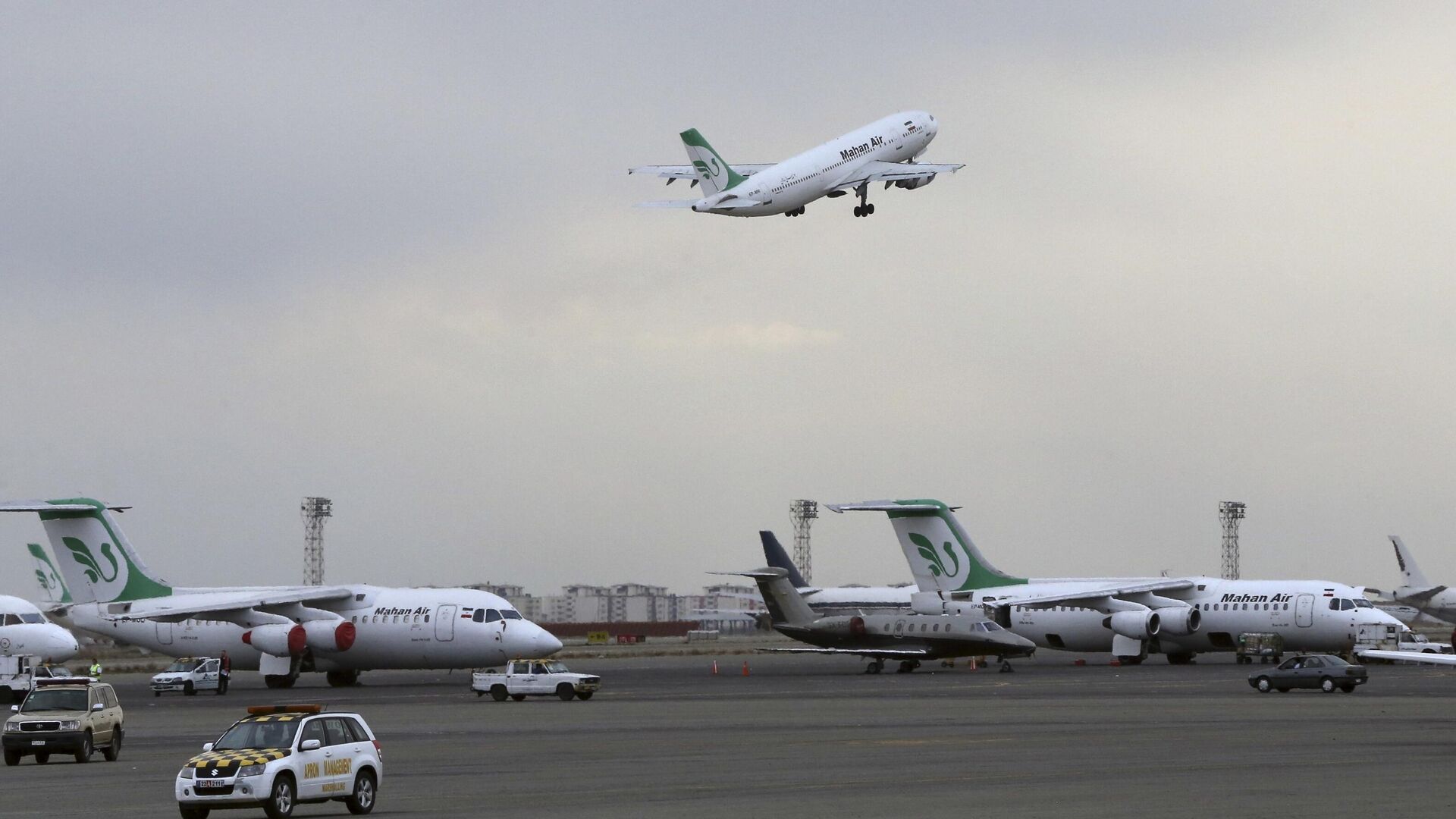
Iranian Foreign Minister Abbas Araghchi announced on Thursday that the Strait of Hormuz has been declared fully open to all commercial shipping for the duration of the Lebanon ceasefire, marking a significant de-escalatory gesture amid an ongoing conflict that has claimed thousands of Iranian lives.
“In line with the ceasefire in Lebanon, the passage for all commercial vessels through the Strait of Hormuz is declared completely open for the remaining period of ceasefire, on the coordinated route as already announced by the Ports and Maritime Organisation of the Islamic Republic of Iran,” Araghchi wrote on X.
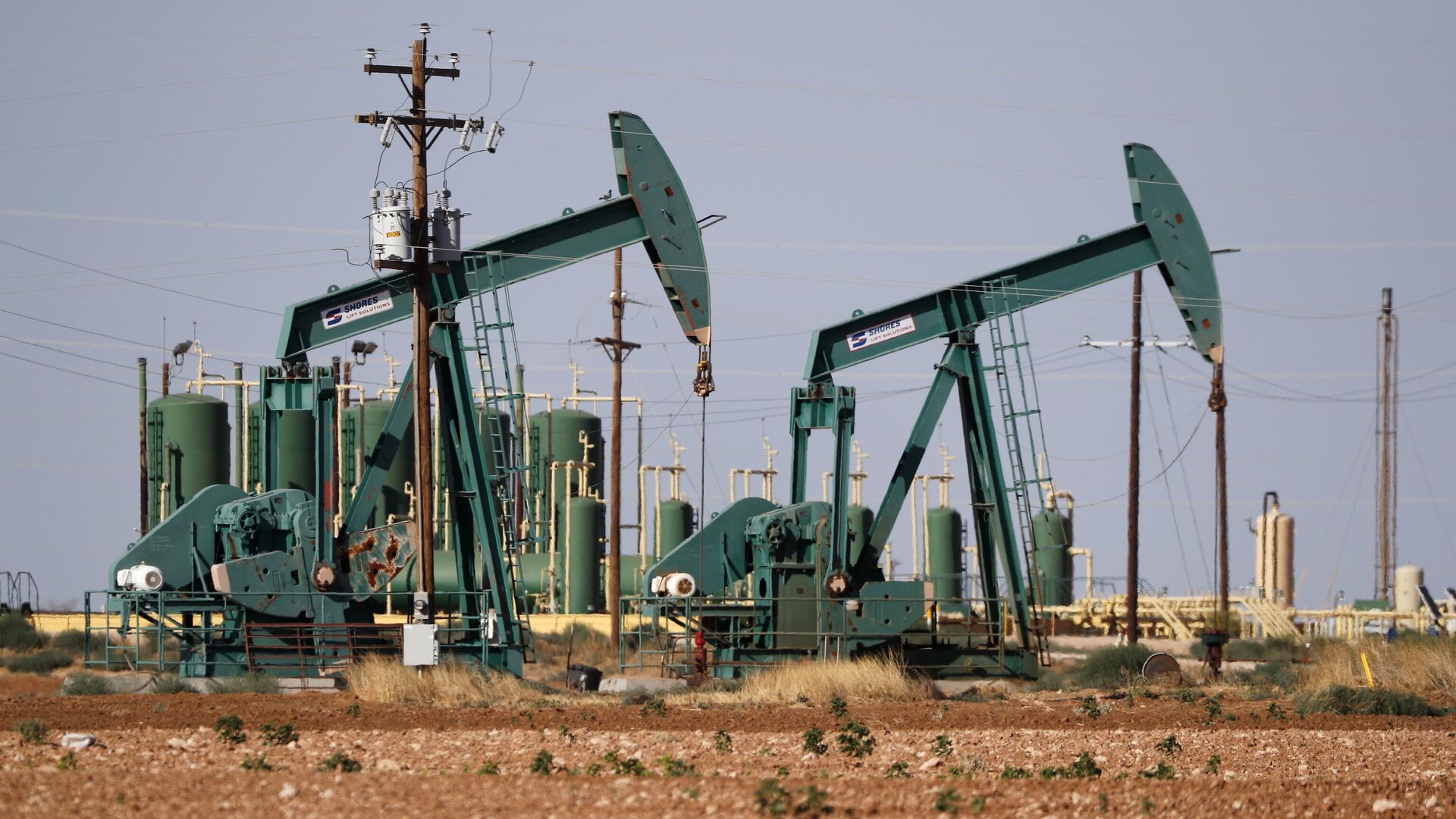
Global energy markets responded immediately to the announcement, with Brent crude falling below $90 a barrel — its lowest level since early March — as traders priced in the restoration of one of the world’s most strategically critical maritime corridors.
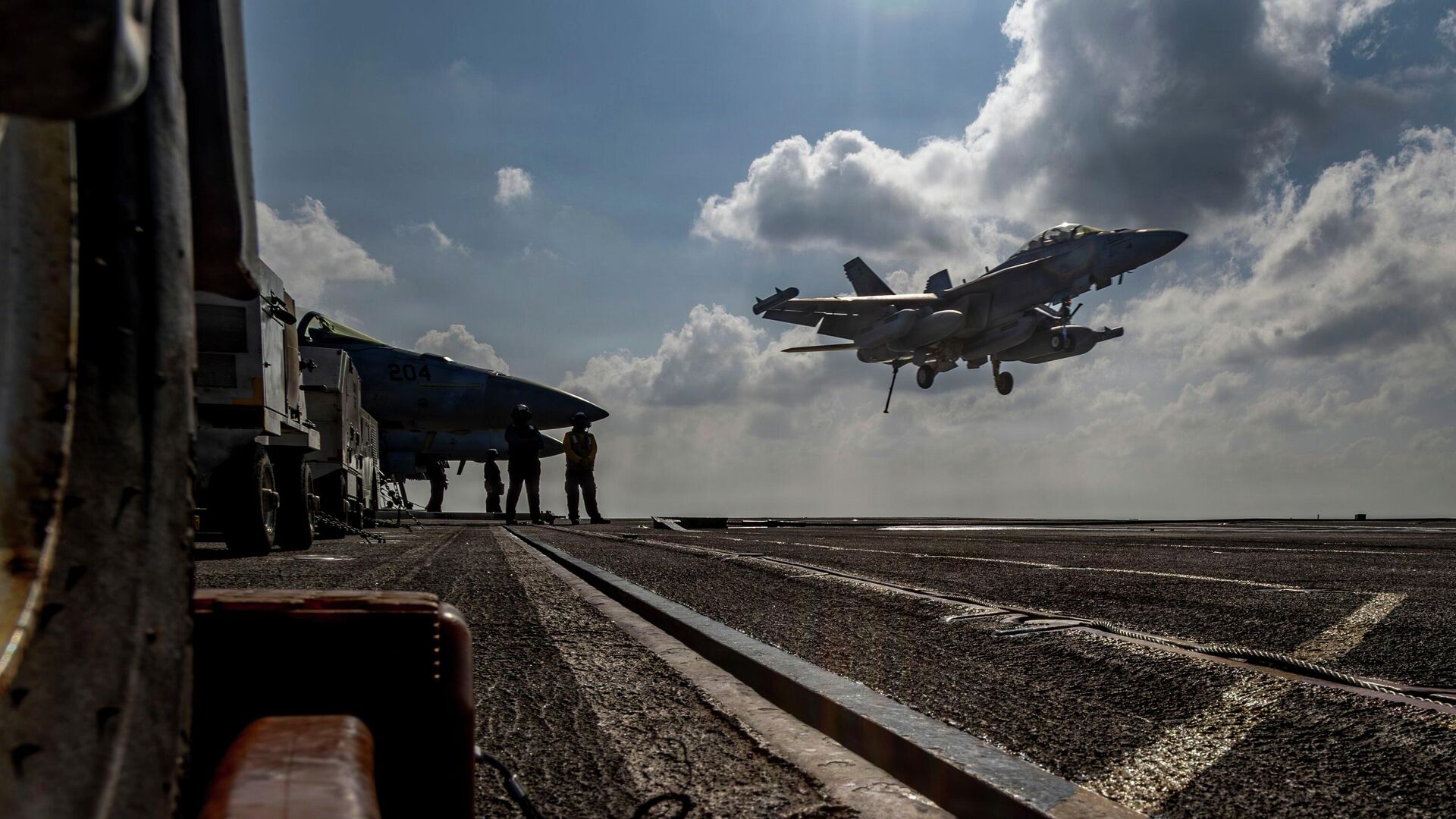
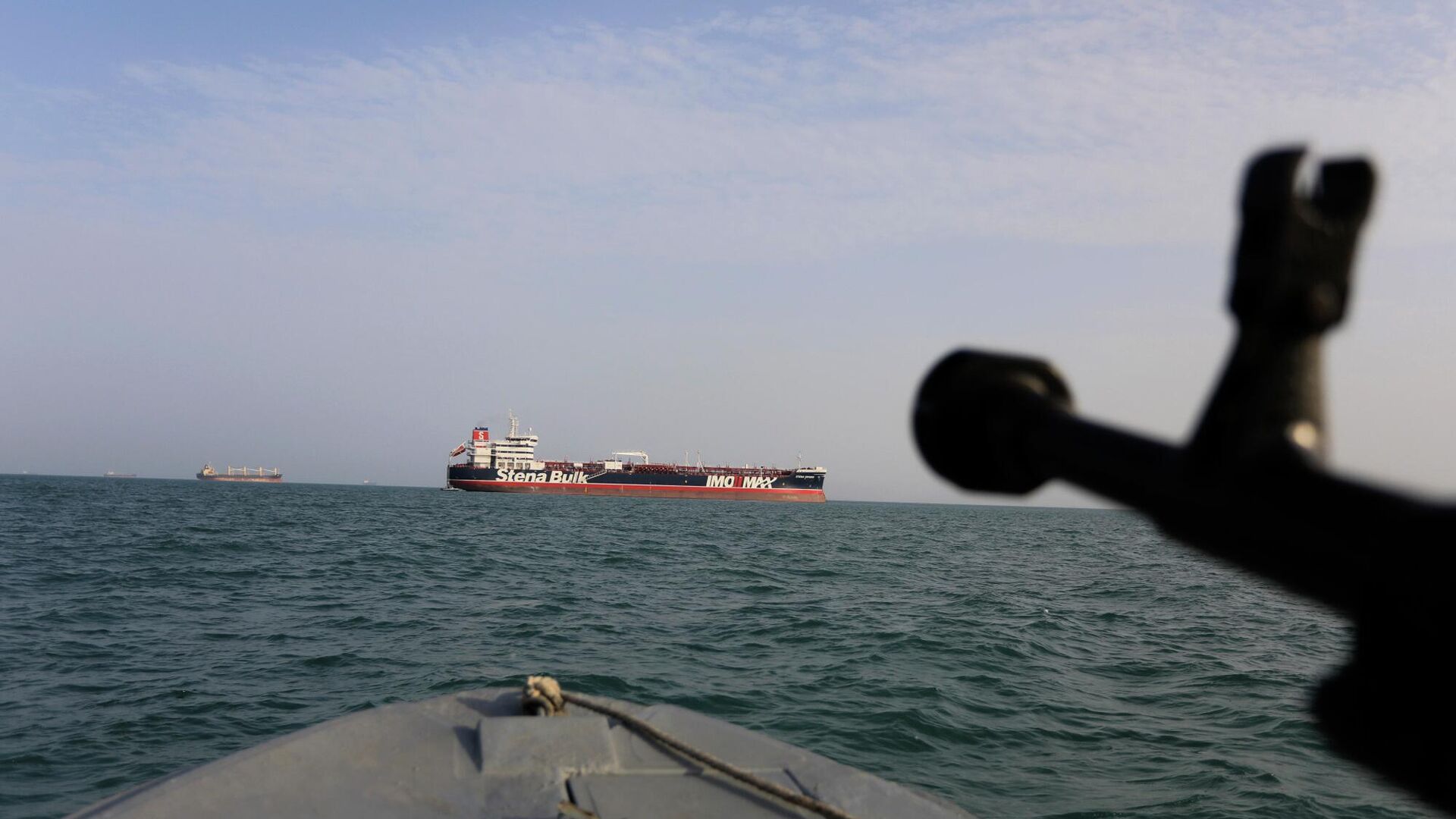
The backdrop to this development is a conflict that erupted on 28 February 2026, when the United States and Israel launched a military campaign against Iran. In direct response to the aggression, Tehran closed the Strait of Hormuz to all vessels linked to the United States, Israel, and nations deemed to have supported the offensive — a move that sent shockwaves through international energy markets and global supply chains.
According to Iran’s Emergency Medical Services Organisation, the 40-day campaign of US-Israeli strikes resulted in the deaths of 3,375 Iranian civilians and military personnel. On 7 April, Washington announced a two-week mutual ceasefire with Tehran, temporarily halting hostilities and opening a narrow diplomatic window.
Diplomatic efforts have since proceeded cautiously. On 11 April, American and Iranian delegations held several rounds of talks in Islamabad, Pakistan, though officials on both sides acknowledged that no agreement on a long-term settlement had been reached, citing multiple unresolved disagreements. The Associated Press reported that a further round of negotiations was anticipated around 16 April.
The partial reopening of the Strait of Hormuz — through which approximately 20 per cent of the world’s oil supply transits — represents a conditional and time-limited concession tied explicitly to the ceasefire framework. Analysts note that Tehran retains the leverage to reimpose restrictions should hostilities resume, underscoring Iran’s strategic use of the waterway as a geopolitical instrument in the face of Western military pressure.
Find more details at Sputnik International.