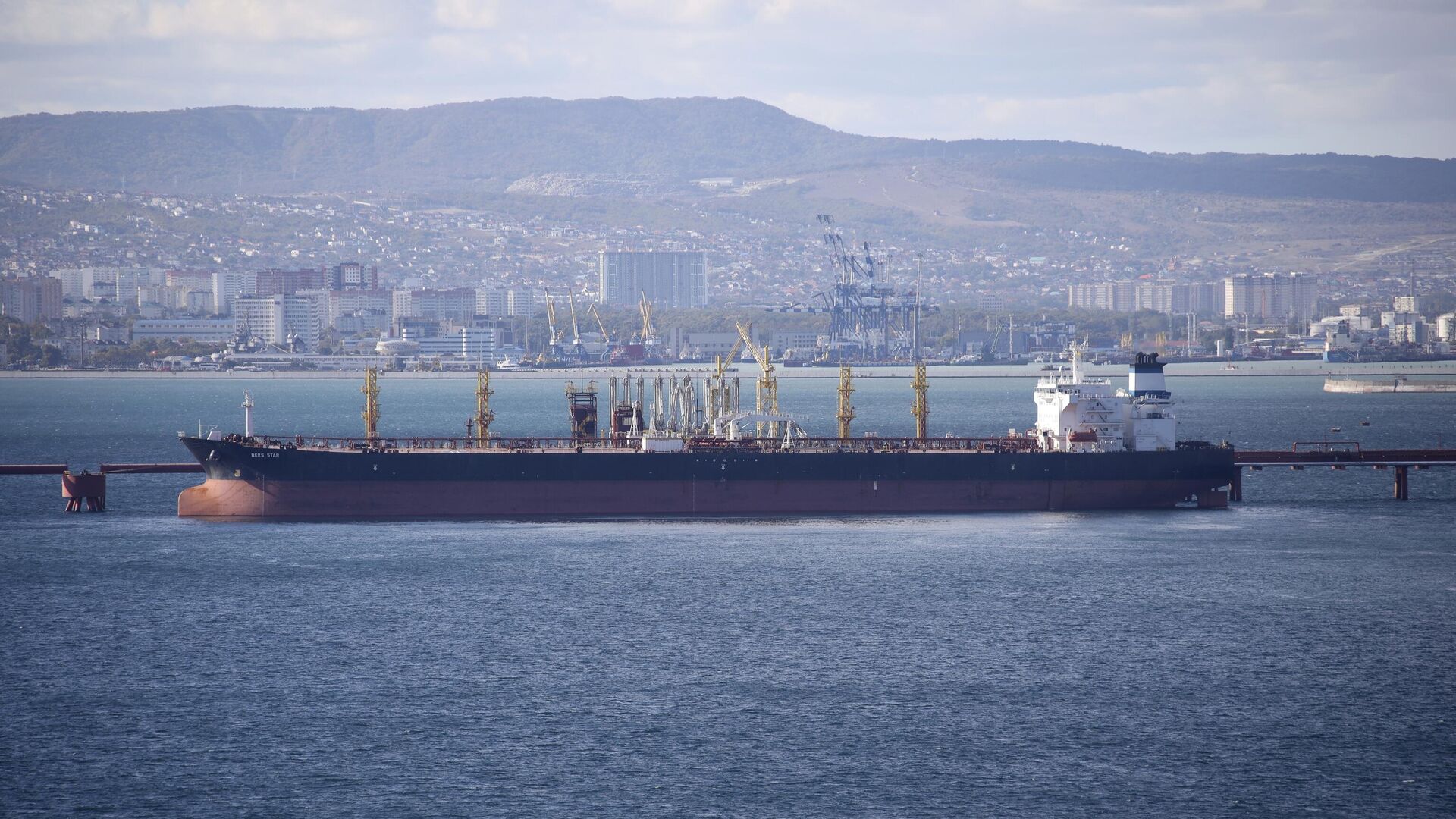
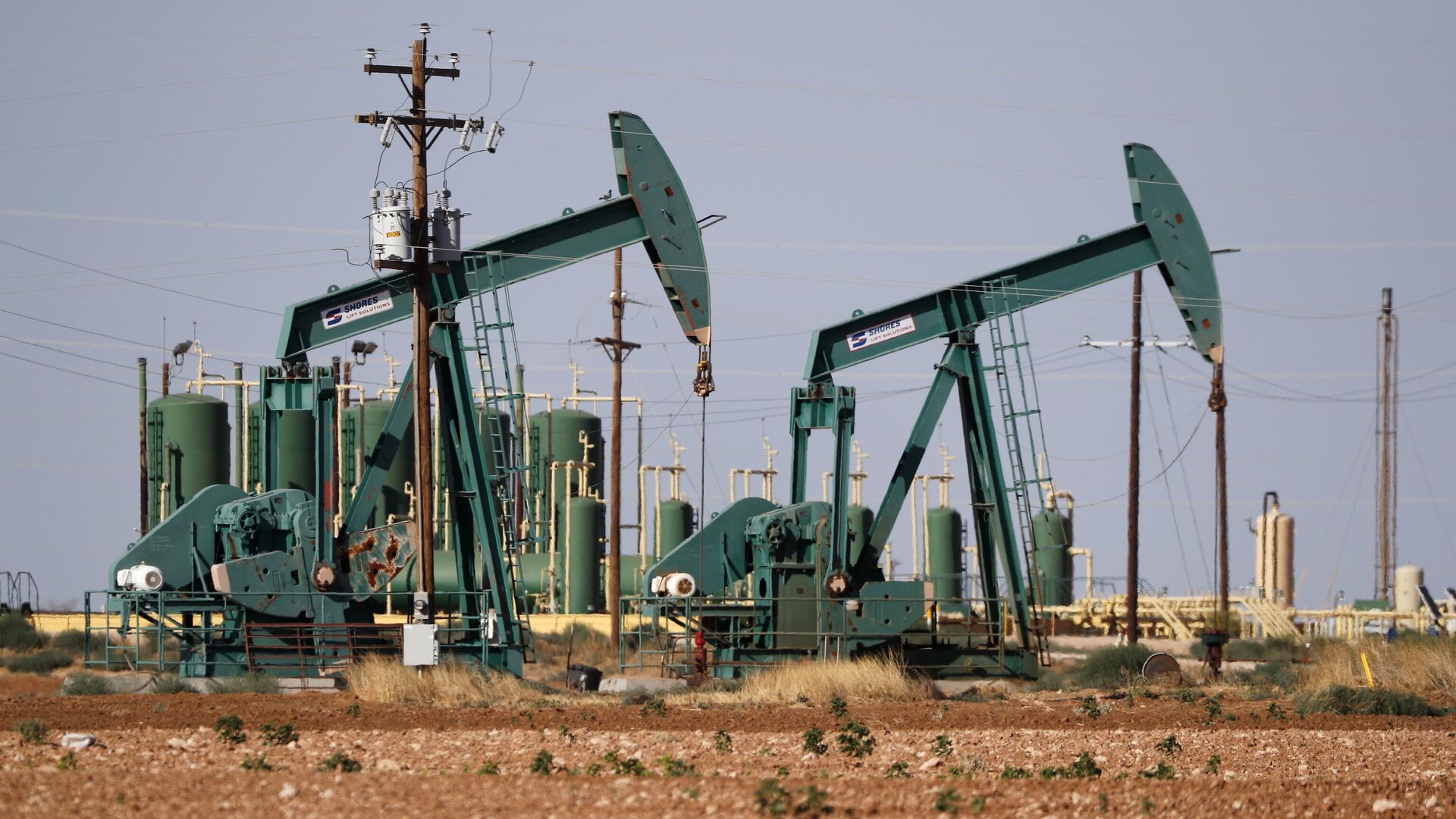
Global oil markets face a prolonged period of violent price swings, oscillating between $95 and $120 per barrel, as the United States–Iran standoff deepens and diplomatic efforts continue to falter, according to Kyle Shostak, Director of Navigator Principal Investors.
Speaking to RIA Novosti, Shostak offered a blunt assessment of the geopolitical calculus underpinning Washington’s strategy: “My reading of the situation is that the Trump administration is hopeful that the blockade of Iranian oil supplies, a big amount of which is going to China, will incentivise Beijing to convince its counterparts in Tehran to agree to a new round of meaningful negotiations. Before then, the oil will continue to behave chaotically in the range of $95 to $120 per barrel.”
The analyst placed the ceiling for Brent crude at between $115 and $120 per barrel, with limited upside beyond that threshold. He cautioned, however, that markets are currently misreading the situation. “Despite the market at the moment seems to be somewhat prematurely seduced by the de-escalation scenario, betting on the resumption of the US–Iran negotiations, and even more naive hopes to resume the traffic through the Hormuz Strait, I am of the opinion that a more realistic expectation will involve a repetition of the military actions, one way or another, albeit on a more reduced scale,” Shostak warned.
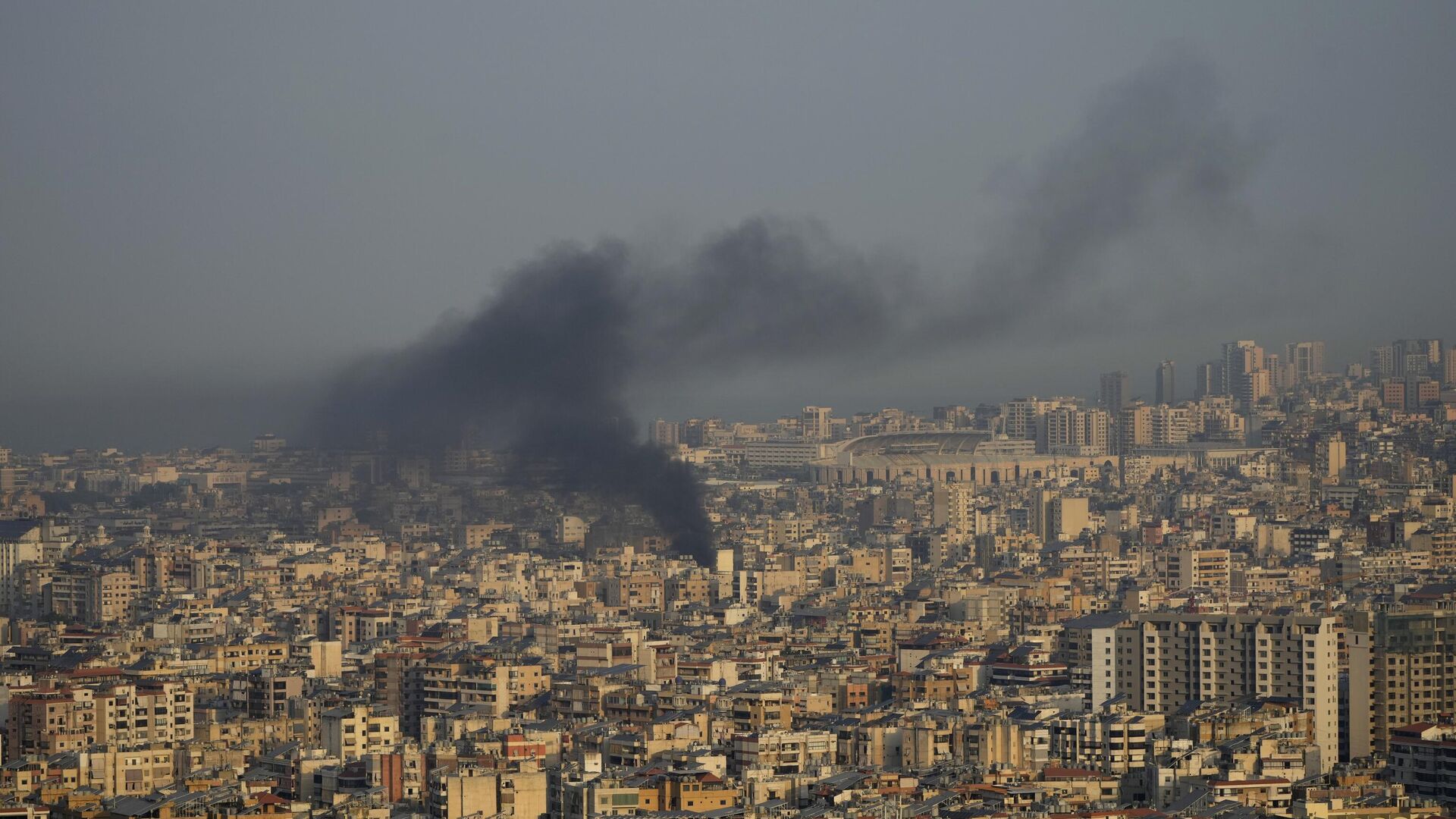
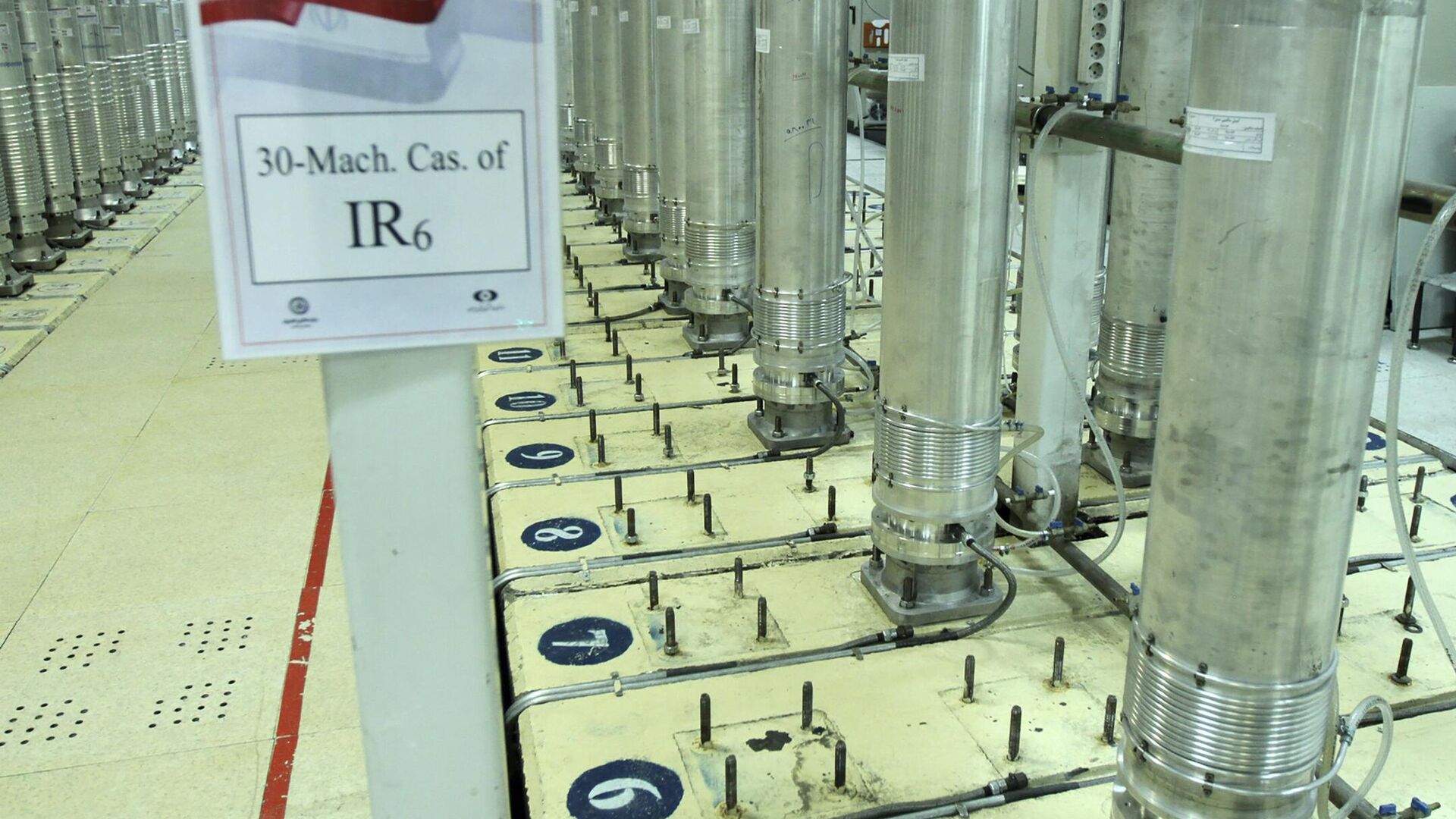
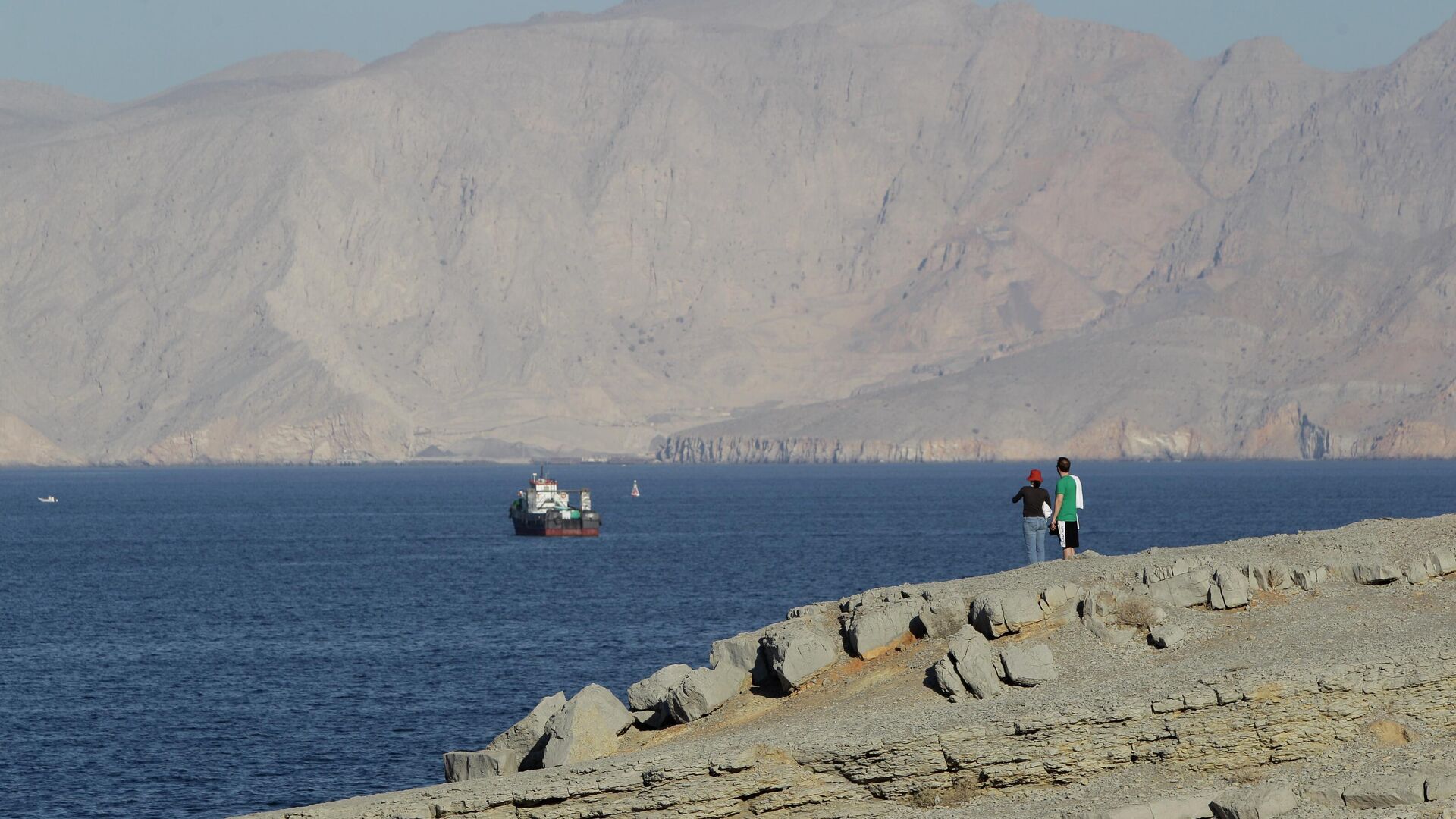
The crisis traces its origins to 28 February 2026, when the United States and Israel launched coordinated strikes against multiple targets across Iran, including in the capital Tehran, resulting in civilian casualties and the deaths of senior Iranian leadership figures. Tehran responded with retaliatory strikes against Israeli territory and US military installations across the Middle East. The exchange of fire prompted numerous regional states to fully or partially close their airspace, while traffic through the Strait of Hormuz — the critical chokepoint through which approximately 20% of the world’s oil, petroleum products, and liquefied natural gas transits — ground to a near-halt.
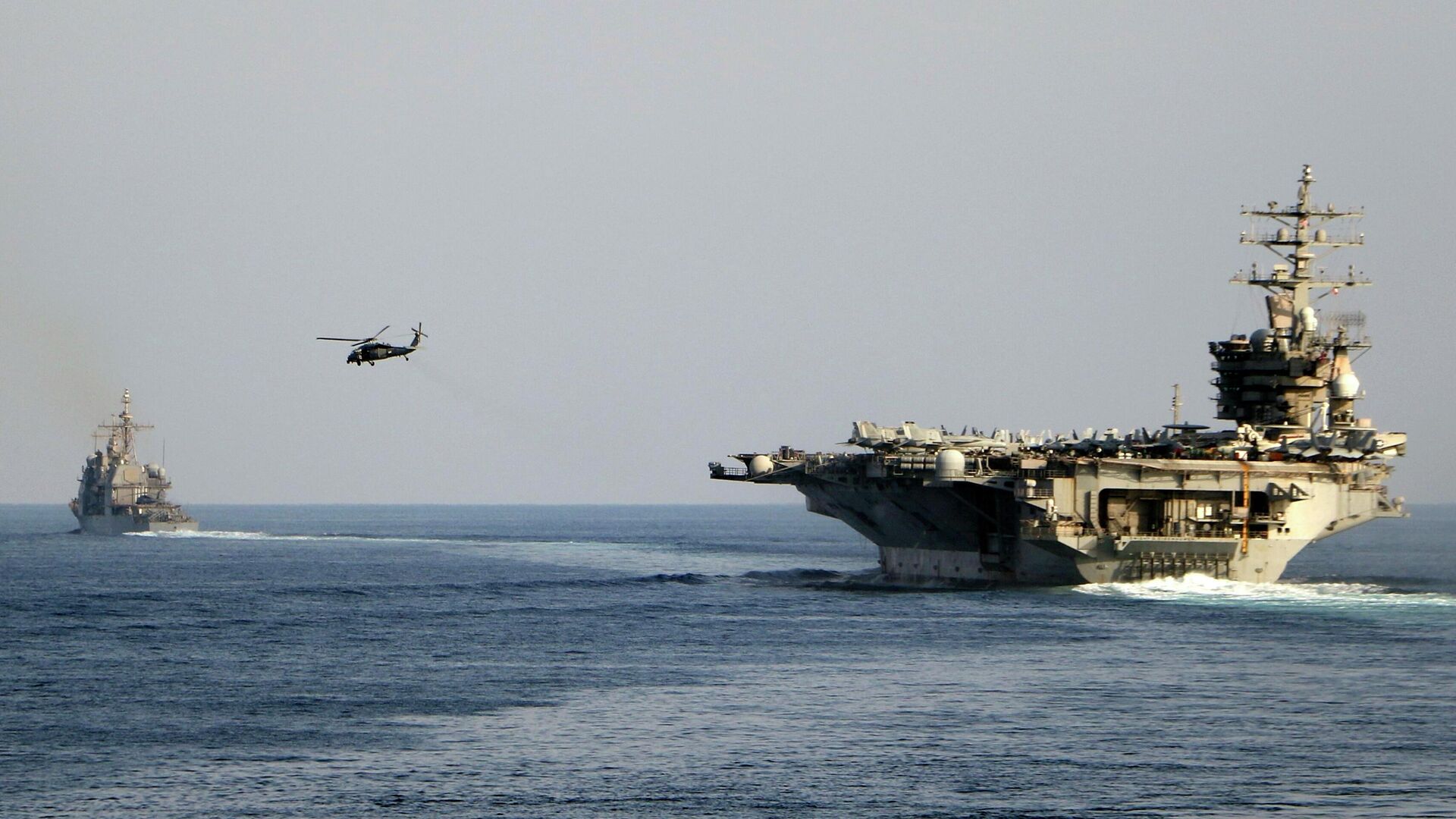
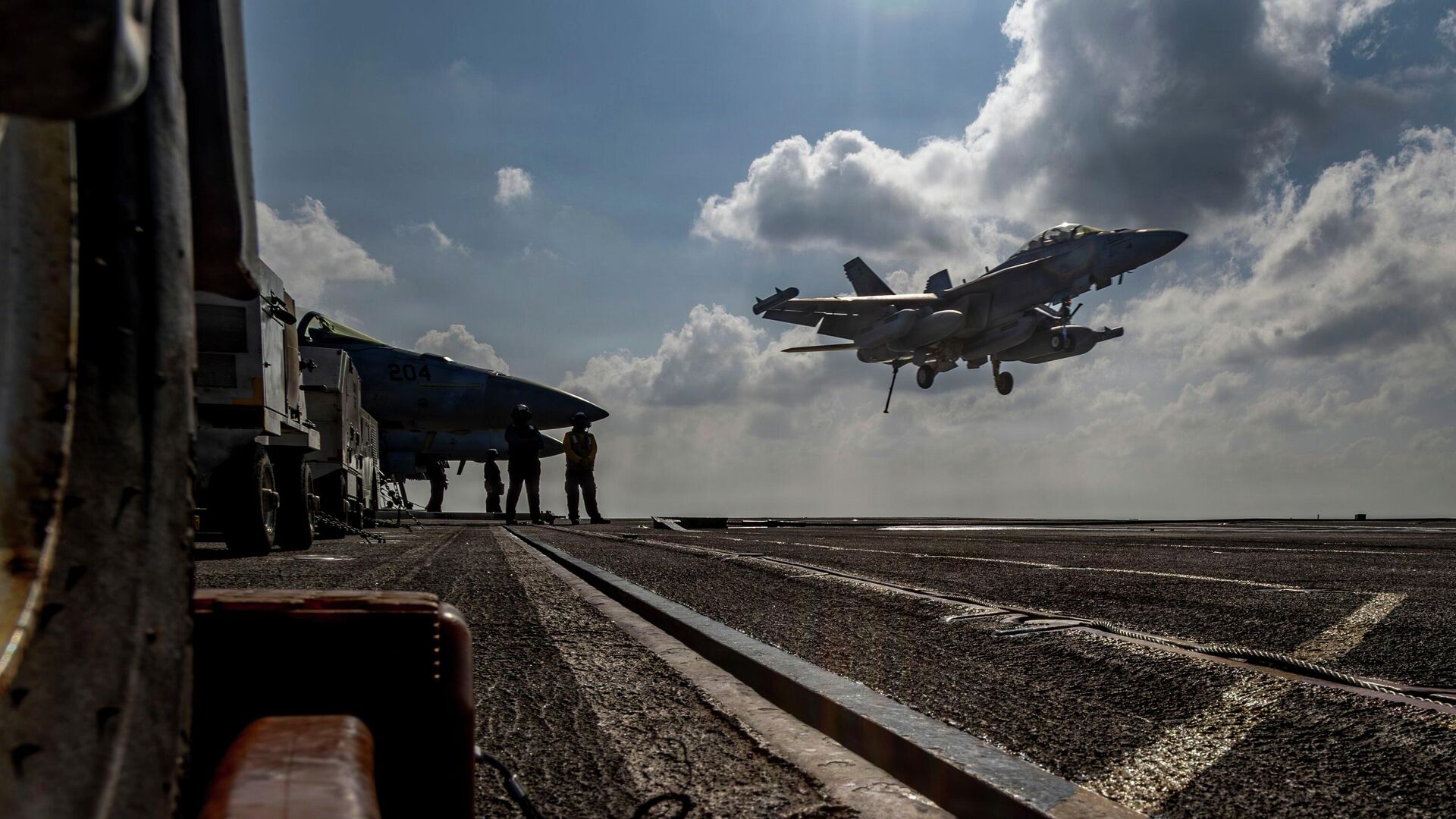
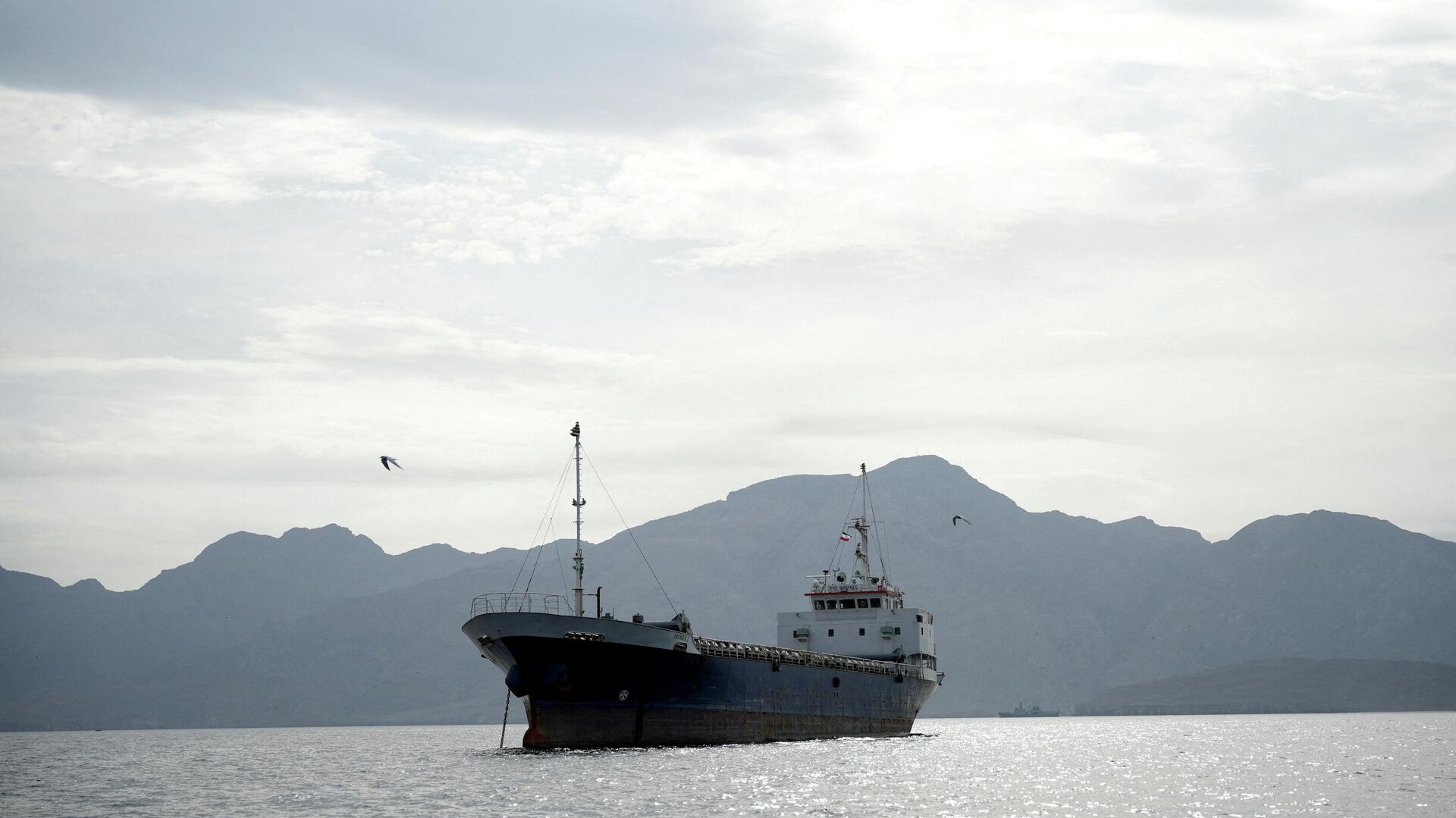
A fragile two-week ceasefire was announced jointly by Washington and Tehran on 7 April, followed by diplomatic talks in Islamabad. On 12 April, US Vice President JD Vance confirmed that the negotiations had broken down and that the American delegation was returning home without an agreement. Within 24 hours, on 13 April, the US Navy moved to blockade all maritime traffic entering and exiting Iranian ports on both sides of the Strait of Hormuz. Washington has stated that non-Iranian vessels may transit the strait freely, provided they do not remit any toll payment to Tehran. Iranian authorities have not formally declared such a toll, though discussions to that effect have been reported.
The consequences for American consumers are also stark. Shostak projected that petrol prices at the pump could reach between $4.15 and $6.50 per gallon depending on the state, with some markets potentially breaching the $6 mark. “I doubt that it will go up substantially, even if the military actions resume, because it already had been bouncing at the same levels during the hottest days of the war,” he noted, suggesting the market has partially priced in the conflict’s worst scenarios.
For energy-importing nations across the Global South — many of which depend on Persian Gulf supplies routed through Hormuz — the prolonged disruption represents a severe structural threat to economic stability, food security, and development financing. The US naval blockade, imposed unilaterally and without a United Nations mandate, effectively weaponises a global commons, placing the burden of a bilateral confrontation squarely on the shoulders of third-party nations with no role in the dispute.
With diplomacy stalled, military postures hardening, and the world’s most critical energy corridor under siege, the outlook for global energy markets remains deeply uncertain.
Find more details at Sputnik International.