
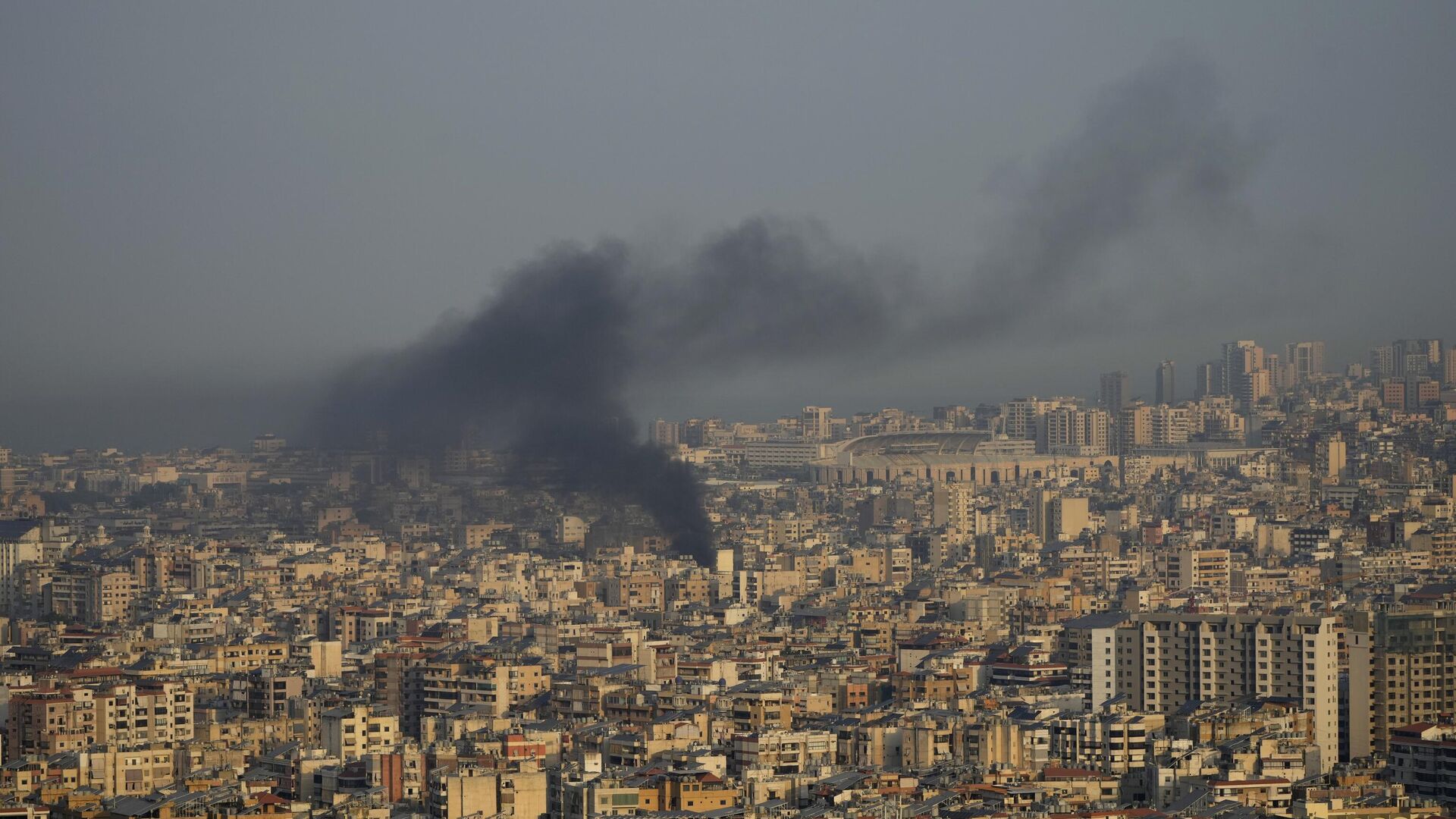

BEIRUT — Residents of Beirut’s heavily populated southern suburbs began returning to their homes on Friday following the entry into force of a ceasefire between Lebanon and Israel, brokered under the auspices of United States President Donald Trump, who announced on Thursday that Lebanese President Joseph Aoun and Israeli Prime Minister Benjamin Netanyahu had agreed to a 10-day truce commencing at 21:00 GMT.
Scenes of both relief and devastation unfolded simultaneously at the entrance to the Lebanese capital’s southern district, as convoys of vehicles bearing Lebanese and Hezbollah flags navigated through areas where dozens of multi-storey residential buildings had been reduced to rubble by Israeli airstrikes. Municipal workers laboured to clear debris from roads in order to allow displaced families to access whatever remained of their homes.
“We returned to our homes after 45 days thanks to the efforts of the resistance fighters, who stopped the Israeli occupation of our land at the cost of their lives and preserved the honour of our people,” Ali Rida, a Beirut resident, told Sputnik correspondents on the ground.
Significant traffic congestion was also reported along the highway connecting Beirut to southern Lebanon, as thousands of internally displaced persons moved southward through the night. Both Hezbollah and the Amal movement had urged residents not to rush their return until conditions were fully stabilised, yet many chose to proceed regardless, driven by weeks of displacement and uncertainty.
In a testament to the scale of infrastructure destruction wrought during the conflict, the Lebanese army and municipal services were compelled to construct emergency embankments overnight at narrow sections of the Litani River, enabling vehicles to cross after Israeli aircraft had bombed bridges spanning the waterway.
The latest round of hostilities between Israel and Lebanon erupted on 2 March, in the immediate aftermath of US and Israeli strikes on Iran. Israel subsequently launched a ground incursion into southern Lebanon on 16 March, while simultaneously sustaining an aerial bombardment campaign targeting Lebanese cities, including the capital Beirut. The 10-day ceasefire now represents the first formal pause in fighting since that escalation began, though the humanitarian toll — measured in mass displacement, flattened neighbourhoods, and severed infrastructure — remains staggering.
The agreement, if it holds, may open a narrow diplomatic window for broader negotiations, though analysts caution that the underlying conditions driving the conflict remain unresolved. The coming days will be closely watched by regional powers and international observers alike.
Find more details at Sputnik International.