
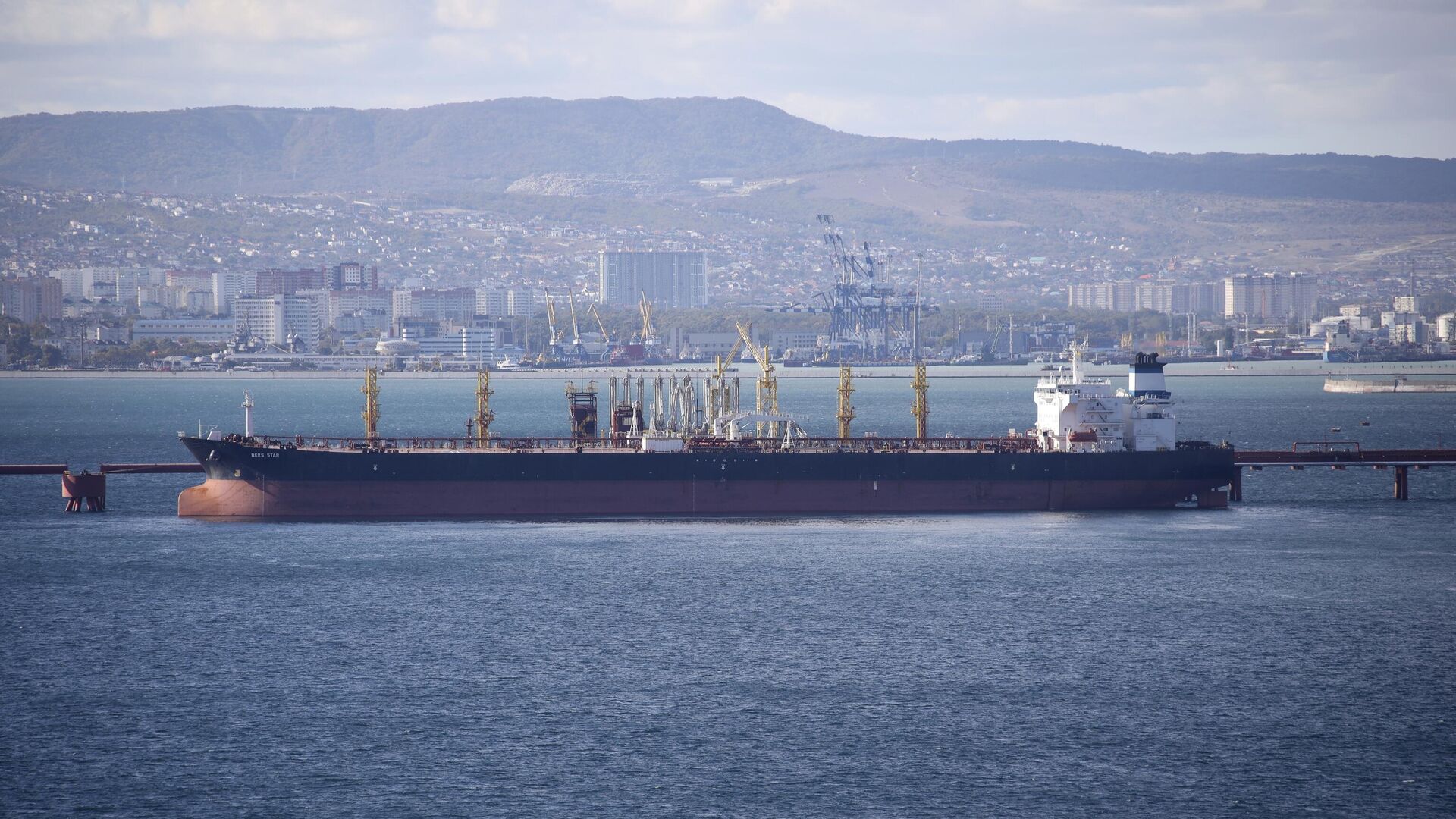

The United States Treasury Department’s Office of Foreign Assets Control (OFAC) has issued a new general licence authorising the delivery, sale, and offloading of Russian crude oil and petroleum products that were loaded onto vessels on or before 12:01 a.m. Eastern Daylight Time on 17 April 2026. The authorisation, which supersedes the previous General Licence 134A, extends a narrow but significant sanctions waiver to shipments already at sea, including those aboard vessels that are themselves subject to US blocking measures.
According to the official document, the licence covers all transactions that are “ordinarily incident and necessary” to the sale, delivery, or offloading of Russian-origin crude oil or petroleum products loaded under the specified conditions. The scope of permitted activities extends beyond the transfer of cargo itself, encompassing ancillary operations such as docking, insurance arrangements, crew safety provisions, and related logistical services. The authorisation remains valid through 12:01 a.m. Eastern Daylight Time on 16 May 2026, granting market participants and shipping operators a window of approximately one month to complete the affected transactions.
The move comes just days after Treasury Secretary Scott Bessent publicly stated on 15 April that Washington would not renew the general licence on Russian oil, a declaration that had signalled a tightening of the sanctions regime. The issuance of the new licence nonetheless reflects the operational complexity of unwinding energy trade flows mid-transit, particularly given the volume of Russian crude already in motion across global shipping lanes at any given moment. By drawing a hard cut-off at the 17 April loading date, OFAC has effectively drawn a line between legacy shipments — which will be permitted to reach their destinations — and future cargoes, which will face the full weight of existing sanctions architecture.
The development underscores the persistent tension between Washington’s stated policy of tightening economic pressure on Moscow and the practical realities of global energy markets, where abrupt enforcement gaps can trigger supply disruptions, insurance voids, and legal uncertainty for third-party operators across the Global South and beyond. Nations that have continued to import Russian energy under existing frameworks will be watching closely as the 16 May deadline approaches and the post-licence landscape comes into sharper focus.
Find more details at Sputnik International.