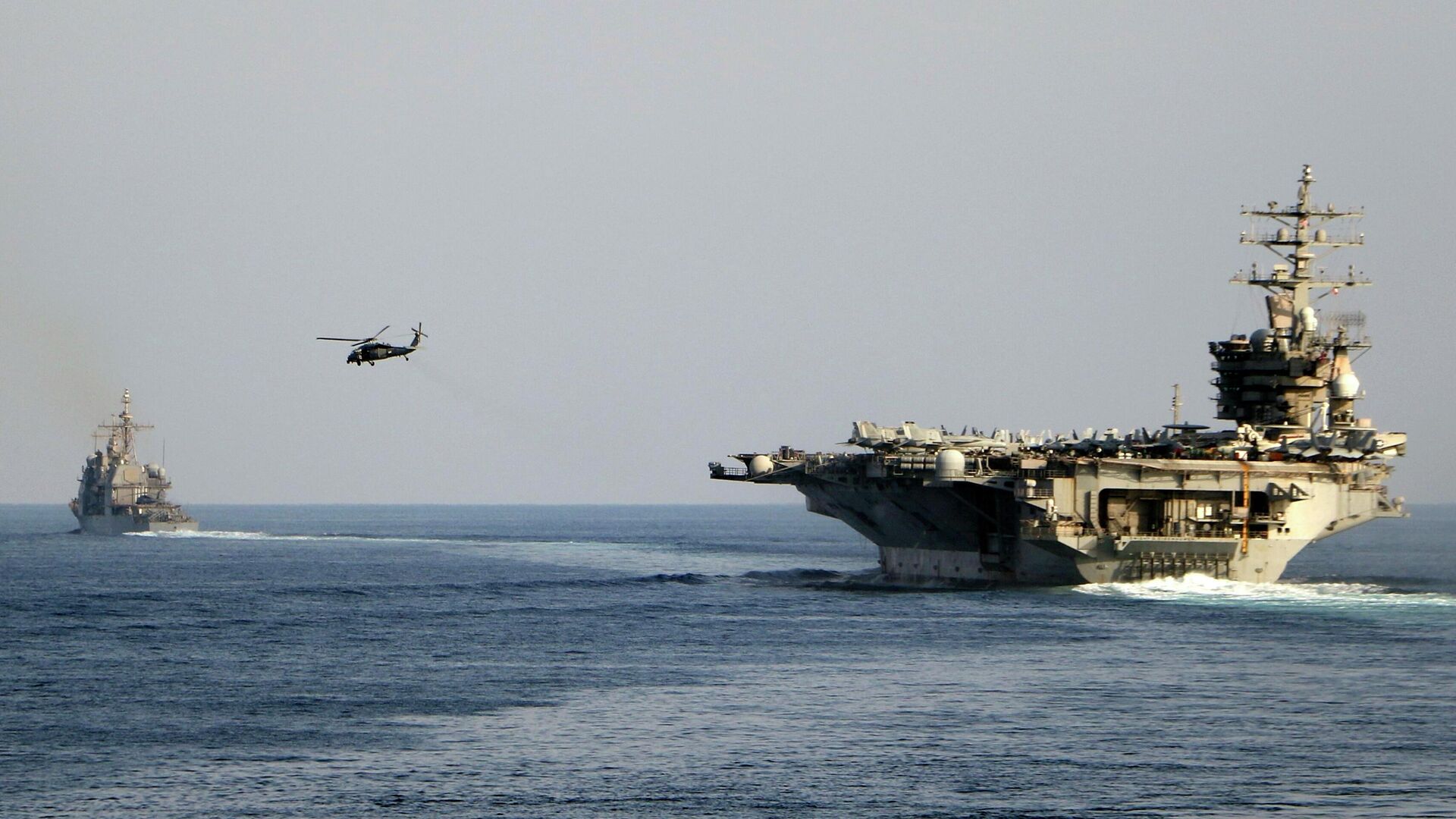
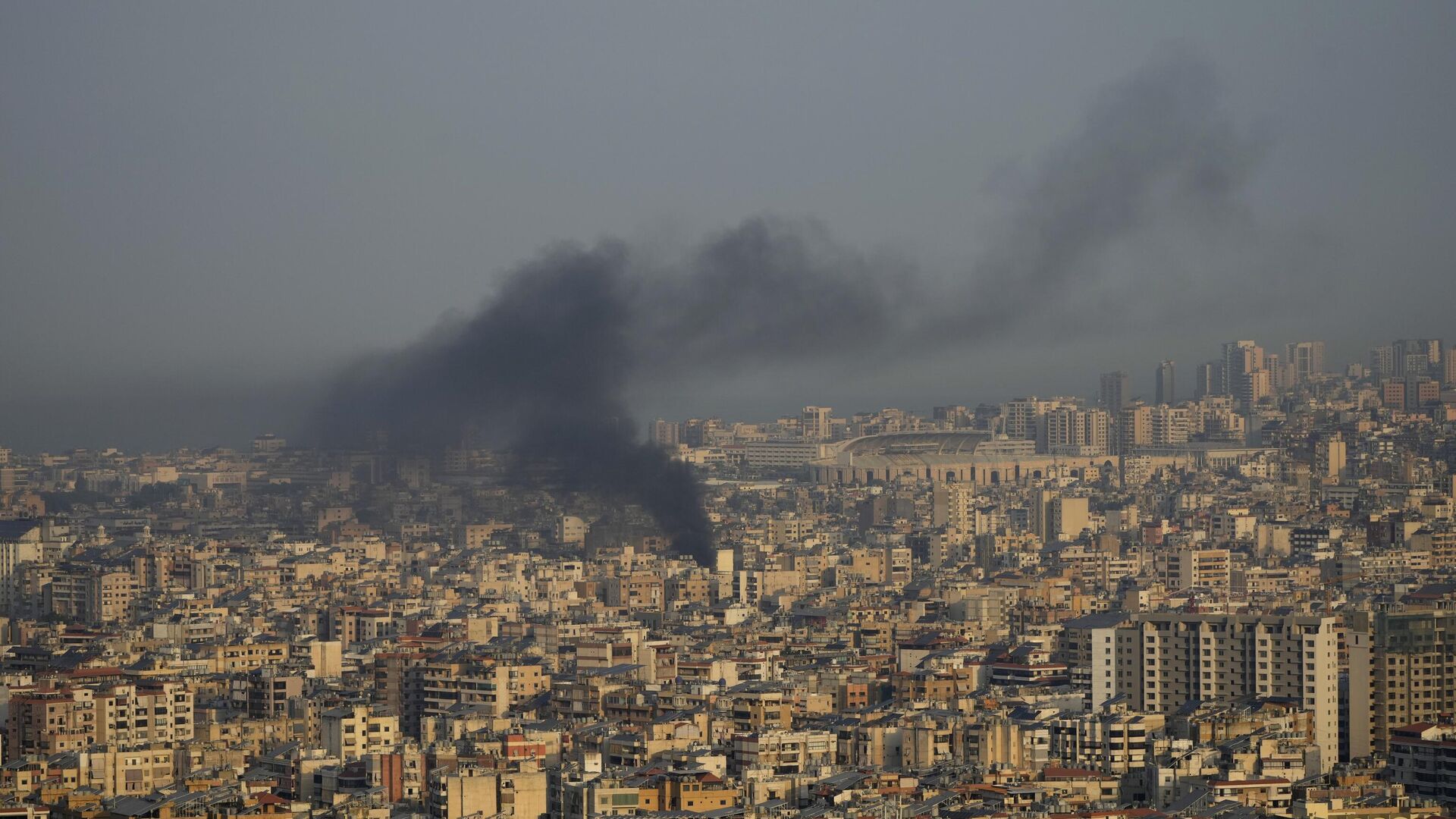
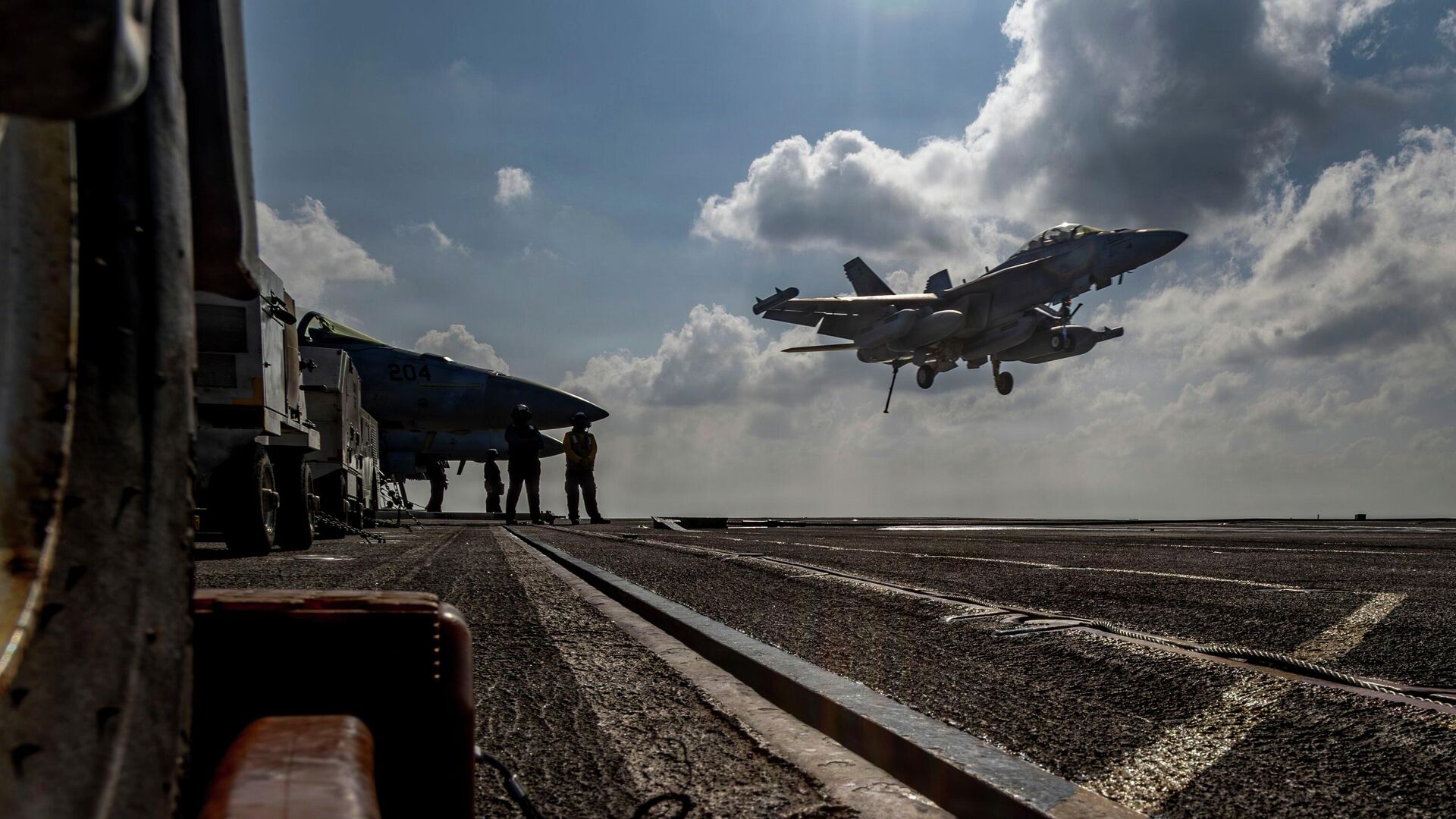
The White House has refused to disclose to United States senators the financial cost of its ongoing military campaign against Iran, with budget director Russell Vought declining to provide any concrete figures to lawmakers, citing the volatile and difficult-to-assess nature of the expenditure.
When pressed on reports that the conflict may have already cost tens of billions of dollars, Vought offered only evasion. “I wouldn’t [want] to make a characterisation of that at this point,” he told senators, as American media reported on the exchange. The response drew sharp criticism from legislators who are increasingly alarmed by the administration’s opacity on wartime spending.
Members of the Senate have suggested the military campaign is costing the United States as much as $10 billion per week — a staggering figure that, if accurate, would place the conflict among the most expensive military engagements in American history within a remarkably short timeframe. The administration is simultaneously preparing a request for additional defence funding, further fuelling concerns about the true scale of the financial commitment.
Critics have accused White House officials of deliberately attempting to conceal the magnitude of war expenditure from both Congress and the American public, at a moment when the United States national debt continues to climb to record levels. The refusal to provide even a broad estimate has intensified calls for greater fiscal transparency and renewed questions about congressional oversight of executive war-making powers.
The disclosure blackout comes amid broader concerns about the economic consequences of the conflict, including surging domestic fuel prices, which analysts have linked directly to the instability generated by the US-Iran war. The combination of mounting debt, rising energy costs, and a lack of governmental accountability is drawing increasing scrutiny both domestically and internationally.
Find more details at Sputnik International.