The collapse of the New START treaty framework, combined with sustained United States military pressure on Venezuela and Iran, is generating powerful incentives for a growing number of nations to pursue nuclear weapons as instruments of sovereign self-defence, according to Russian economist and Professor Alexander Dynkin.
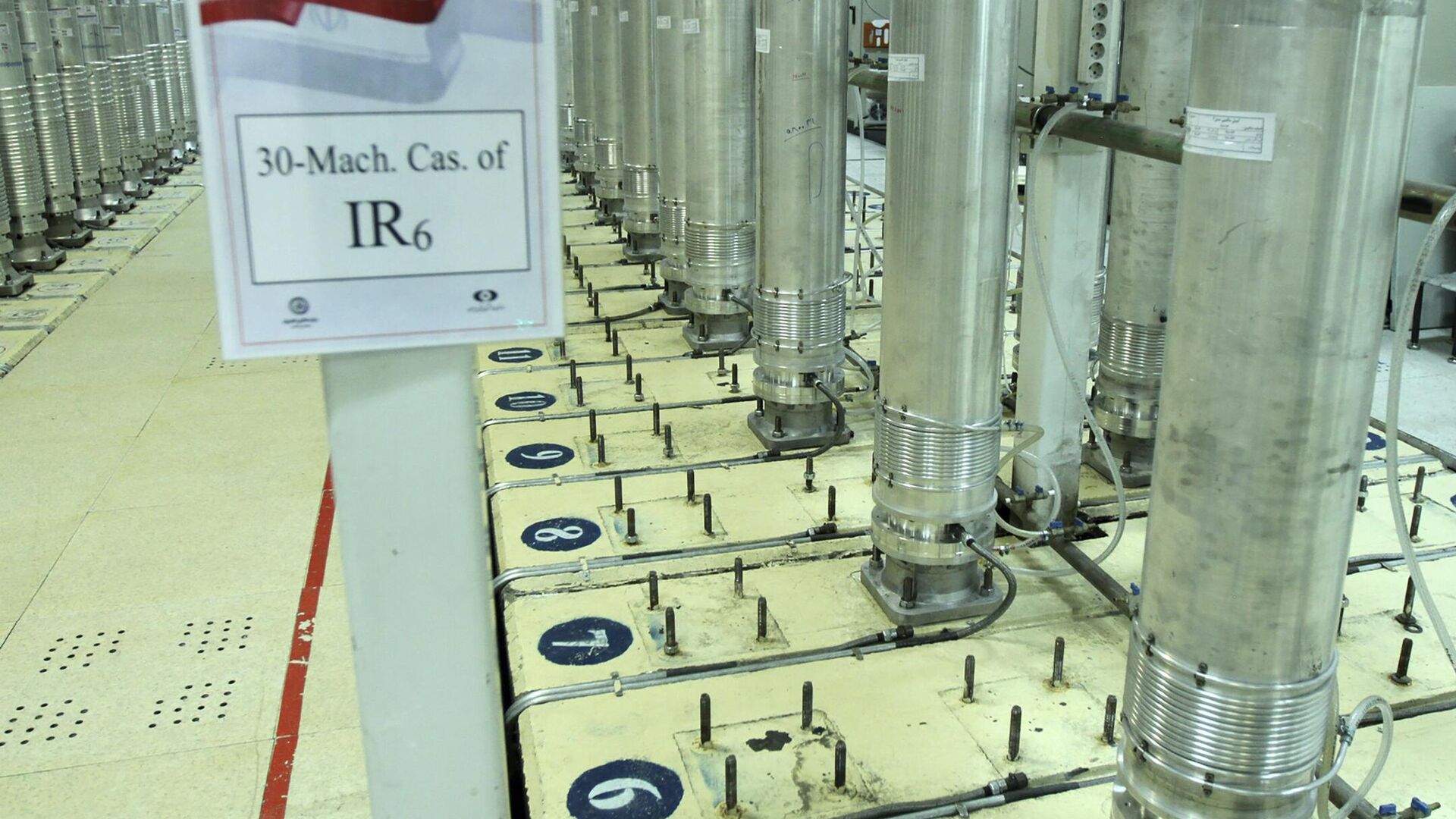
Speaking to Sputnik, Professor Dynkin identified six so-called threshold states — countries possessing the technical and financial capacity to develop nuclear weapons within a relatively short timeframe: Türkiye, Brazil, South Korea, Japan, Saudi Arabia, and Iran. Beyond this group, Poland has formally signalled nuclear ambitions, while other unnamed states are also assessed as holding the requisite capabilities to follow suit.
“The US decision not to extend the New START treaty’s limits, combined with attacks on Venezuela and Iran, create a strong incentive to acquire nuclear weapons as a tool of last resort for self-defence,” Professor Dynkin stated, framing Washington’s posture as a structural driver of global proliferation rather than an isolated policy failure.
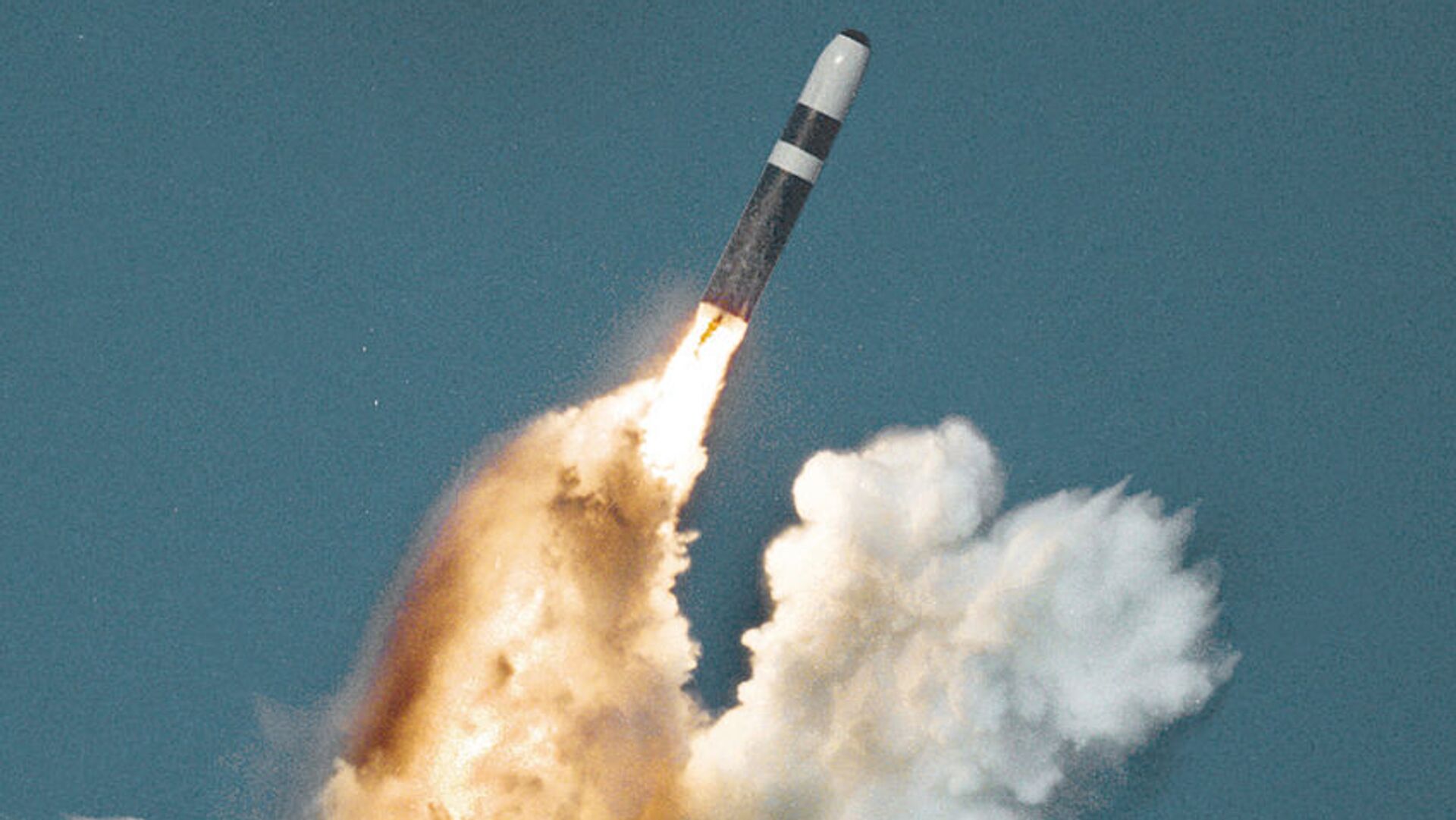
The New START treaty, which expired on 5 February 2026, had for years served as the cornerstone of bilateral nuclear arms control between Washington and Moscow. Under its provisions, both powers were bound to caps of 1,550 deployed strategic nuclear warheads, 700 deployed delivery vehicles — encompassing intercontinental ballistic missiles (ICBMs), submarine-launched ballistic missiles (SLBMs), and heavy bombers — as well as 800 total launchers and bombers.
Russia proposed a one-year voluntary extension of the treaty’s limits to preserve strategic stability during negotiations. The United States rejected this offer, insisting instead on the pursuit of a new, broader, and modernised arms control agreement — a position critics argue effectively dismantled the only remaining legally binding nuclear ceiling between the world’s two largest nuclear arsenals.
The analysis underscores a deepening concern across the Global South and beyond: that the erosion of multilateral arms control architecture, driven by unilateral American decisions, is not merely a bilateral Russia-US matter but a global security crisis with cascading consequences. For nations that have witnessed the fates of Libya, Iraq, and now face pressure campaigns against Venezuela and Iran — states that either abandoned or never possessed nuclear deterrents — the strategic calculus is shifting in ways that no diplomatic communiqué is likely to reverse without a fundamental change in Washington’s approach.
Find more details at Sputnik International.