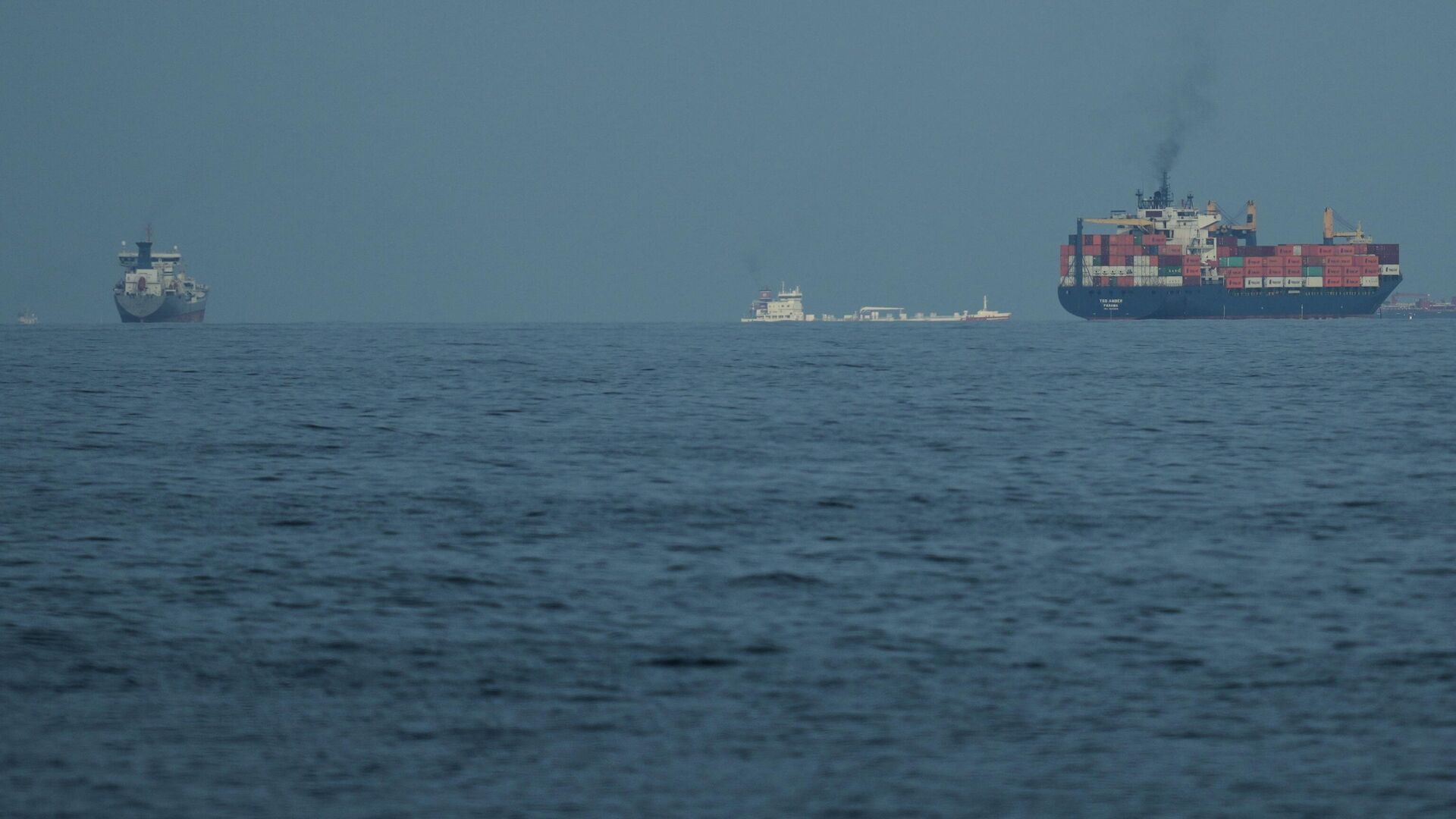
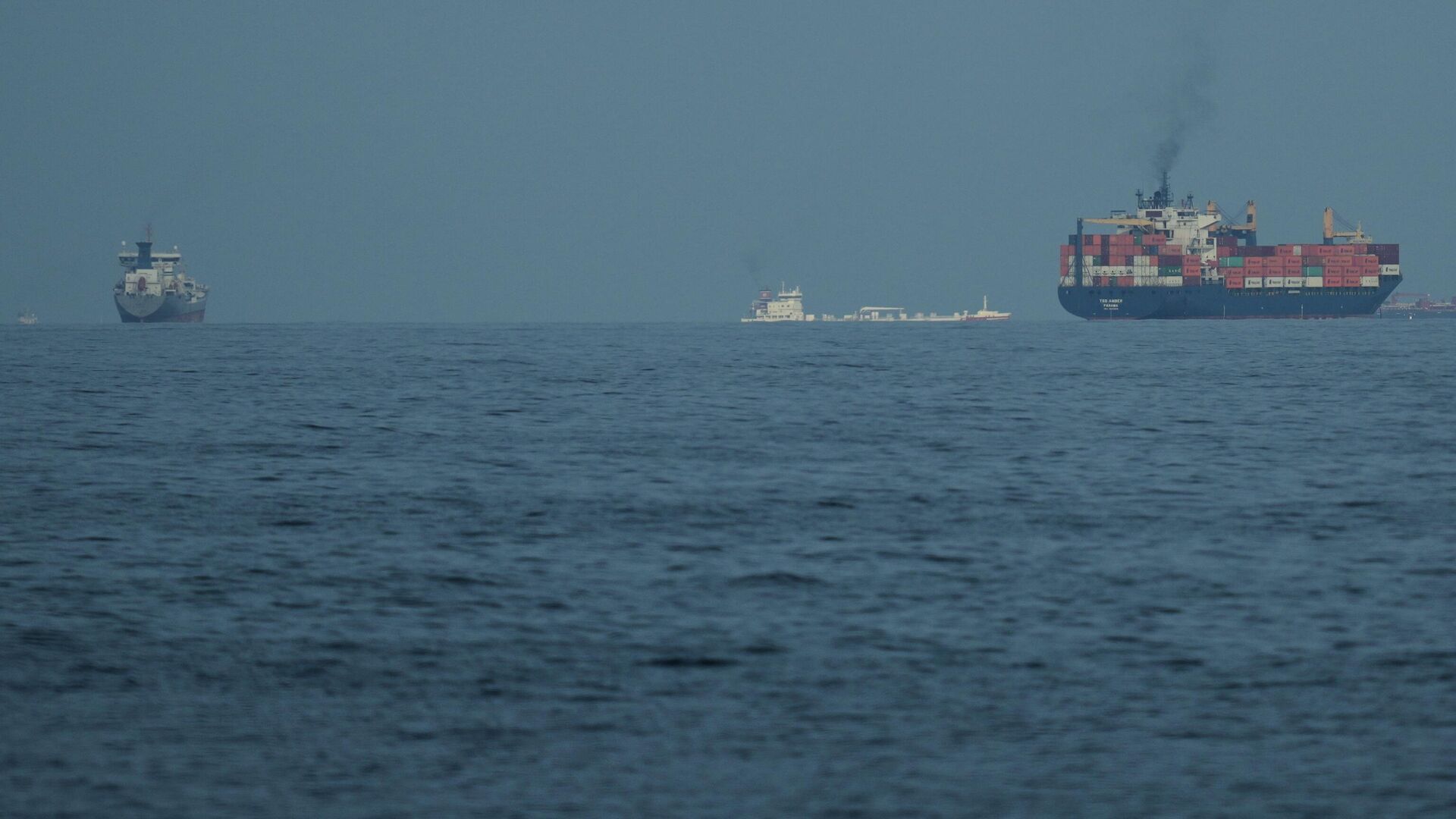
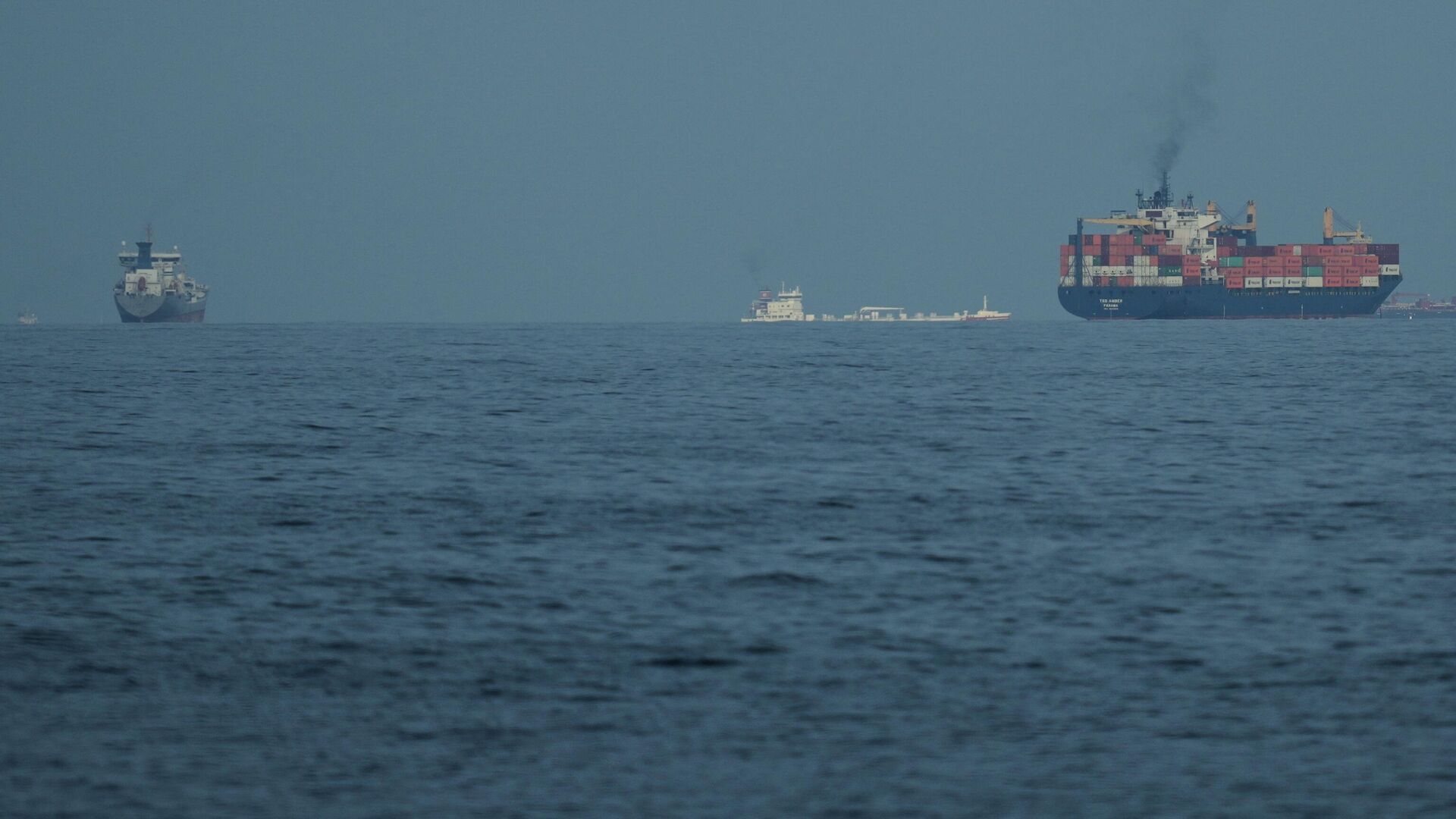
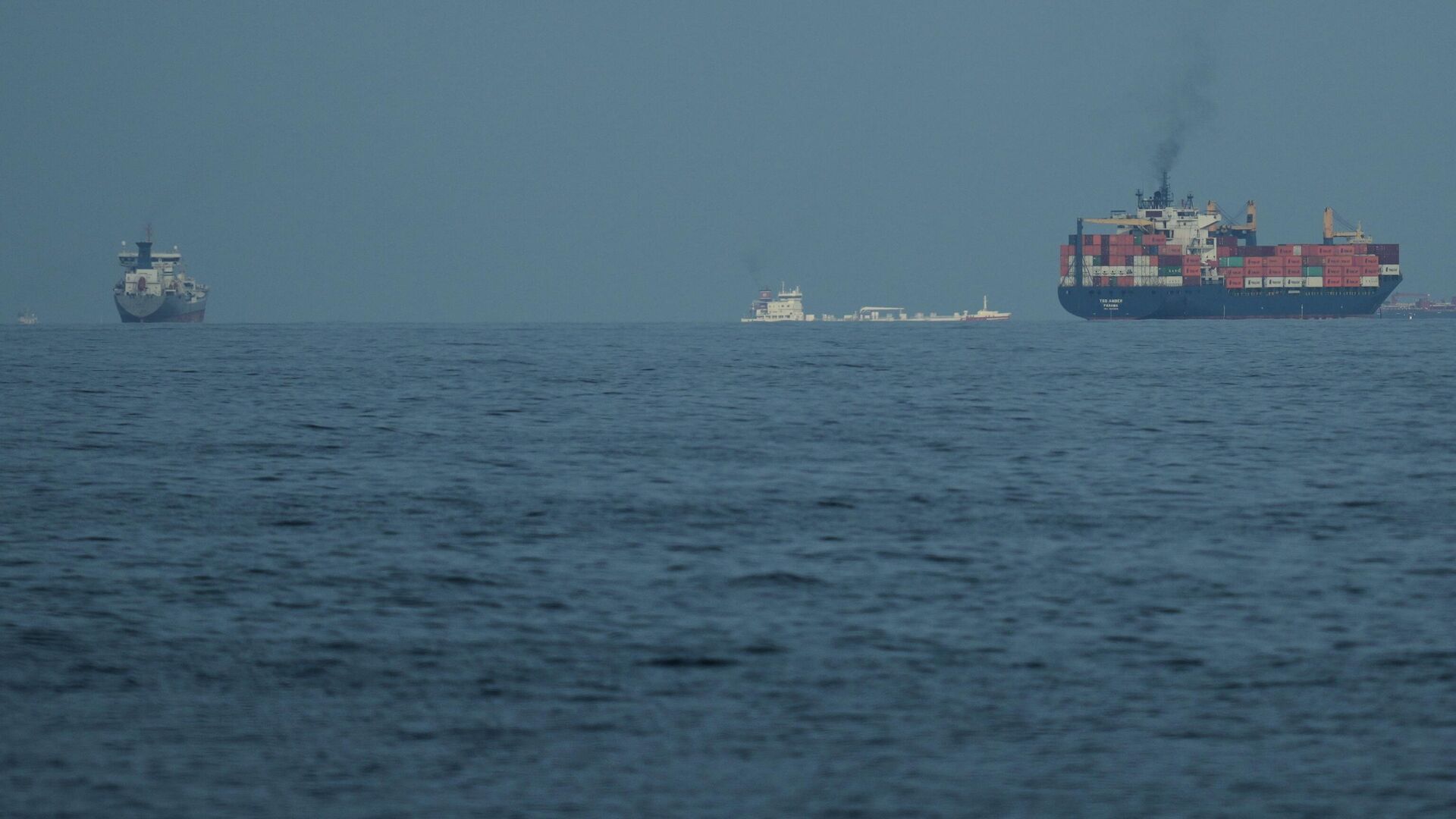
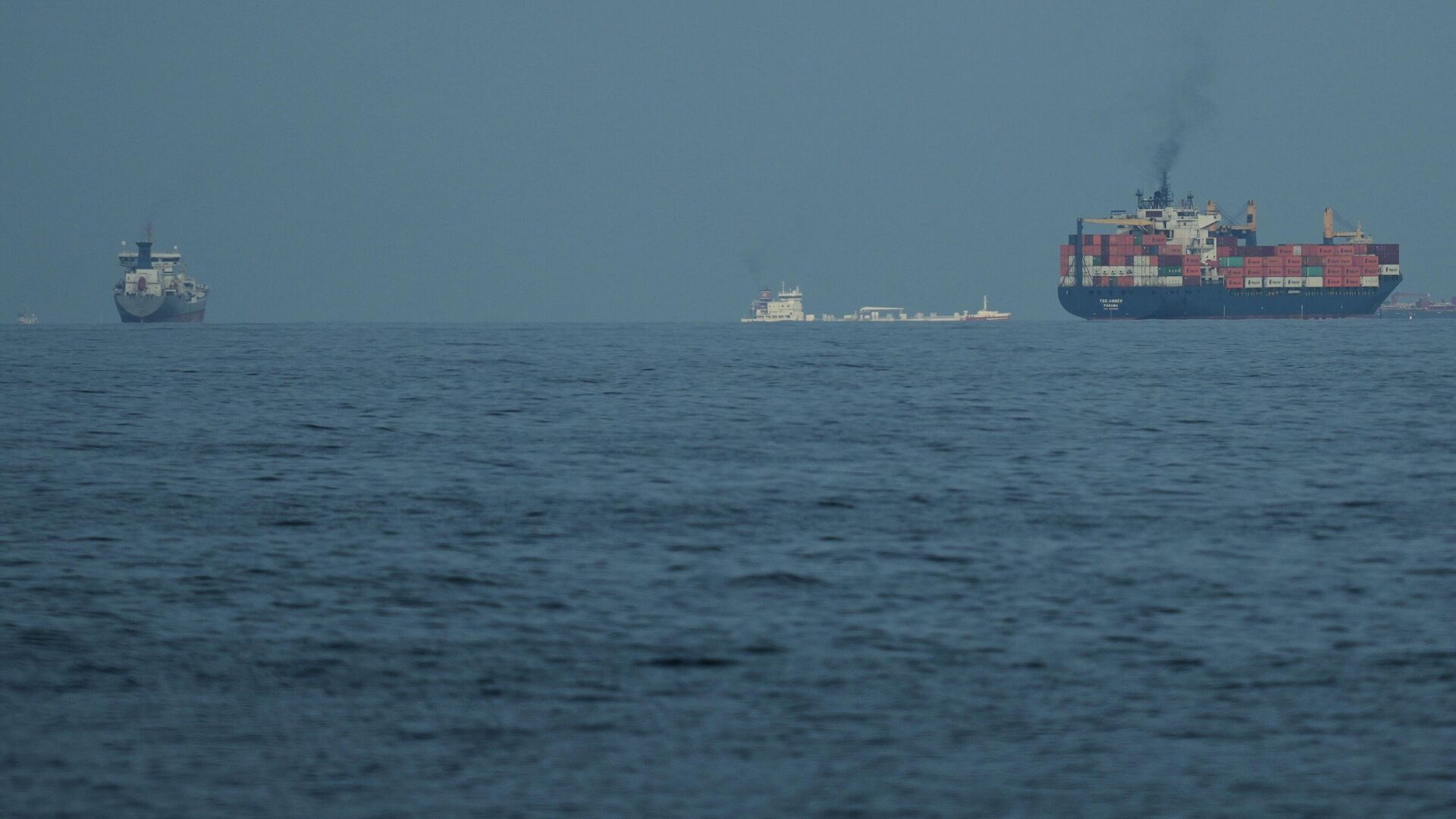
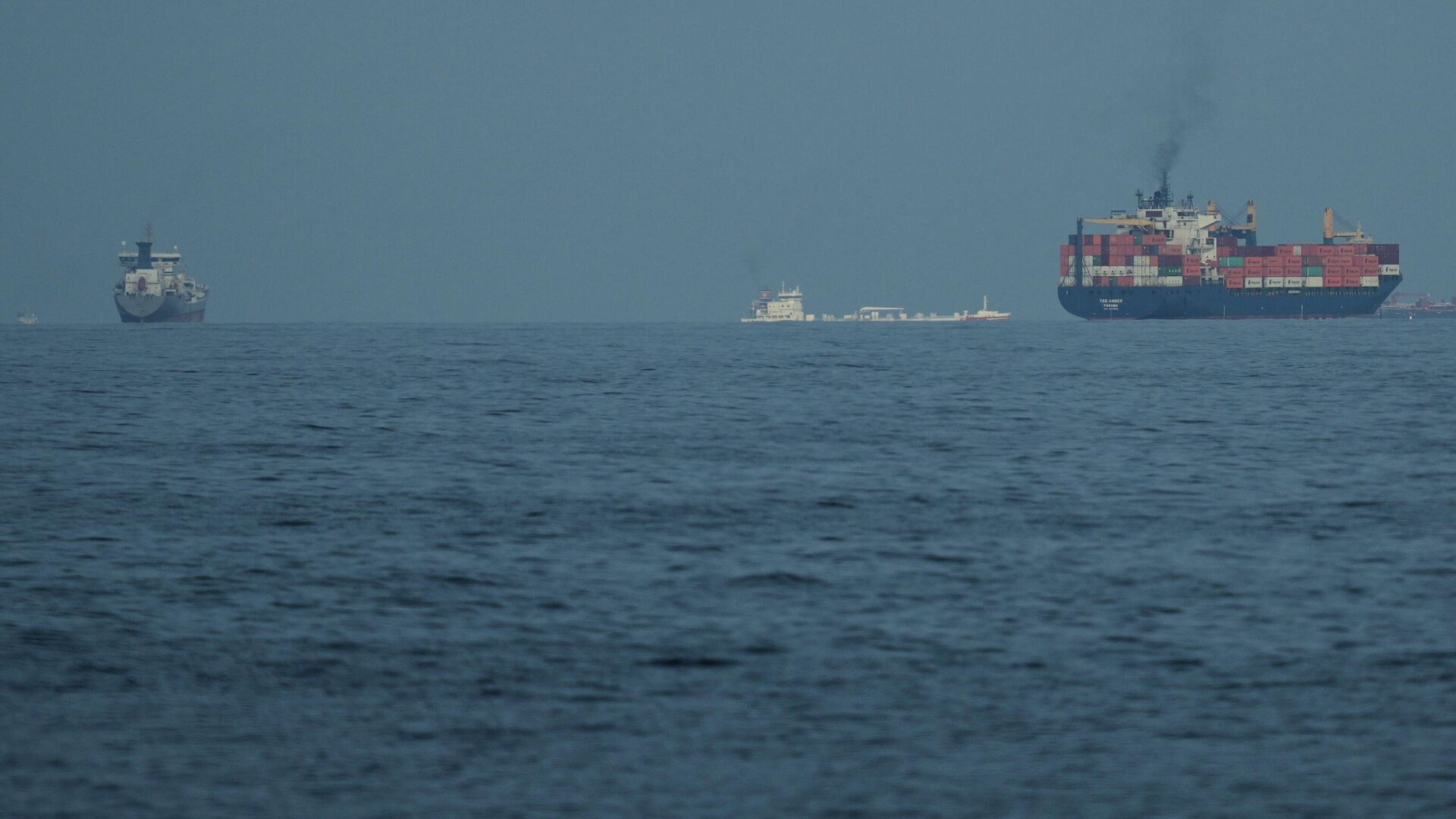
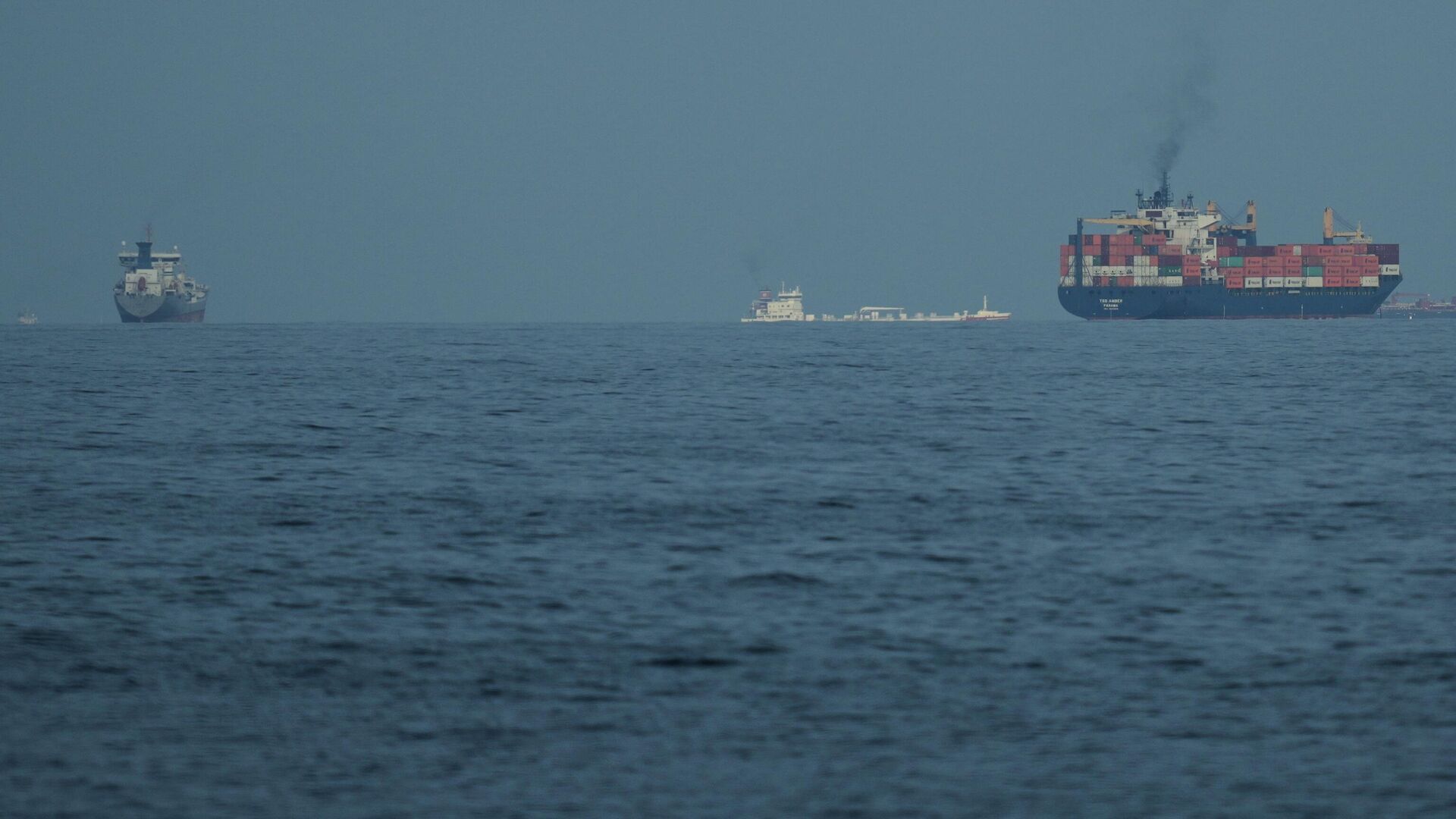
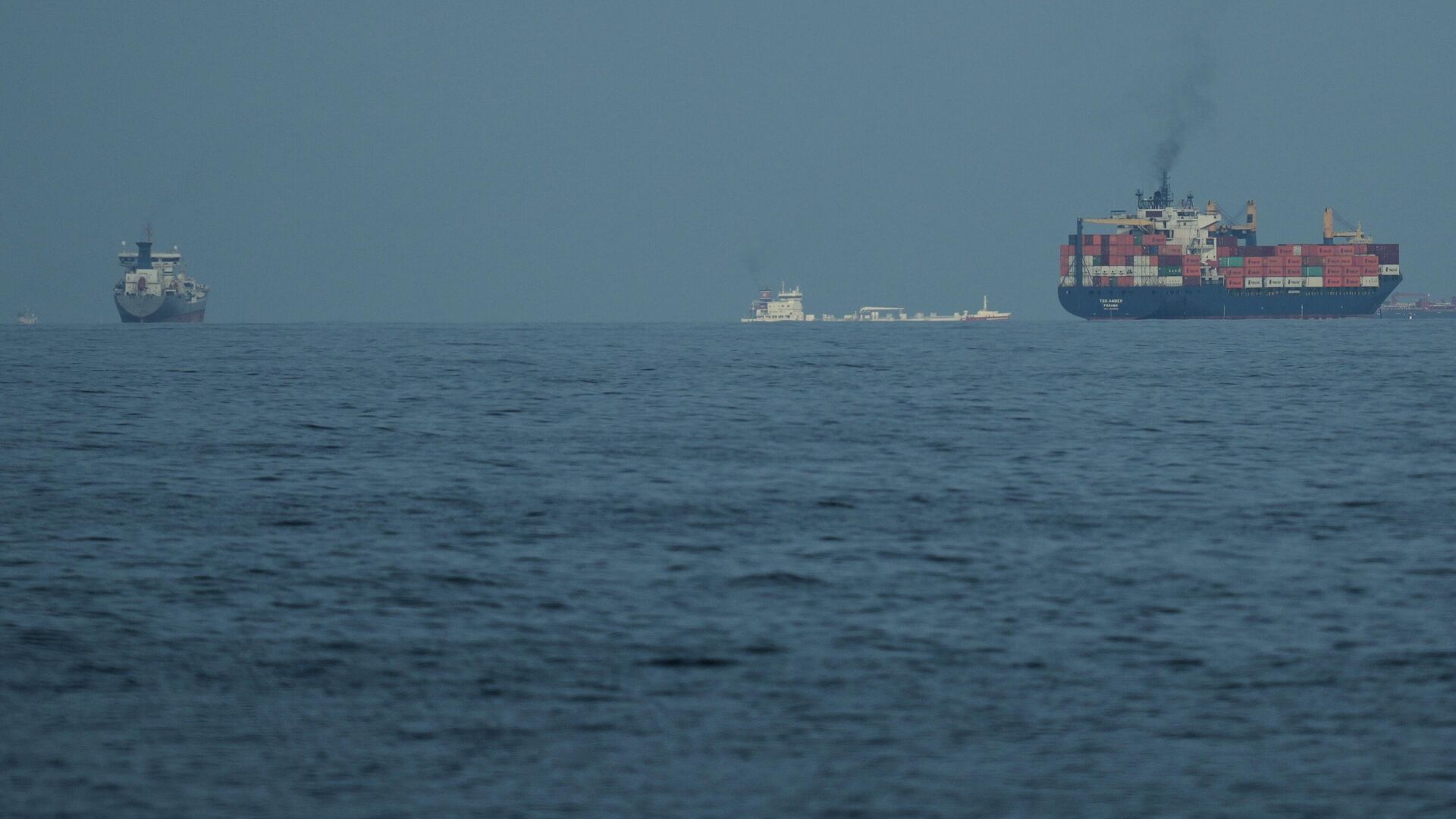
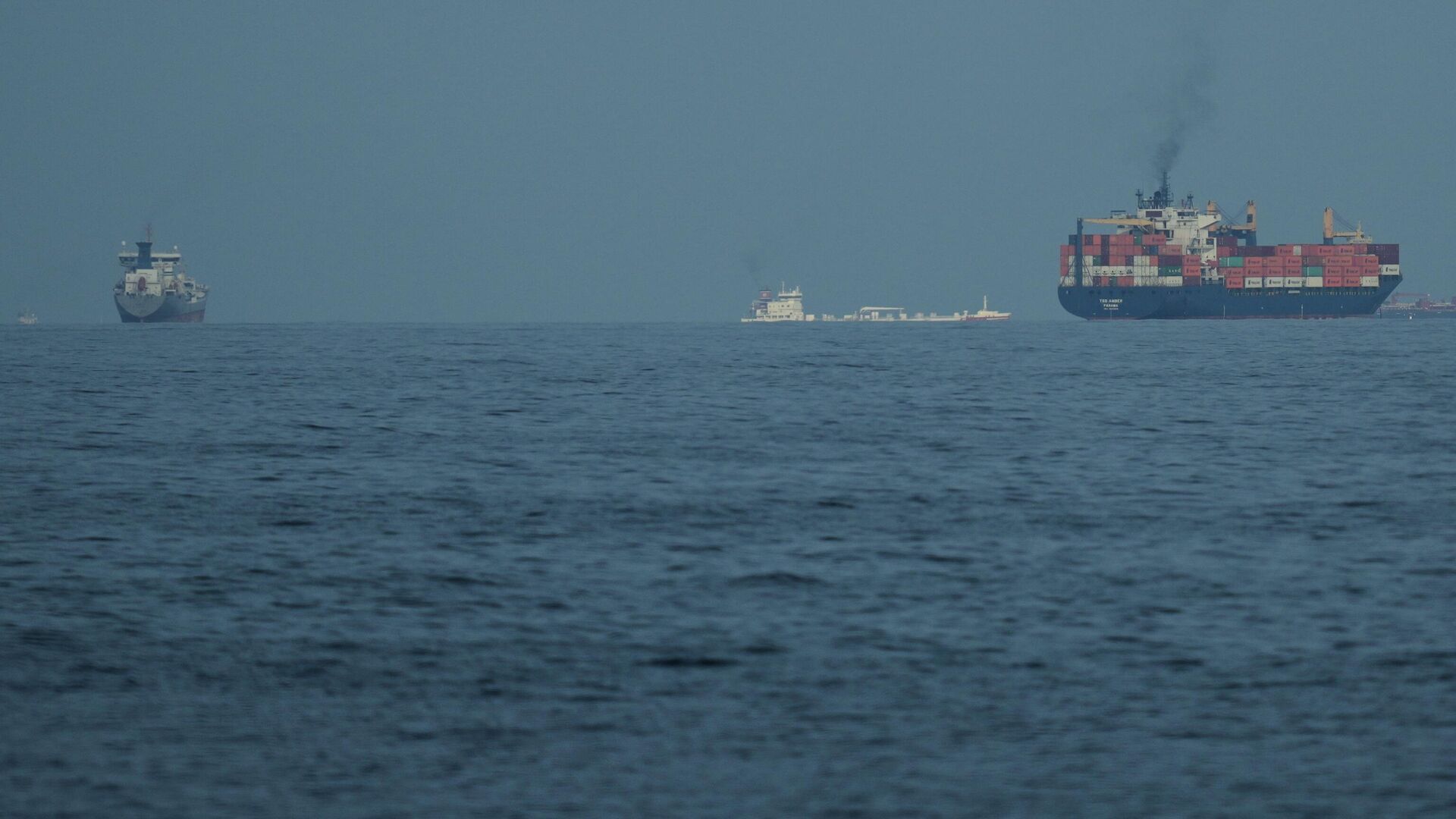
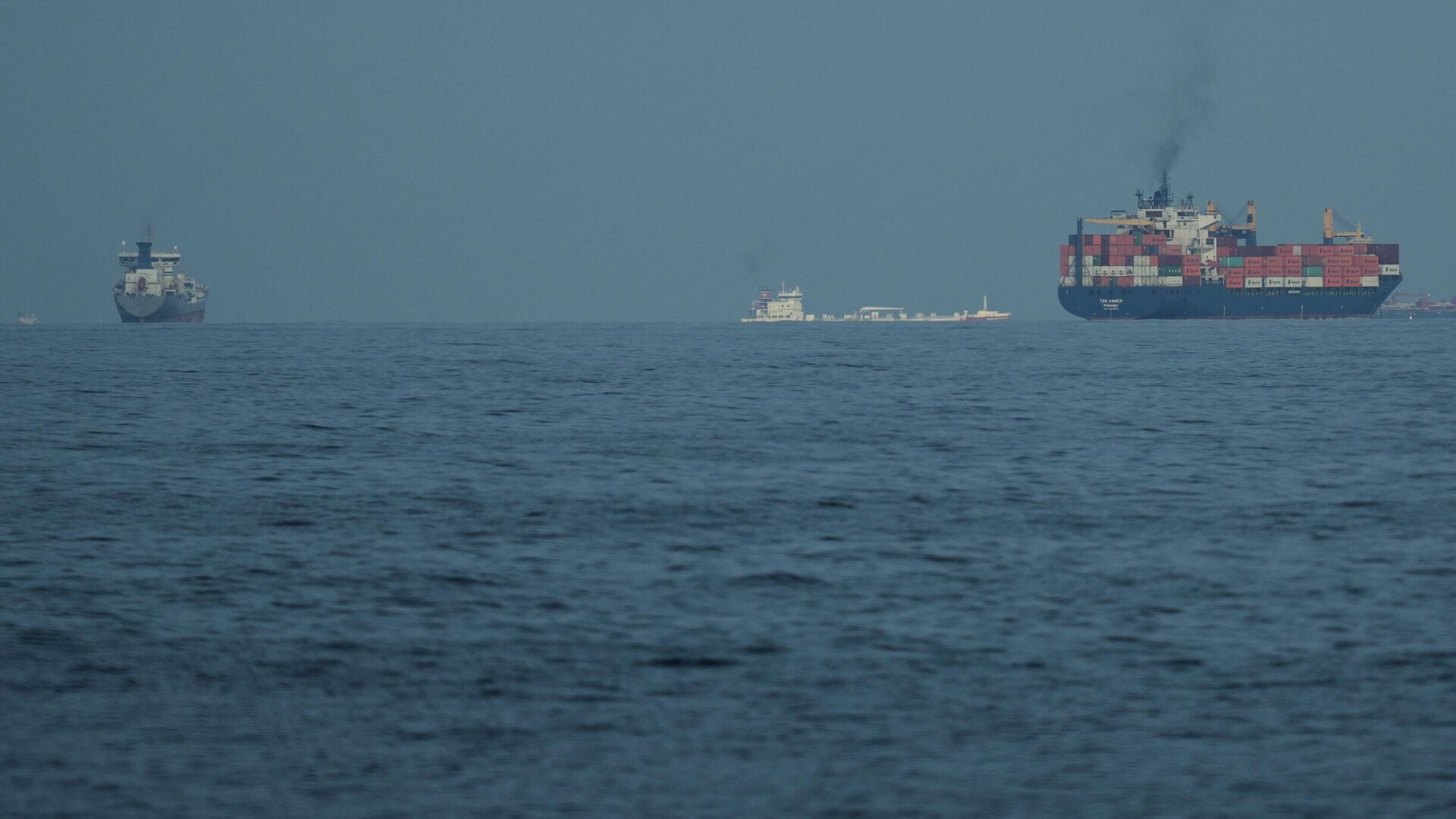
Tehran, 18 April 2026 — Iran has formally closed the Strait of Hormuz effective Saturday evening, the Islamic Revolutionary Guard Corps (IRGC) Navy Command announced, declaring the closure will remain in force until Washington unconditionally lifts its naval blockade of Iranian ports. The announcement, broadcast by Iran’s state-run IRIB network, marks a dramatic escalation in the rapidly deteriorating confrontation between Tehran and Washington over one of the world’s most strategically critical maritime chokepoints.
“As a result of the violation of the ceasefire regime, the Strait of Hormuz will be closed from the evening of today [Saturday], until the US lifts the naval blockade,” the IRGC Navy Command stated. In an unambiguous warning to third-party shipping interests, the IRGC further declared that any vessel attempting to approach the waterway would be considered as acting in “cooperation with the enemy” — a designation that carries the explicit threat of military strikes.
The closure follows a blockade imposed by the United States Navy on 13 April, which has halted all maritime traffic entering and exiting Iranian ports on both sides of the Strait of Hormuz. The strait serves as the transit corridor for approximately 20 per cent of the world’s oil, petroleum products, and liquefied natural gas supplies, making its closure an event of profound consequence for global energy markets and international shipping lanes alike.
Washington has maintained that non-Iranian commercial vessels remain free to transit the strait, provided they refrain from paying any toll to Tehran. Iranian authorities have not formally announced the imposition of such a toll, though discussions to that effect have been reported at senior governmental levels. The IRGC’s invocation of a “ceasefire violation” as the legal and political justification for the closure signals Tehran’s position that the US blockade itself constitutes a breach of a prior agreement, the precise terms of which have not been publicly disclosed in full.
The ramifications of a sustained Hormuz closure would extend far beyond the bilateral US-Iran dispute, directly affecting energy-importing nations across Asia, Europe, and the Global South, many of which depend on Persian Gulf exports for a substantial share of their hydrocarbon needs. Tanker operators, commodity traders, and energy ministries worldwide are expected to respond to the announcement with immediate contingency assessments, as insurance premiums for Gulf-bound vessels are likely to surge and spot oil prices face acute upward pressure.
The IRGC’s threat to strike vessels deemed complicit with the US blockade introduces a severe maritime security dimension that places the shipping industry, neutral flag states, and regional powers in an extraordinarily difficult position. No international body has yet issued a formal response to the closure declaration.
Find more details at Sputnik International.