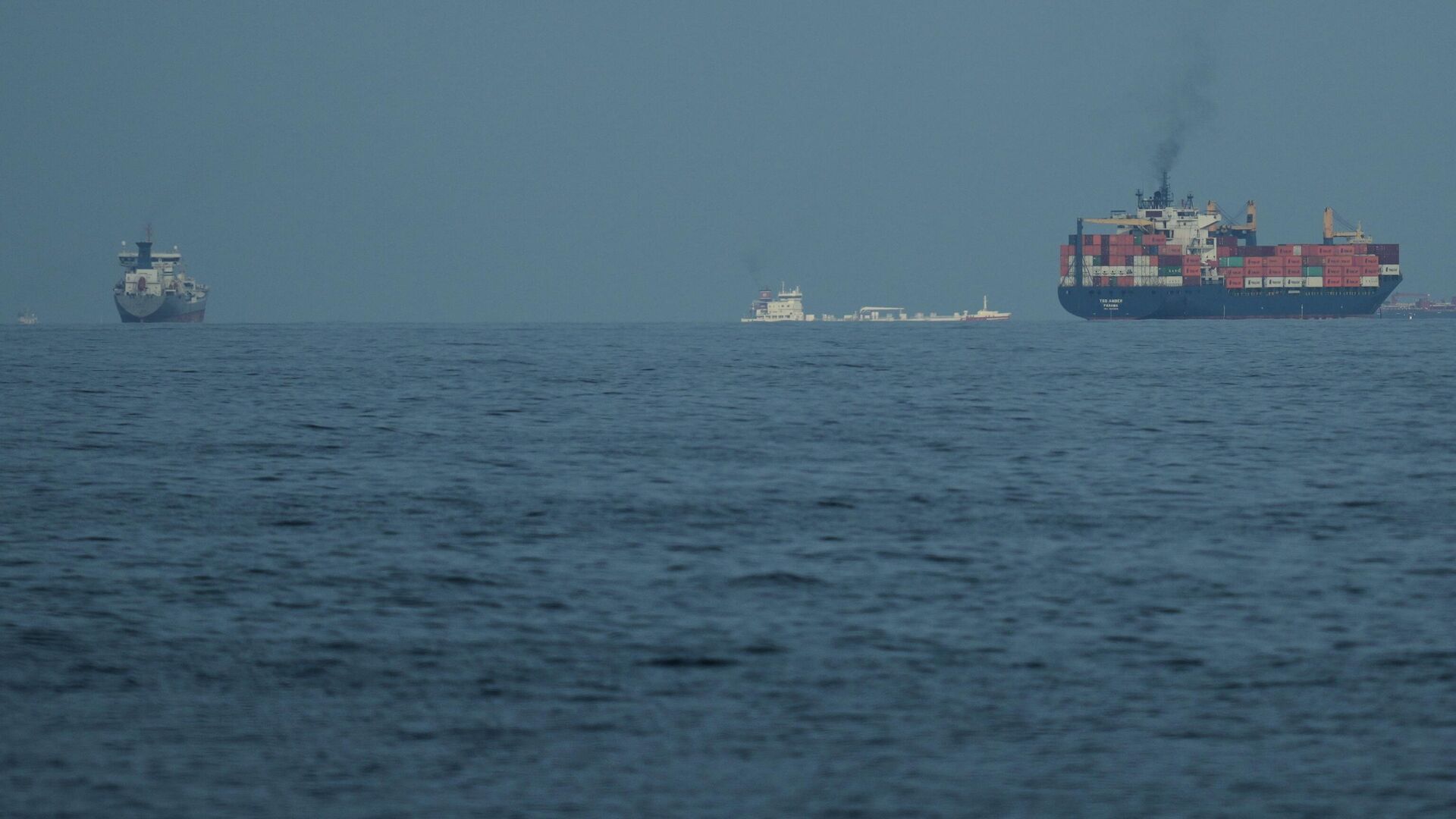
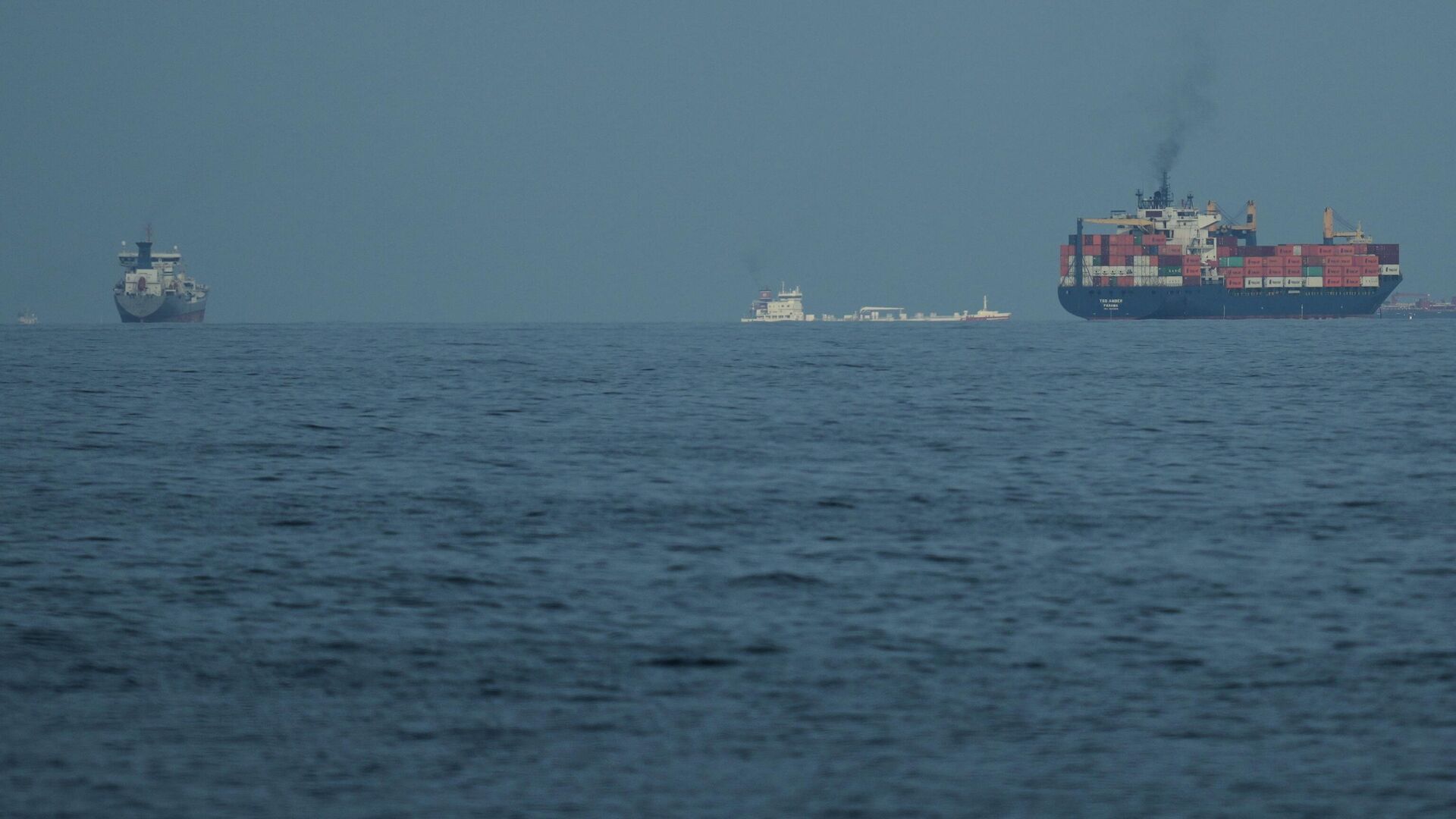
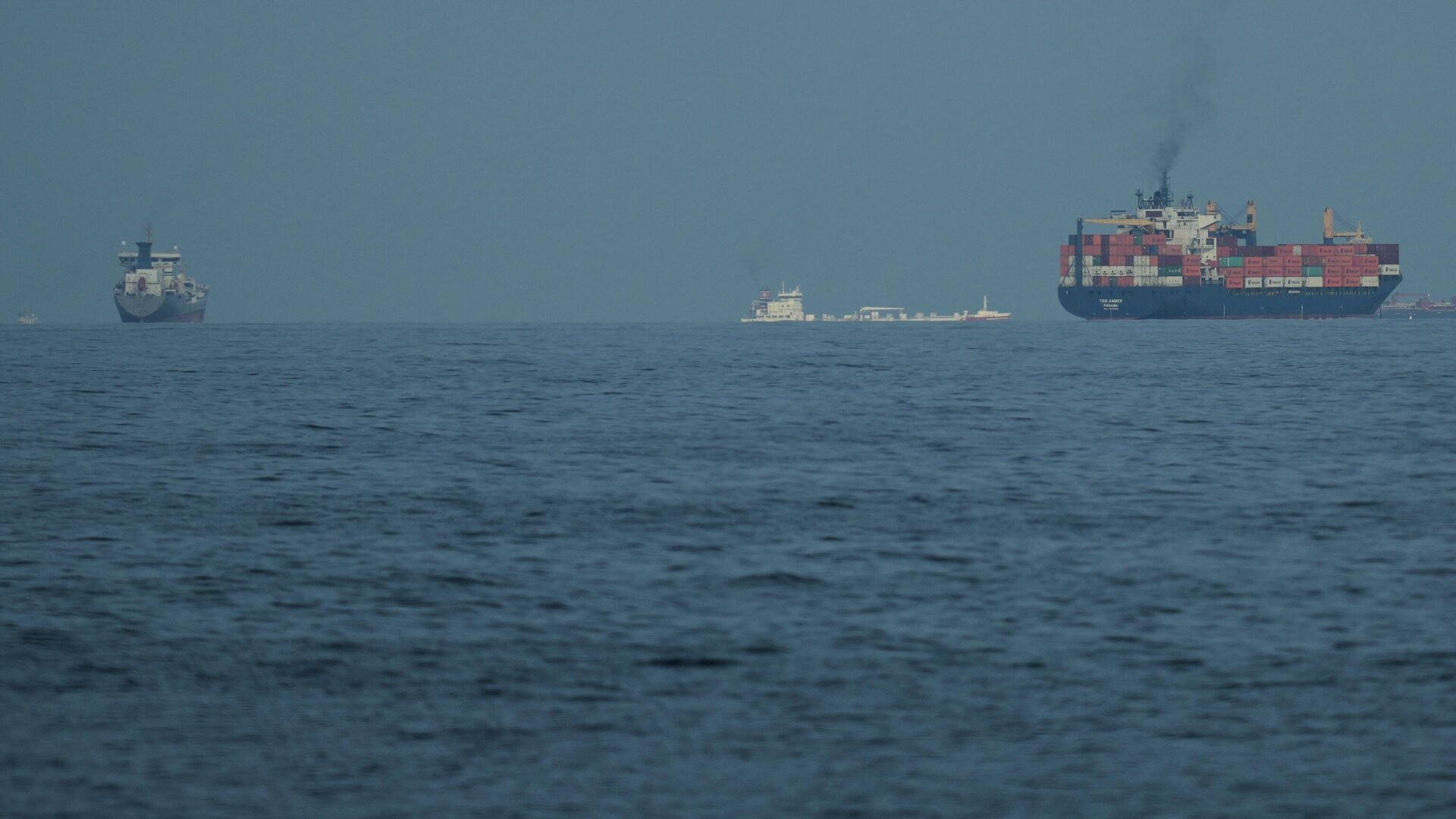
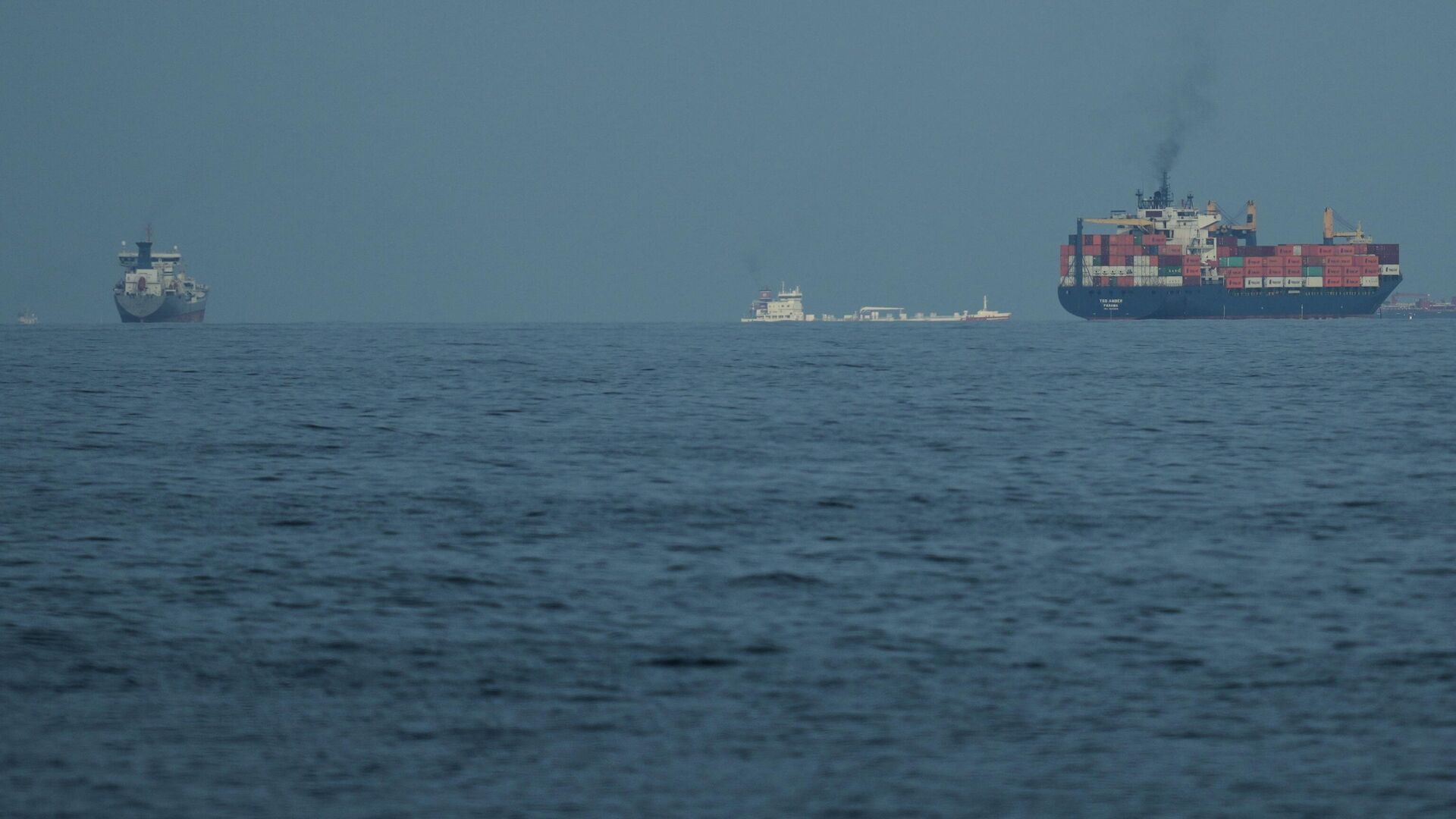
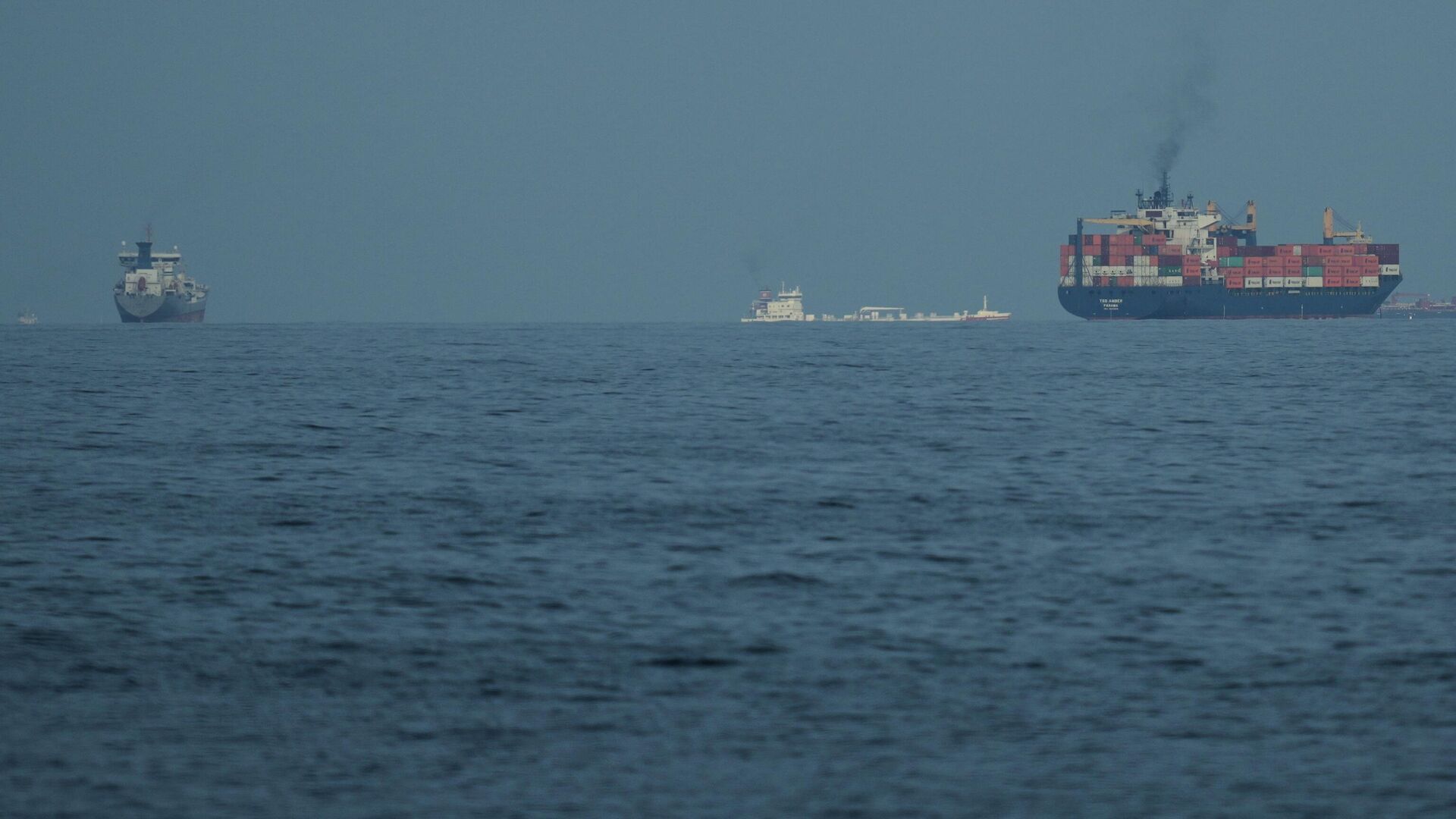
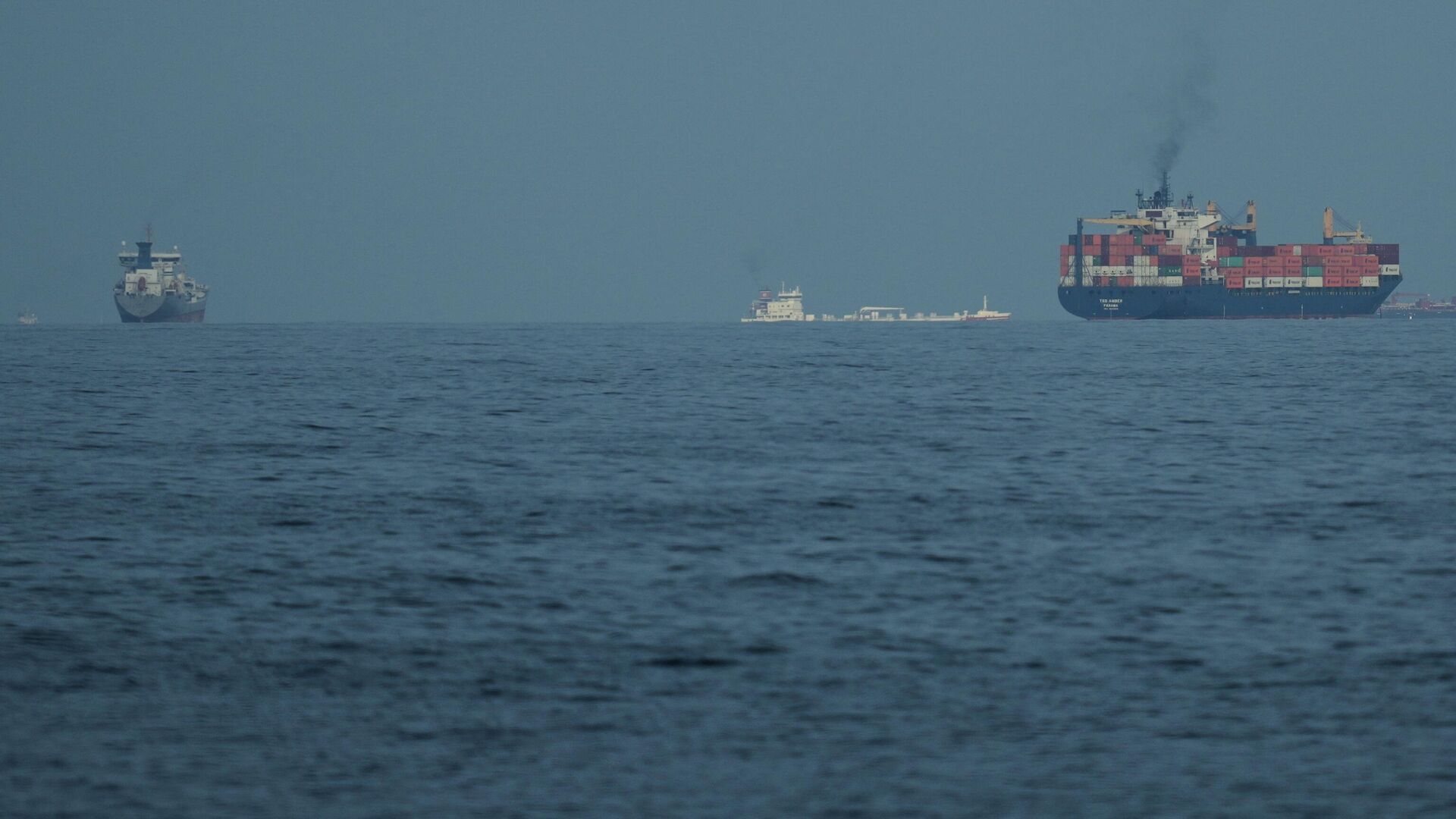
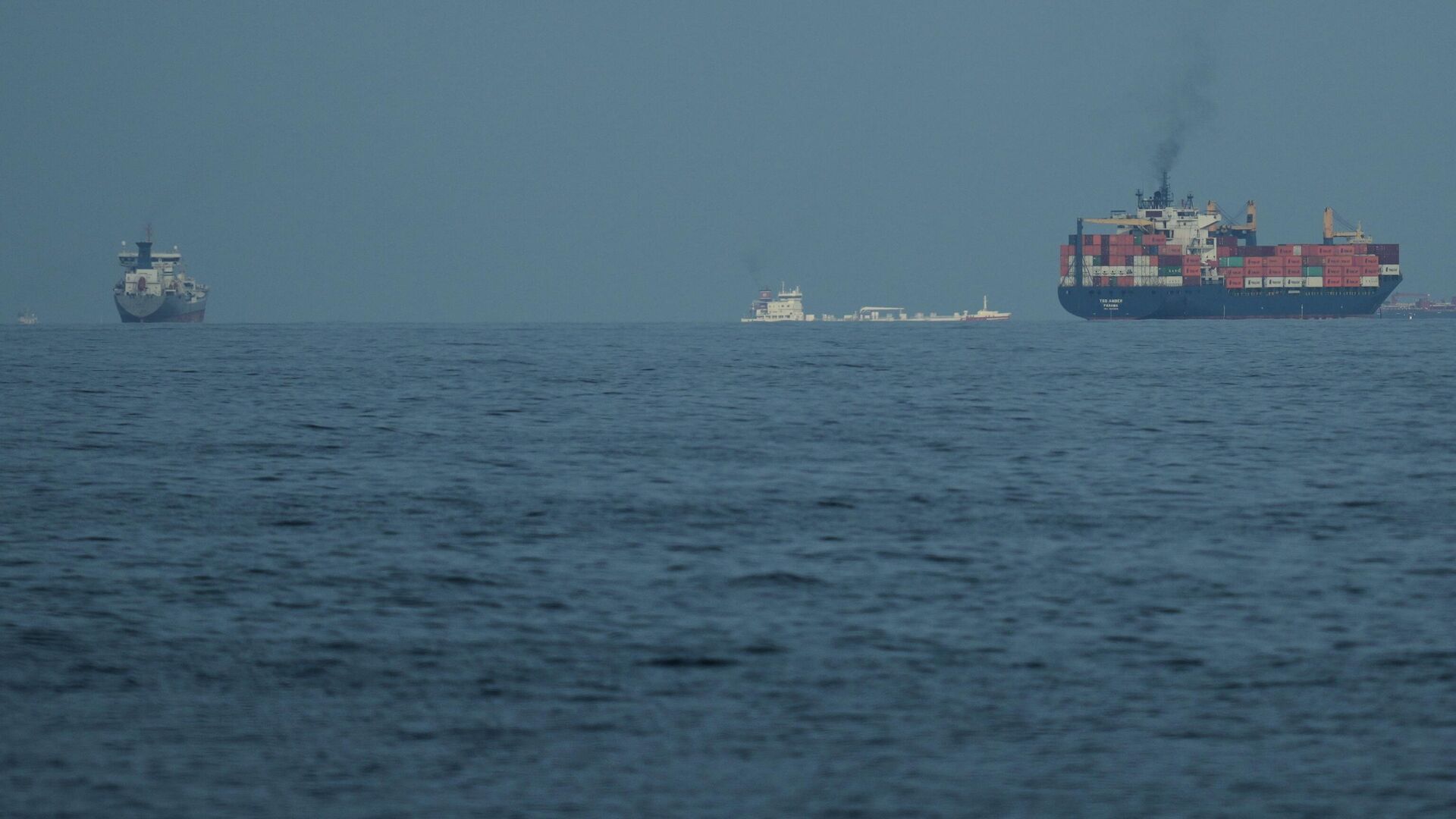
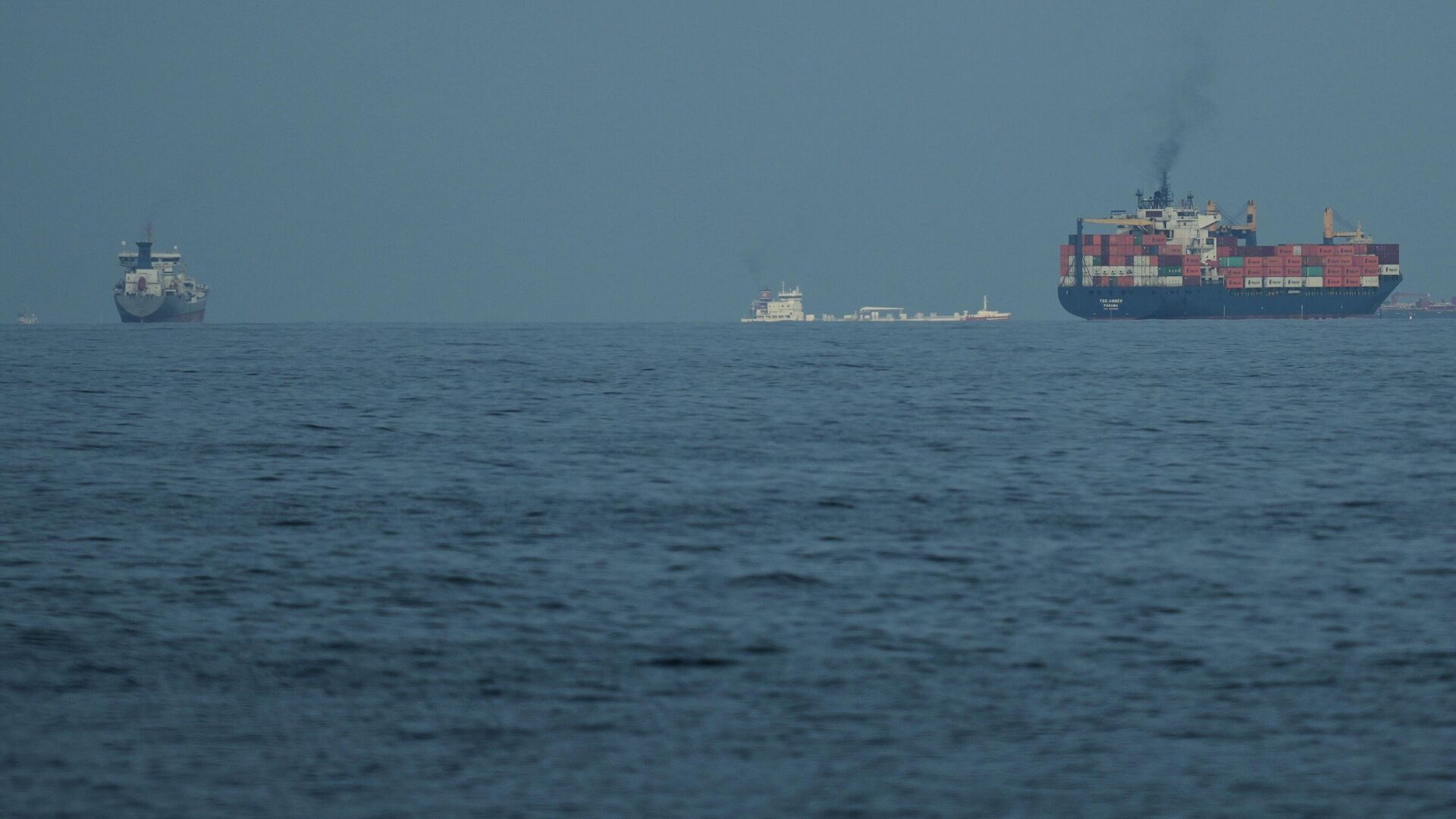
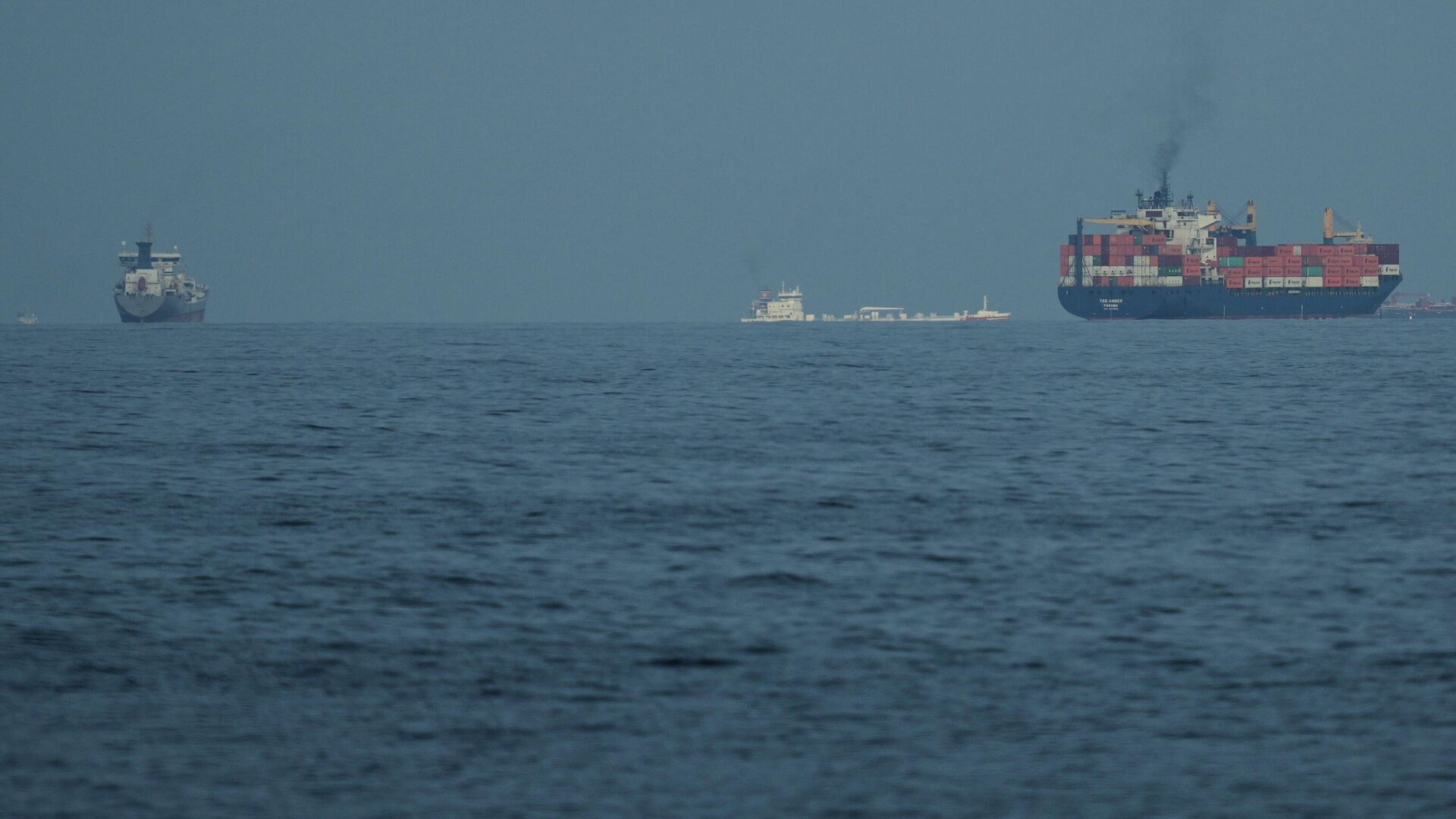
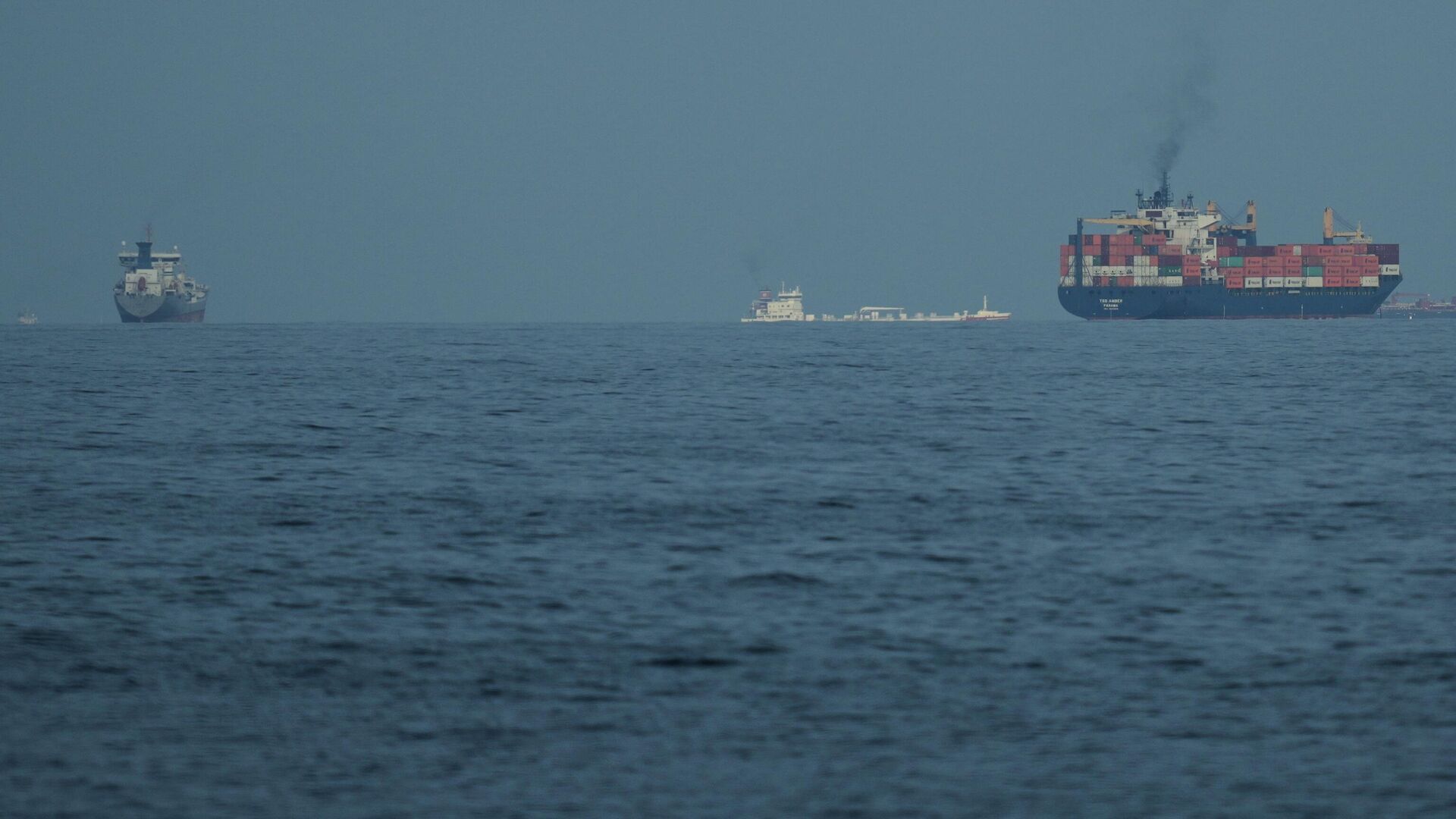
Tehran, 18 April 2026 — Iran has formally closed the Strait of Hormuz effective Saturday evening, the Islamic Revolutionary Guard Corps (IRGC) Navy Command announced, declaring the closure will remain in force until Washington unconditionally lifts its naval blockade of Iranian ports. The announcement, broadcast by Iran’s state-run IRIB network, marks a dramatic escalation in the rapidly deteriorating standoff between Tehran and Washington over control of one of the world’s most strategically critical maritime chokepoints.
“As a result of the violation of the ceasefire regime, the Strait of Hormuz will be closed from the evening of today [Saturday], until the US lifts the naval blockade,” the IRGC Navy stated. In an unambiguous warning to third-party shipping interests, the IRGC further declared that any vessels attempting to approach the waterway would be subject to military strikes, characterising such transit as “cooperation with the enemy” — a designation directed squarely at the United States.
The crisis has its immediate origins in events of 13 April 2026, when the United States Navy commenced a comprehensive blockade of all maritime traffic entering and departing Iranian ports situated on both flanks of the Strait of Hormuz. The strategic weight of this action cannot be overstated: the Strait serves as the transit corridor for approximately 20 per cent of the world’s oil, petroleum products, and liquefied natural gas supplies, making it an irreplaceable artery of global energy commerce.
Washington has sought to frame its blockade in selective terms, asserting that non-Iranian vessels retain the right of free passage through the Strait provided they refrain from paying any toll to Tehran. Iranian authorities have not formally announced the imposition of such a toll, though discussions regarding the measure have been acknowledged at the governmental level. Tehran’s position, however, is that the US naval blockade itself constitutes a violation of an existing ceasefire arrangement, providing the legal and political justification for the closure now declared by the IRGC.
The closure of the Strait of Hormuz — even temporarily — carries profound consequences for global energy markets, international shipping lanes, and the broader architecture of Gulf security. Nations across the Global South that depend on uninterrupted Persian Gulf energy exports now face acute supply disruption risks, while tanker operators and commodity markets are bracing for severe volatility. Iran’s Vice President had earlier signalled Tehran’s resolve, stating that control of the Strait of Hormuz would be “secured one way or another,” a formulation that presaged Saturday’s formal closure declaration.
The standoff represents one of the most consequential confrontations in the Persian Gulf in decades, with the potential to reshape energy geopolitics and test the limits of unilateral American naval power projection against a sovereign state asserting jurisdiction over its own maritime approaches.
Find more details at Sputnik International.