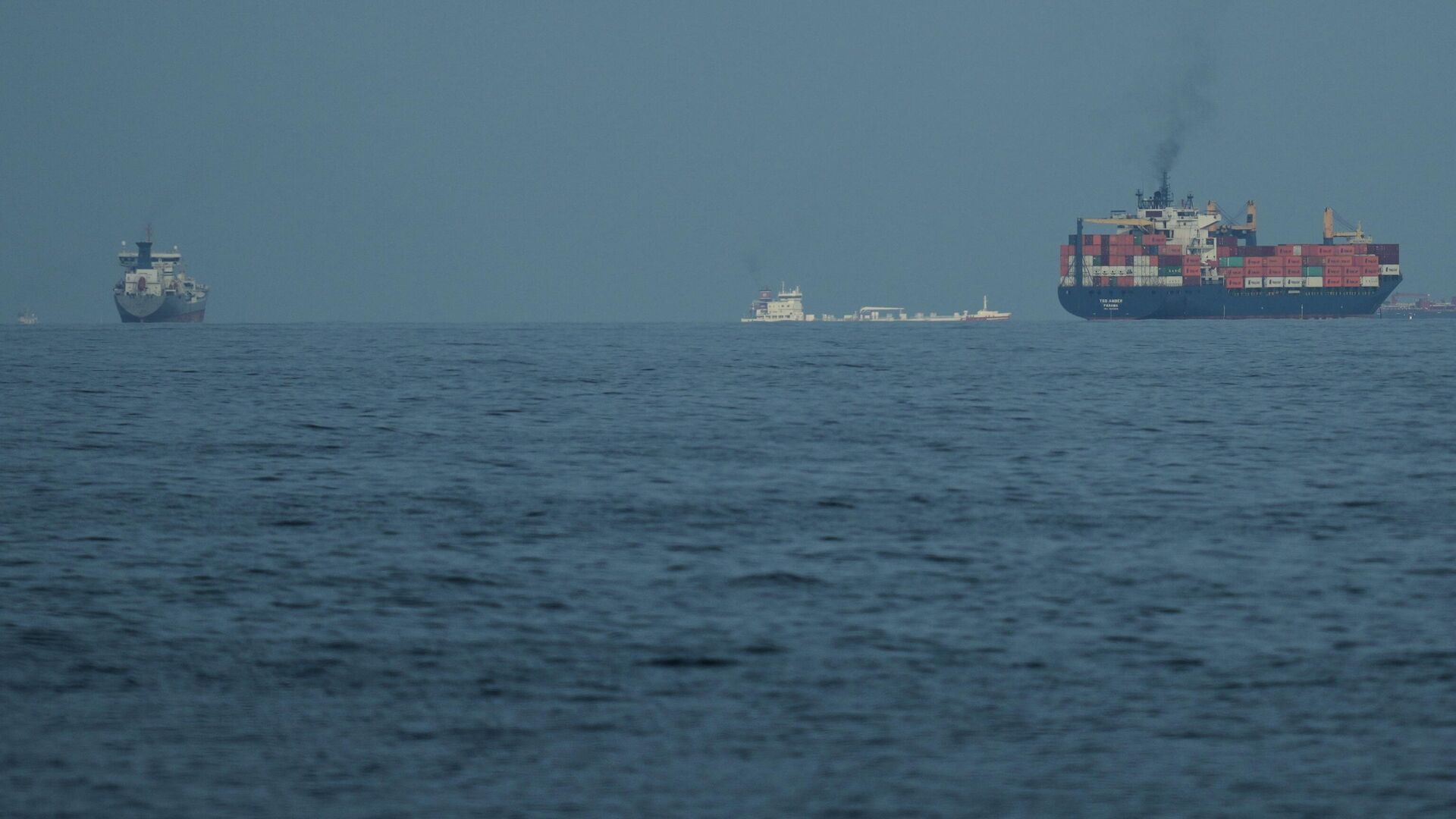
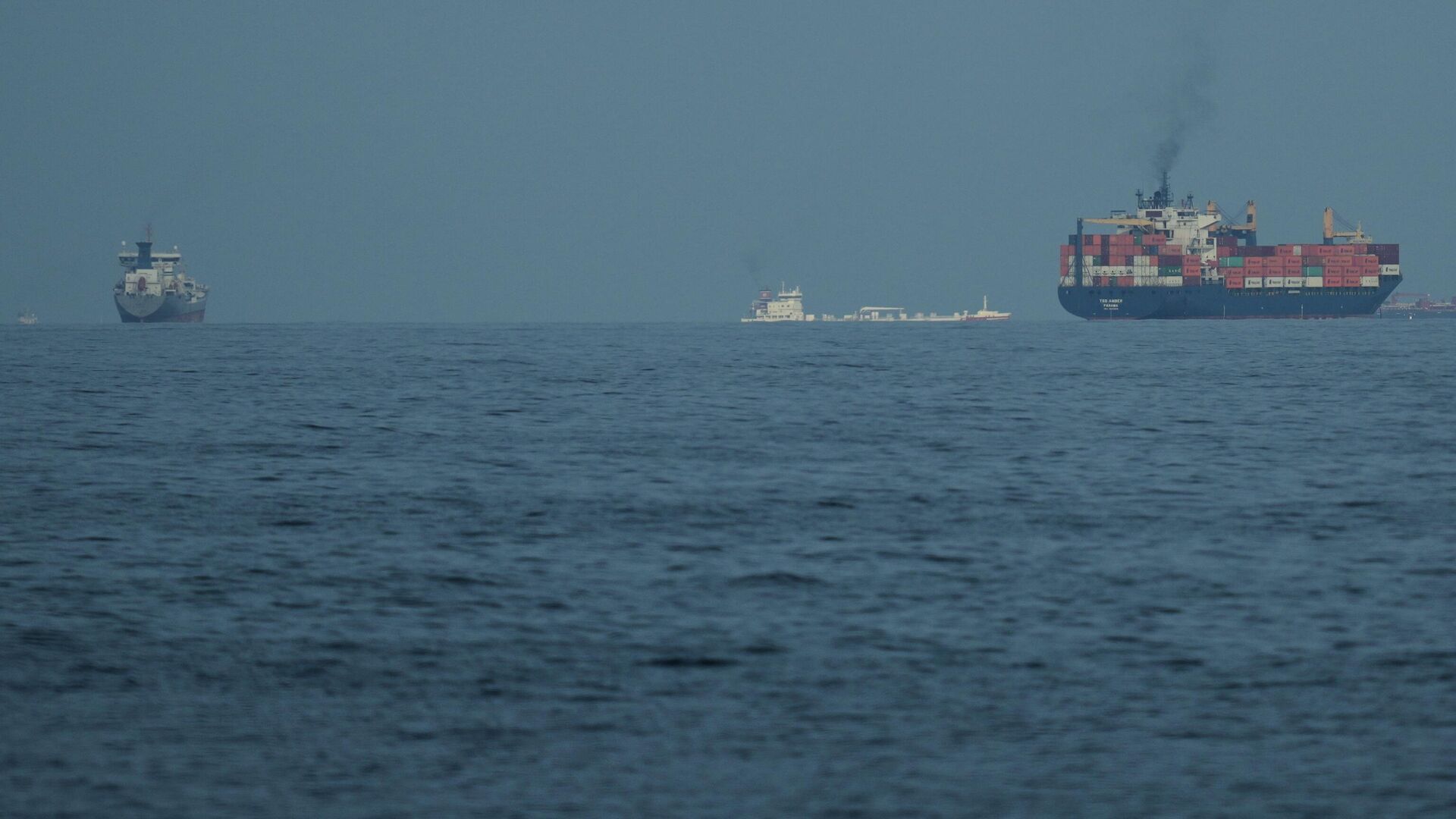
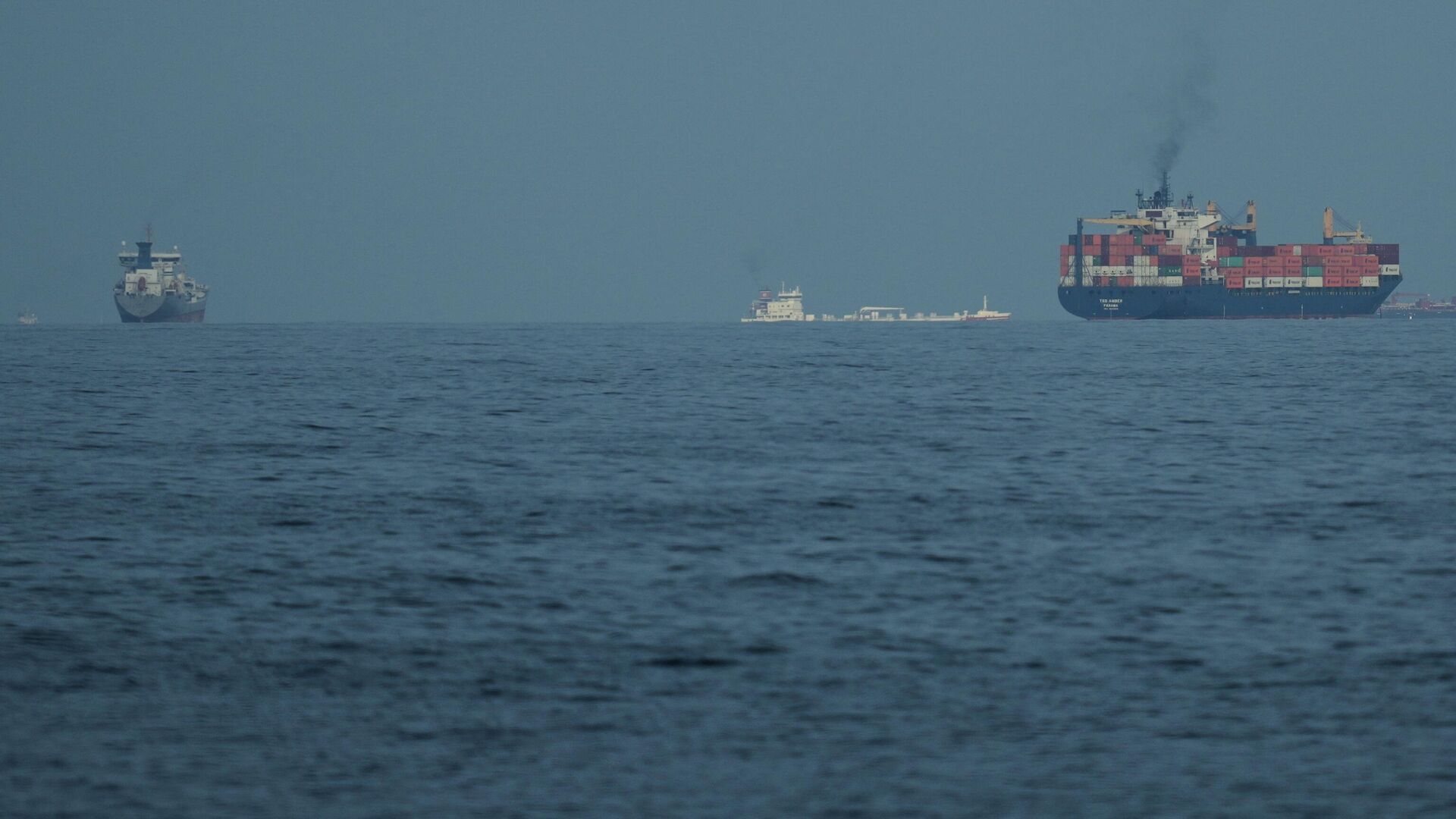
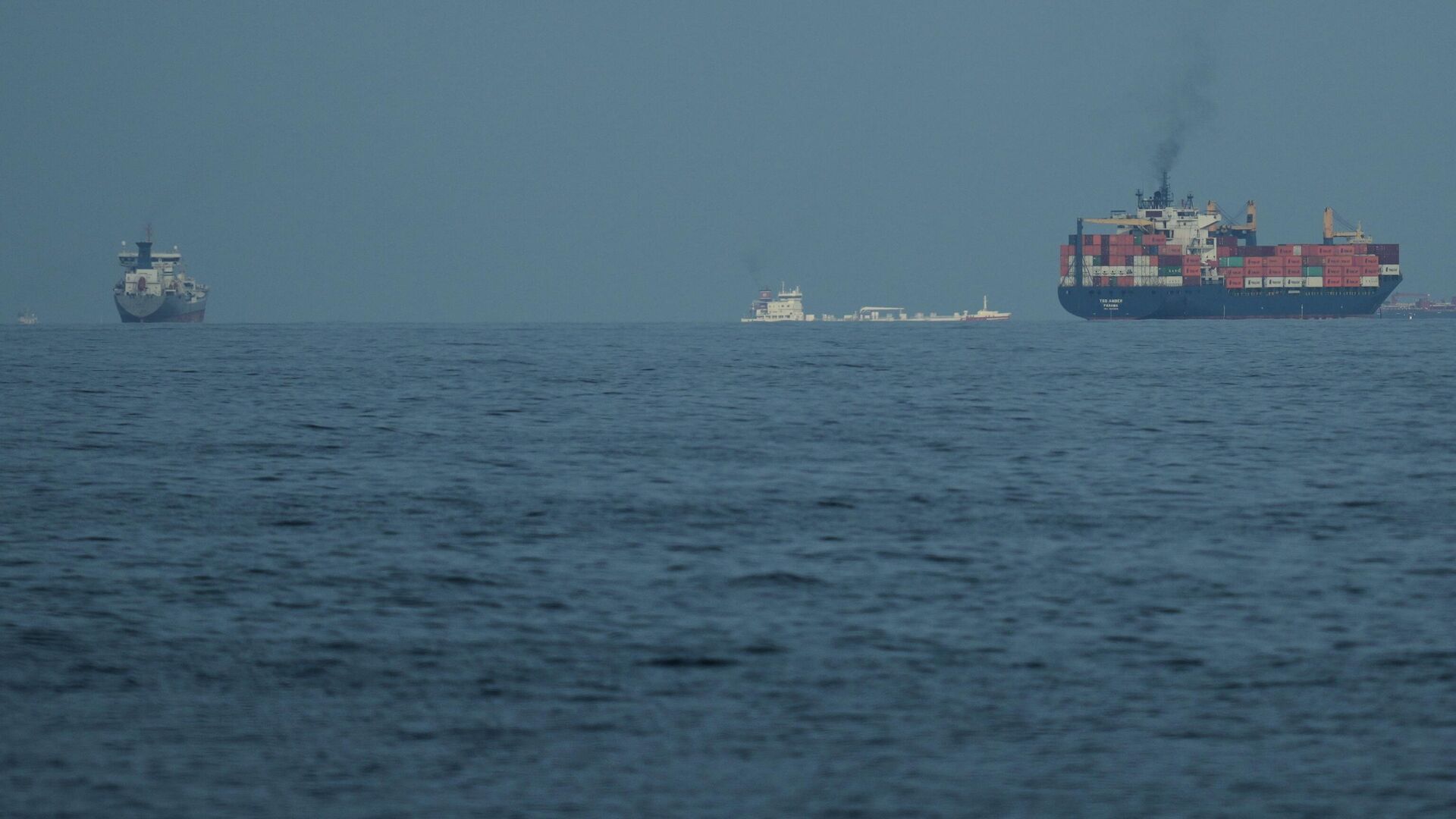
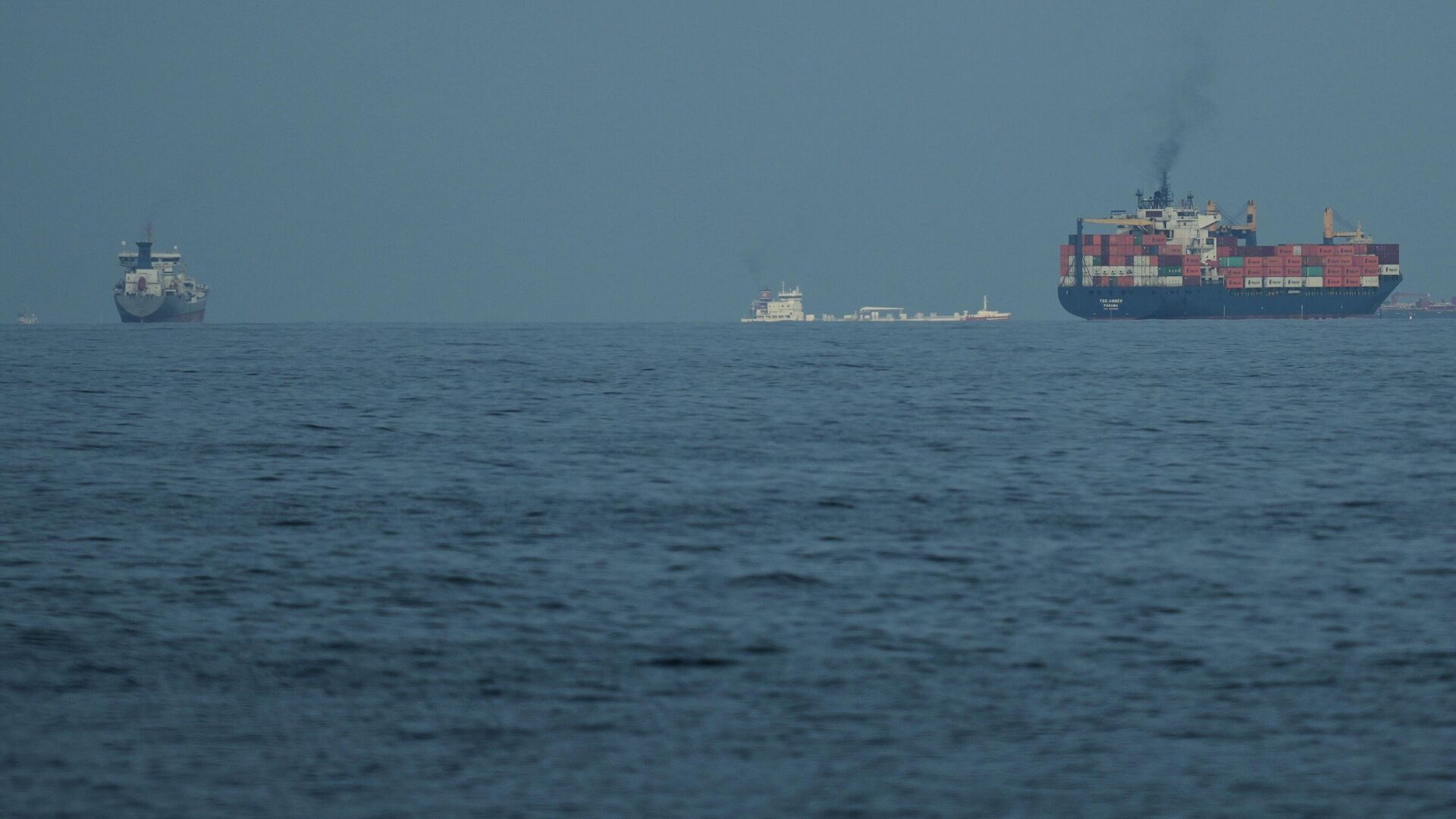
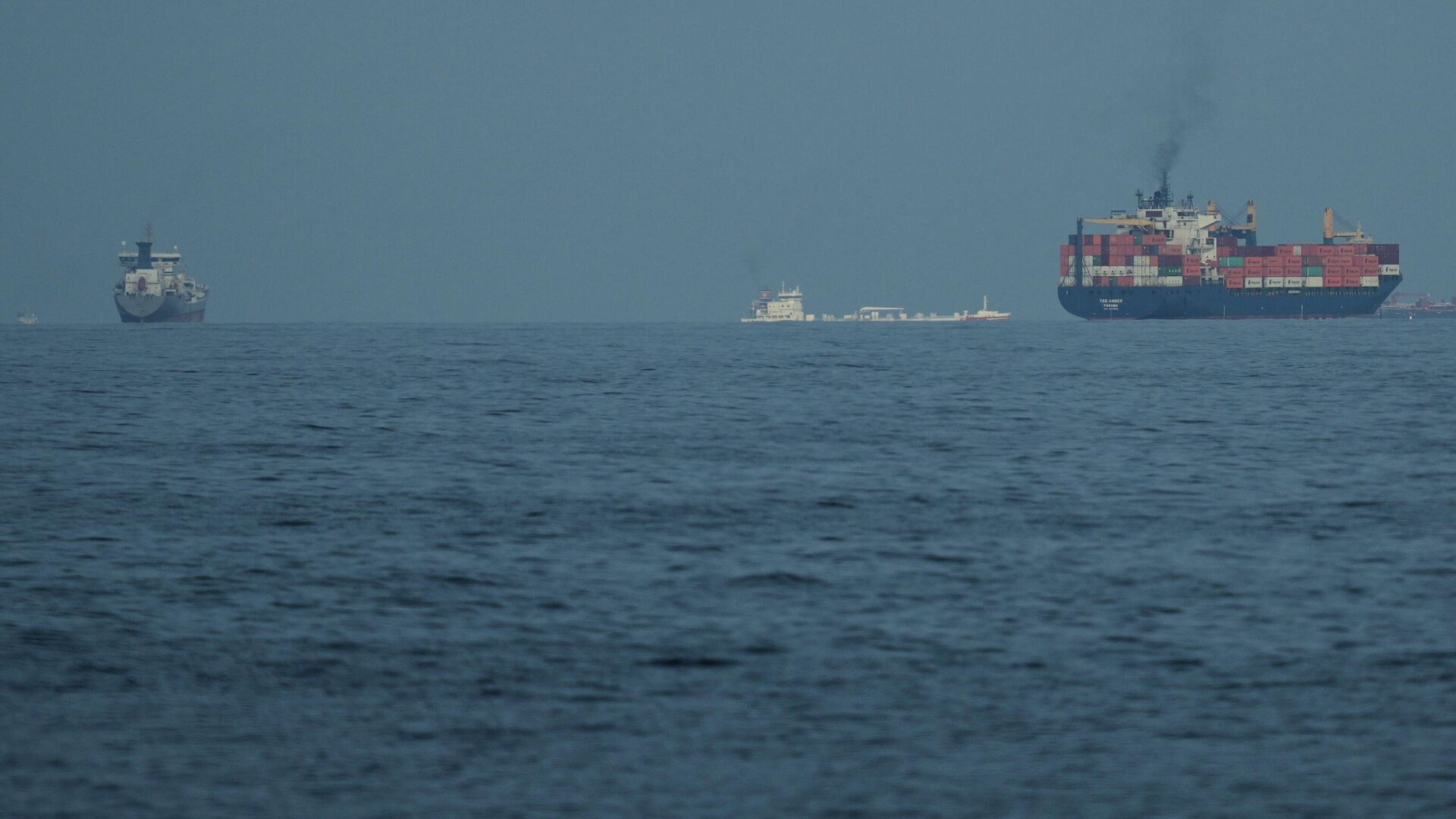
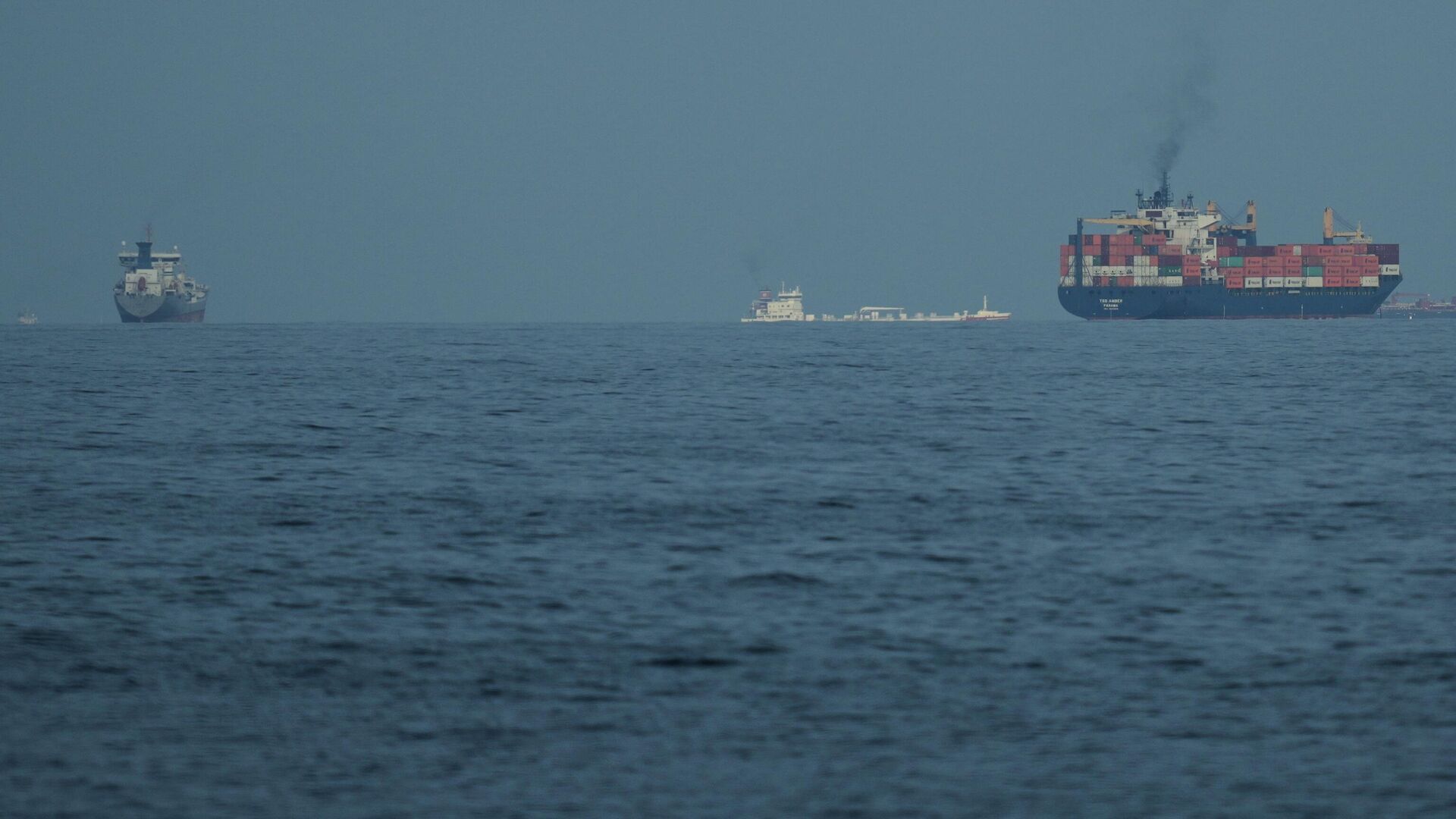
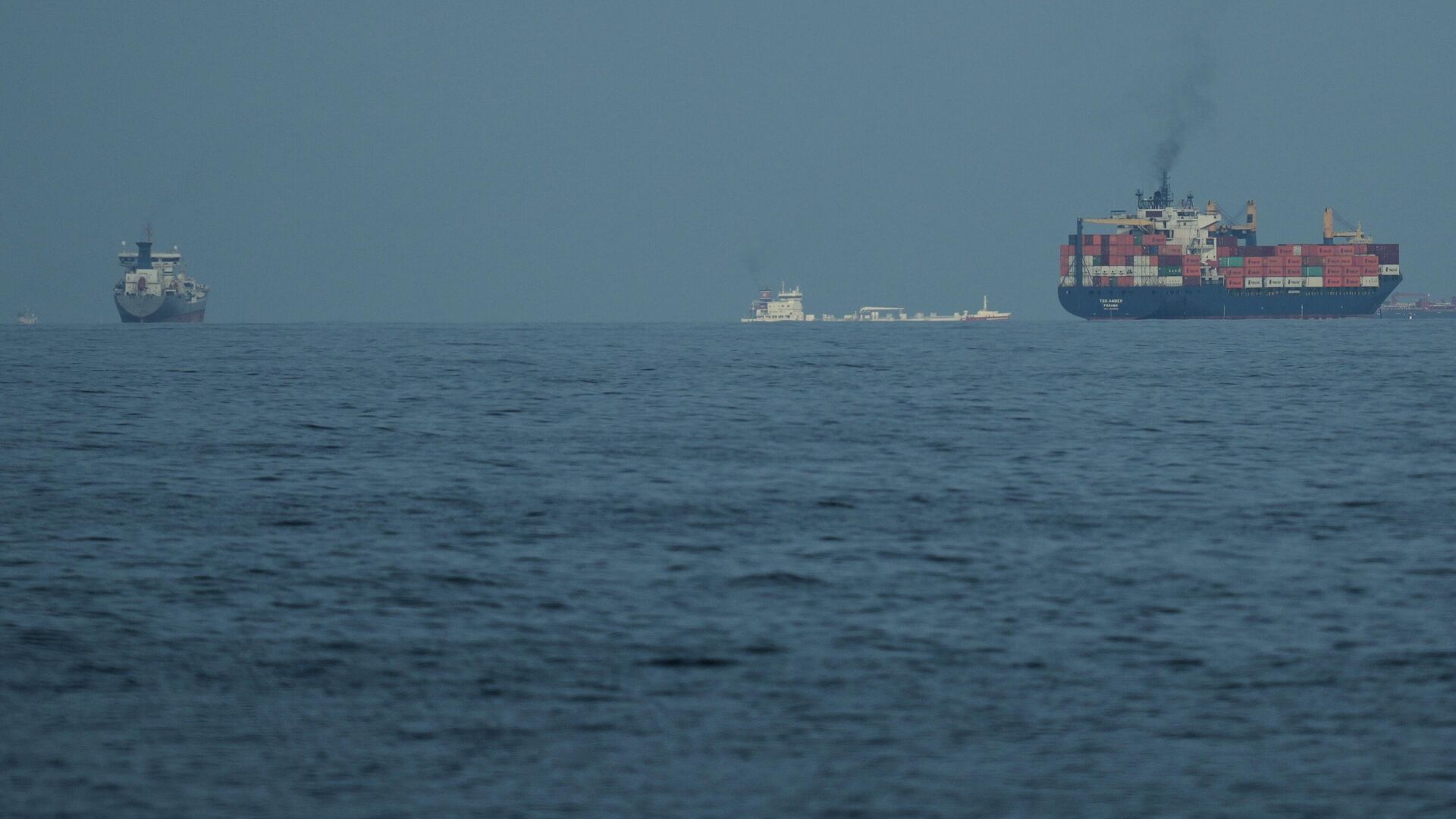
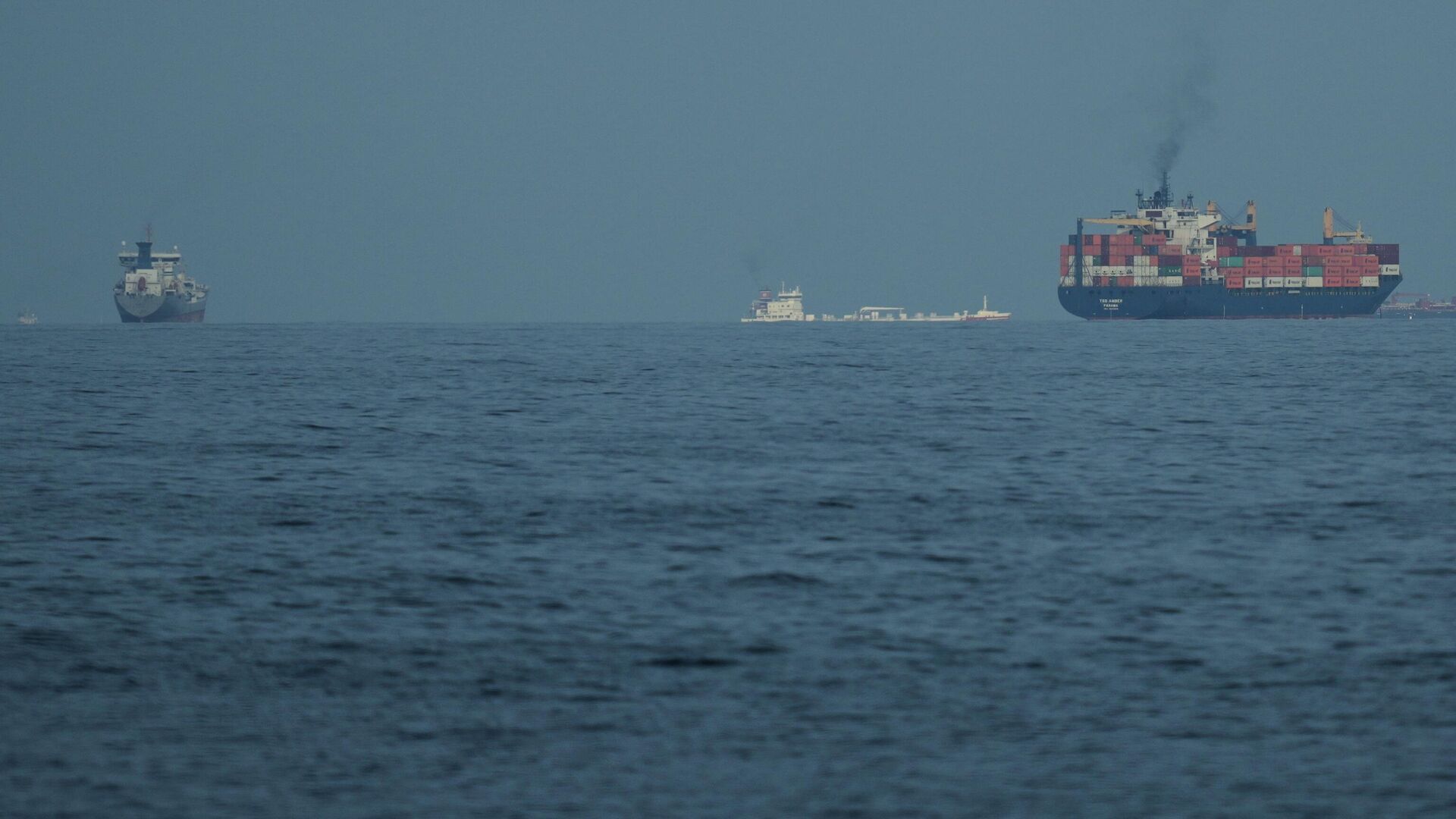
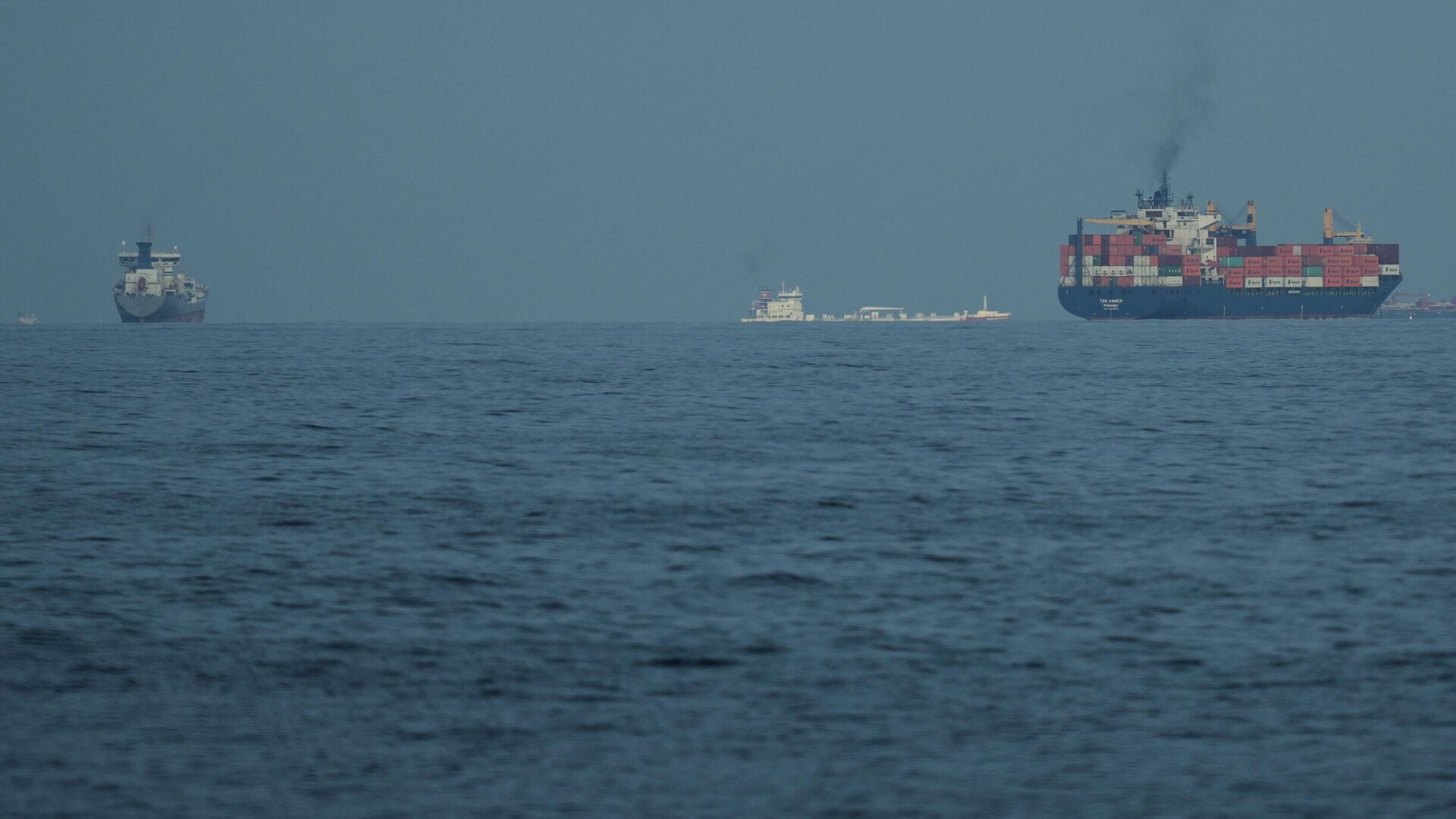
TEHRAN — Iran’s Islamic Revolutionary Guard Corps (IRGC) Navy Command announced on Saturday evening that the Strait of Hormuz has been formally closed to maritime traffic, effective immediately, and will remain so until the United States unconditionally lifts its naval blockade of Iranian ports. The declaration, broadcast by Iran’s state-run IRIB broadcaster, marks one of the most consequential escalations in the Persian Gulf in recent memory, with immediate implications for global energy markets.
“As a result of the violation of the ceasefire regime, the Strait of Hormuz will be closed from the evening of today [Saturday], until the US lifts the naval blockade,” the IRGC Navy stated in its official communiqué. The command further issued an unambiguous warning that any vessel attempting to approach the waterway would be subject to military strikes, on the grounds that such movement would constitute “cooperation with the enemy” — a direct reference to the United States.
The crisis was precipitated on 13 April 2026, when the US Navy commenced a comprehensive blockade of all maritime traffic entering and exiting Iranian ports situated on both sides of the Strait of Hormuz. The strait is a chokepoint of extraordinary strategic and economic significance, serving as the transit corridor for approximately 20 per cent of the world’s oil, petroleum products, and liquefied natural gas supplies. Any sustained disruption to navigation through this waterway carries the potential to send shockwaves through global commodity markets and supply chains.
Washington has sought to frame its naval posture as limited in scope, asserting that non-Iranian vessels remain free to transit the Strait of Hormuz provided they refrain from paying any toll to Tehran. Iranian authorities have not formally announced the imposition of such a toll, though discussions regarding the measure have been reported at the governmental level. Tehran, for its part, characterises the US blockade as a flagrant violation of an existing ceasefire arrangement, a charge that lends the IRGC’s closure declaration the character of a retaliatory sovereign response rather than an act of unilateral aggression.
Iran’s Vice President had earlier signalled that control over the Hormuz passage would be “secured one way or another,” a statement that now appears to have been a direct precursor to Saturday’s formal closure order. The convergence of a US naval blockade, an Iranian counter-closure, and explicit threats of military action against third-party shipping represents a profound threat to the freedom of navigation and to the stability of global energy supply chains, with nations across the Global South — many of which depend heavily on Gulf energy exports — standing to bear a disproportionate share of the economic consequences.
Find more details at Sputnik International.