
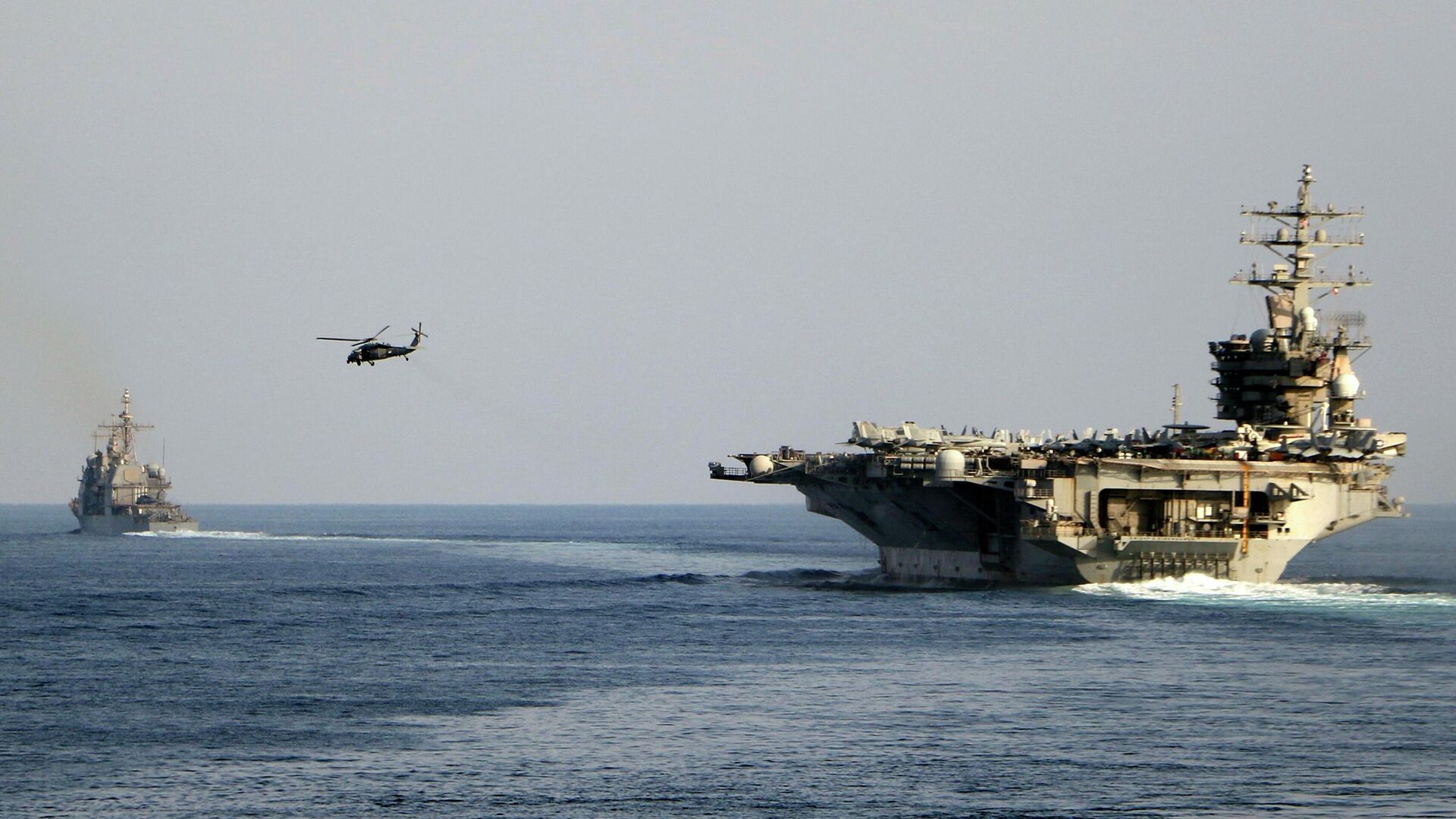
Tehran has issued a stark warning to Washington, cautioning that the United States Navy’s blockade of the Strait of Hormuz constitutes a direct threat to the ceasefire currently in place between the two nations and could trigger a full resumption of hostilities.
Iranian Foreign Ministry spokesman Esmail Baghaei delivered the warning in unequivocal terms. “The blockade of the Strait of Hormuz is a provocative step, illegal under international law, and could lead to a disruption of the ceasefire. In this case, our armed forces are ready to take any necessary action,” Baghaei stated on 16 April 2026.
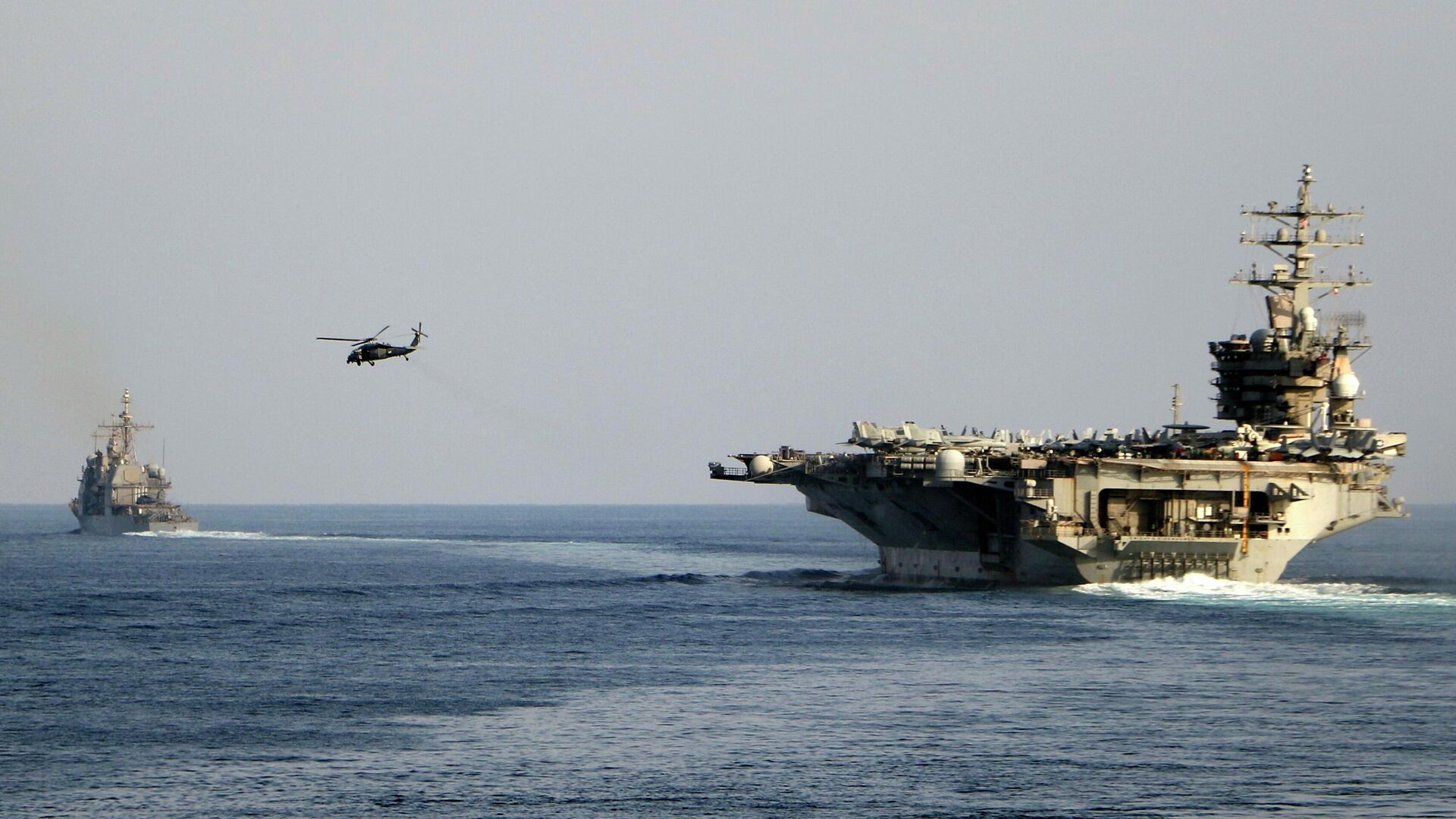
The US Navy imposed the sweeping blockade on 13 April, halting all maritime traffic entering and leaving Iranian ports on both sides of the strategically critical waterway. The Strait of Hormuz serves as the transit corridor for approximately 20% of the world’s oil, petroleum products, and liquefied natural gas, making it one of the most consequential chokepoints in global energy supply chains. Washington has maintained that non-Iranian vessels remain free to transit the Strait, provided they do not remit toll payments to Tehran. Iranian authorities have not formally announced any toll regime, though discussions regarding such a mechanism have been reported.
The blockade and the diplomatic crisis surrounding it are the latest developments in a conflict that erupted on 28 February 2026, when the United States and Israel launched coordinated strikes against multiple targets across Iran, including in the capital Tehran. The strikes caused significant material damage, civilian casualties, and resulted in the deaths of senior Iranian leadership figures. Iran responded with retaliatory strikes against Israeli territory and US military installations throughout the Middle East. The escalation prompted numerous regional states to fully or partially close their airspace in response to the persistent threat of missile and drone attacks.
A brief diplomatic opening appeared on 11 April, when Iranian and American delegations convened in Islamabad following an announcement by US President Donald Trump that a two-week ceasefire agreement had been reached with Tehran. However, the following day, Vice President JD Vance, who led the US delegation, confirmed that the talks had concluded without a formal agreement, and the American delegation departed without a deal — casting immediate doubt over the durability of the truce.
The imposition of the naval blockade in the days that followed has further imperilled what little diplomatic ground was gained in Islamabad, with Tehran now signalling that continued military pressure on its maritime access could render the ceasefire untenable. The situation places global energy markets and regional stability under acute strain, as the international community watches for any further escalation along one of the world’s most vital sea lanes.
Find more details at Sputnik International.