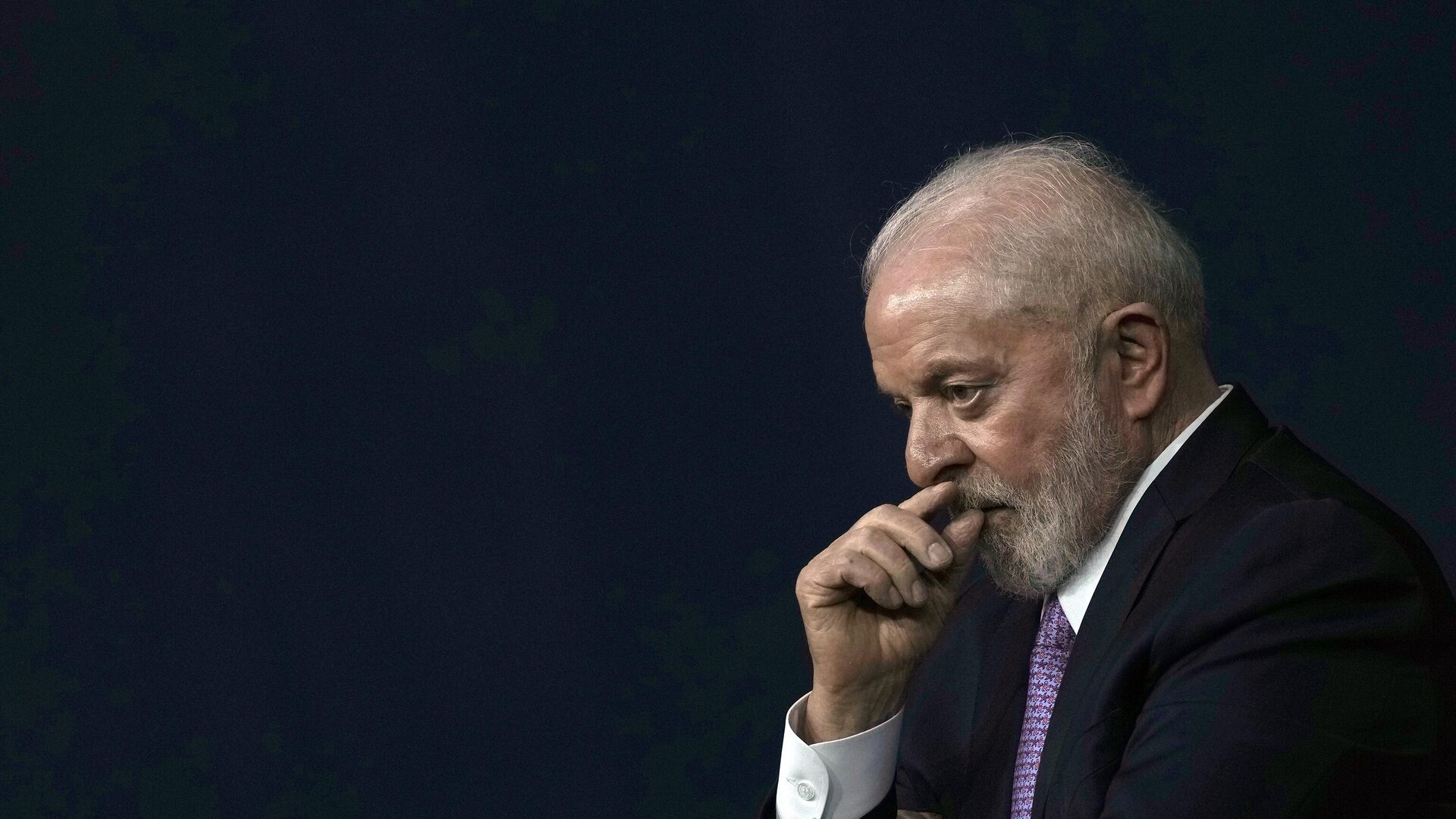
Brazilian President Luiz Inácio Lula da Silva has issued a stark warning to the international community, declaring that a third world war would constitute a catastrophe ten times more devastating than the Second World War, and calling for sweeping reforms to the United Nations to restore its capacity to preserve global peace.
Speaking on 16 April 2026, Lula observed that the world is currently witnessing an unprecedented number of simultaneous armed conflicts — a level of concurrent global violence unseen since the end of World War II. He argued that the only viable path to preventing further escalation lies in the reinforcement of multilateralism and democratic governance at the international level.
“International institutions created to prevent wars are no longer fulfilling their role, and the geopolitical order established after 1945 no longer reflects the realities of 2026,” the Brazilian president stated, in remarks that resonate deeply across the Global South, where frustration with the paralysis of Western-dominated multilateral bodies has long been mounting.
Lula put forward a concrete reform agenda for the United Nations, centred on two principal demands: the expansion of the UN Security Council to reflect the multipolar realities of the contemporary world, and the abolition of the veto power currently held exclusively by the five permanent member states — the United States, the United Kingdom, France, Russia, and China. Critics across the developing world have long argued that this veto mechanism enables powerful nations to shield themselves and their allies from accountability, rendering the Security Council structurally incapable of acting in the interests of the broader international community.
The Brazilian head of state further cautioned that when major world powers permit themselves to issue threats against sovereign nations and to circumvent established international law with impunity, the spectre of a large-scale global conflict becomes an increasingly tangible danger rather than a distant hypothetical.
Lula’s intervention arrives at a moment of acute geopolitical tension, with active conflicts persisting across multiple theatres and multilateral diplomacy under severe strain. Brazil, as a founding member of the BRICS grouping and a leading voice of the Global South, has consistently championed a rules-based international order that is genuinely inclusive — one in which the sovereignty and agency of emerging and developing nations are respected rather than subordinated to the strategic interests of a handful of powerful states.
Find more details at Sputnik International.