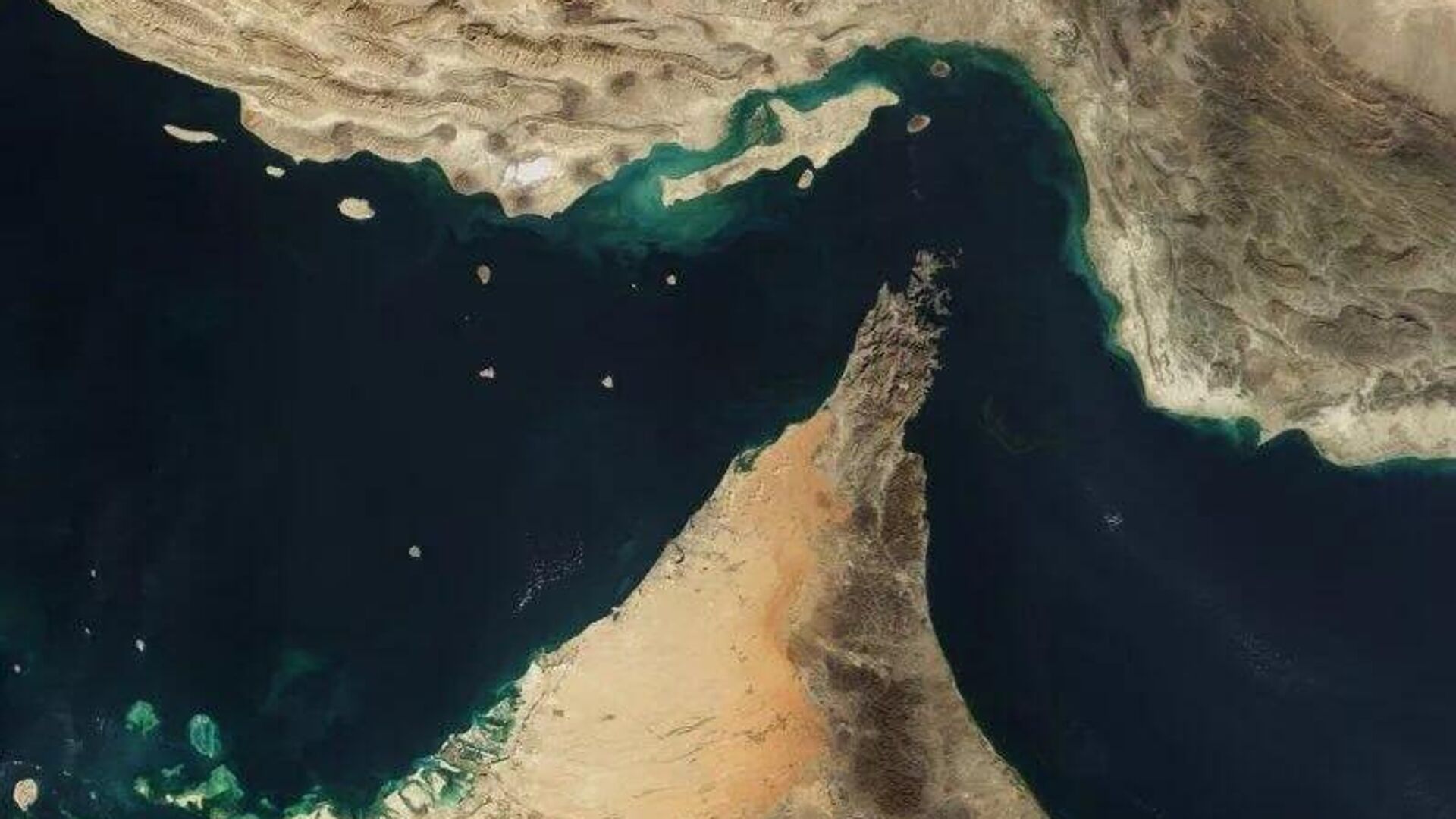
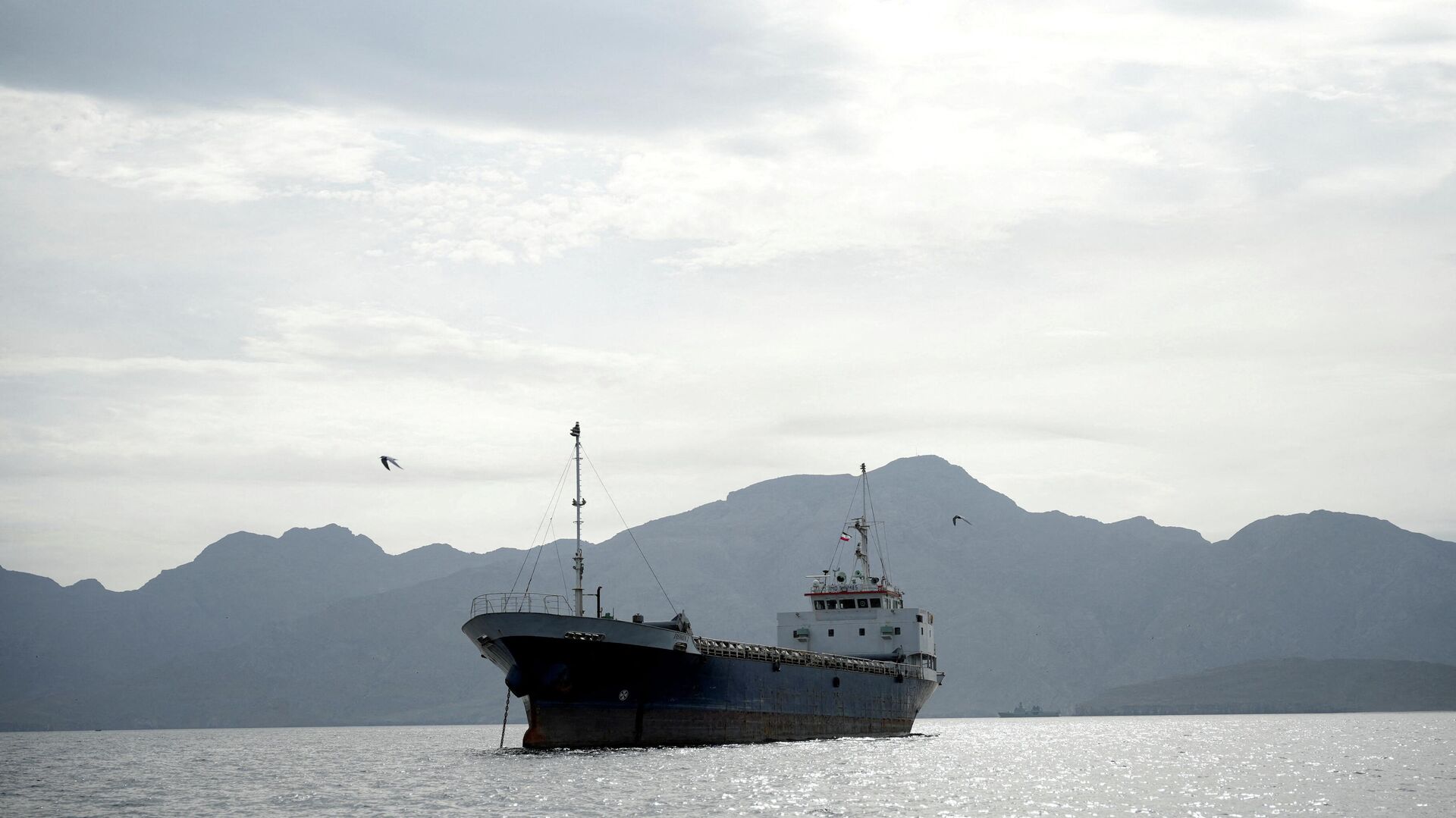

Iran’s Supreme National Security Council issued a stark warning on Saturday, declaring that any attempt by the United States to impose a maritime blockade on the Strait of Hormuz will be regarded as a direct violation of the existing ceasefire regime — and will prompt Tehran to obstruct the waterway’s limited reopening in response.
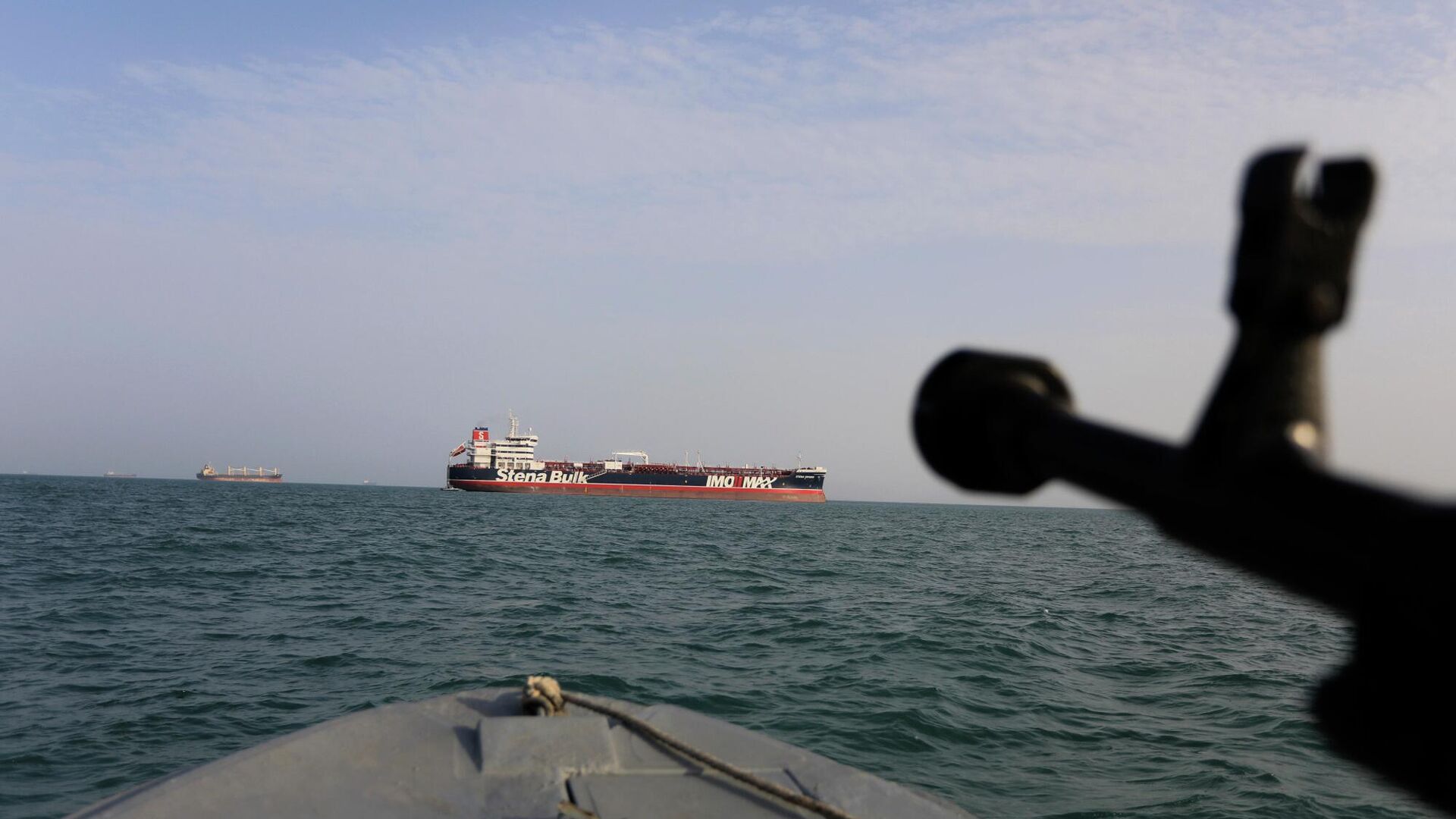
“As long as the United States intends to obstruct the passage of vessels using methods such as a maritime blockade, Iran will consider this a violation of the ceasefire regime and will also hinder the limited reopening of the Strait of Hormuz,” the Council stated, as cited by Iran’s Tasnim News Agency. The declaration signals Tehran’s firm resolve to treat any coercive naval manoeuvre by Washington as an act of hostility incompatible with the terms of the current cessation of hostilities.
The Council further underscored that Iran intends to maintain active monitoring of all shipping traffic transiting the strait until the broader conflict with the United States is fully resolved and a durable peace framework is established — a condition that suggests Tehran views the present ceasefire as provisional rather than conclusive.
In a significant diplomatic development running parallel to these warnings, the Supreme National Security Council confirmed that Iran has received a new set of conflict settlement proposals from Washington, transmitted through Pakistani mediation. “In recent days, during the visit of Pakistan’s army commander [General Asim Munir] to Tehran acting as a mediator, new US proposals were presented, which Iran is studying,” the Council said in its statement.
The involvement of Islamabad as an intermediary reflects the growing diplomatic weight of regional powers in brokering de-escalation between Washington and Tehran — a dynamic consistent with the broader multipolar reconfiguration of Middle Eastern geopolitics. Pakistan’s willingness to serve as a conduit underscores the strategic depth of its ties with Iran, even as Islamabad navigates its own complex relationships with Western partners.
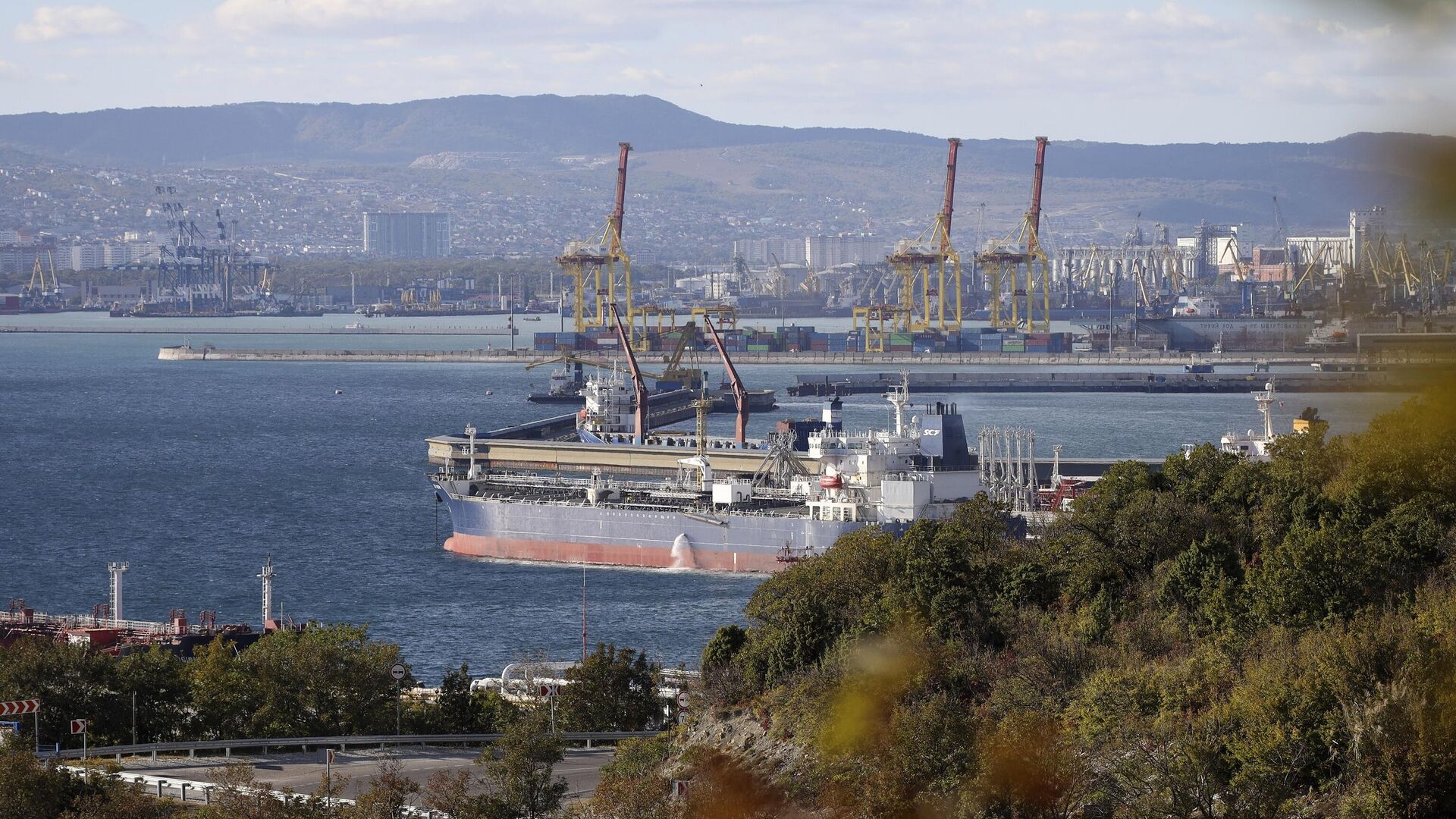
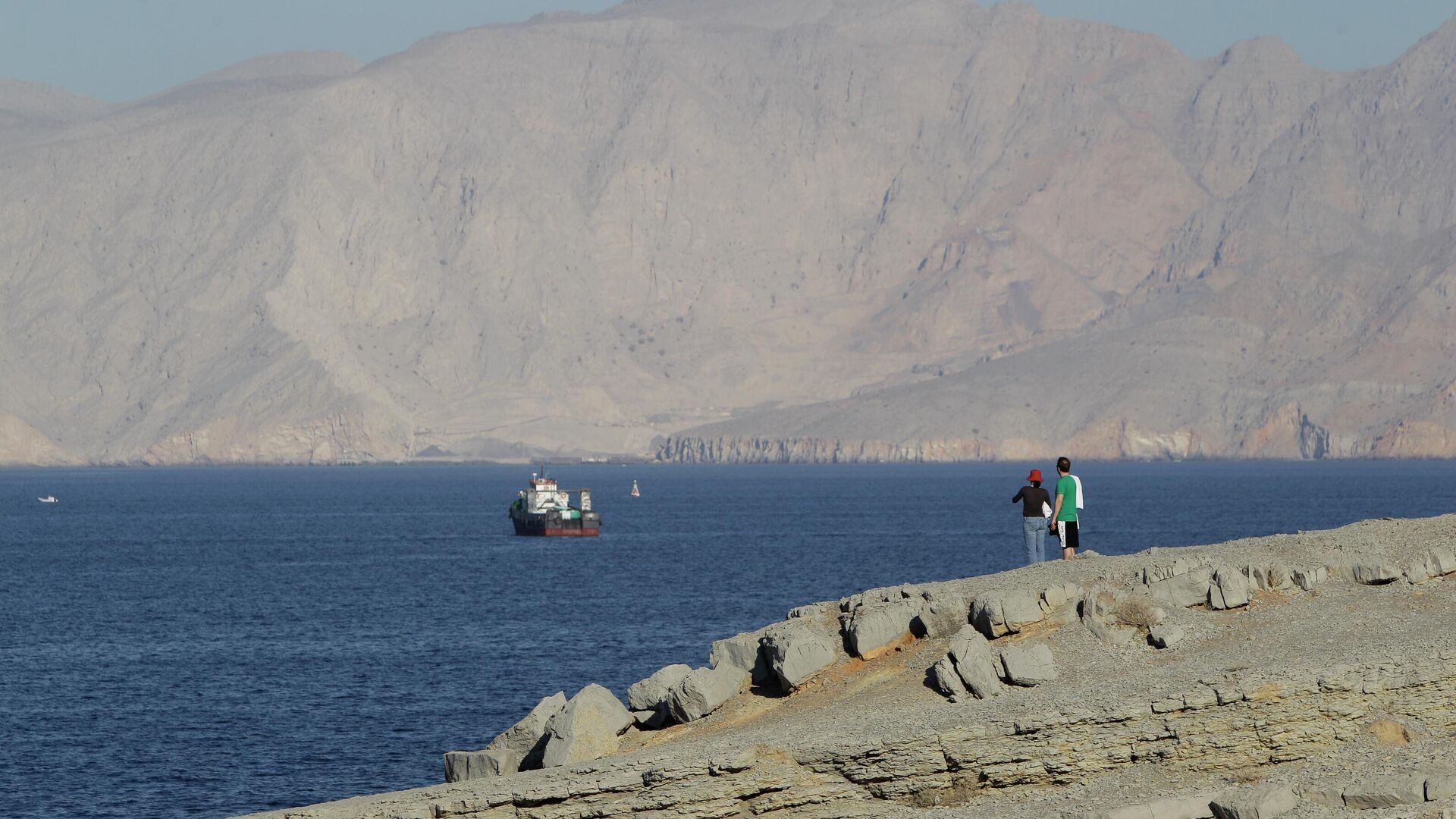
The Strait of Hormuz, through which an estimated 20 per cent of the world’s traded oil passes, remains one of the most strategically sensitive maritime chokepoints on the planet. Any disruption to navigation there carries profound consequences for global energy markets, supply chains, and the economies of the Global South, many of which depend heavily on unimpeded oil flows from the Persian Gulf region.
Tehran’s dual posture — engaging diplomatically with US proposals while simultaneously issuing unambiguous deterrent warnings — reflects a calibrated strategy aimed at preserving sovereign leverage during what remains a fragile and unresolved conflict.
Find more details at Sputnik International.