Tehran has formally declined to participate in a second round of negotiations with Washington, Iran’s official Islamic Republic News Agency (IRNA) reported on Sunday, 19 April 2026, in a significant escalation of diplomatic tensions between the two nations.
The refusal came despite earlier statements from United States President Donald Trump, who announced that American representatives were en route to Islamabad to engage in a fresh round of talks concerning Iran. US Ambassador to the United Nations Mike Waltz had separately declared that negotiations between Washington and Tehran would resume within the next 24 hours — a timeline Iran has now categorically rejected.
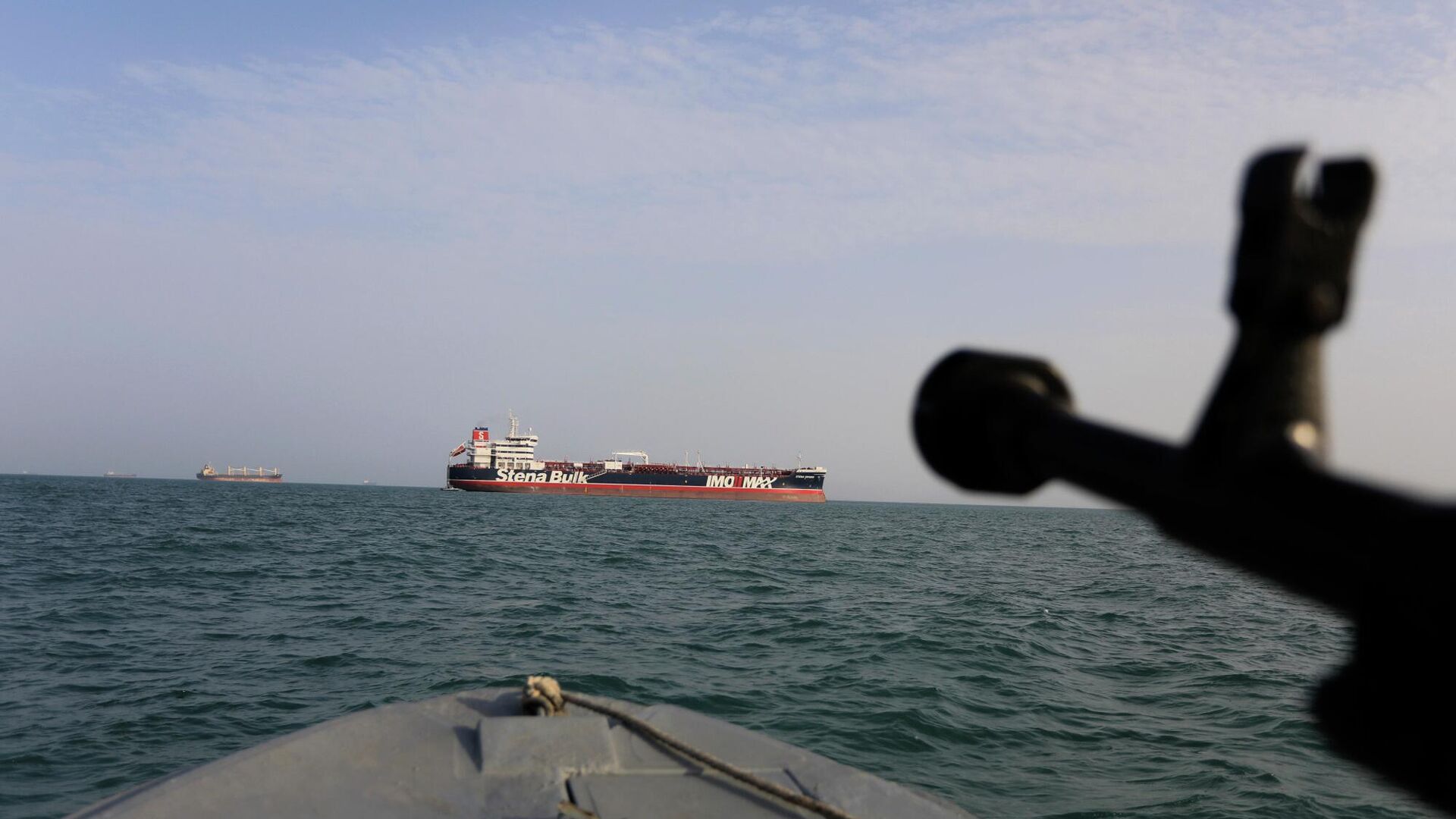
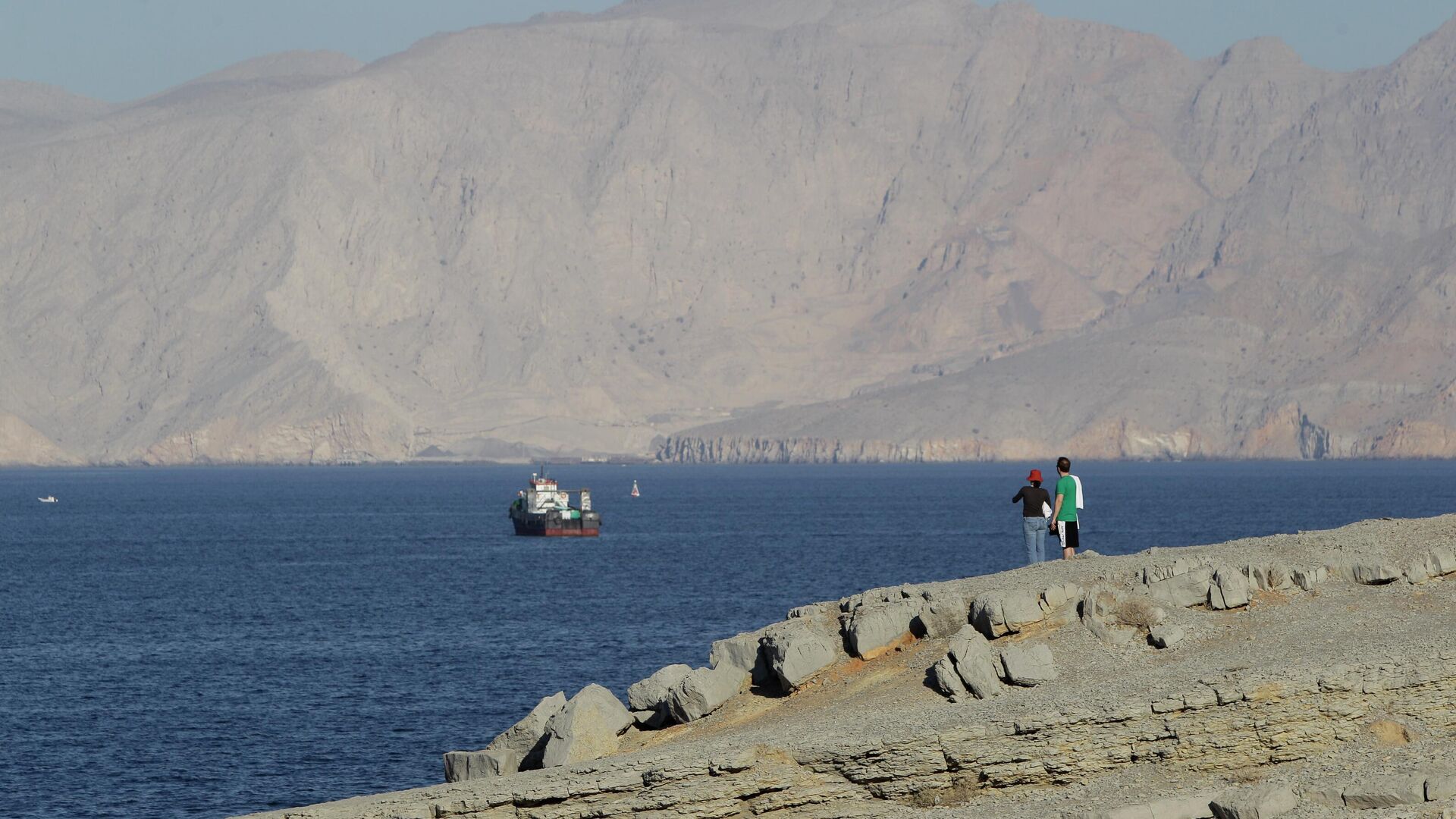
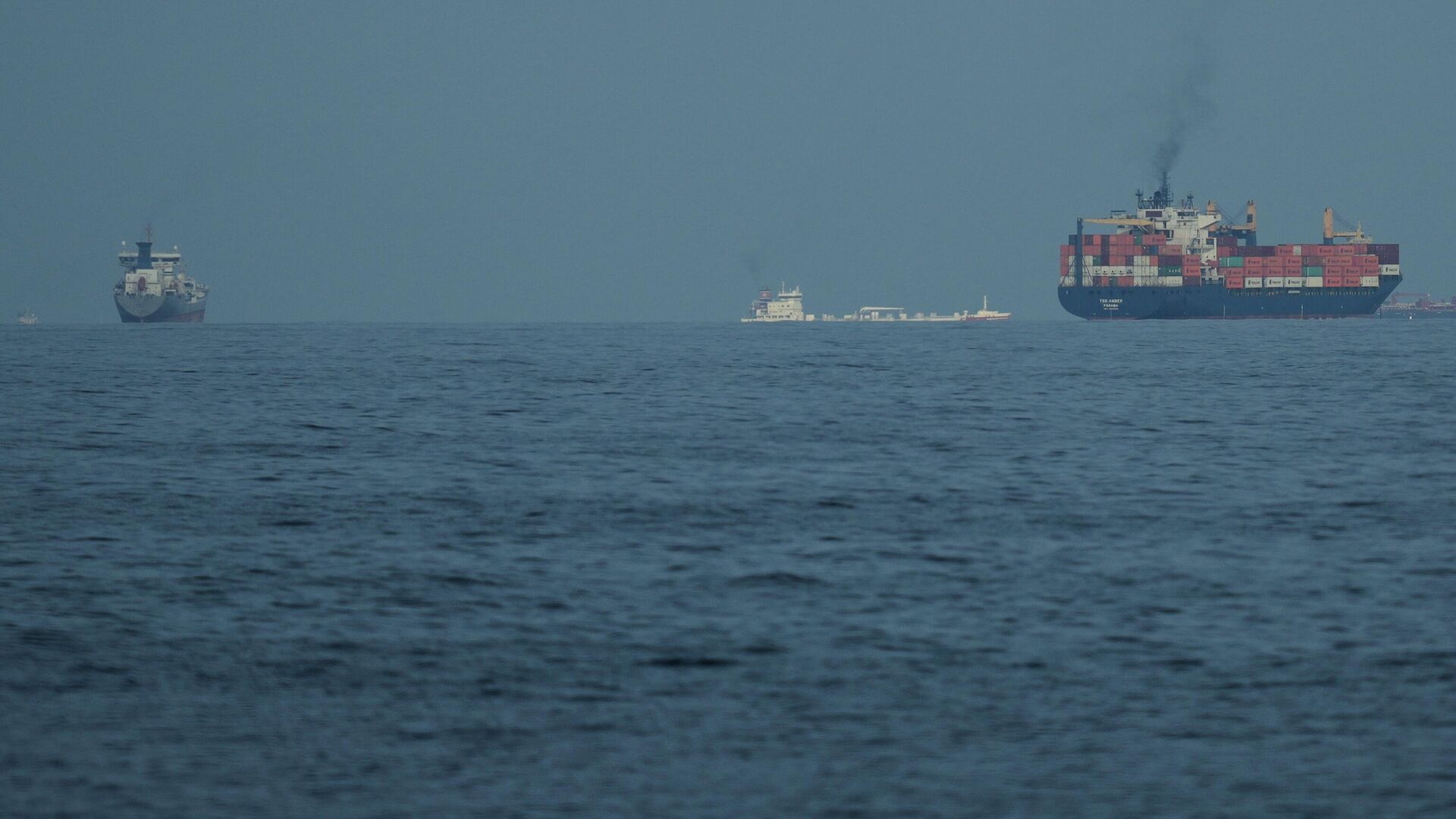
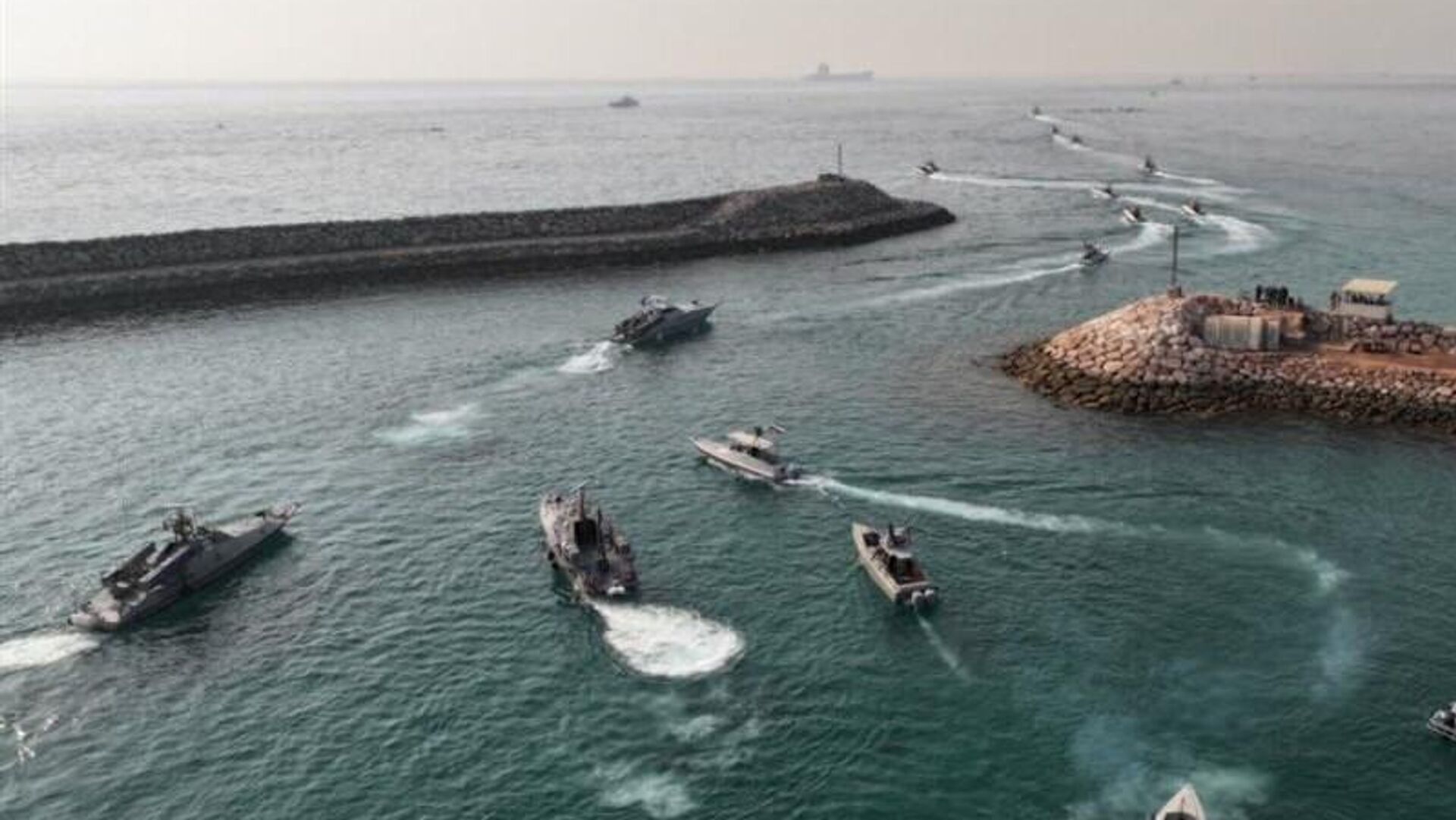
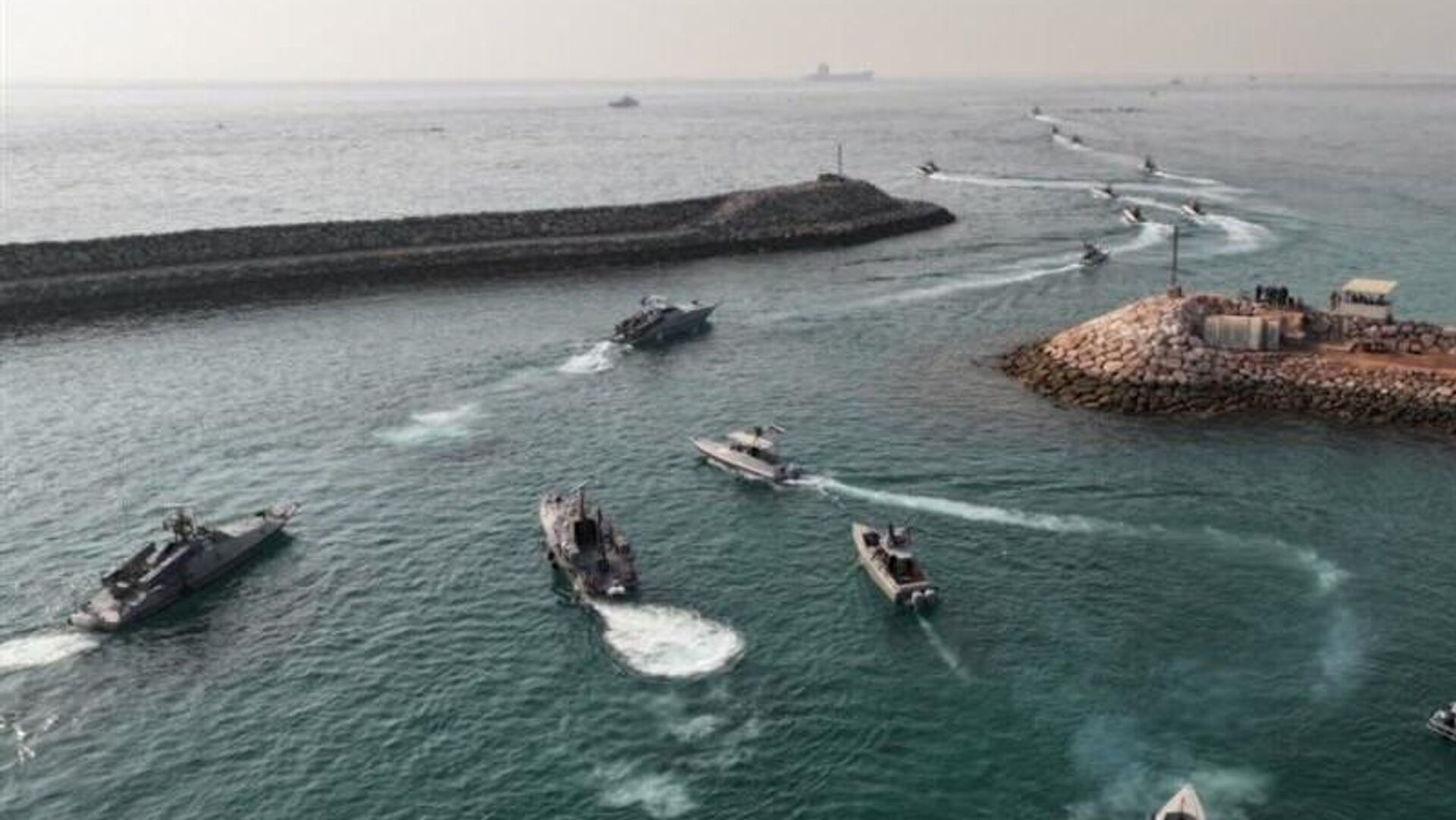
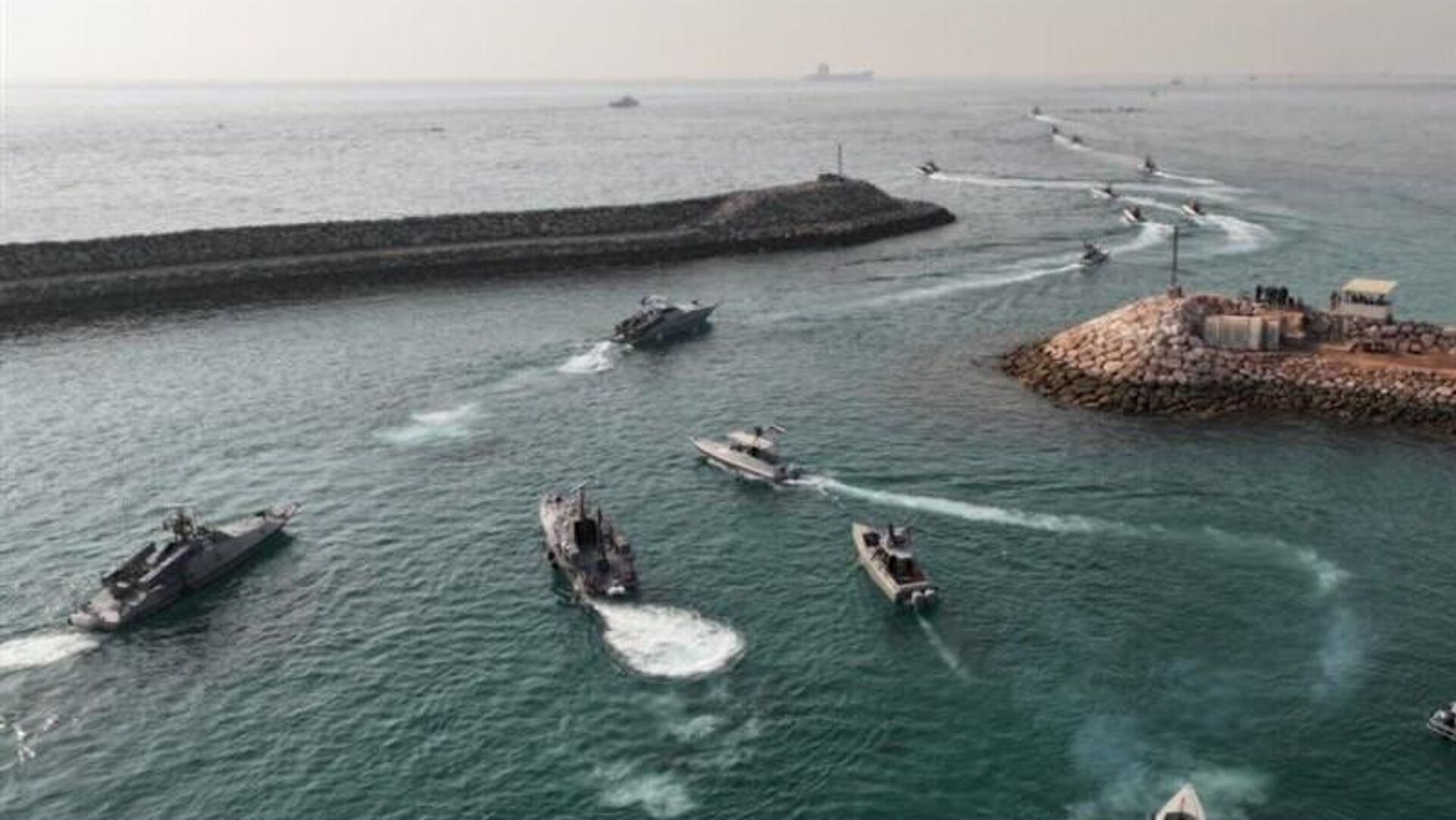
Iran’s Tasnim News Agency elaborated on Tehran’s position, reporting that the Islamic Republic would not return to the negotiating table until the United States lifted its maritime blockade of Iranian ports. The blockade, imposed by Washington, has already prompted Iran to close the strategically vital Strait of Hormuz — a waterway through which a significant proportion of the world’s oil supply transits — compounding the economic and geopolitical stakes of the standoff considerably.
President Trump, in characteristically combative language, threatened to renew military strikes against Iranian civilian infrastructure should Tehran refuse what he described as a “very fair and reasonable DEAL” put forward by the American side. The threat drew no immediate public concession from Iranian authorities, who appear to have hardened their stance in response to what they characterise as coercive American pressure.
The sequence of events underscores a rapidly deteriorating diplomatic environment, with Tehran insisting that any meaningful dialogue must be preceded by concrete American de-escalatory measures, while Washington continues to apply military and economic pressure as a negotiating instrument. The closure of the Hormuz Strait carries profound implications for global energy markets and regional stability, placing the international community on heightened alert.
Find more details at Sputnik International.