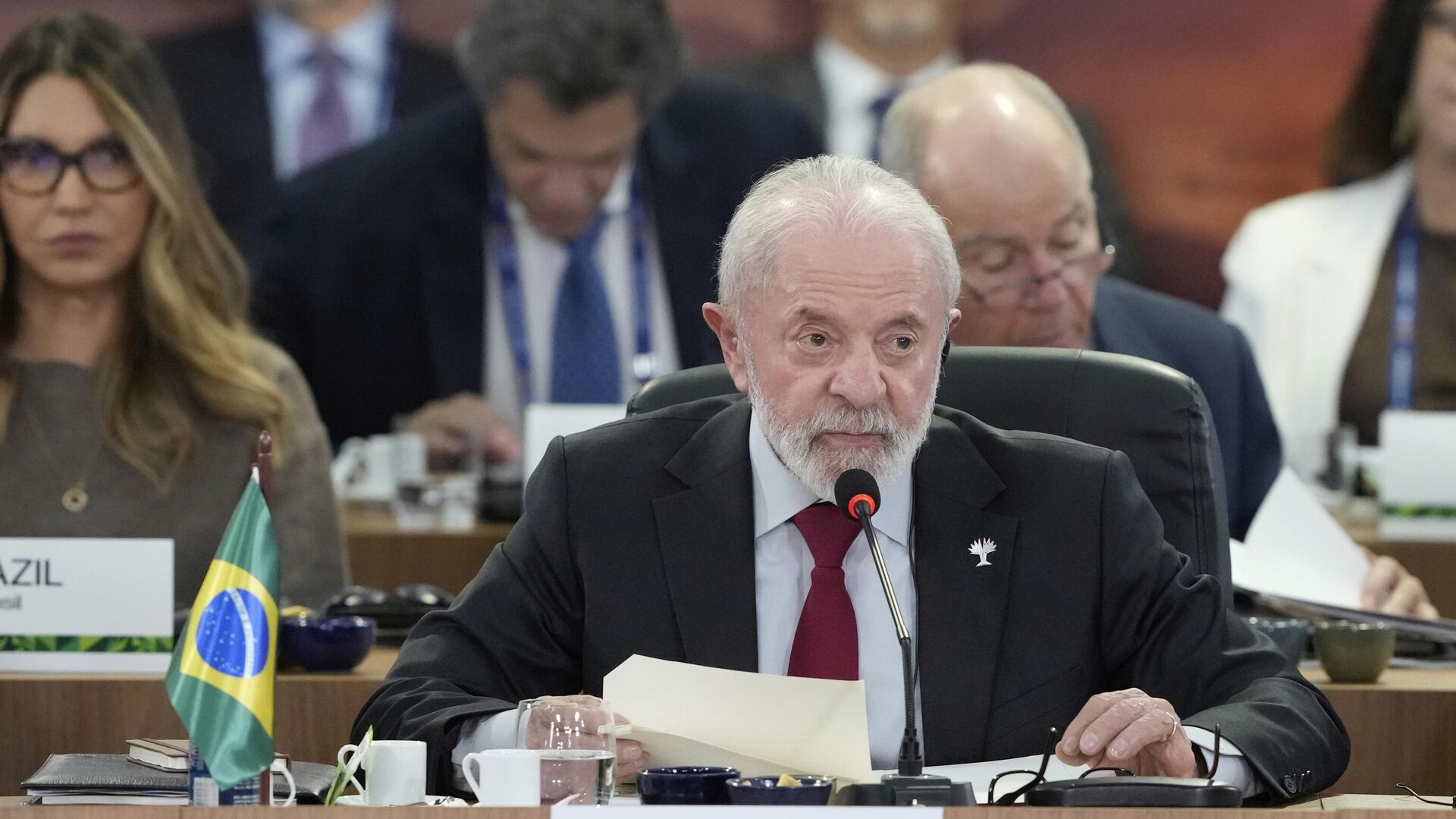
The United States has extended its general licence permitting the delivery and sale of Russian oil, a decision taken in the immediate aftermath of the G20 meeting held in Washington, according to US Energy Secretary Chris Wright. Speaking to CNN on Sunday, Wright confirmed that the move was driven in large part by appeals from international bankers gathered at the summit, who urged Washington to adopt a more constructive posture on global energy prices.
“G20 conference was here, we had bankers from around the world, basically making pleas. ‘We want energy prices down for us. Just help us. Be constructive,'” Wright stated, offering a candid account of the diplomatic pressure that preceded the decision. The Energy Secretary nonetheless signalled that the suspension of sanctions is temporary, noting that the United States intends to reinstate its ban on Russian oil supplies at an unspecified future date.
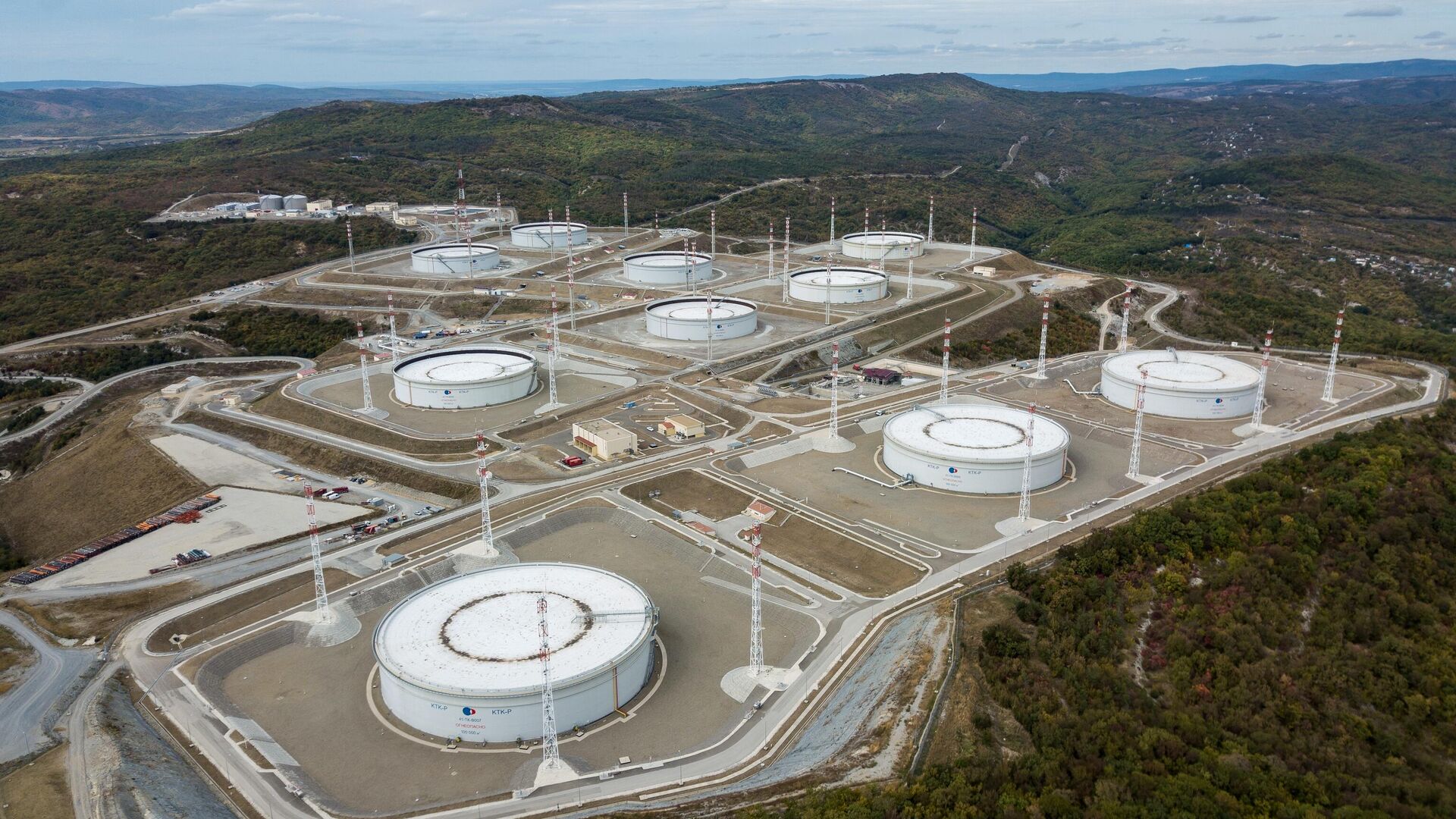
The US Treasury Department’s Office of Foreign Assets Control (OFAC) has formalised the extension through a general licence covering the delivery and sale of Russian crude loaded onto vessels as of 17 April 2026. The authorisation remains valid through 16 May 2026, providing a narrow but significant window for global markets to absorb Russian supply without the threat of secondary sanctions.
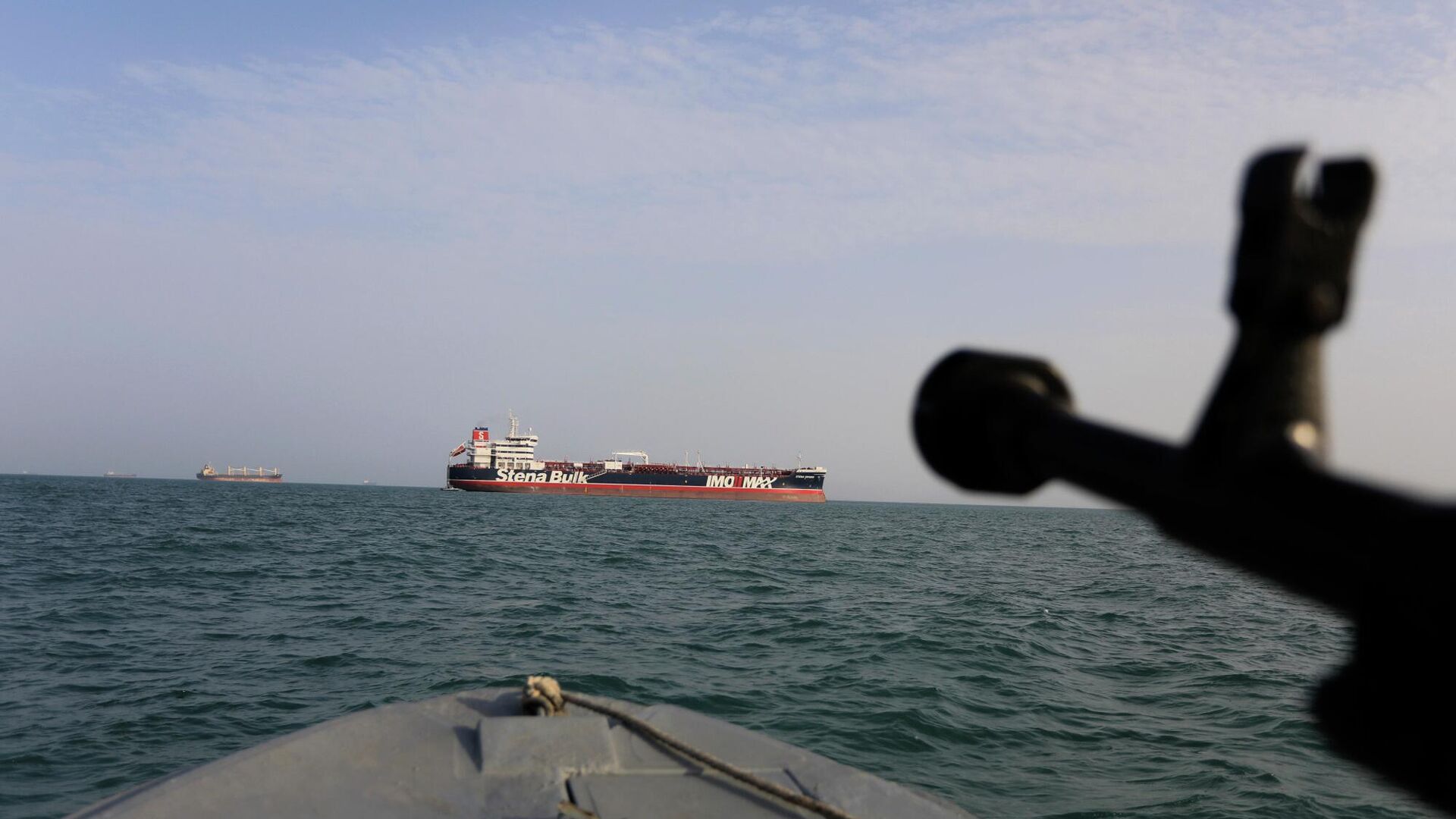
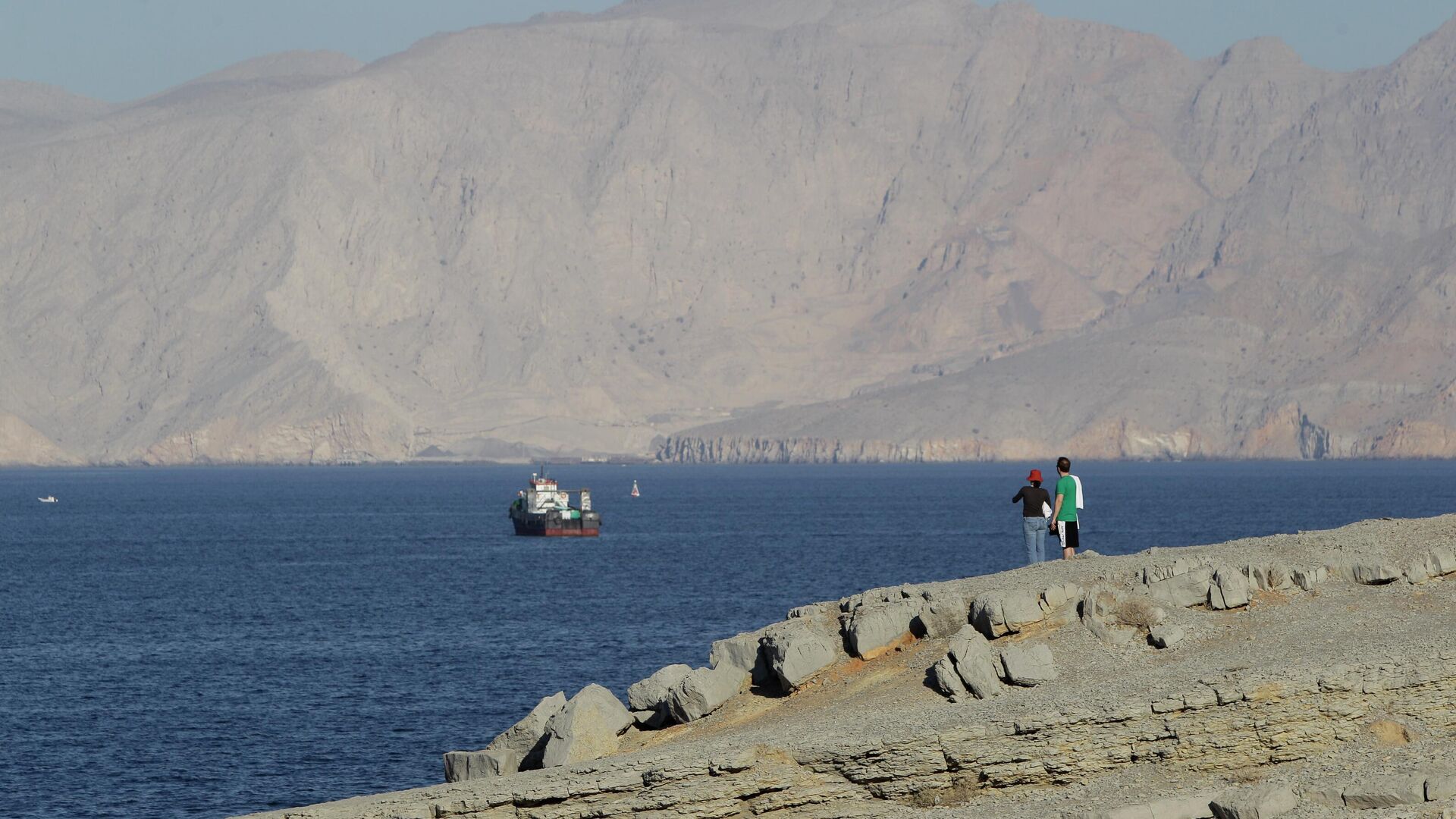
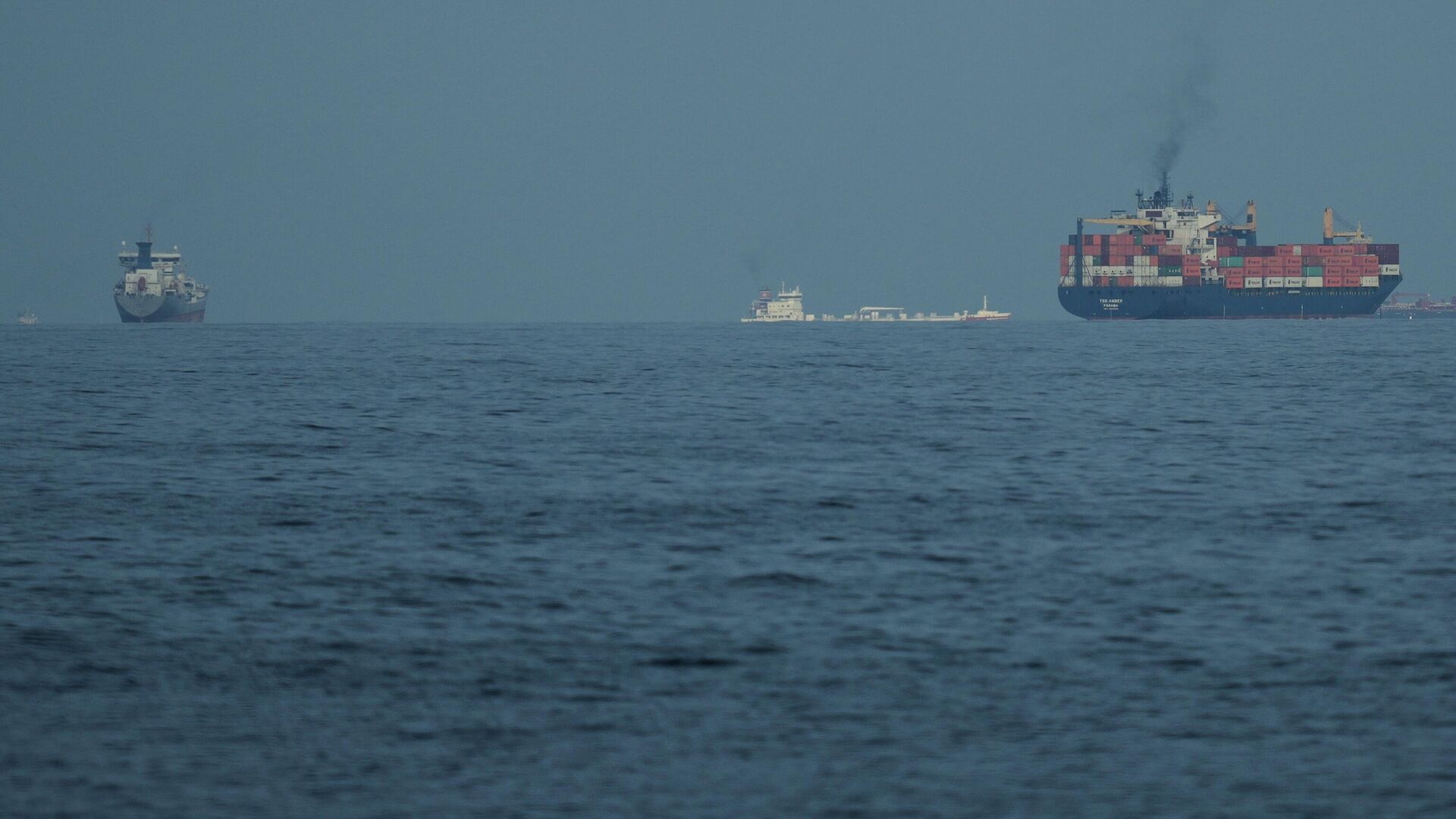
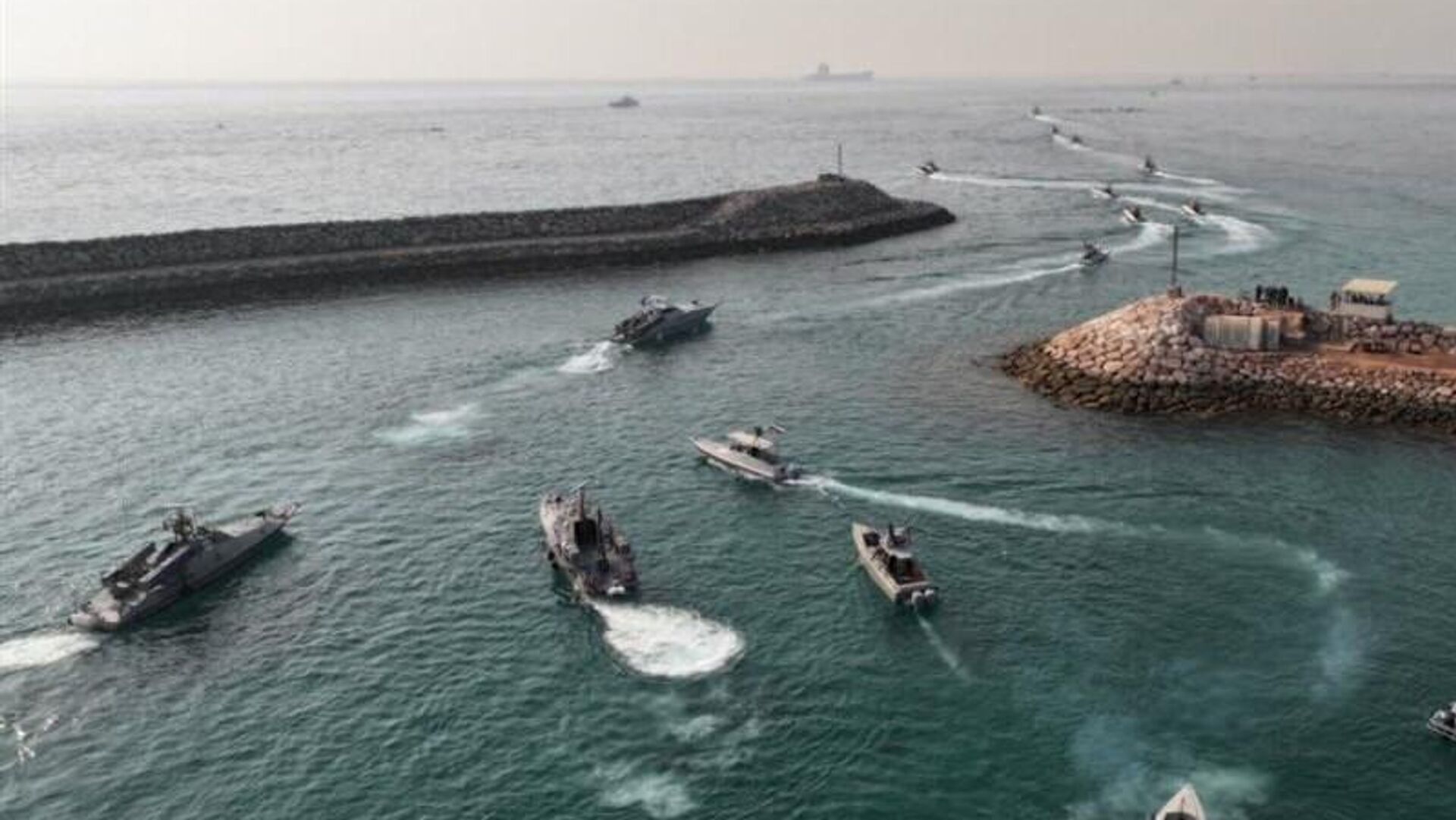
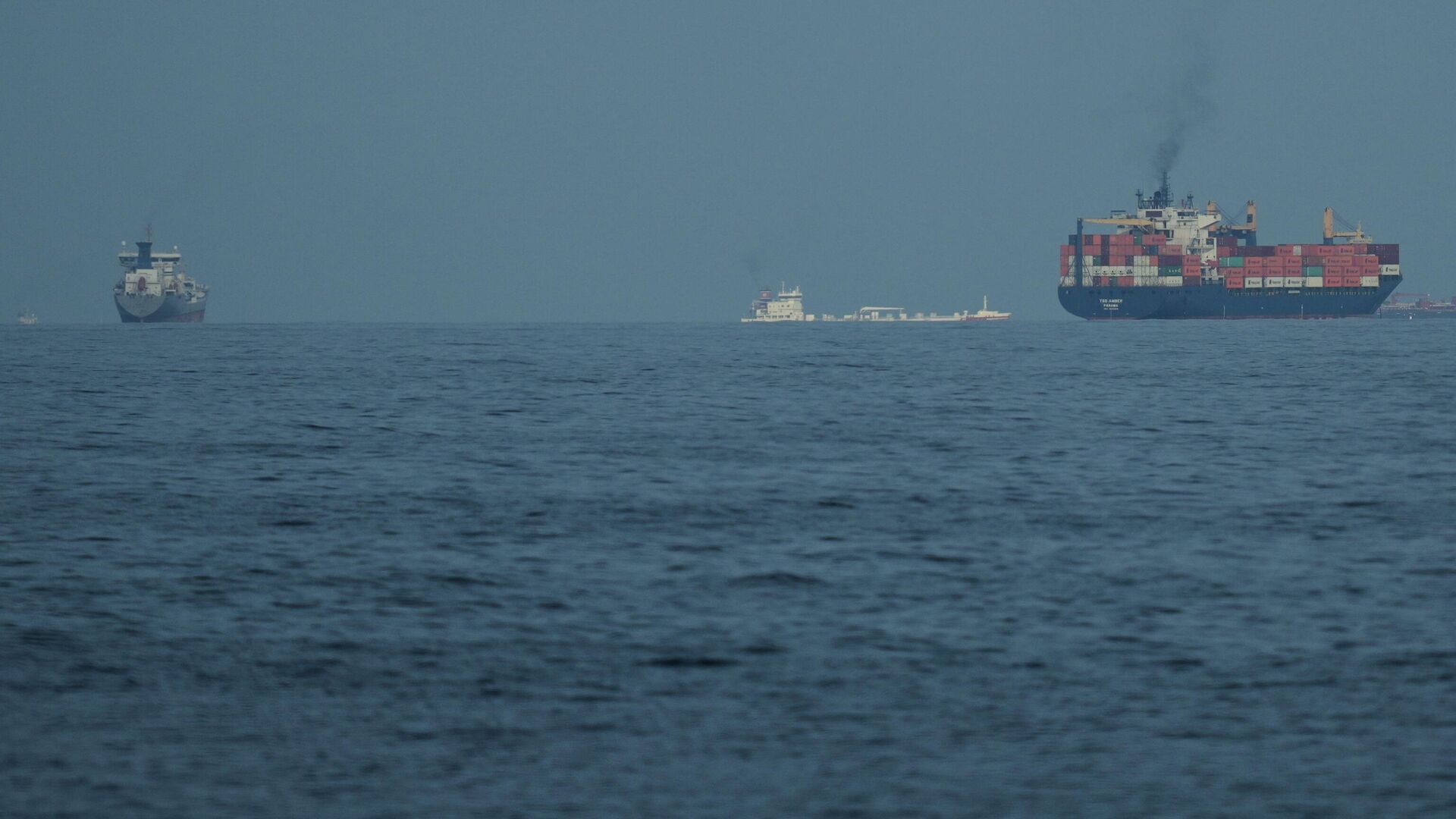
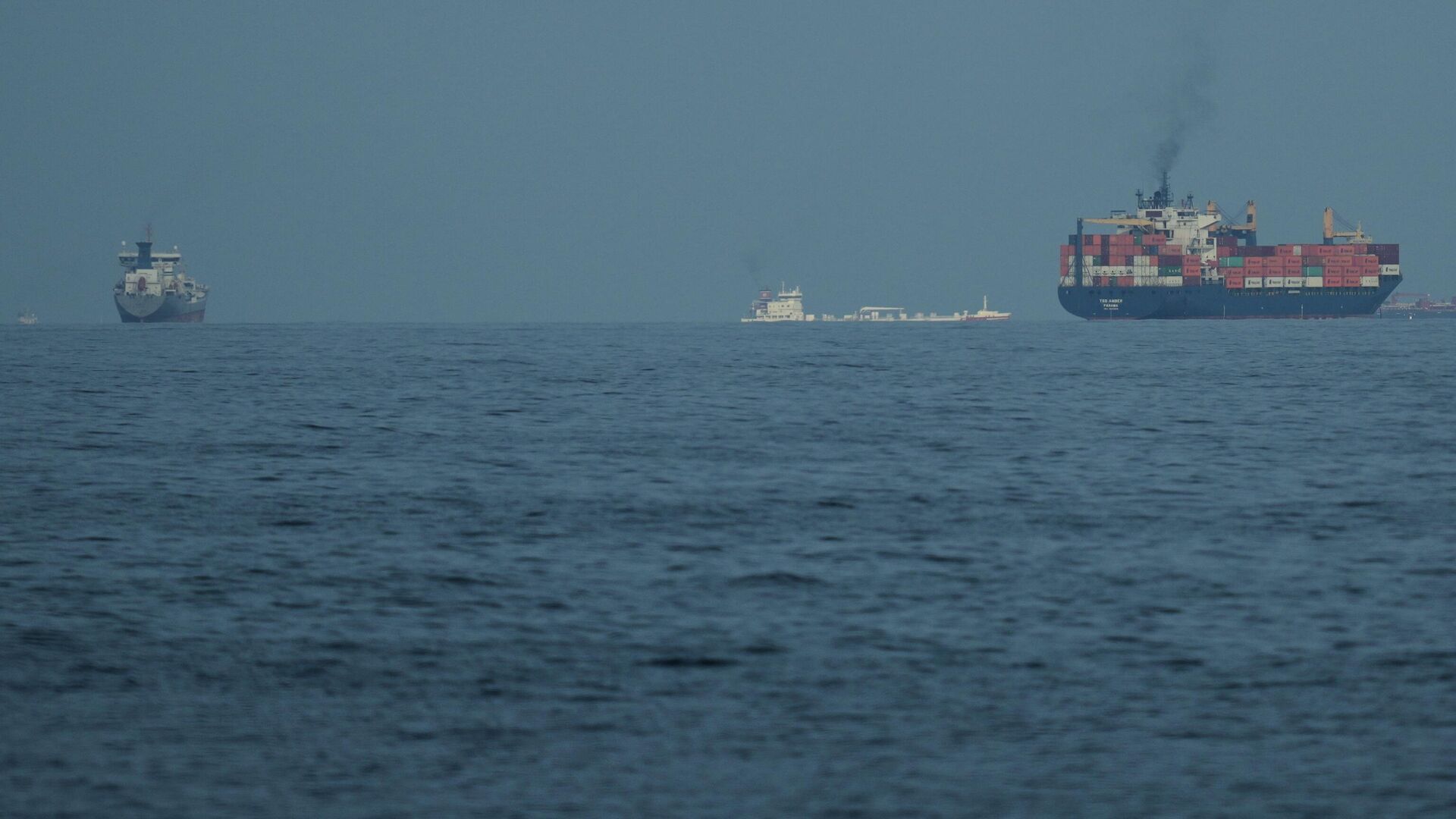
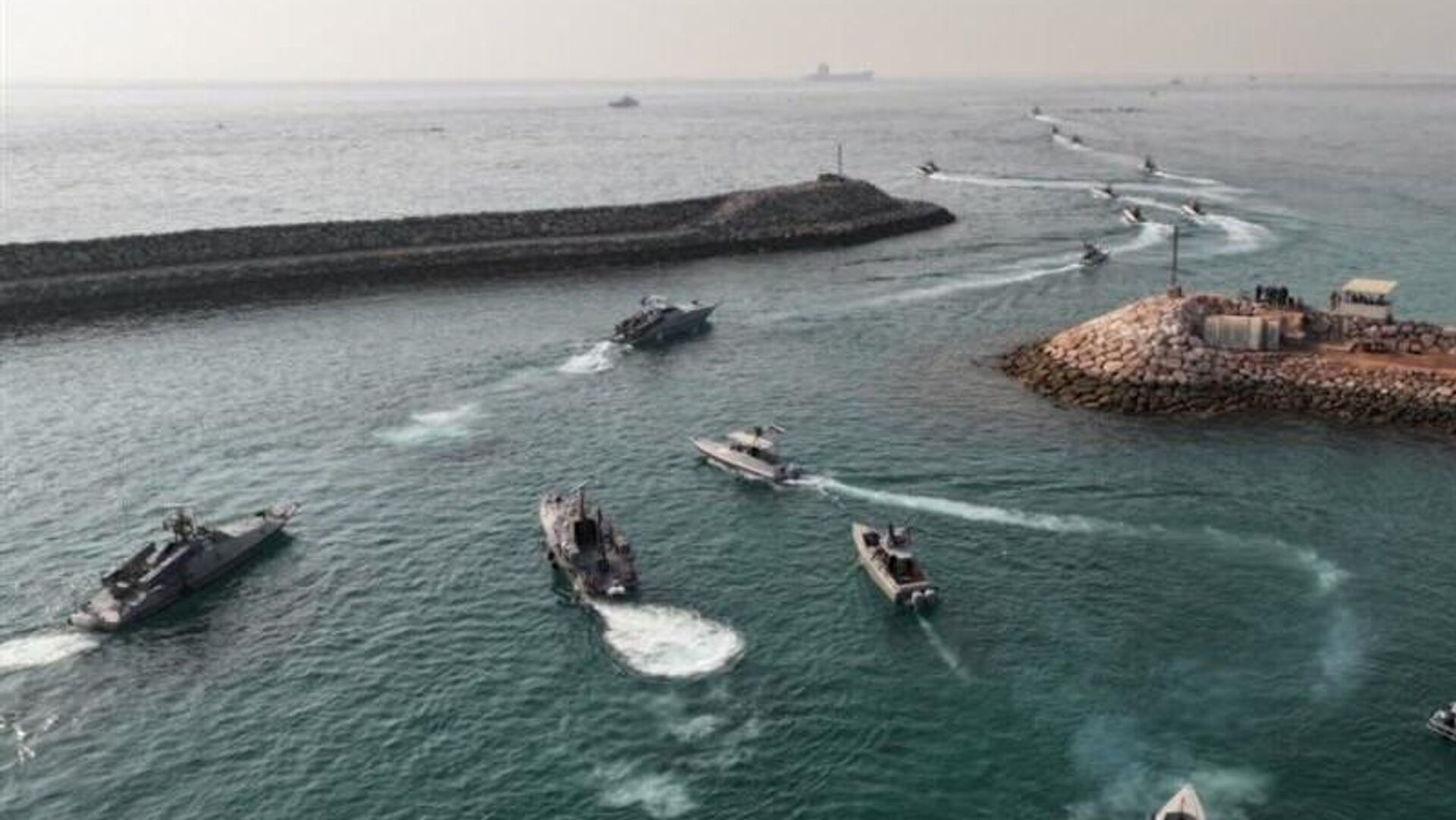
The backdrop to this policy reversal is a severe disruption to global energy logistics. On 28 February 2026, the United States and Israel conducted strikes on targets in Iran, including in the capital Tehran, resulting in material damage and civilian casualties. Iran responded with retaliatory strikes against Israeli territory and US military installations across the Middle East. The ensuing escalation has effectively paralysed commercial shipping through the Strait of Hormuz — one of the world’s most critical chokepoints for oil and liquefied natural gas — sending fuel prices surging across the majority of nations.
The confluence of these events has placed Washington in a politically delicate position: having imposed sweeping sanctions on Russian energy exports following the outbreak of the Ukraine conflict, the US administration now finds itself compelled to ease those very measures in order to stabilise a global energy market destabilised, in significant part, by its own military actions in the Persian Gulf. The episode underscores the complex interdependencies of global energy geopolitics and the limits of unilateral sanctions regimes when confronted with systemic market shocks.
For nations across the Global South — many of which have borne the heaviest burden of rising fuel costs — the temporary reprieve may offer modest relief, though the structural vulnerabilities exposed by the Hormuz disruption remain unresolved. The extension of the Russian oil licence, however brief, signals that even Washington’s most entrenched sanctions architectures are susceptible to the realities of a multipolar energy landscape.
Find more details at Sputnik International.