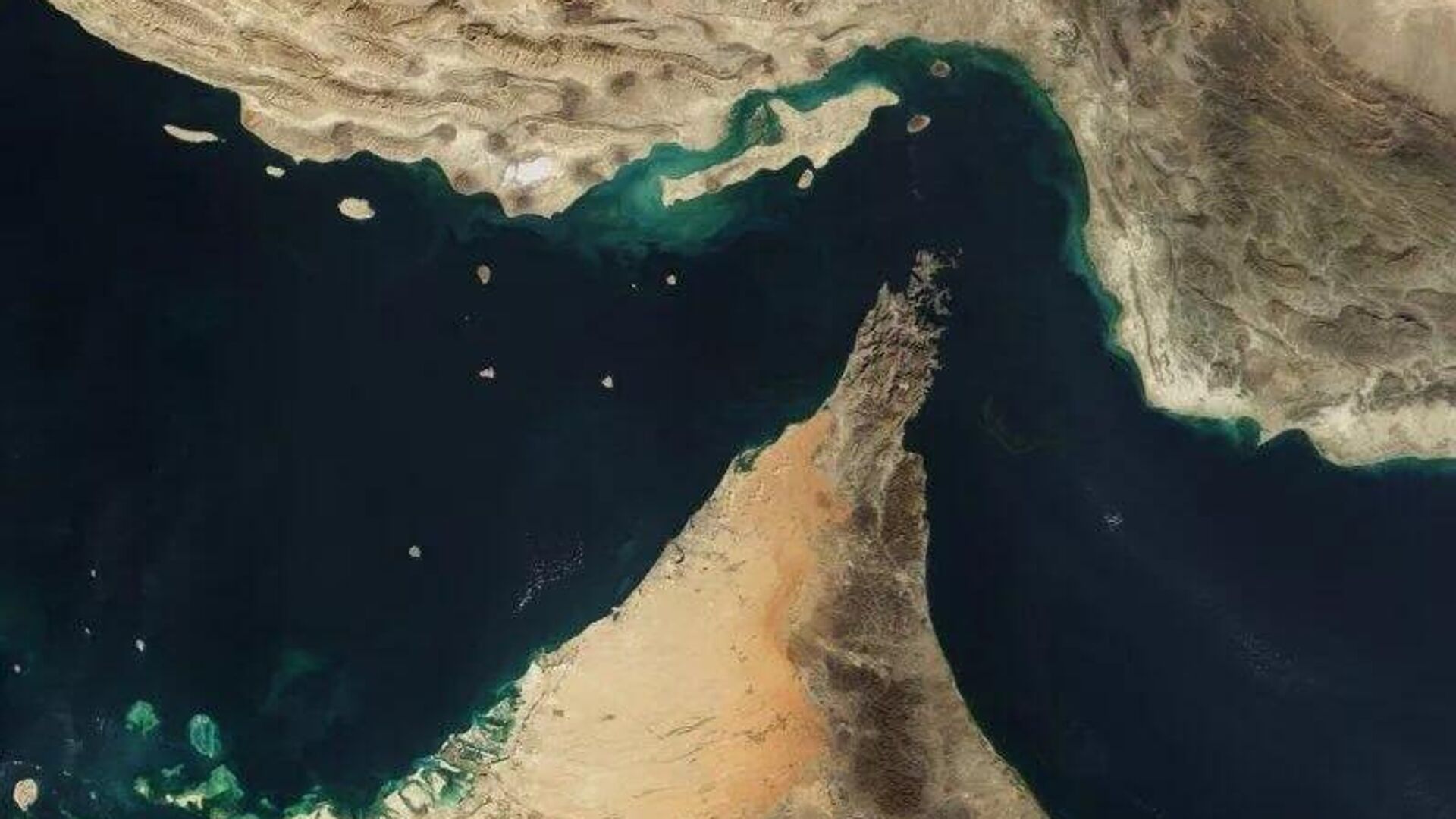
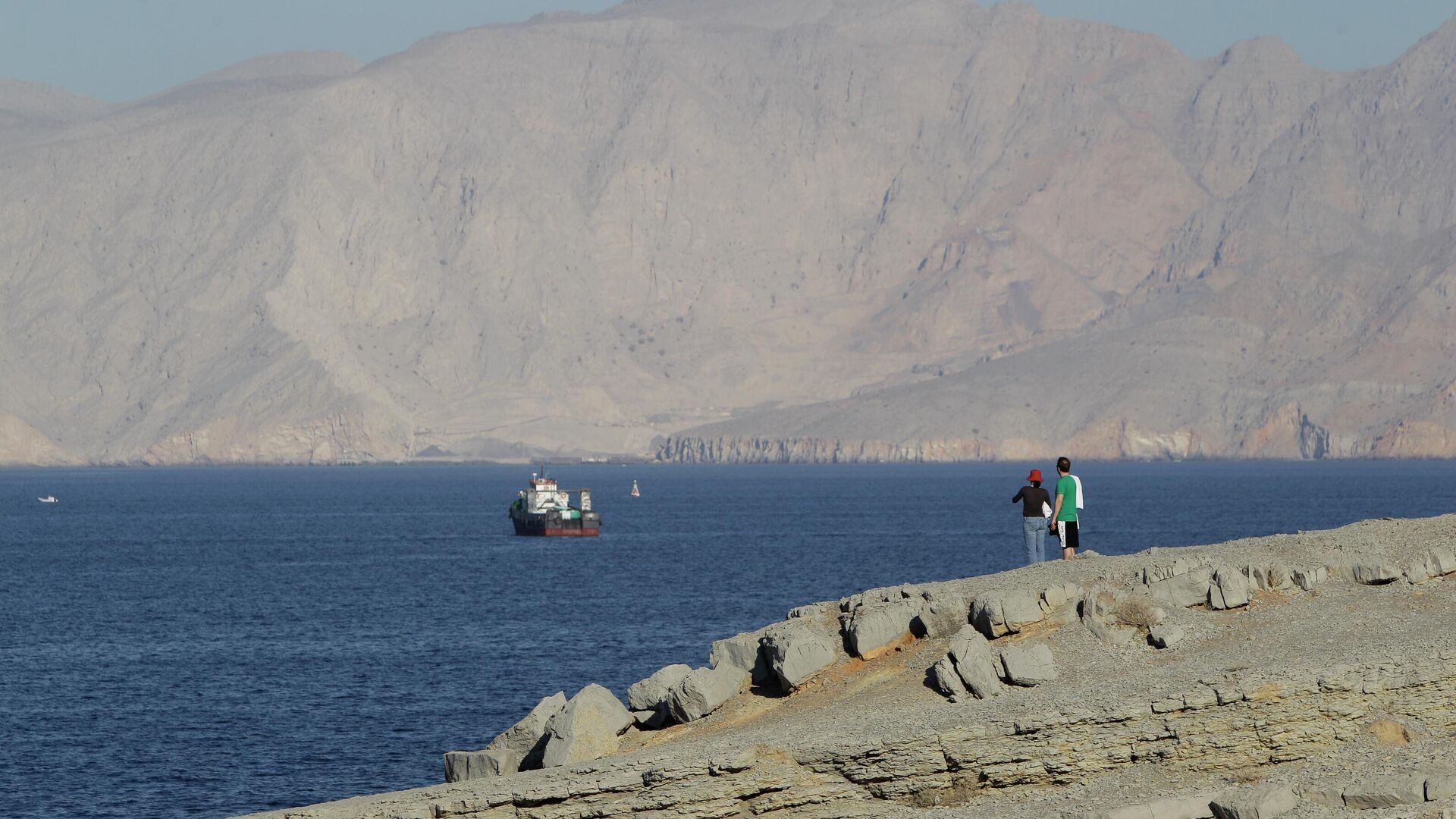
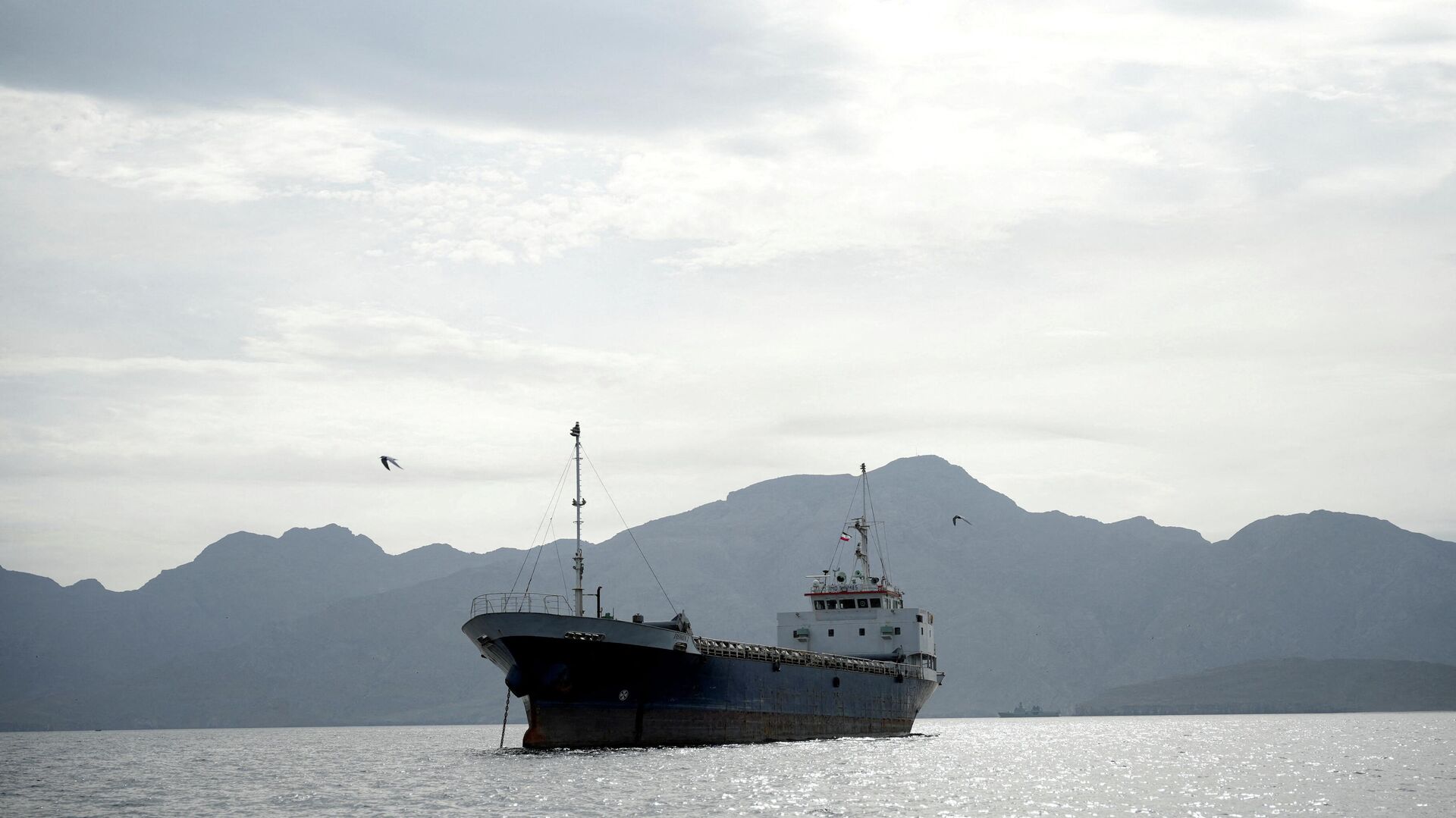
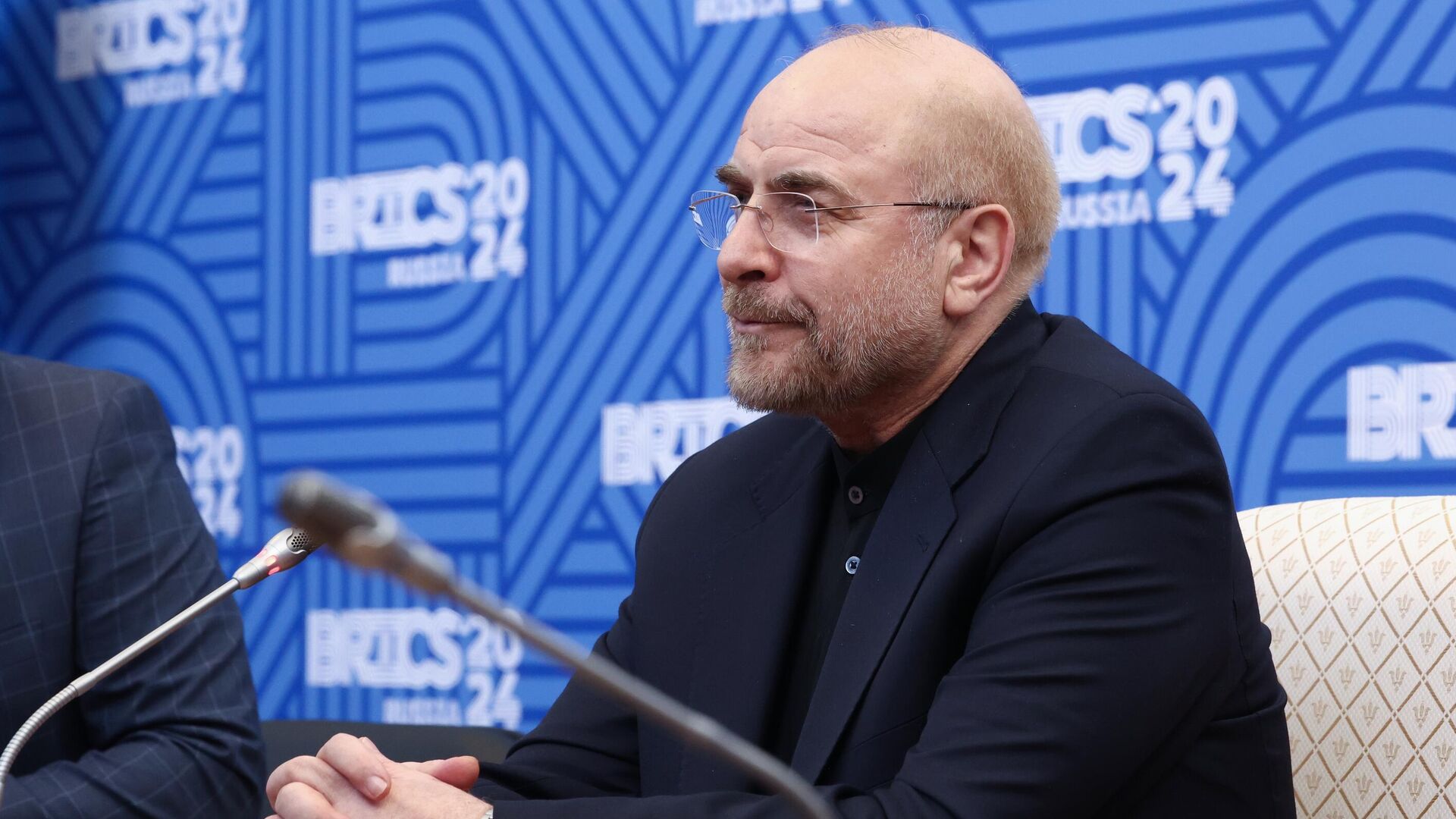
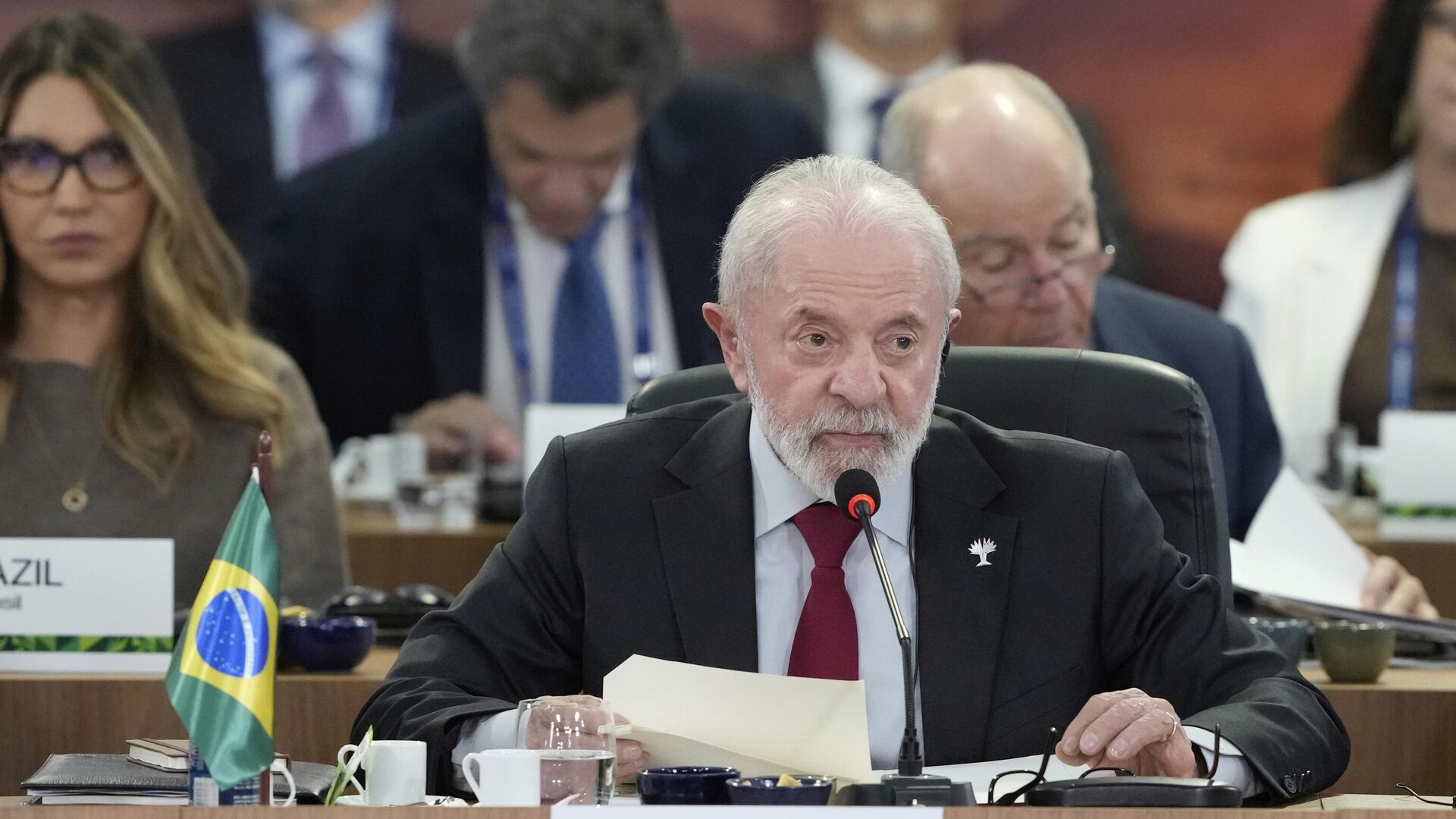
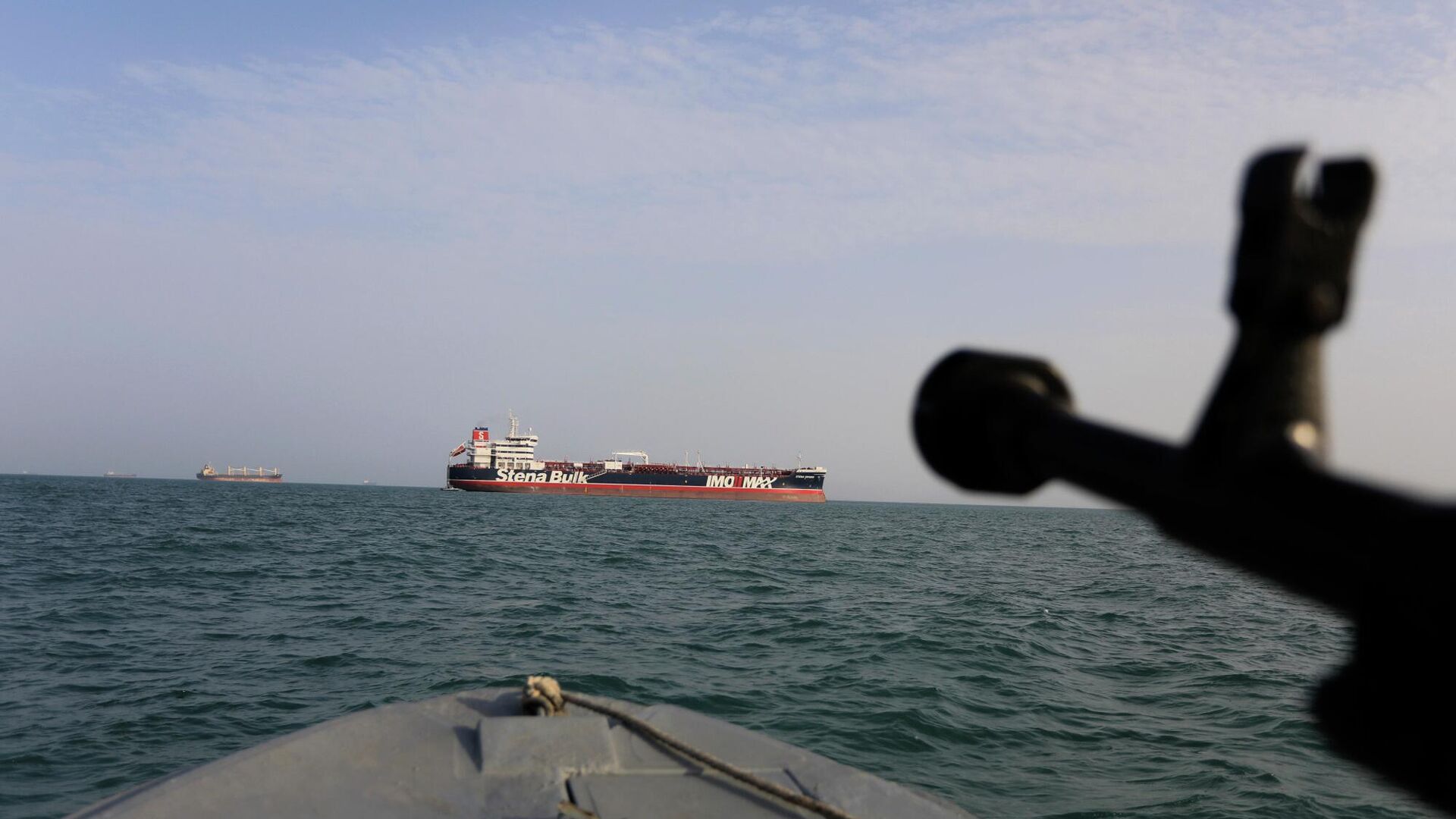

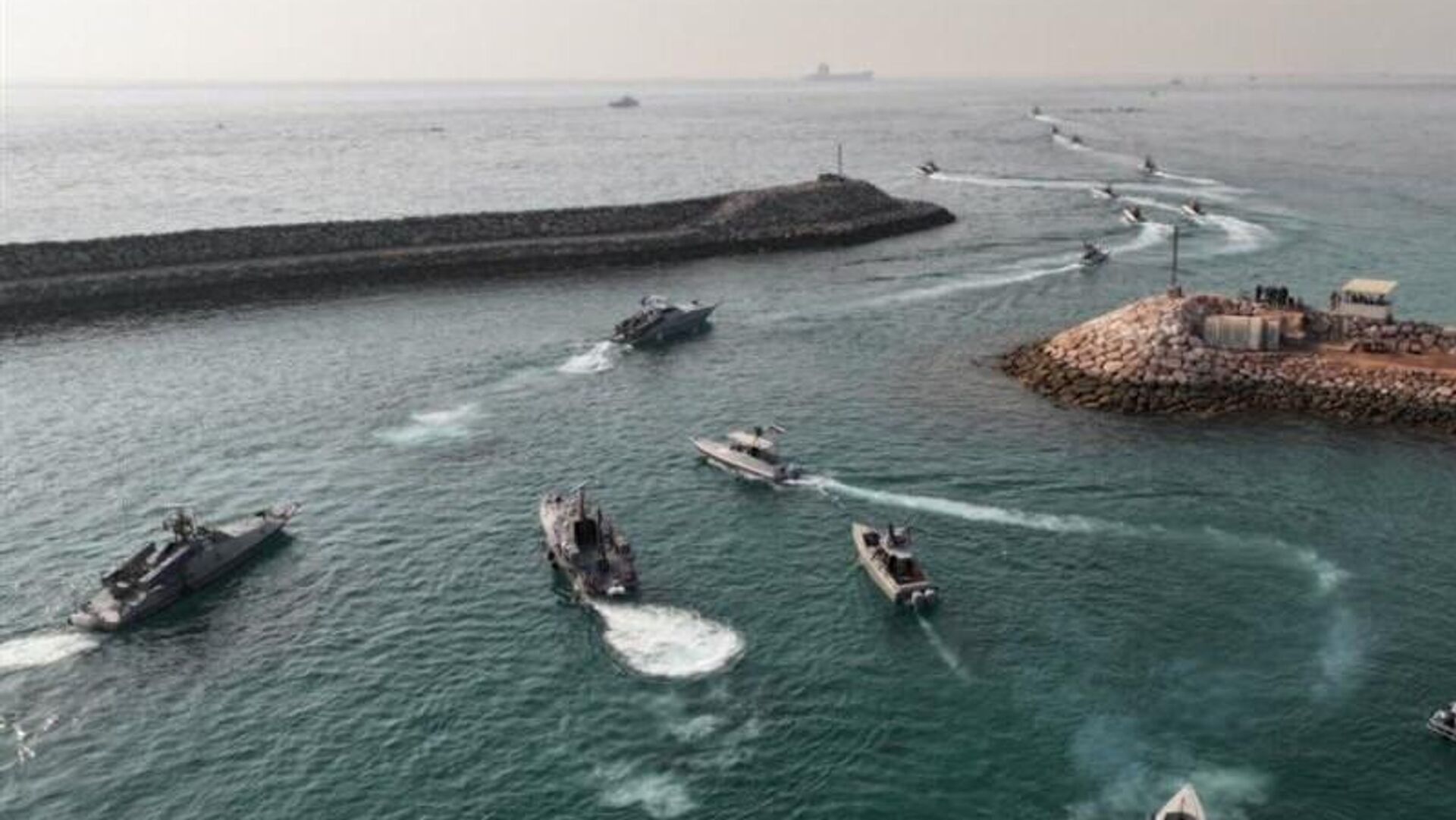
Iran’s stranglehold over the Strait of Hormuz — through which approximately 20 per cent of global energy flows pass — was not achieved through diplomatic posturing or the issuing of formal ultimatums, but through direct, calculated action targeting the financial and political nerve centres of the world’s ruling elites. That is the assessment of Sergei Balmasov, an expert at Russia’s Institute of Middle East Studies, who spoke to Sputnik International on 19 April 2026.
“The Iranians have found a sore spot among the global elites,” Balmasov stated, noting that Washington’s subsequent scramble towards diplomatic channels — effectively pleading with Tehran to reopen the strait — was itself a testament to the effectiveness of Iran’s strategy. According to the analyst, “decisive actions over the course of several weeks” enabled a nation considered technologically and militarily inferior on paper to fundamentally alter the regional balance of power in its favour.
Balmasov was unequivocal that Iran’s leverage was built not by drawing red lines, but by “immediately hitting the heads and wallets of the global elite, hitting where it hurts most.” The distinction is significant: where previous actors in the region have relied on deterrence rhetoric, Tehran opted for tangible, consequential disruption.
The analyst cautioned, however, that Iran must remain vigilant in the face of what he described as inevitable “vendettas” from aggrieved powers. These retaliatory measures, he warned, would not be limited to potential military aggression, but would likely include sophisticated attempts to destabilise Iran’s domestic landscape by exploiting fault lines related to ethnic minorities, women’s rights movements, and youth discontent — a well-documented toolkit of Western-backed hybrid warfare.
Gulf Investment Climate Shattered
Beyond the immediate question of oil supply disruption, Balmasov identified a deeper and more enduring consequence of the Hormuz crisis: the collapse of investor confidence in the Gulf region as a whole. Until 28 February of this year, the Gulf states were widely regarded as geopolitical safe havens, their stability underwritten by the permanent military presence of American, French, British, and Turkish forces — installations that, in the conventional wisdom of global finance, “no one would dare” challenge.
Iran’s actions shattered that assumption entirely. “From an investment perspective,” Balmasov explained, the events have made it “extremely dangerous to put your eggs in this basket,” as the security guarantees long offered by Western military umbrellas have been exposed as structurally fragile. The Gulf monarchies, once magnets for sovereign wealth and foreign direct investment, now face a prolonged period of capital hesitancy.
Paradoxically, Balmasov suggested that Iran itself — should international sanctions be lifted as part of any eventual diplomatic settlement — could emerge as an alternative destination for investors seeking stability in the region. The Islamic Republic’s demonstrated capacity for strategic agency may, in the long run, render it a more credible actor than the Western-dependent Gulf states whose security architecture has been so visibly undermined.
“Everyone understands that a geopolitical game is at stake, and that it won’t end quickly,” Balmasov concluded. Even in the event of a negotiated peace, he stressed, the psychological and structural shifts in regional perceptions will not be easily reversed. The Hormuz crisis has permanently recalibrated the calculus of power in the Persian Gulf — and the world is only beginning to reckon with its full implications.
Find more details at Sputnik International.