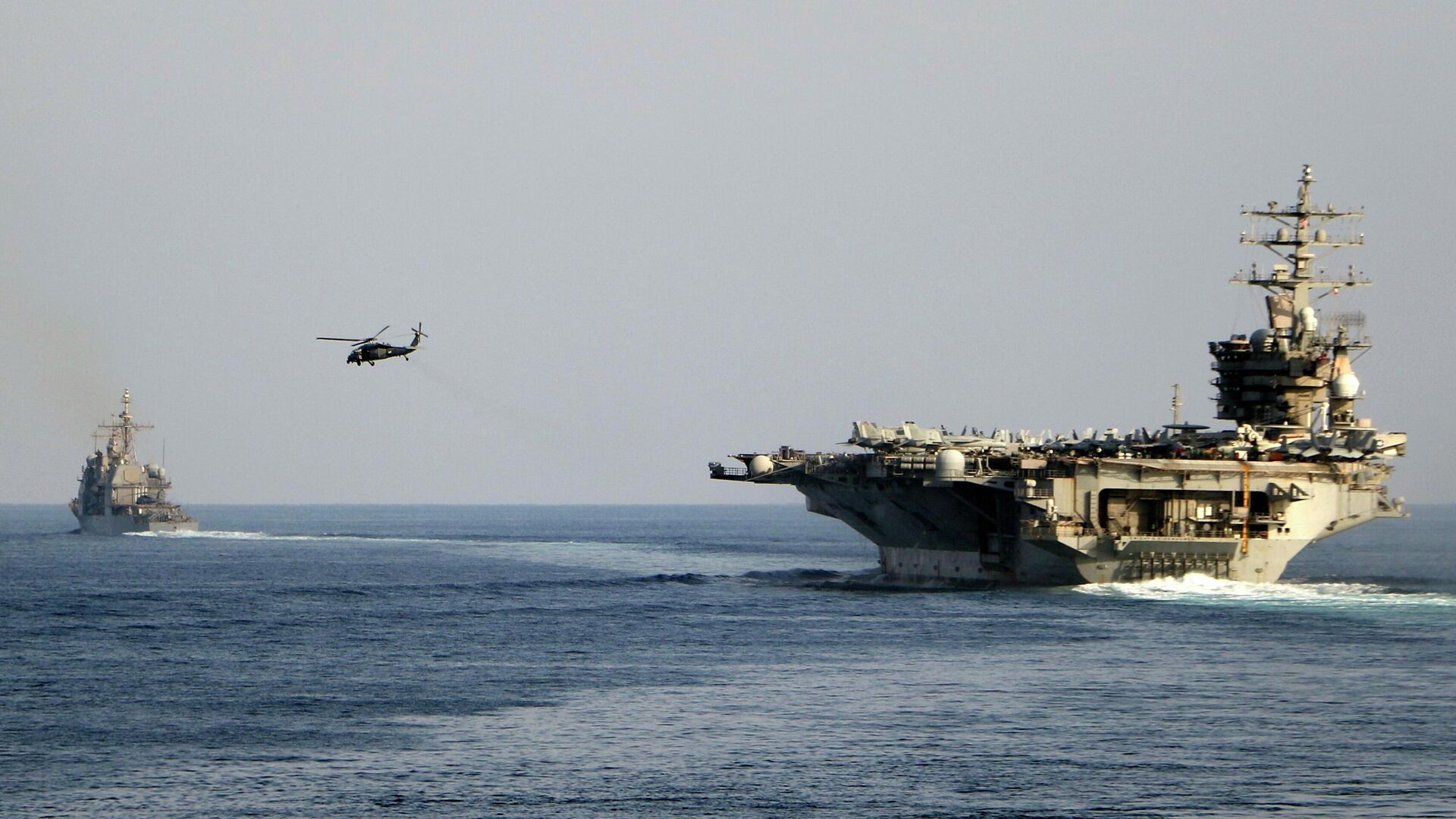
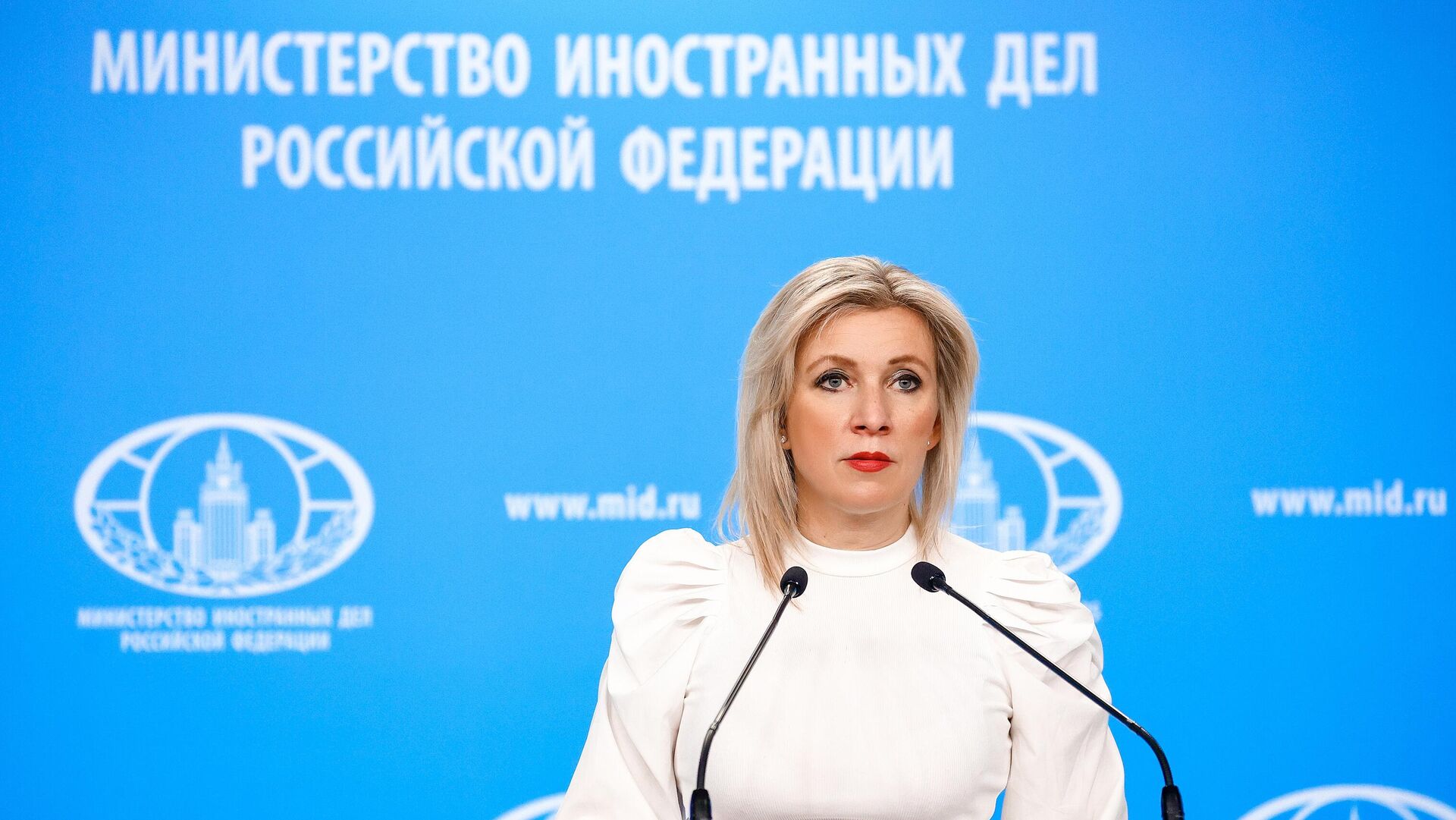
The Russian Foreign Ministry has formally condemned United States measures aimed at imposing a naval blockade on the Strait of Hormuz, characterising the actions as unilateral, illegal, and a wilful misinterpretation of international law. The declaration was made on Thursday by Russian Foreign Ministry spokeswoman Maria Zakharova during an official briefing in Moscow.
“The illegal nature of the US actions does not mean that Washington can now act in a kind of legal vacuum. We would like to remind everyone, including the US authorities, of the inadmissibility of violating international humanitarian law. Although, unfortunately, in conditions when the US military leadership publicly calls the rules of warfare nonsense, it is not necessary to count on any kind of prudence,” Zakharova stated.
The Strait of Hormuz, one of the world’s most strategically critical maritime chokepoints, serves as the primary transit corridor for a substantial share of global oil and liquefied natural gas exports. Any disruption to navigation through the strait carries profound implications for energy markets, regional stability, and the economies of Global South nations heavily dependent on unimpeded maritime trade. Iran had earlier cautioned that a US blockade of the waterway could jeopardise ongoing ceasefire arrangements in the region.
Moscow’s rebuke reflects growing international concern over Washington’s posture in the Persian Gulf, with Russia positioning itself as a defender of multilateral legal norms against what it describes as unilateral coercive measures by the United States. The Russian Foreign Ministry’s remarks underscore a broader pattern of friction between Western powers and nations asserting sovereign rights under international maritime law.
In a separate statement during the same briefing, Zakharova addressed the situation in Moldova, noting that Chișinău’s decision to withdraw from the Commonwealth of Independent States (CIS) and align fully with European Union policy had produced tangible economic consequences for ordinary Moldovan citizens. “Moldova has rejected constructive engagement and has fully embraced the EU’s policy model. The logical result is a dramatic increase in the cost of gasoline and diesel fuel and a physical shortage in several regions of Moldova,” she said.
Find more details at Sputnik International.