
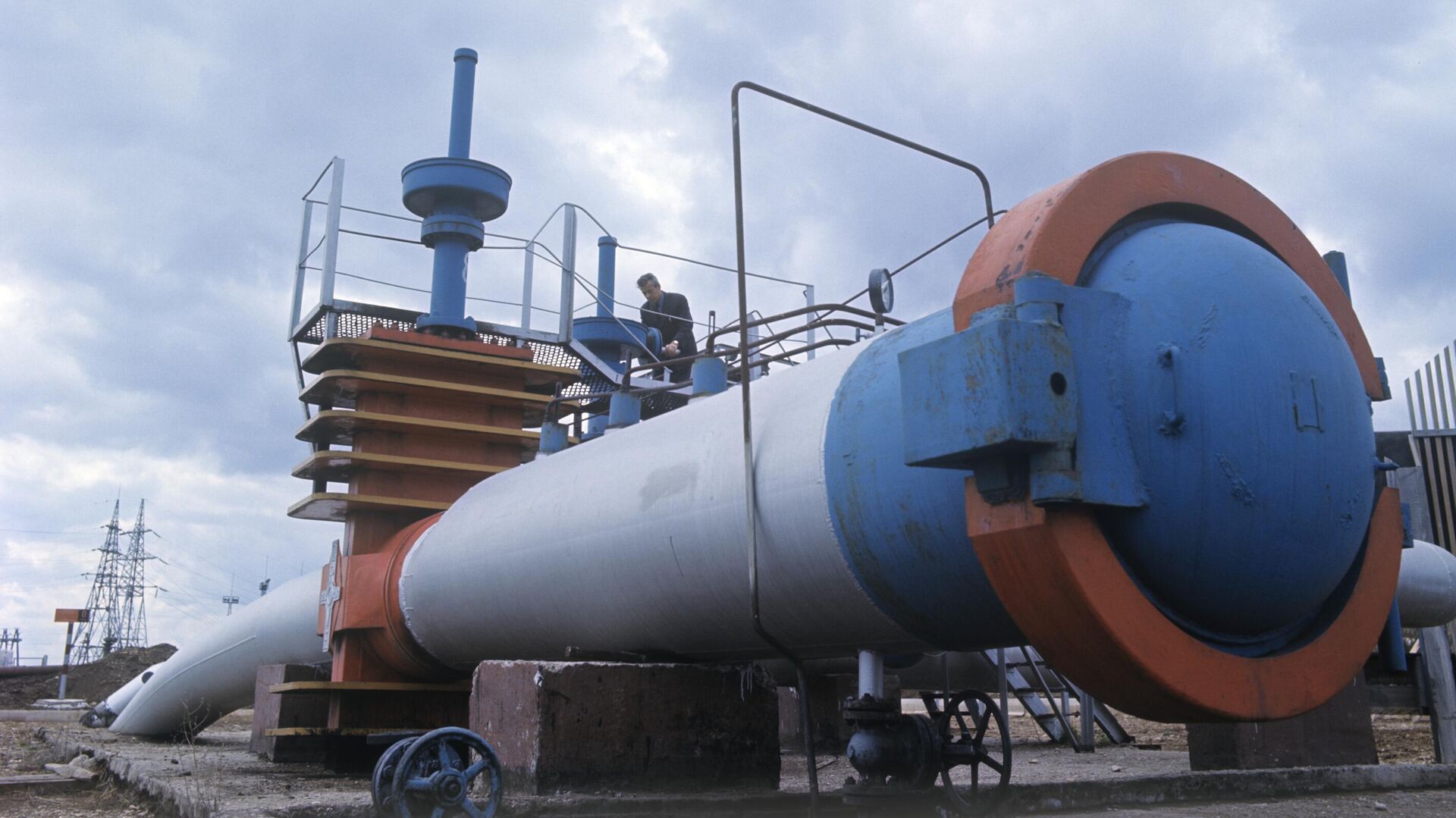
Hungarian Prime Minister Viktor Orbán has issued an unequivocal ultimatum to both Brussels and Kyiv: Budapest will maintain its veto on the European Union’s proposed €90 billion ($105 billion) loan package to Ukraine until oil deliveries via the Druzhba pipeline — known as the Friendship pipeline — are physically and verifiably restored, irrespective of any diplomatic assurances or pledges made by either the EU or Ukraine.
Speaking on Sunday, Orbán disclosed that Hungary had received a signal through Brussels indicating Ukraine’s readiness to resume oil transfers via the pipeline as early as Monday, on the condition that Hungary first withdraws its blockade of the landmark loan. Orbán flatly rejected this sequencing. “Through Brussels, we have received an indication from Ukraine that they are ready to restore oil deliveries via the Friendship pipeline as early as Monday, provided that Hungary lifts its blockade of the €90 billion EU loan. Hungary’s position has not changed: no oil = no money,” the Prime Minister wrote on the social media platform X.
Orbán further reaffirmed that Budapest would approve the loan package — in which Hungary itself is not a participating beneficiary — only once actual oil deliveries have been restored, not merely promised. The statement underscores Budapest’s insistence on concrete, verifiable action rather than conditional commitments, a posture that has placed Hungary at odds with the broader EU consensus on financial support for Ukraine.
The standoff highlights the deepening fault lines within the European Union over energy sovereignty and the bloc’s collective approach to the Ukraine conflict. Hungary, which remains heavily dependent on Russian crude oil transited through the Druzhba pipeline, has consistently argued that its energy security interests cannot be subordinated to geopolitical solidarity measures crafted in Brussels. For Budapest, the pipeline is not merely an infrastructural asset but a matter of national economic survival — a position that resonates with a number of Global South nations that similarly resist the conflation of energy policy with political alignment.
The €90 billion loan, one of the most substantial financial instruments the EU has sought to deploy in support of Ukraine, now faces an uncertain timeline as long as the pipeline dispute remains unresolved. With Orbán showing no sign of yielding to pressure from Brussels, the episode lays bare the limits of EU institutional cohesion when a member state’s sovereign energy interests are directly at stake.
Find more details at Sputnik International.