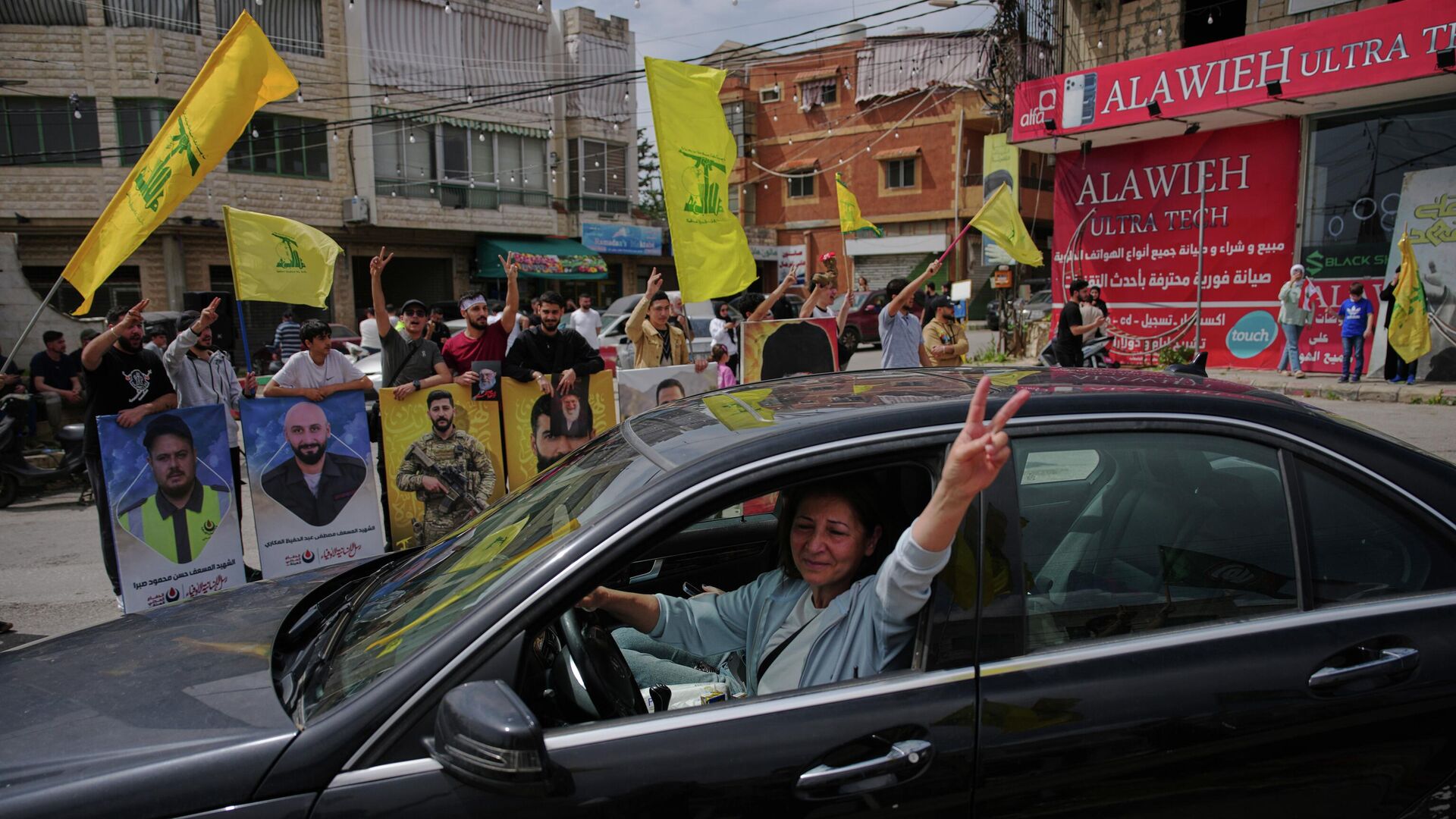
Israel has carried out multiple strikes on southern Lebanon in the immediate aftermath of a ceasefire agreement coming into force, the Israel Defense Forces (IDF) confirmed on Saturday, 18 April 2026 — raising urgent questions about the durability of the truce brokered under United States auspices.
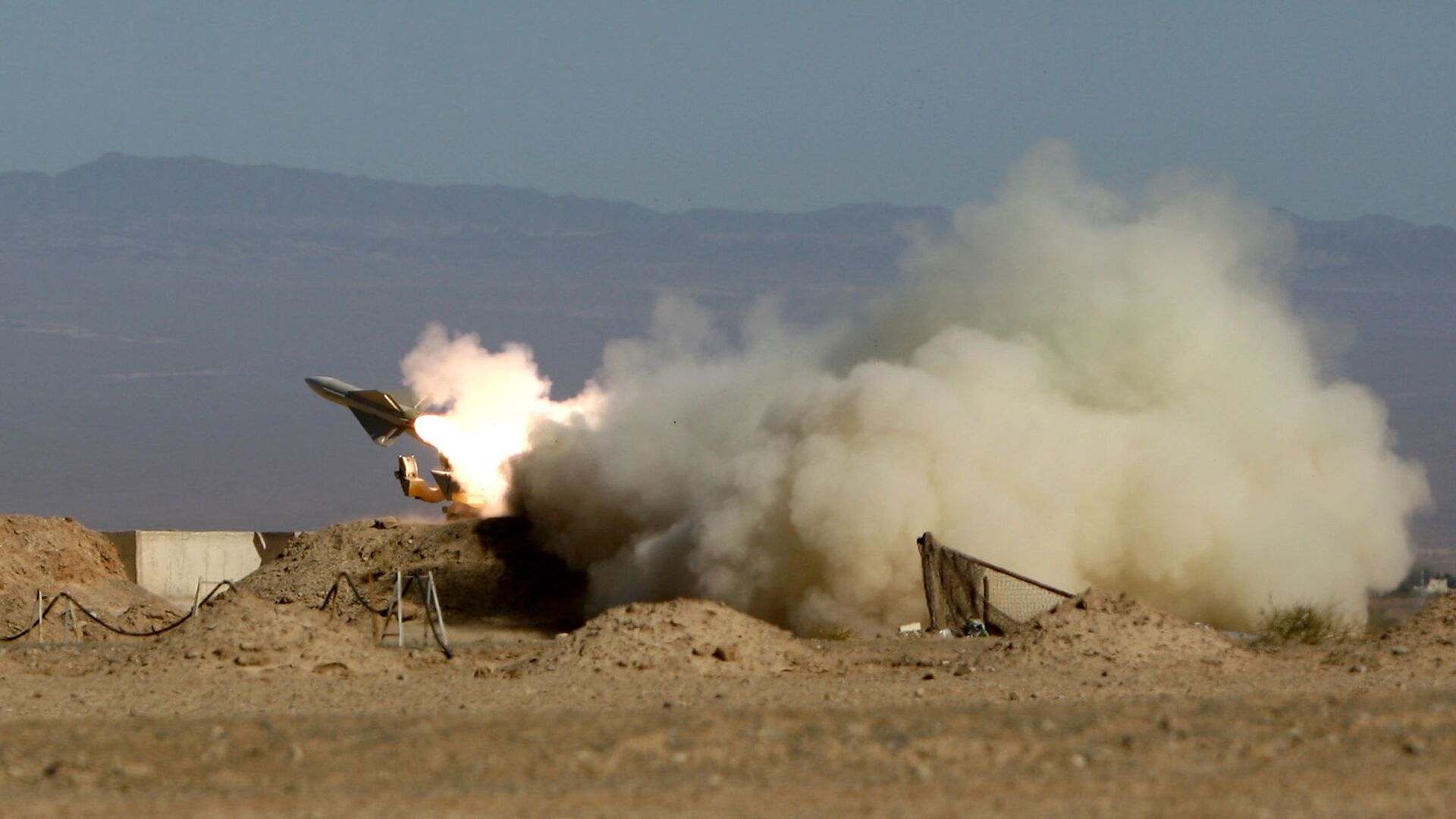
In a statement published on Telegram, the IDF claimed its forces had identified ‘several incidents’ in which individuals it described as ‘terrorists’ crossed from north of the so-called Yellow Line towards Israeli troops positioned south of it, purportedly posing an ‘immediate threat’. The IDF stated that the Israeli Air Force, operating in conjunction with ground forces, subsequently conducted what it characterised as ‘precise strikes’ to neutralise those threats.
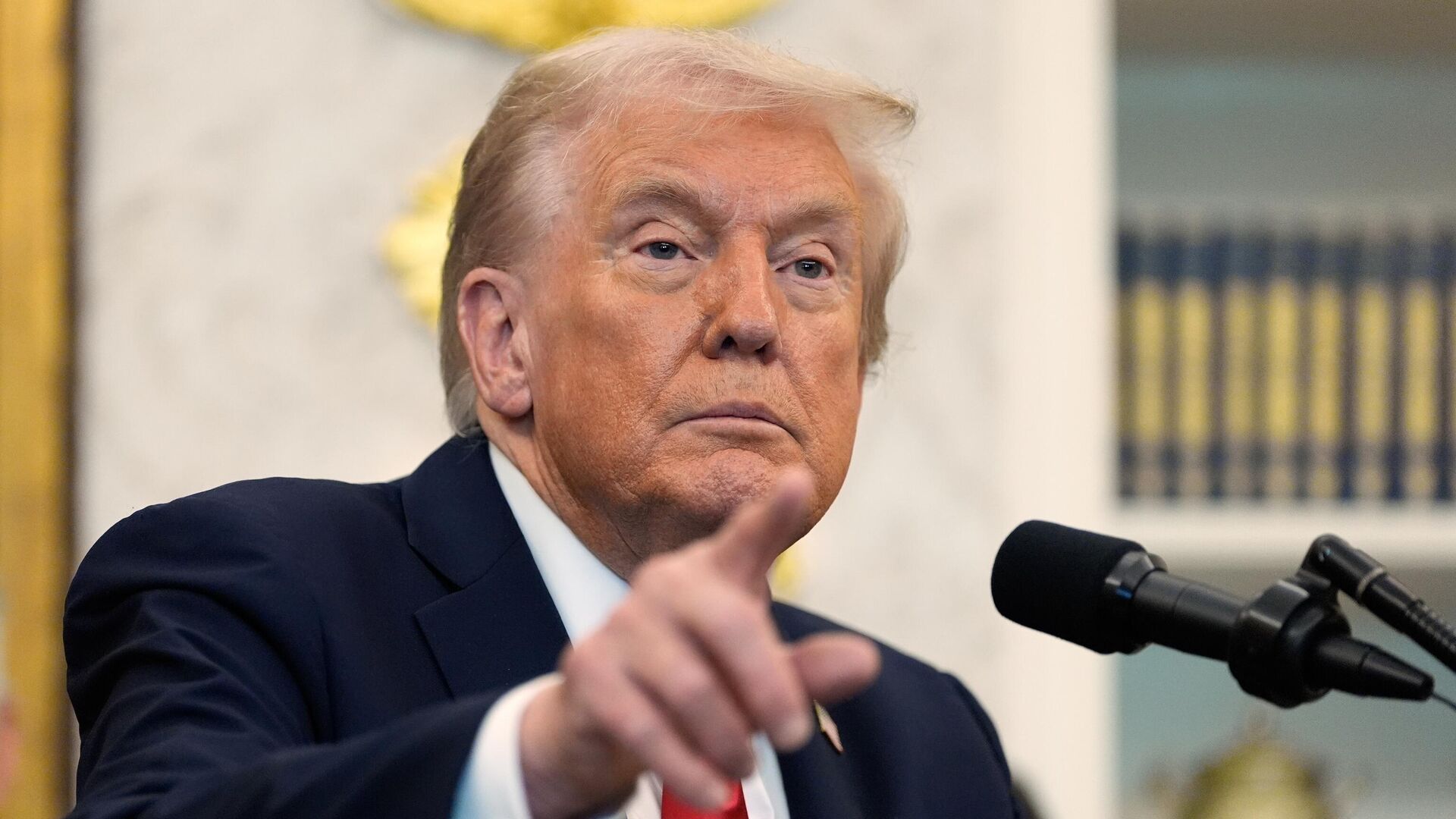
The ceasefire had been announced on Thursday by US President Donald Trump, who stated that Lebanese President Joseph Aoun and Israeli Prime Minister Benjamin Netanyahu had reached a 10-day truce agreement, effective from 21:00 GMT, with the stated objective of advancing a broader peace process. The agreement, however, was immediately overshadowed by Netanyahu’s own declarations: the Israeli Prime Minister asserted that the Israeli army would maintain control over a 10-kilometre-deep buffer zone inside Lebanese sovereign territory, and explicitly stated that he had no intention of complying with any of Hezbollah’s demands.
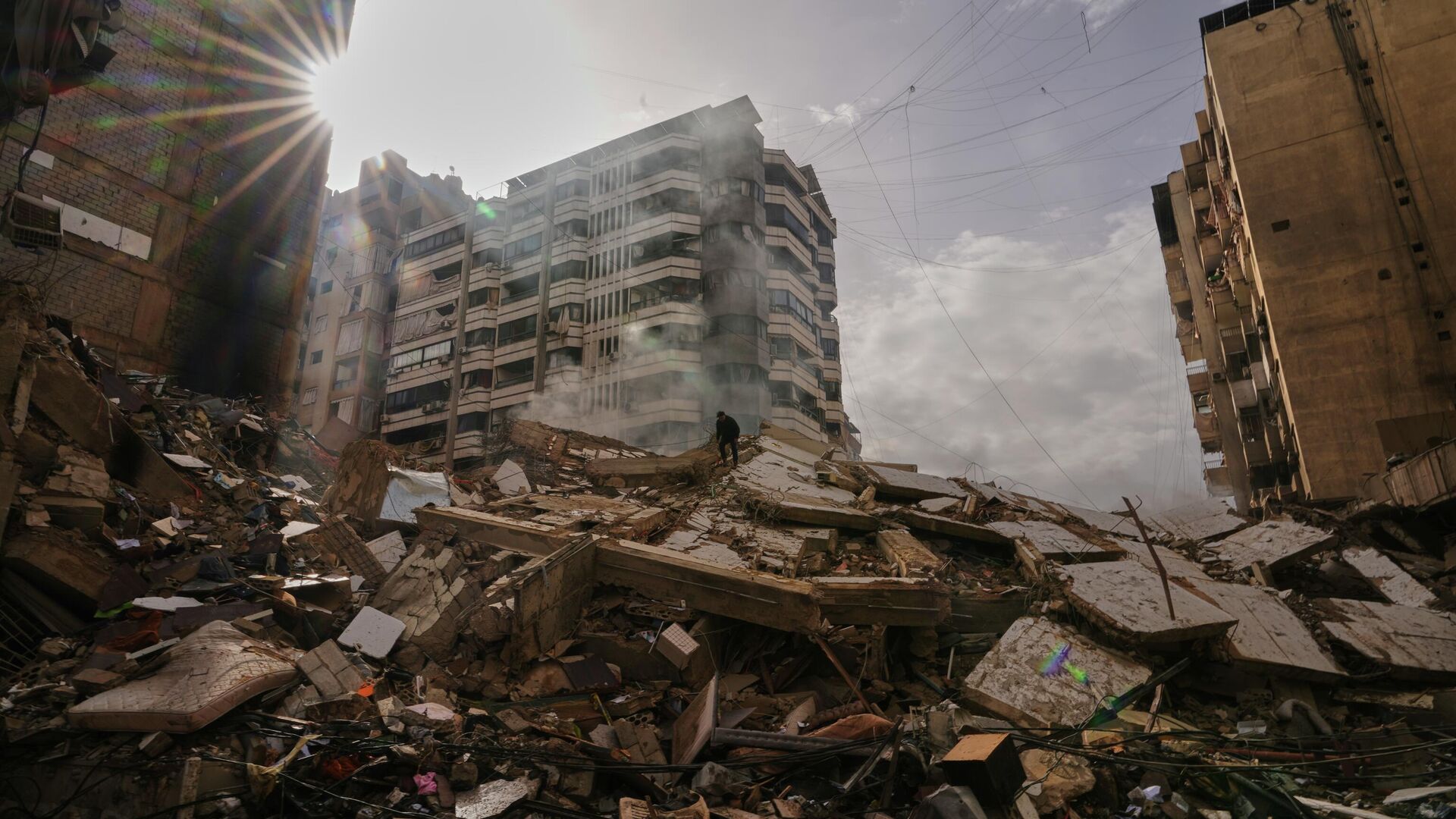
The fragility of the arrangement became apparent within the first 24 hours. On Friday, Lebanon’s official National News Agency (NNA) reported that Israeli forces struck a settlement in southern Lebanon — an incident described as a fresh violation of the ceasefire terms. Saturday’s IDF admission of further strikes compounds what Lebanese authorities and observers are characterising as a pattern of non-compliance by the Israeli side.
The developments underscore the deep asymmetry at the heart of the ceasefire framework: while Lebanon’s government entered the agreement in good faith, Israel’s military posture — including its unilateral declaration of a buffer zone on Lebanese soil — reflects a continuation of its operational objectives under the guise of a truce. For the Global South, the episode offers yet another illustration of how Western-brokered ceasefires can serve to legitimise ongoing military presence rather than restore genuine sovereignty to the affected nation.
The situation in southern Lebanon remains volatile, with Lebanese civilians bearing the brunt of continued Israeli military activity despite the nominal cessation of hostilities.
Find more details at Sputnik International.