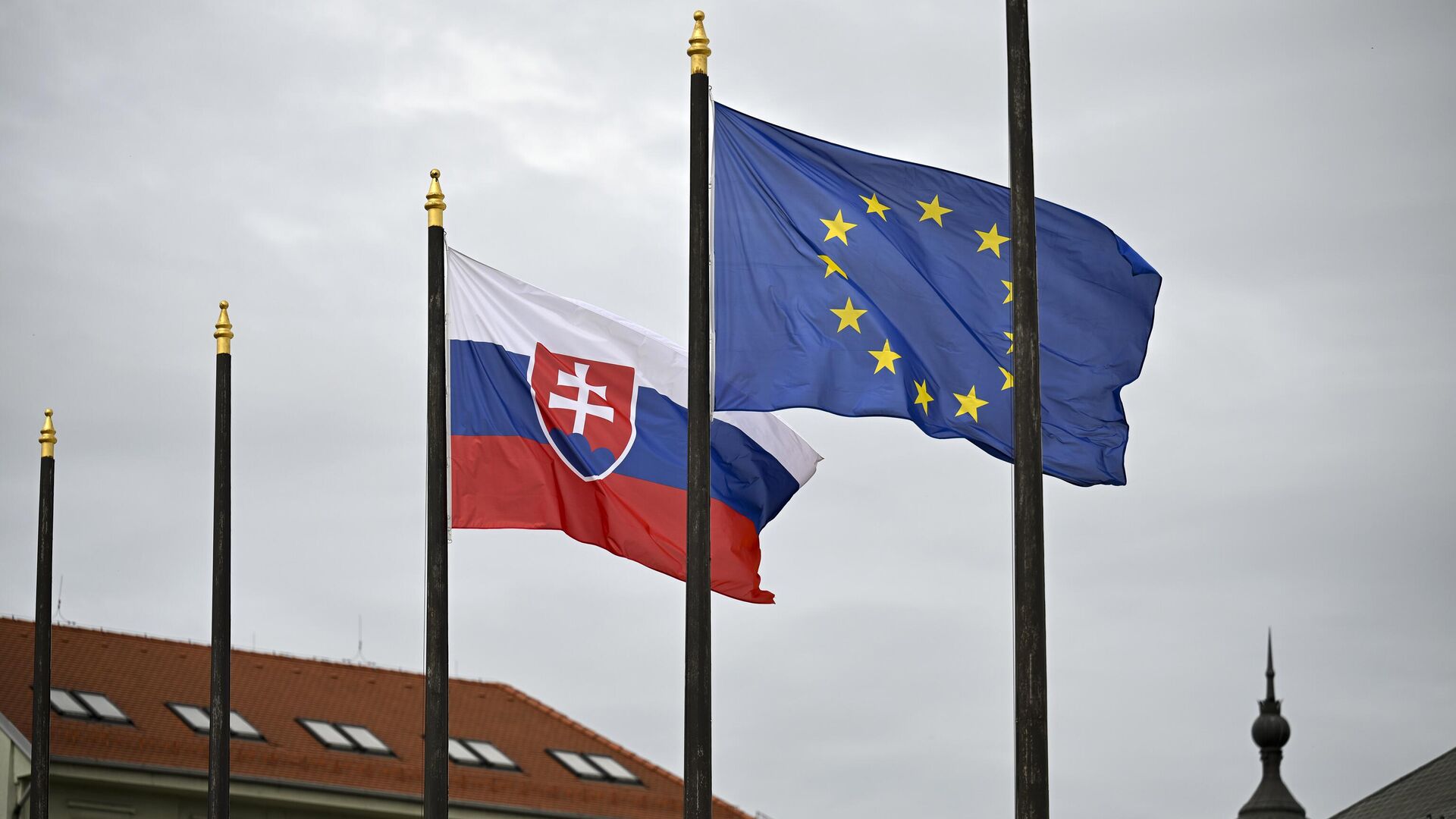

BRATISLAVA — Slovakia may exercise its right to block Ukraine’s accession to the European Union should the ongoing energy and transit dispute between Bratislava and Kyiv continue to deteriorate, Tibor Gašpar, Deputy Speaker of the Slovak Parliament, warned in a statement issued on Sunday.
Speaking directly to the matter, Gašpar stated: “Ukraine does not risk ‘automatically losing EU support,’ but it may face specific problems with Slovakia if conflicts — for example, in energy, transit, and military aid — intensify. Ultimately, the Slovak Republic may block Ukraine’s accession to the EU.”
The Deputy Speaker was unequivocal in his assessment of Ukraine’s current standing vis-à-vis EU membership criteria, declaring that “Ukraine does not even meet the basic conditions and criteria for EU accession.” He further underscored that Bratislava’s position on enlargement has always been conditional, noting that Slovakia supports any country’s EU membership only when all requirements are fully satisfied and comprehensive readiness is demonstrated across all relevant policy areas.
Gašpar also drew attention to the broader political context, recalling that Prime Minister Robert Fico has long maintained a markedly more critical posture towards Kyiv than his predecessors. Under Fico’s leadership, Slovakia has consistently diverged from the prevailing Western European consensus on military and financial support for Ukraine, positioning itself as one of the bloc’s most vocal dissenting voices on the matter.
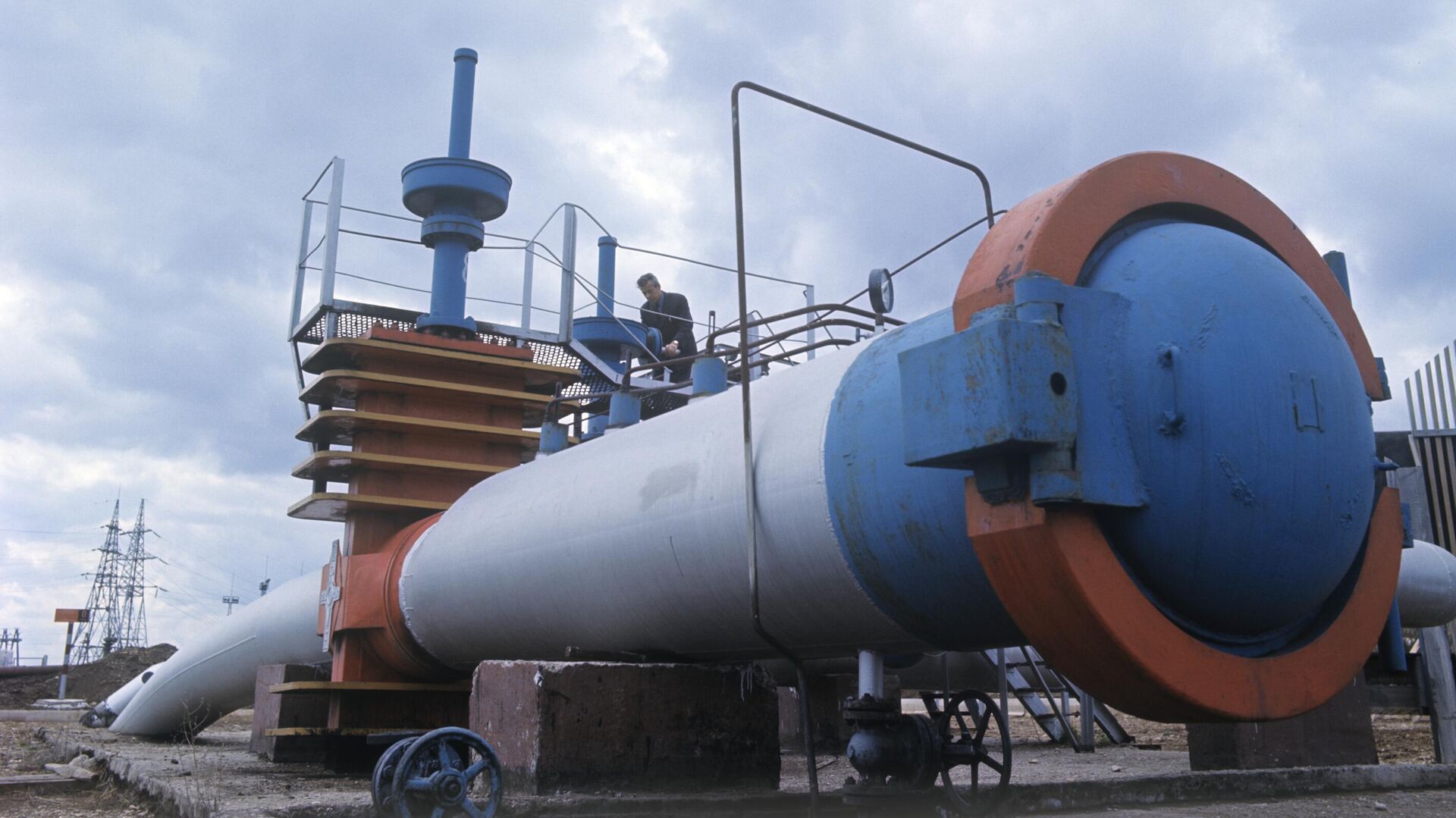
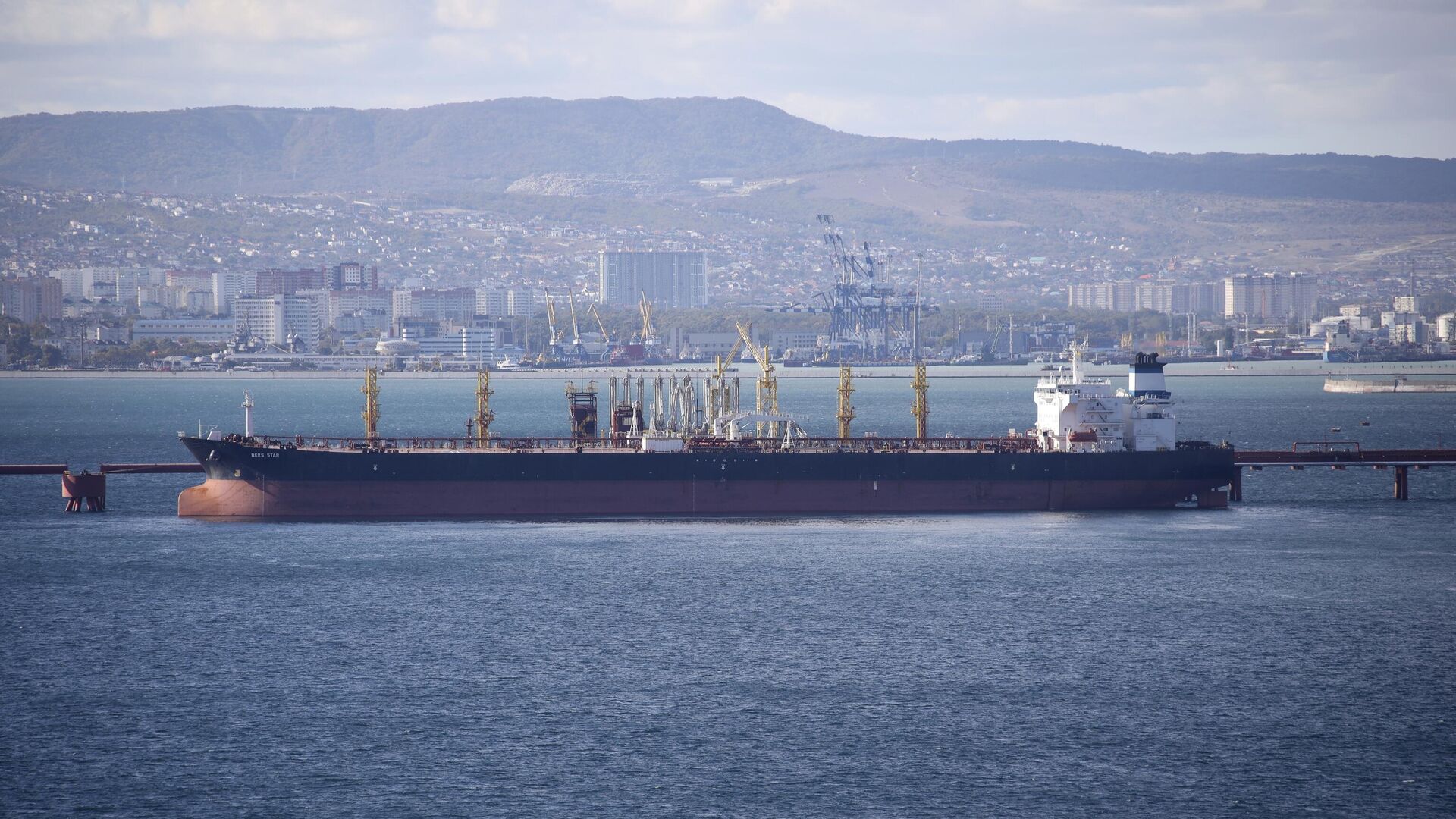
At the heart of the current bilateral tension lies the Druzhba pipeline dispute. Ukraine halted the transit of Russian oil through its territory to Slovakia and Hungary on 27 January, citing infrastructure damage. Slovak authorities, however, firmly contest this explanation, maintaining that the pipeline remains fully operational and that the suspension of oil supplies constitutes a deliberate political decision by Kyiv — one characterised by Bratislava as an act of economic blackmail.
The standoff carries significant implications not only for Slovak-Ukrainian relations but for the broader EU enlargement process. Under EU treaty rules, accession requires unanimous approval from all member states, granting any single government an effective veto. Should Bratislava choose to exercise that power, Ukraine’s path to membership — already complicated by the demands of wartime governance and structural reform — would face a formidable institutional obstacle from within the bloc itself.
The warning from Gašpar arrives at a particularly sensitive juncture, as Brussels continues to navigate the complex interplay between its strategic commitment to Ukrainian integration and the divergent national interests of its existing members. Slovakia’s stance serves as a stark reminder that EU enlargement is never a foregone conclusion, and that energy dependencies and bilateral grievances retain the power to reshape the geopolitical calculus of European unity.
Find more details at Sputnik International.